Switching a Doberman Off a Boutique Diet
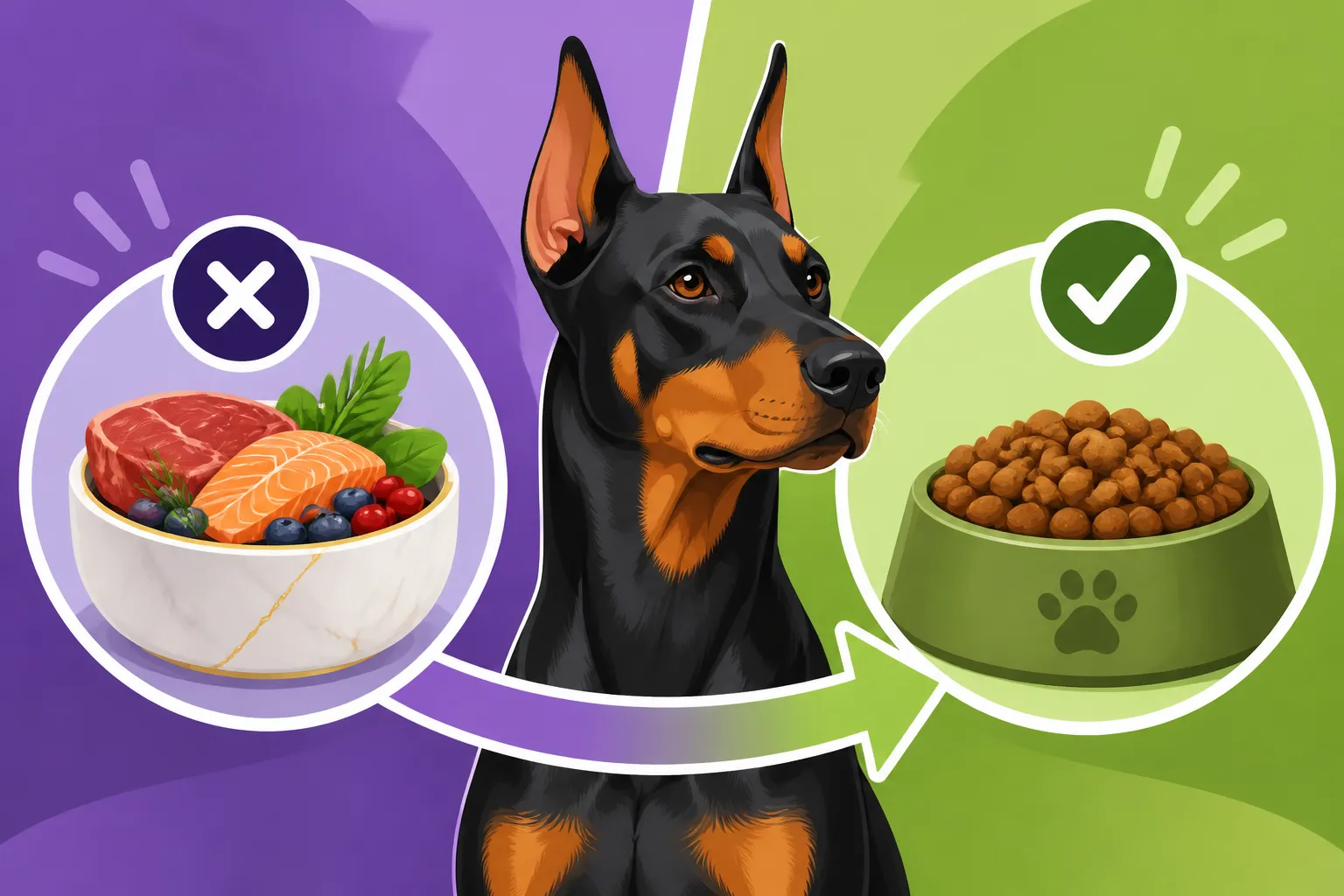
It's incredibly easy to fall for the allure of "boutique" dog diets. We all want the absolute best for our Dobermans, and when a brand promises exotic ingredients, human-grade quality, or a "natural" approach, it sounds like a dream come true. But many Doberman owners eventually find themselves in a worrying situation: realizing that the trendy, often expensive, diet they chose might not actually be the best fit for their beloved companion's health, particularly with all the ongoing discussions about cardiac issues in our breed. This guide is here to help you navigate that often-anxiety-inducing process of safely and confidently switching your Doberman off a boutique diet and onto a more thoroughly vetted, balanced nutritional plan.
The Unmasking of Boutique Diets: Why a Change Might Be Necessary
When we first brought our Dobermans home, many of us were bombarded with marketing messages about how traditional kibble was "bad" or "filled with fillers," pushing us toward more specialized, often grain-free or limited-ingredient, boutique diets. The intentions were good – we wanted to avoid anything that could potentially harm our dogs. However, over time, a different picture began to emerge, especially for breeds like our Dobermans, revealing that some of these diets, despite their premium price tags and glowing reviews, might actually be doing more harm than good.
Decoding the Grain-Free Dilemma for Dobermans
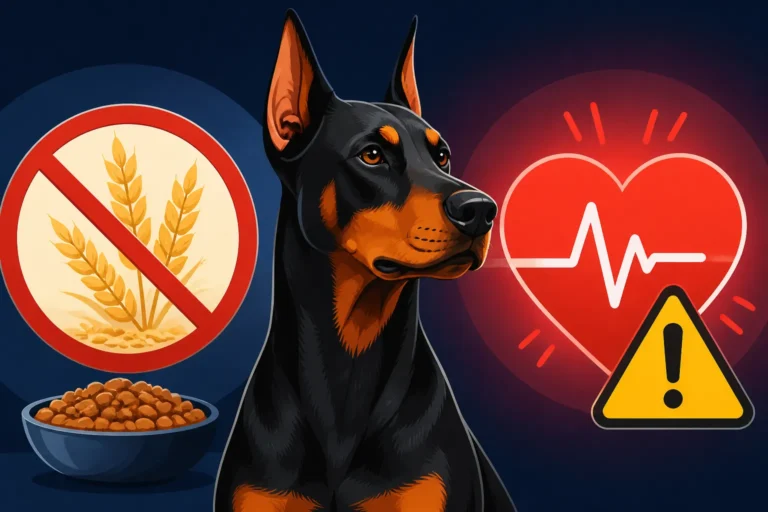
For years, "grain-free" was synonymous with "healthy" in the pet food world. The idea was that grains were unnecessary or even harmful to dogs, mimicking their ancestral diet. Doberman owners, in particular, flocked to these diets, hoping to provide optimal nutrition. Then came the unsettling news: reports from the veterinary community, particularly the FDA, suggesting a potential link between certain "boutique," "exotic ingredient," and "grain-free" (BEG) diets and an increased risk of Dilated Cardiomyopathy (DCM) in breeds genetically predisposed to it, like our Dobermans.
This news sent shockwaves through the Doberman community, and rightly so. DCM is The Heart Disease That Reaches Most Dobermans, and the thought that the very food we chose to protect them could be contributing to it is heartbreaking. The theory isn't necessarily that grains are good but that the ingredients used to replace grains – often legumes like peas, lentils, and potatoes – might interfere with nutrient absorption or contain anti-nutritional factors. Specifically, there's a strong focus on how these diets might impact the availability of essential amino acids like taurine and carnitine, which are critical for heart function. It’s a complex issue, and while not fully understood, the uncertainty alone is enough to make many of us reconsider. We discuss this further in Whether Grain-Free Food Adds to Doberman DCM.
Nutritional Adequacy: Beyond Marketing Hype
It’s easy to get swept up in the narrative of "natural" or "holistic" pet food, where ingredients sound appealing to us humans. However, a diet that sounds good on paper doesn't always translate to complete and balanced nutrition for our dogs. Many boutique brands, especially smaller ones, might not have dedicated veterinary nutritionists on staff, nor do they always perform rigorous feeding trials to prove the adequacy of their formulas. Instead, they might formulate "to meet AAFCO nutrient profiles," which is a laboratory analysis, not a real-world test of how a dog thrives on the food.
This lack of scientific backing can lead to subtle but significant nutritional imbalances. For instance, Dobermans have specific needs for a lean, muscular build and active lifestyle. A diet that is too low in certain crucial amino acids, or has an imbalance of fats and proteins, might not support their health optimally. Even if the ingredients list looks fantastic, if the ratios and processing methods aren't right, your Doberman could be missing out on vital nutrients. This is why many veterinary professionals recommend diets from larger companies that invest heavily in research, development, and feeding trials, even if their ingredient lists seem less "glamorous." Don't forget, Taurine and Carnitine for a Doberman Heart are key nutrients to consider when evaluating your Doberman's diet.
The Hidden Costs: Financial and Health Risks
Let's be honest, boutique diets are often significantly more expensive than mainstream options. We're willing to pay a premium if it means our Dobermans are healthier and live longer, but when questions arise about the actual benefits – or potential risks – that premium price tag can feel like a burden. Many owners have shelled out hundreds of dollars a month, thinking they were making the best choice, only to find themselves worried sick about their dog's heart health.
The financial cost isn't just about the bag of food itself. If a diet is nutritionally inadequate, it can lead to health problems that result in hefty vet bills down the line. We're talking about diagnostic tests, medications, and specialized veterinary care – costs that can dwarf the price difference between a boutique diet and a well-researched commercial food. For a breed like the Doberman, prone to specific health issues, optimizing nutrition isn't just about feeling good, it's about potentially mitigating risks where we can. Considering What a Doberman Costs Month to Month, adding unnecessary health complications due to diet is something every Doberman owner wants to avoid. Ultimately, the true "cost" of a diet includes its impact on your dog's overall well-being and your peace of mind.
Charting a New Course: Selecting a Suitable Diet and Preparing for Transition
Once you've made the difficult decision to move your Doberman off a boutique diet, the next step is finding a suitable replacement and getting everything ready. This isn't a decision to be taken lightly or done overnight. It requires careful planning, research, and most importantly, the guidance of your veterinary professional. Think of it as mapping out a new adventure for your Doberman's health – you want to ensure the path is clear and well-supported.
Partnering with Your Vet: The Unsung Hero in Diet Decisions
Before you even think about buying a new bag of food, the very first step should always be a conversation with your veterinarian. They know your Doberman's individual health history, any pre-existing conditions, age, activity level, and specific nutritional needs. What might be perfect for one Doberman could be totally inappropriate for another. Your vet can provide tailored advice, helping you navigate the sometimes overwhelming world of pet food options.
Even better, if your vet doesn't have a specific recommendation or you want a deeper dive, consider asking for a referral to a board-certified veterinary nutritionist. These specialists have advanced training in animal nutrition and can formulate or recommend diets based on the latest scientific evidence. They can review your Doberman's current diet, assess any deficiencies, and guide you to truly balanced options, taking into account concerns like What the Grain-Free Heart Warning Means for Dobermans. Remember, while online forums and fellow Doberman owners offer invaluable support, dietary changes that impact health should always be made with professional veterinary oversight.
Identifying Reputable Commercial Brands: What to Look For
When you're sifting through the countless options, it’s easy to get overwhelmed. The key is to look beyond flashy marketing and focus on what truly indicates a reputable brand. My personal rule of thumb is to look for companies that employ full-time veterinary nutritionists (often DVMs with board certification in nutrition, abbreviated as DACVN), invest in scientific research, and conduct actual feeding trials. This means they don't just formulate a diet to meet AAFCO standards on paper, but they test it on real dogs to ensure it provides complete and balanced nutrition and is highly digestible.
Some of the larger, more established brands often fit this bill. While their kibble might not boast exotic fruits or vegetables, their formulas are backed by decades of research. You'll want to choose a food appropriate for your Doberman's current life stage (puppy, adult, senior) and activity level. If you're looking for where to start your research, reputable online retailers like Chewy or Amazon often carry a wide range of these trusted brands, making it easy to compare ingredient lists, nutritional analyses, and even read customer reviews. Don't be afraid to read the fine print on the bags, focusing on the AAFCO statement. This statement confirms the food is complete and balanced for your Doberman's specific life stage. If you're exploring fresh-prepared options, a brand like Ollie offers carefully formulated, often personalized, meal plans that can be a good alternative to traditional kibble, especially if recommended by your vet. Remember to factor in your Doberman's Daily Calories for an Adult Doberman and ensure adequate Protein and Fat for a Lean Working Doberman are provided.
Essential Supplies for a Smooth Switch
Before you embark on the actual dietary transition, it’s wise to gather all your necessary supplies. This might seem obvious, but having everything on hand prevents last-minute dashes to the pet store and ensures a smooth process.
First and foremost, you'll need a sufficient supply of your new chosen dog food. Don't just buy a small bag; purchase enough to last through the entire transition period, plus a little extra, in case you need to slow down the process. You'll also need a supply of your old boutique diet, as the transition is always gradual.
Beyond the food itself, consider a few other items:
- Accurate Measuring Cups: Consistency is key when transitioning. Standard kitchen measuring cups aren't always accurate for kibble, so an actual pet food measuring cup can be helpful.
- Probiotics (Optional, but Recommended): Your vet might recommend a canine-specific probiotic to help support your Doberman's gut health during the transition. Changing diets can sometimes upset the delicate balance of gut flora, leading to loose stools.
- Airtight Storage Containers: To keep both the old and new food fresh.
- Plenty of Fresh Water: Always essential, but especially when making dietary changes, as hydration is crucial for digestive health.
- A Food Journal (Optional, but Helpful): This is just a simple notebook where you can jot down dates, the ratio of old to new food, your Doberman's appetite, stool consistency, and any other observations. It can be incredibly helpful for troubleshooting or reporting back to your vet.
Having these items ready before you start will make the entire process less stressful for both you and your Doberman.
The Transition Journey: A Gentle Approach for Sensitive Systems
Switching your Doberman's diet isn't like flipping a switch. Their digestive system needs time to adjust to new ingredients, new nutrient ratios, and even new kibble shapes or textures. Rushing the process is a surefire way to upset their stomach, leading to diarrhea, vomiting, or a complete refusal to eat, which nobody wants. For a Doberman, with their often sensitive systems, a slow and steady approach isn't just recommended, it's essential.
The Ten-Day Transition Plan: Slow and Steady Wins the Race
The general recommendation for switching dog food is a gradual, phased approach over seven to ten days. For a Doberman, I always lean towards the longer end of that scale, sometimes even two weeks, especially if they have a history of sensitive digestion or if the old diet was drastically different from the new one. This slow introduction allows the beneficial bacteria in their gut to adjust to the new ingredients, preventing digestive upset.
Here’s a typical 10-day schedule, but remember, you can always go slower if your Doberman shows signs of discomfort:
| Day | Old Food Ratio | New Food Ratio | Notes |
|---|---|---|---|
| 1-2 | 75% | 25% | Introduce a small amount of new food, observe appetite and stool. |
| 3-4 | 50% | 50% | Half and half. Monitor closely for changes. |
| 5-7 | 25% | 75% | Mostly new food now. Digestive system should be adapting. |
| 8-10+ | 0% | 100% | Fully on the new food. Continue monitoring for a few more days. |
Practical Application: Let's say your Doberman eats 4 cups of food a day.
- Days 1-2: You'd offer 3 cups of the old food mixed with 1 cup of the new food.
- Days 3-4: This would shift to 2 cups of old food and 2 cups of new.
- Days 5-7: You'd offer 1 cup of old food and 3 cups of new.
- Days 8-10+: Your Doberman would be entirely on 4 cups of the new food.
Mix the foods thoroughly in the bowl to prevent your Doberman from picking out the preferred kibble. If at any point you notice diarrhea or vomiting, pause the transition and hold at the current ratio for an extra day or two until things settle, then proceed even more slowly. It’s a marathon, not a sprint, especially when it comes to digestive health! Make sure you know How Many Cups an Adult Doberman Eats before you start this process.
Vigilant Monitoring and What to Expect
During the transition, you'll want to become a bit of a detective, observing your Doberman for any subtle clues about how they're handling the change. This close monitoring is crucial for knowing when to slow down, speed up, or even contact your vet.
What to Watch For:
- Stool Consistency: This is often the first indicator of digestive upset. Ideally, you want firm, well-formed stools. Looser stools are common during transitions, but watery diarrhea is a red flag.
- Appetite: Is your Doberman eating enthusiastically, or are they hesitant with the new mixture? A slight pickiness is one thing, but a complete refusal to eat for more than 24 hours warrants veterinary attention.
- Energy Levels: Any significant change in energy (lethargy, unusual hyperactivity) could indicate discomfort or illness.
- Vomiting: While a rare, isolated regurgitation might happen, persistent vomiting is not normal during a food transition and requires immediate vet consultation.
- Flatulence/Gas: Increased gas is common as the gut adjusts to new ingredients. If it's excessive or accompanied by discomfort, it might mean you're going too fast.
- Itching or Skin Changes: While less common with simple food switches, watch for any new scratching, redness, or skin irritation, especially if the new food contains novel proteins.
Mild changes, like slightly softer stools or a bit more gas, can be normal as your Doberman's system adjusts. However, severe or persistent symptoms (e.g., watery diarrhea, bloody stools, continuous vomiting, loss of appetite, lethargy) are not normal and indicate that you should stop the transition and contact your veterinarian immediately. It’s better to be overly cautious when it comes to your Doberman’s well-being.
Navigating Roadblocks: When Your Doberman Says "No Thanks"
Despite your best efforts and a gradual transition plan, sometimes your Doberman might throw a wrench in the works. They might turn up their nose at the new food, or their digestive system just doesn't seem to settle. This can be frustrating, but don't give up! There are often ways to navigate these roadblocks.
If Your Doberman Refuses to Eat:
- Don't give in too quickly: If they skip a meal, don't immediately offer something else. A healthy Doberman won't starve themselves. Try again at the next mealtime.
- Make it more appealing: You can try adding a splash of warm water to the kibble, which releases the aroma and softens it. A tiny bit of low-sodium chicken or beef broth (check ingredients carefully!) can also entice picky eaters. For fresh-prepared foods like Ollie, simply warming them slightly can boost their appeal.
- Slow down the transition even more: If your Doberman is refusing to eat at a particular ratio, go back to the previous, more accepted ratio for a few more days before trying to increase the new food again.
- Remove choice: Stop free-feeding if you are doing so. Put the food down for 15-20 minutes, then pick it up. Your Doberman will learn to eat when the food is available.
If Persistent Digestive Upset Occurs:
- Go back to the previous ratio: If diarrhea or vomiting persists, revert to the ratio where your Doberman was doing well for a few days.
- Consult your vet: This is crucial. Your vet might recommend a temporary bland diet (boiled chicken and rice) to reset the digestive system, or prescribe a medication to help. They might also suggest different probiotics or advise on a completely different food choice if the current one isn't working. If you're dealing with A Doberman That Cannot Hold Down Kibble, professional advice is paramount.
- Consider single-protein, novel ingredient diets (under vet guidance): Sometimes, a Doberman might have a sensitivity to a common protein source. Your vet might suggest a prescription diet with a novel protein.
Patience is your biggest tool here. Dobermans are intelligent and can be a bit stubborn, but with consistent and calm handling, you can guide them through this change.
Beyond the Switch: Sustaining Optimal Doberman Nutrition
Congratulations! You've successfully transitioned your Doberman off their boutique diet and onto a more suitable, veterinarian-approved food. But the journey doesn't end there. Optimal nutrition is a lifelong commitment, and maintaining your Doberman's health means continually monitoring their condition and being prepared to adapt their diet as their needs evolve.
Long-Term Nutritional Principles for Doberman Health
Once your Doberman is fully adjusted to their new diet, the goal is to maintain that foundation of excellent nutrition. This means sticking to the feeding guidelines provided by the food manufacturer, adjusted as necessary to keep your Doberman at their ideal body weight. For a Doberman, this means they should have a discernible waist when viewed from above, and you should be able to feel their ribs easily without them being visible or overly prominent. If you're struggling to judge, check out The Waist a Doberman Should Show From Above for detailed guidance.
Consistency is key. Avoid frequent, unnecessary food changes unless medically advised. While variety might sound good to us, a dog's digestive system thrives on routine. Also, be mindful of treats. Treats should be healthy, low in calories, and make up no more than 10% of their daily caloric intake. Table scraps, while tempting to share, can easily unbalance their diet and lead to digestive upset or even pancreatitis, especially with rich or fatty human foods. Remember, your Doberman needs a complete and balanced diet every single day, and extra goodies can quickly throw that balance off.
The Role of Supplements: Targeted Support, Not Substitutes
In the world of pet nutrition, supplements are often a hot topic. Many boutique diets push a vast array of supplements, suggesting they are essential. However, if your Doberman is on a high-quality, complete, and balanced commercial diet, they should be getting the vast majority of the nutrients they need directly from their food. Supplements, as the name suggests, are meant to supplement a diet, not replace missing components or fix an inadequate food.
That said, there are situations where specific supplements can be beneficial, always under the guidance of your veterinarian. For example, omega-3 fatty acids (like fish oil) can support skin, coat, and joint health. Joint supplements containing glucosamine and chondroitin might be recommended for an older Doberman or one with a history of joint issues. Some Dobermans, particularly those with specific health concerns, might benefit from targeted heart-support supplements if recommended by a cardiologist. However, never start a supplement regimen without discussing it with your vet first. They can advise on the right type, dosage, and whether it's truly necessary, as many over-the-counter supplements are unregulated and may not contain what they claim.
Regular Health Assessments and Dietary Evolution
A Doberman's nutritional needs aren't static; they change throughout their life. What's perfect for a boisterous puppy might not be ideal for a lean, active adult, and certainly not for a senior Doberman whose metabolism has slowed down. This is why regular veterinary check-ups are so important. Your vet can assess your Doberman's overall health, weight, muscle condition, and discuss any changes in activity level or medical status that might warrant a dietary adjustment.
As your Doberman ages, for example, their caloric needs might decrease, or they might benefit from a diet formulated for seniors, which often contains different protein levels and joint support. Similarly, if your Doberman develops a new health condition, such as kidney disease or liver issues, their diet will almost certainly need to be specialized, often requiring prescription veterinary diets. Paying attention to Screening an Older Doberman More Often can reveal underlying issues that require dietary changes.
The goal is to be proactive. Don't wait until problems arise. A consistent dialogue with your vet, coupled with observing your Doberman's condition and energy levels, will ensure their diet continues to support their health for many happy years. After all, ensuring proper nutrition is one of the greatest gifts you can give your Doberman throughout their entire life, from puppyhood to those precious senior years where Feeding and Grooming a Doberman Past Eight become especially important.
Disclaimer
This article is for general informational purposes only and does not constitute professional advice. Laws, prices and regulations vary by location and change over time. Consult a qualified professional for guidance on your specific situation.