Grooming a Doberman That Cannot Stand Long
It's incredibly frustrating when your beloved Doberman, once a tireless whirlwind of energy, starts to slow down. Suddenly, simple tasks like a routine bath or a quick brush-down become a Herculean effort, not just for you, but more importantly, for them. Watching your faithful companion struggle to stay upright for more than a few minutes during grooming isn't just disheartening; it’s a clear sign that things need to change. This guide is here to help you navigate the challenges of grooming a Doberman who can no longer comfortably stand for extended periods, making the process gentle, stress-free, and respectful of their changing needs.
Understanding Why Standing Is Difficult for Your Doberman
Before we even touch a brush, it's vital to understand why your Doberman might be struggling to stand for grooming. It’s rarely about stubbornness or defiance; it's almost always an underlying physical limitation that makes prolonged standing uncomfortable, painful, or even dangerous. Empathy is your most important grooming tool here.
Common Health Issues Affecting Mobility
Dobermans, as they age or due to breed-specific predispositions, can develop a range of conditions that impact their ability to stand steadily. Arthritis is a huge one, especially in larger breeds. You might notice stiffness in their hips, elbows, or spine, particularly after resting or on cold days. Each movement might send a jolt of discomfort through their joints, making the simple act of shifting weight an ordeal. It's not just a creaky joint; it's genuine pain that we need to acknowledge.
Beyond general aging aches, Dobermans are unfortunately prone to certain conditions that specifically hinder their mobility. Wobbler Syndrome in the Doberman, a cervical vertebral instability, can cause a distinctive wobbly gait and weakness, particularly in their hindquarters, making any sustained standing challenging. Imagine trying to balance on shifting sands – that's what it can feel like for them. Then there's Dilated Cardiomyopathy (DCM), The Heart Disease That Reaches Most Dobermans. While primarily a heart condition, advanced DCM can lead to fatigue, weakness, and even fainting spells, making standing for any length of time dangerous. A dog with a compromised heart simply doesn't have the stamina. These issues often manifest around The Doberman Years When Everything Shows Up, so it's not uncommon to start seeing these challenges as they mature. You might also notice a general Stiffness in a Doberman That Used to Sprint, indicating underlying joint wear.
Recognizing Signs of Discomfort
Your Doberman can't tell you in words that their back hurts or their legs are tired. But they communicate constantly through their body language. It's up to us to learn their signals. When you start a grooming session, pay close attention. Are they shifting their weight from paw to paw frequently? Are their muscles trembling slightly, especially in their legs? You might see them try to lean against you more than usual, seeking support, or even try to sit or lie down mid-session.
Look for subtle cues like excessive panting (even if it's not hot), a furrowed brow, or ears pinned back. Some Dobermans might even let out a small whine or sigh. If they’re usually happy for a brush but now actively try to move away or duck their head, that's a strong indicator something is amiss. Never push through these signs. It's a signal to pause, reassess, and adapt your approach. Your goal is to make grooming a positive, comfortable experience, not a source of pain or anxiety.
Essential Grooming Tools for Limited Mobility
When your Doberman can't stand for long, your usual grooming routine might need an overhaul, starting with the very tools you use. The goal here is efficiency, gentleness, and minimizing the dog's physical effort.
Gentle Brushes and Wipes
For a Doberman with limited mobility, speed and comfort are key. Forget intense deshedding tools that require a lot of force or prolonged brushing. Instead, opt for soft, rubber grooming mitts or brushes designed for short coats. These allow you to cover a large area quickly with minimal pressure, and many Dobermans find the sensation quite pleasant, almost like a massage. A good quality rubber brush, like those often found on Amazon or Chewy, can help loosen dead hair and stimulate the skin without pulling. The One Brush a Doberman Coat Needs for regular maintenance is often a simple rubber curry brush or a soft bristle brush.
For quick clean-ups between baths, especially for paws or bellies that might get dirty on short, slow walks, keep some pet-safe cleansing wipes handy. Waterless shampoos are also a lifesaver. You can apply them, rub them in, and towel dry without needing to get your Doberman into a tub or force them to stand in water. This drastically cuts down on the physical exertion and stress associated with a full bath. These methods are particularly useful if your Doberman suffers from Dandruff and Flaking on a Doberman or other minor skin issues that require regular, gentle attention but not a full soak.
Nail Care Alternatives
Nail trims are notoriously difficult for many dogs, and for a Doberman struggling to stand, it can become a major ordeal. Instead of forcing them to stand while you clip, consider options that allow them to lie down or be supported. A Doberman with all-black nails can be particularly challenging, as it's hard to see the quick. Many owners find nail grinders (rotary tools with a sanding drum) to be much gentler and safer than clippers, as they reduce the risk of Quicking a Black Doberman Nail. Your Doberman can lie on their side or even on their back (if comfortable) while you carefully grind each nail.
If you must use clippers, try to do it in short bursts, perhaps tackling one paw at a time over several hours or even days. You could also try having them lean against you or a soft cushion. The key is patience and positive reinforcement. High-value treats should be flowing like water during these sessions. Remember, consistent short sessions are far better than one long, traumatic one. Don't be afraid to Grinding a Doberman Nail You Cannot See Through at an angle to gradually shorten them without hitting the quick.
Specialized Products for Sensitive Skin
Older Dobermans, especially those with conditions like Color Dilution Alopecia in Blue and Fawn Dobermans or general age-related skin thinning, often have more delicate and sensitive skin. Harsh shampoos or strong fragrances can cause irritation or dryness. Look for hypoallergenic, soap-free shampoos and conditioners, often found on Chewy. These are designed to be gentle, moisturizing, and less likely to strip natural oils.
If your Doberman has specific skin issues, your vet might recommend a medicated shampoo. When using these, ensure you apply them carefully, massage gently, and rinse thoroughly to avoid leaving any residue that could cause further irritation. For areas prone to dryness or calluses, like elbows or hocks, consider using a veterinary-approved paw balm or moisturizer to keep the skin supple and prevent cracking. Protecting their Thin Doberman Skin and Everyday Cuts becomes even more important when their mobility is reduced.
Creating a Comfortable Grooming Environment
Making grooming comfortable for a Doberman with limited mobility goes beyond just the tools; it extends to the entire environment and setup. Think about it from their perspective: what would make them feel most secure and at ease?
Choosing the Right Location and Surface
The first step is picking the right spot. Avoid slippery tile floors that offer no traction and can exacerbate instability. Instead, choose a carpeted area, a large bath mat, or even lay down a yoga mat or a non-slip rug. The goal is to provide a stable, secure surface where their paws won't slide out from under them, reducing the fear of falling.
A quiet, familiar room in your home is usually best. A bustling kitchen or a noisy entryway can add unnecessary stress to an already challenging situation. If possible, groom them where they feel most relaxed, perhaps near their favorite bed or in a sunny spot where they often nap. This helps associate grooming with comfort and familiarity rather than a stressful event. For a Doberman experiencing Stiffness in a Doberman That Used to Sprint, having a soft, supportive surface will make all the difference. Their comfort should be paramount.
Utilizing Support Devices
Sometimes, a little external support is all it takes to make grooming tolerable. If your Doberman can manage a semi-standing or leaning position, consider using a sturdy grooming sling or a towel rolled and placed under their belly for gentle support. This can take some weight off their joints and make them feel more secure. For Dobermans struggling with rear-end weakness, a walking sling that supports their hindquarters can be incredibly helpful for short periods of standing, such as during a quick bath in a walk-in shower.
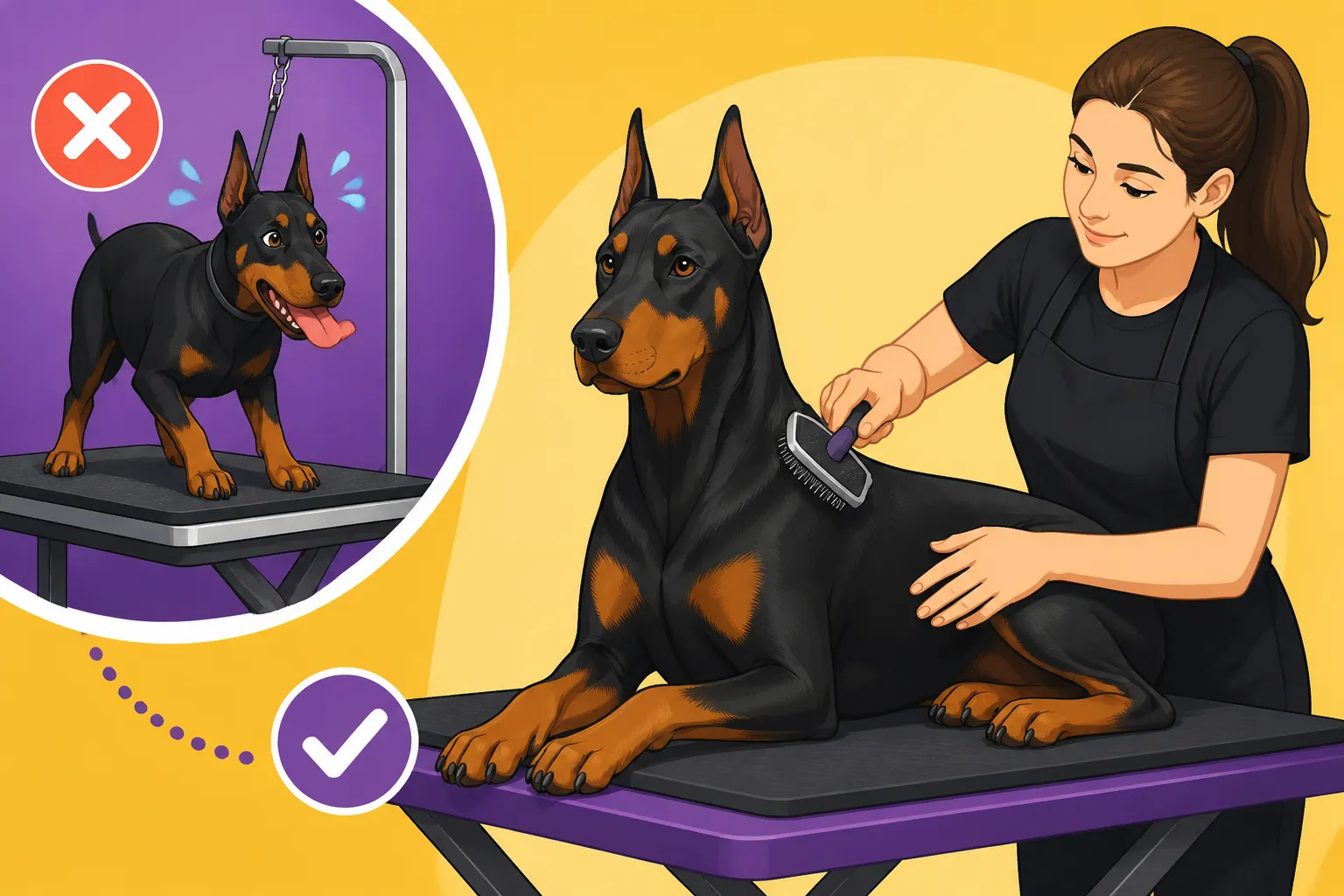
Elevated grooming tables, while wonderful for many dogs, need careful consideration. If your Doberman can safely and easily get on and off, and stand for short bursts, they might work. However, for a Doberman with severe mobility issues, the risk of a fall or the strain of lifting them onto the table might outweigh the benefits. Always prioritize their safety and comfort. For an older dog, providing Bedding for an Old Doberman's Elbows and other pressure points during extended sessions is crucial. You can also utilize walls or furniture for them to lean against, providing a sense of stability.
Short, Frequent Sessions
This is perhaps the most crucial adaptation for grooming a Doberman with limited standing ability. Gone are the days of marathon grooming sessions. Instead, embrace the philosophy of "little and often." Break down each grooming task into tiny, manageable segments. Maybe today is just brushing their left side, tomorrow their right, and the day after, a quick wipe down of their face.
If a full bath is too much, try a sponge bath, cleaning one section at a time. The entire process might take several days, but it’s far less stressful and painful for your Doberman. Work for a few minutes, give them a break, offer praise and treats, and then come back later. This prevents them from becoming overwhelmed or exhausted, and helps maintain a positive association with grooming. Remember, even though Dobermans are known for their intelligence, they can get bored of repetition, so keeping sessions short and engaging with plenty of positive reinforcement is key.
Step-by-Step Gentle Grooming Techniques
Now that we have the right tools and a comfortable environment, let's walk through some specific techniques to make grooming gentle and stress-free for your Doberman who can't stand for long.
Brushing and Coat Care
Your Doberman's short, sleek coat might seem low-maintenance, but regular brushing is still important, especially for an older dog whose skin might be more fragile. When brushing, have your Doberman lie down on a soft mat or blanket. If they prefer to lean against you while sitting, that's fine too. Use gentle, sweeping motions with your rubber curry brush or grooming mitt. Work in small sections, always moving with the grain of the hair.
As you brush, be extra attentive to their skin. Older Dobermans can develop lumps, bumps, or skin tags that weren't there before. Gently feel for any changes. Check for areas of dryness, flakiness, or redness, which could indicate a need for a moisturizing conditioner or a vet visit. This is particularly relevant for dogs dealing with Hair Loss on a Blue Doberman or other dilute colors, whose skin can be extra delicate. Brushing also helps distribute natural oils, keeping their coat healthy and reducing shedding. If your Doberman needs a deep cleaning but can't stand for a traditional bath, consider spot cleaning or using pet wipes to address specific dirty areas.
Bathing Without Standing
A full bath can be the most challenging grooming task for a Doberman who struggles to stand. If possible, consider having a professional groomer with specialized lifting tables and accessible tubs handle it, explaining your Doberman's limitations beforehand. However, if you prefer to do it at home, there are adaptations.
For a Doberman with some mobility, a walk-in shower with a non-slip mat is ideal. They can step in easily, and you can sit on a stool to wash them. Use a handheld shower sprayer for rinsing to minimize moving them around. Ensure the water temperature is comfortable, not too hot or cold. For Dobermans who absolutely cannot stand, sponge baths are your best friend. Have them lie down on a large, waterproof mat. Use a bucket of warm, soapy water and a separate bucket of rinse water. Work section by section, wetting, shampooing, and rinsing with sponges or washcloths. You'll need plenty of towels for drying. This method takes longer but eliminates the need for standing. Remember, How Long a Doberman Goes Without a Bath often depends on their activity level and specific needs, so adapt frequency as needed. After any bathing, especially in colder weather, make sure to Drying a Doberman After a Winter Bath thoroughly to prevent chilling, as Dobermans are prone to feeling the cold.
Ear, Eye, and Dental Hygiene
These smaller grooming tasks can often be done with your Doberman lying down or comfortably seated on your lap or beside you on the couch.
Ears: Even cropped ears need attention. Gently lift the ear flap (or the natural ear) and use a vet-approved ear cleaner and cotton ball (never a cotton swab) to wipe away any visible dirt or wax. Pay attention to any foul odors or excessive discharge, which could indicate an infection. Regular Cleaning Wax From a Cropped Doberman Ear can prevent issues. For uncropped Dobermans, extra care is needed to ensure air circulation and prevent moisture buildup, which can lead to infections.
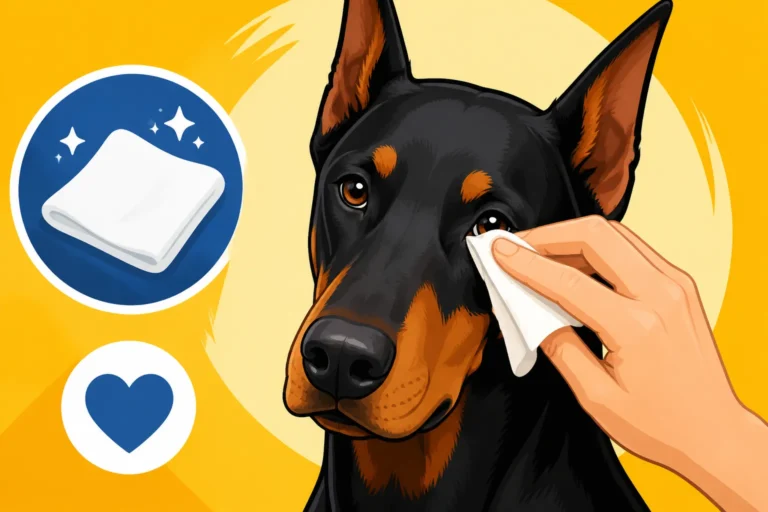
Eyes: Dobermans generally have clean eyes, but a gentle wipe with a damp, soft cloth can clear away any dust or sleep from the corners. If you notice persistent tearing, redness, or discharge, consult your vet, as it could be a sign of irritation or infection. This simple routine of Wiping a Doberman's Eyes can prevent minor irritations from escalating.
Teeth: Oral hygiene is often overlooked but crucial, especially in older dogs. If your Doberman is comfortable, try to brush their teeth daily with a pet-specific toothbrush and toothpaste. If brushing is too much, dental wipes, oral rinses, or dental chews can help reduce plaque and tartar buildup. Focus on the outer surfaces of the teeth, particularly the molars, where Tartar on an Older Doberman's Molars often accumulates. Even a few seconds of gentle cleaning can make a difference. If you can't manage regular brushing, consider asking your vet about professional dental cleanings under anesthesia, if your Doberman's health allows.
Managing Stress and Pain During Grooming
Even with the gentlest techniques, grooming can still be a source of stress or discomfort for a Doberman who is struggling with mobility. It’s imperative to manage these aspects to ensure their well-being and maintain your bond.
Positive Reinforcement and Comfort
The golden rule for grooming any Doberman, but especially one with limitations, is positive reinforcement. Every gentle stroke, every tolerated minute, every successful nail grind should be met with praise, pets, and high-value treats. Keep their favorite treats readily available and offer them frequently throughout the session. If your Doberman works better for a toy, offer short rounds of gentle play. Whether a Doberman Works Better for Food or Tug often depends on the individual dog, so know your Dobe's motivators.
Your demeanor is just as important. Stay calm, speak in a soothing voice, and avoid any abrupt movements. If you become stressed or frustrated, your Doberman will pick up on it immediately, escalating their own anxiety. Make it a bonding experience, not a chore. If they need a break, give them one. Even if it means the grooming takes longer or is spread out over several days, their comfort and emotional state are paramount. A Doberman who feels safe and loved during grooming will be more cooperative, even when they're not feeling their best.
Consulting Your Veterinarian
If your Doberman's inability to stand for grooming is a new development or is worsening, it's absolutely crucial to consult your veterinarian. They can help identify the underlying cause and recommend appropriate treatments to manage pain or discomfort. This might include anti-inflammatory medications, joint supplements, or even physical therapy exercises. For example, if your Doberman is experiencing Stiffness in a Doberman That Used to Sprint, your vet can evaluate for arthritis or other musculoskeletal issues.
Your vet might also suggest specific handling techniques or even prescribe mild sedatives for particularly stressful grooming tasks, especially if pain is a major factor. They can guide you on nutritional support, too. Some specialized diets or supplements, like those offered by companies such as Chewy for joint support or even fresh food options like Ollie, might improve their overall comfort and energy levels, indirectly making grooming easier. Discussing all aspects of their well-being, including diet, mobility, and specific Medication for a Doberman With Hepatitis (if applicable for other health conditions) or other pain management strategies, ensures a holistic approach to their care. Remember, you're a team, and your vet is your most valuable resource in keeping your Doberman comfortable and happy.
Grooming Adaptations for Dobermans with Limited Mobility
| Grooming Task | Typical Approach | Adaptation for Limited Mobility | Key Considerations |
|---|---|---|---|
| Brushing | Standing, full body | Lying down on a soft mat, seated leaning on owner | Use soft rubber brushes/mitts; short, frequent sessions; check for lumps/skin changes |
| Bathing | Standing in tub/shower | Walk-in shower (if possible), sponge baths, waterless shampoo | Use non-slip mats; warm water; handheld sprayer; dry thoroughly; focus on sections |
| Nail Trimming | Standing, lifting paws | Lying down on side/back, supported by owner | Use a nail grinder; take frequent breaks; high-value treats; aim for short, consistent sessions |
| Ear Cleaning | Standing/sitting | Lying down, seated next to owner | Gentle wiping with vet-approved cleaner; check for odor/discharge |
| Eye Cleaning | Standing/sitting | Lying down, seated next to owner | Gentle wipe with damp cloth; watch for persistent redness/discharge |
| Teeth Brushing | Standing/sitting | Lying down, seated, supported against owner | Use pet-specific toothpaste/brush; focus on outer surfaces; dental wipes/chews for alternatives |
| Overall | Long, comprehensive session | Short, frequent micro-sessions over several days | Prioritize comfort; positive reinforcement; observe body language; consult vet for pain |
Disclaimer
This article is for general informational purposes only and does not constitute professional advice. Laws, prices and regulations vary by location and change over time. Consult a qualified professional for guidance on your specific situation.