Gut Support After a Doberman Course of Antibiotics
It's a familiar and frustrating scenario for many Doberman owners: your beloved companion needs a course of antibiotics, and while you're relieved they're getting treatment for whatever ails them, you dread the inevitable upset that follows in their digestive system. Antibiotics, while life-saving, often wage war on your Doberman's gut health, leading to everything from messy diarrhea to a complete loss of appetite. This guide is here to walk you through exactly what happens to your Doberman's gut during and after antibiotic treatment and, more importantly, how you can proactively support their digestive system to help them recover quickly and comfortably.
Understanding Why Antibiotics Affect Your Doberman's Gut
Antibiotics are incredible tools in veterinary medicine, designed to kill harmful bacteria that cause infections. The problem, though, is that they aren't very discerning. They often wipe out a lot of the beneficial bacteria in your Doberman's gut right alongside the bad ones, leading to a cascade of digestive issues. It's a classic case of throwing the baby out with the bathwater, and your Doberman's sensitive system definitely feels the effects.
The Gut Microbiome and Its Importance
Think of your Doberman's gut microbiome as a bustling, microscopic city. It's home to trillions of bacteria, fungi, and other microbes, all living in a delicate balance. These tiny inhabitants play an absolutely crucial role in your Doberman's overall health – far beyond just digestion. They help break down food, synthesize vitamins, regulate the immune system, and even influence mood and behavior. When this complex ecosystem is thriving, your Doberman is more resilient to illness, has better nutrient absorption, and generally feels good.
For a powerful, athletic breed like the Doberman, a healthy gut is paramount for energy levels, muscle maintenance, and a robust immune response. A disrupted microbiome can mean less efficient digestion, leaving them feeling sluggish or not getting all the nutrients they need from their food, even if you’re meticulously following recommendations like those in Feeding an Eighty-Pound Doberman Well. When antibiotics enter the picture, they can decimate populations of these good bacteria, leaving opportunistic pathogens or yeast to flourish, leading to imbalance and distress. This imbalance, often called dysbiosis, is the root cause of many of the issues we see post-antibiotics.
Common Antibiotic Side Effects in Dobermans
The most obvious side effect you'll likely notice is changes in your Doberman's stool. Diarrhea is incredibly common, ranging from soft, unformed stools to outright watery explosions. This happens because the beneficial bacteria that help process food and absorb water are diminished, leaving undigested food and excess water to rush through the digestive tract. It’s certainly no fun to clean up, and it’s distressing to watch your Doberman struggle.
Beyond diarrhea, you might also observe your Doberman experiencing vomiting, particularly if the antibiotics irritate their stomach lining. Some Dobermans might even develop a temporary loss of appetite, finding their usual kibble unappealing when their stomach feels off. This can be especially concerning if your Doberman already has a sensitive stomach, or if they are prone to being a picky eater. If your Doberman suddenly refuses meals, you might worry about issues like A Doberman That Suddenly Stops Eating, and while antibiotics can cause this temporarily, it’s always wise to monitor closely. While these symptoms are often expected as part of antibiotic treatment, they don't have to be passively endured. There's a lot you can do to mitigate them and help your Doberman feel better faster.
Essential Strategies for Post-Antibiotic Gut Recovery
Navigating the aftermath of antibiotics can feel like a guessing game, but with a few targeted strategies, you can provide real support for your Doberman's recovering gut. The goal is to restore that crucial balance of beneficial bacteria and help their digestive system get back on track. This isn't just about stopping the diarrhea; it's about rebuilding a healthy internal environment that contributes to their overall well-being.
The Power of Probiotics: What to Look For
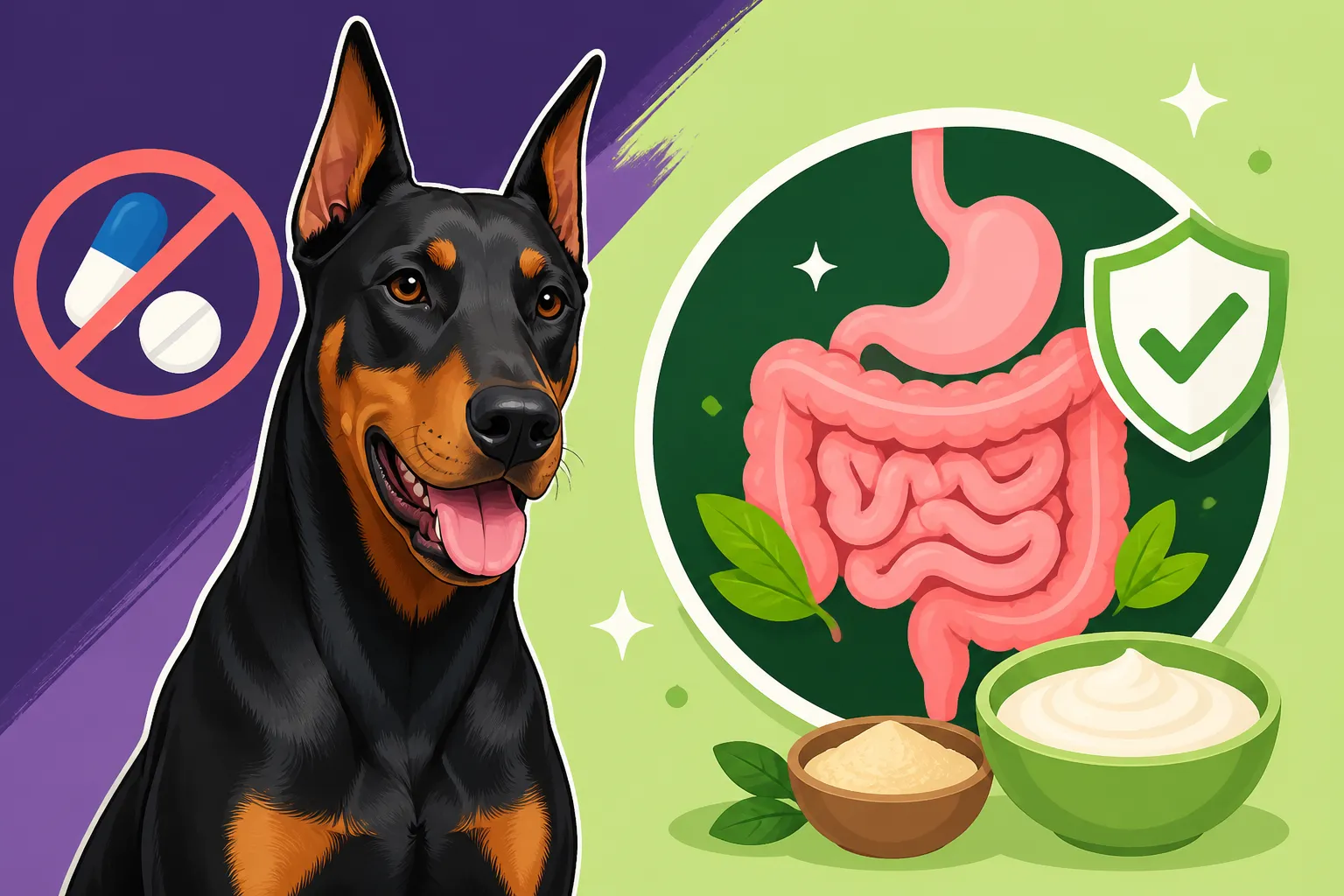
Probiotics are essentially live beneficial bacteria and yeasts that, when administered in adequate amounts, confer a health benefit to the host. In simpler terms, they help repopulate your Doberman's gut with the good guys that the antibiotics wiped out. Think of it like reseeding a lawn after a chemical treatment – you're putting the good seeds back to grow. It’s one of the most effective ways to counteract the negative impact of antibiotics.
When choosing a probiotic for your Doberman, it’s absolutely critical to pick one specifically formulated for dogs. Human probiotics, while beneficial for us, may not contain the strains most effective for a canine digestive system. Look for products that list specific strains such as Lactobacillus acidophilus, Bifidobacterium animalis, and Enterococcus faecium. The quantity of these beneficial bacteria is also important, measured in Colony Forming Units (CFUs) – a higher CFU count generally means more live bacteria making it to the gut. Store probiotics according to their instructions, as many require refrigeration to maintain their potency. You can often find reputable canine-specific probiotics from trusted online retailers like Chewy or Amazon, making it convenient to get them right to your door.
Starting probiotics during the antibiotic course, if your vet approves, can sometimes help lessen the severity of immediate side effects, but it's even more crucial to continue them for several weeks after the antibiotics are finished. This prolonged supplementation ensures that the gut has ample opportunity to rebuild its healthy bacterial populations. Some Doberman owners administer probiotics daily as part of a general wellness routine, especially for a breed known for its occasional digestive sensitivities. It’s a proactive step that can make a huge difference in their recovery and long-term gut health.
Prebiotics and Fiber: Fueling the Good Bacteria
While probiotics reintroduce beneficial bacteria, prebiotics are the food source that helps those good bacteria thrive and multiply. You can think of prebiotics as the fertilizer for your gut garden. They are non-digestible fibers that pass through the upper digestive tract and stimulate the growth and activity of beneficial bacteria in the colon. Providing both probiotics and prebiotics offers a more comprehensive approach to gut recovery.
Natural sources of prebiotics for your Doberman include things like chicory root, dandelion greens, garlic (in very small, vet-approved amounts, as large quantities can be toxic), and certain types of oats. Many high-quality dog foods, especially those focusing on gut health, will include these ingredients. Beyond specific prebiotics, a general intake of soluble and insoluble fiber is vital. Soluble fiber (found in foods like pumpkin and sweet potato) helps to slow digestion and can absorb excess water, firming up loose stools. Insoluble fiber (found in ingredients like whole grains and leafy greens) adds bulk to stool and helps keep things moving along.
Balancing these fibers correctly can be a game-changer. For a Doberman experiencing post-antibiotic diarrhea, adding a tablespoon or two of plain canned pumpkin to their meal can work wonders in firming things up, while also providing some beneficial fiber. Just make sure it’s plain pumpkin puree, not pumpkin pie filling which contains spices and sugar that are not good for dogs. For more on dietary considerations, especially how it might relate to broader health concerns, you might find information in Whether Grain-Free Food Adds to Doberman DCM useful, though the direct connection to gut recovery from antibiotics is different. The key here is not just what you add, but how you integrate it thoughtfully into their diet to support their recovery.
Dietary Adjustments and Supporting Hydration
When your Doberman's gut is struggling post-antibiotics, their regular food might be too rich or difficult to digest. Making temporary adjustments to their diet can provide relief and allow their digestive system to heal. Alongside dietary changes, maintaining excellent hydration is paramount, especially when they might be losing fluids rapidly through diarrhea or vomiting.
Bland Diets for Sensitive Stomachs
A bland diet is often the first line of defense when a Doberman has an upset stomach, whether from antibiotics or something else entirely. The principle is simple: provide easily digestible, low-fat food that won't further irritate their sensitive gut. This means temporarily setting aside their usual kibble, even if it's a high-quality food that you'd normally consider appropriate for their Daily Calories for an Adult Doberman. The goal is to give their digestive system a break and allow it to recover without being overworked.
The classic bland diet for dogs consists of plain boiled chicken (skinless, boneless, shredded) and plain white rice. The ratio is typically two parts rice to one part chicken. You can also incorporate small amounts of plain canned pumpkin puree for added fiber and moisture. Feed small, frequent meals throughout the day rather than one or two large ones, as this is easier on their system and can prevent further upset. This is similar to the advice for puppies, as discussed in Why a Doberman Is Never Fed One Big Meal. Once your Doberman's stools have normalized for a couple of days, you can start gradually reintroducing their regular food by mixing it in with the bland diet, slowly increasing the proportion of kibble over several days. Going too fast can often lead to a relapse of symptoms.
Hydration is Key
When your Doberman is experiencing diarrhea or vomiting, they lose a significant amount of fluids and electrolytes, putting them at risk of dehydration. Dobermans, with their active nature, can dehydrate quickly, and this can become serious very fast. It's not just about offering water; it's about encouraging them to drink it and monitoring their intake closely. Ensuring your Doberman stays well-hydrated is just as important as managing their diet during this recovery period.
Keep fresh, clean water available at all times. You might try offering water in different bowls, or even adding a little low-sodium chicken broth to their water to entice them to drink more. If they are refusing to drink, or if their diarrhea is severe and persistent, it might be necessary to introduce an electrolyte solution designed for dogs, but always consult your veterinarian before doing this. Signs of dehydration include sunken eyes, lethargy, dry gums, and skin that stays tented when gently pulled up. If you notice these signs, or if your Doberman seems weak or confused, it’s an emergency. This is where unexpected expenses, like those detailed in The Vet Bills a Doberman Runs Up Outside Screening, can quickly arise, so always be prepared to seek veterinary attention. Hydration really is a critical part of supporting their healing and preventing further complications.
Long-Term Gut Health for Your Doberman
Supporting your Doberman's gut isn't just a temporary fix after antibiotics; it's an ongoing commitment to their overall health and well-being. A healthy gut microbiome provides a strong foundation for their immune system, energy levels, and even their ability to cope with stress. By understanding how to maintain this delicate balance, you can help your Doberman thrive for years to come.
Maintaining a Healthy Microbiome Beyond Recovery
Once your Doberman has recovered from the immediate effects of antibiotic treatment, the journey toward a robust gut microbiome continues. It's not a "one and done" situation. Think of it as cultivating a garden – it needs ongoing care and attention to flourish. This means making conscious choices about their diet and lifestyle that continuously support their digestive health. Avoiding frequent changes to their food, for instance, can help maintain stability within their gut. Just as you might slowly transition a Doberman off a specific formulation as covered in Switching a Doberman Off a Boutique Diet, any dietary adjustments should always be gradual.
Consider the quality and variety of their diet. A diet rich in whole, minimally processed ingredients, with a good balance of protein, healthy fats, and complex carbohydrates, provides the diverse nutrients that beneficial gut bacteria thrive on. Some owners choose to continue a daily probiotic supplement, especially if their Doberman is prone to digestive upset or has a history of needing antibiotics. Regular exercise, which is essential for a Doberman, also plays a role in gut motility and overall health, though it's important to be mindful of physical activity if your Doberman is older or has specific needs, as discussed in What an Old Doberman Should Eat Differently. Creating a consistent routine and a healthy diet helps to foster a resilient and diverse gut microbiome, preparing your Doberman for any future challenges.
When to Consult Your Vet
While much of the post-antibiotic gut support can be managed at home with dietary adjustments and supplements, there are definitely times when professional veterinary intervention is necessary. It's crucial to know these warning signs because a Doberman’s health can decline rapidly, and what might seem like mild discomfort can quickly escalate into something serious. Trust your gut instinct as a Doberman owner – if something feels off, it probably is.
Keep a close eye on the severity and duration of symptoms. If diarrhea is exceptionally watery, contains blood or mucus, or persists for more than 48 hours despite your efforts, it’s time to call the vet. Persistent vomiting, especially if your Doberman can't hold down water, is also a serious concern that could lead to rapid dehydration. Lethargy, weakness, or any signs of pain or discomfort are red flags. If your Doberman seems to be losing weight rapidly or if their appetite doesn't return within a couple of days, veterinary consultation is warranted. Never hesitate to contact your vet; they can offer specific guidance, prescribe stronger medications if needed, or perform diagnostic tests if there’s an underlying issue. Your Doberman relies on you to advocate for their health, and sometimes that means a trip to the clinic for expert care.
Disclaimer
This article is for general informational purposes only and does not constitute professional advice. Laws, prices and regulations vary by location and change over time. Consult a qualified professional for guidance on your specific situation.