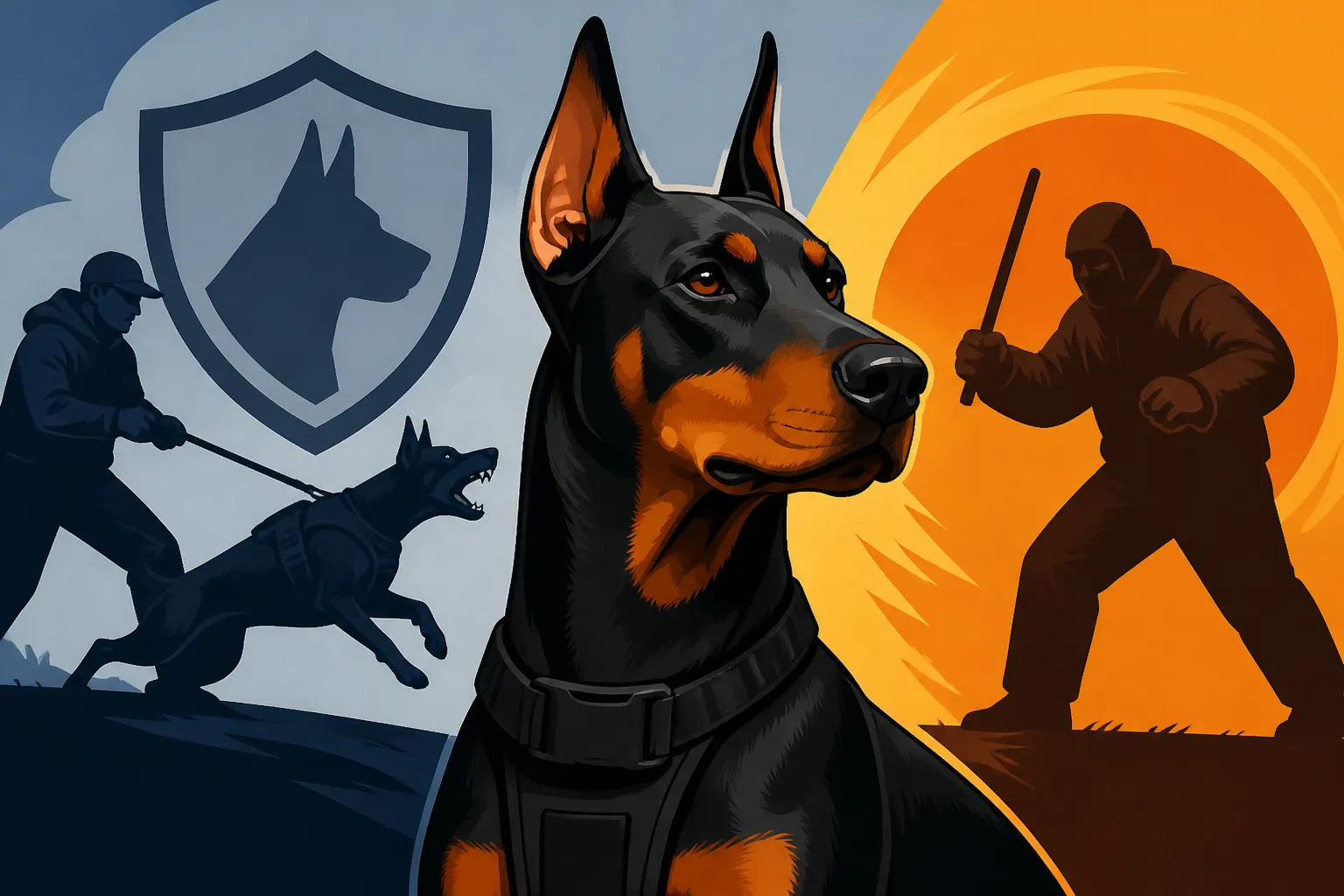
Whether Dobermans Are Still Used in Protection Work
It’s a common sight: a Doberman standing tall, alert, almost regal, and you can almost hear the unasked question in people's minds – "Is that dog trained for protection?" Many Doberman owners feel this weight of expectation, often accompanied by a sense of responsibility or even a hint of fear from others. It's true that Dobermans were originally bred with protection in mind, but the landscape of modern dog ownership and specialized training is far more nuanced than simply owning a "guard dog." This guide will unpack the realities of Dobermans and protection work today, helping you understand the distinctions, demands, and whether it's the right path for your specific Doberman and lifestyle.
The Doberman's Historical Link to Protection Work
Let’s be honest, the Doberman Pinscher wouldn't exist without its founder, Karl Dobermann, seeking a dog that could serve as a formidable personal protector. He was a tax collector in Apolda, Germany, and he needed a dog that could accompany him on his rounds, deterring potential threats and guarding his valuables. He didn't just want a dog that looked tough; he needed one that was intelligent, brave, and utterly devoted to its handler, ready to act if danger arose. This history is etched into the very DNA of the breed.
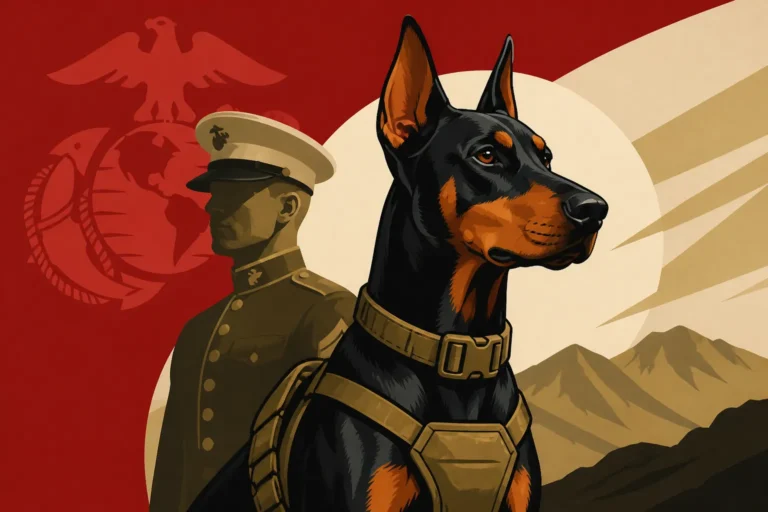
The early Dobermans were a mix of several breeds, likely including Rottweilers, German Pinschers, and even Greyhounds, all chosen for traits that contributed to their ultimate purpose: a sharp mind, physical prowess, and an unwavering protective instinct. They quickly gained a reputation as loyal, fearless guardians, and this image has persisted throughout the decades. In fact, their wartime service, particularly as mascots and scout dogs for the U.S. Marine Corps in World War II, further cemented their status as highly capable working dogs with an innate drive to protect. It’s no wonder people still look at a Doberman and immediately think of its guarding capabilities.
From Tax Collector's Companion to Working Dog Icon
Back in the late 19th century, Karl Dobermann wasn't just breeding for aesthetics; he was breeding for a very specific job. Imagine walking through unfamiliar towns, collecting money, and carrying valuable documents. You'd want a partner who could command respect with its presence alone, but also respond with swift, decisive action if threatened. That's the essence of the original Doberman. They weren't just barking at the fence; they were bred to engage if necessary, with courage and control.
Over time, as the breed developed and moved beyond its initial, raw purpose, breeders began to refine their temperament and working abilities. While the core protective instinct remained, there was a greater emphasis on trainability and control. This evolution led to Dobermans excelling in various working roles, from police and military dogs to search and rescue. Their intelligence and athletic build made them highly adaptable, but the underlying drive to protect their handler and territory was always a defining characteristic. This historical foundation is why the breed is so inherently predisposed to watchful behavior and why owners must understand and manage Doberman Guarding Instinct and Where It Tips Over.
Why the Public Still Associates Dobermans with Protection
Even today, in an era where most Dobermans live as cherished family pets, that historical image looms large. Movies, television shows, and even anecdotal stories often portray Dobermans as formidable guard dogs, sometimes even aggressive. This isn't necessarily fair to the individual pet Doberman, but it’s a powerful cultural narrative. When you walk your Doberman, you might notice people crossing the street or pulling their children closer, even if your dog is nothing but a sweetheart.
This public perception can be a double-edged sword. On one hand, it highlights the breed's impressive capabilities and natural deterrent effect. On the other, it can lead to misconceptions and unfair judgments about individual dogs and their owners. It also often blurs the line between a Doberman's natural tendency to be watchful and the very specific, highly trained skills of a protection dog. Understanding this perception is the first step to managing public interactions and properly guiding your Doberman's innate instincts. You might even find yourself needing to educate strangers about your well-socialized companion, which can be a common frustration for Doberman owners.
Distinguishing Natural Guarding from Formal Protection Training
This is where many people get tripped up. There’s a world of difference between a Doberman exhibiting natural guarding behaviors—like barking at a stranger at the door or being generally wary of unknown people—and a Doberman that has undergone formal protection training. Both stem from the breed's inherent instincts, but the expression and control are vastly different.
A Doberman's natural guarding instinct is part of its charm and what makes it such a devoted family member. They want to be near you; they want to know what's going on. This is where the term "Velcro Doberman" comes from. They often position themselves between you and a perceived threat, whether that's the mail carrier or a strange noise outside. They are alert, observant, and quick to respond with a bark or a watchful stance if something feels out of place. This is instinctual, and with proper socialization and training, it can be a wonderful trait.
Formal protection training, however, is a highly specialized discipline. It involves teaching a dog to bite and hold on command, to release on command, and to differentiate between a threat and a non-threat in complex, high-pressure scenarios. This isn't about letting your dog "be a dog"; it's about channeling a powerful prey drive and protective instinct into a highly controlled, predictable, and safe skill set. It requires immense commitment from both dog and handler, and it's definitely not for every Doberman, or every owner.
What Natural Doberman Guarding Looks Like in a Pet Home
In a typical pet home, a Doberman's guarding instinct usually manifests as vigilance and territoriality. They'll be the first to notify you if someone approaches your property. A delivery driver at the door will likely be met with a deep, resonant bark, possibly accompanied by an intense stare and a stiff body posture. When you're out on a walk, your Doberman might subtly position itself between you and a strange person or dog, or give a warning growl if someone gets too close without permission.
These behaviors are a reflection of their genetic blueprint. They are inherently suspicious of strangers until proven otherwise, and they bond deeply with their family, viewing them as their "pack" to protect. This doesn't mean they are aggressive; rather, they are observant and protective. A well-socialized Doberman, even with strong guarding instincts, should still be stable and controllable. They might be reserved with strangers, but they shouldn't be lunging or snarling without provocation. Good training focuses on teaching them when to guard and when to relax, ensuring they respond appropriately and don't escalate normal situations into perceived threats. This foundational work is critical, which is why early and consistent socialization is key for Building a Doberman Puppy That Is Confident, Not Sharp.
| Feature | Natural Guarding Instinct (Pet Doberman) | Formal Protection Training (Working Doberman) |
|---|---|---|
| Origin | Inherent breed trait, loyalty, territoriality | Specialized training, often sport-based, handler-directed |
| Expression | Barking, alert posture, subtle body blocking, warning growls | Targeted biting, controlled aggression, hold/release commands |
| Trigger | Perceived threat to home/family, unfamiliar situations | Handler command, specific scenario in training |
| Control | Managed through basic obedience, socialization, trust | Highly precise commands, rigorous conditioning |
| Goal | Alerting owner, deterring intruders, personal space | Neutralizing a threat, competitive sport performance |
| Required Temperament | Stable, confident, calm under pressure, intelligent | High drive (prey/defense), confident, resilient, fearless, stable |
| Handler Involvement | Consistent training, socialization, strong leadership | Dedicated professional guidance, extensive time, advanced skills |
The Specialized World of Formal Protection Training
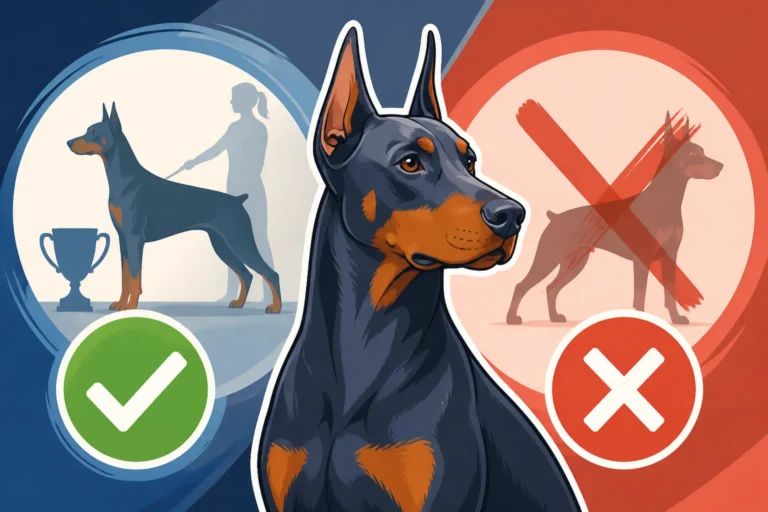
Formal protection training, often seen in sports like Schutzhund (now called IPO or IGP) or Ring Sport, is an entirely different endeavor. It’s not about encouraging your dog to be generally protective; it's about teaching it a highly sophisticated set of skills, usually with a trained "decoy" or "helper" wearing a bite suit. The dog learns to engage the decoy, bite a specific sleeve or suit, and hold on firmly until commanded to release. Crucially, the dog must also learn to re-engage if the threat persists and to stand guard over the "suspect" until the handler arrives.
This type of training requires a Doberman with very specific drives and a rock-solid temperament. They need a high prey drive to motivate them to chase and bite, but also a strong defense drive to withstand pressure from the decoy. Most importantly, they need an absolutely stable nerve to perform under stress and still be completely controllable by their handler. This is not about creating an "attack dog" that can't be turned off; it's about developing a highly disciplined athlete. What Protection Sport Involves for a Doberman gives a great overview of the dedication involved. Many owners find quality food and gear for these intense training regimens on sites like Chewy, ensuring their working dogs have the fuel and equipment they need.
The training itself is highly structured and progressive, building confidence and control at every step. It's almost like teaching a martial art to a dog. This is why casual "protection training" from unqualified individuals can be incredibly dangerous and lead to unstable, unpredictable dogs. True protection work is a serious commitment, demanding years of consistent effort and expert guidance, and should never be approached lightly. It’s a specialized field for a reason, and a properly trained protection dog is an ambassador for its breed, not a liability.
The Realities of Modern Protection Sports and Professional Training
If you're considering formal protection work for your Doberman, be prepared for a journey unlike any other pet ownership experience. This isn't just advanced obedience; it's a lifestyle. Modern protection sports, such as IGP (International Gebrauchshund Prüfung, formerly IPO or Schutzhund), are rigorous evaluations of a dog's temperament, courage, and training in three distinct phases: tracking, obedience, and protection.
The protection phase is often the most visually striking and misunderstood. It involves the dog searching for a hidden decoy, barking to indicate their presence, and then performing a series of exercises that demonstrate their ability to deter and engage a perceived threat, always under the precise control of the handler. It's a test of the dog's drives, nerve, and training, not aggression for aggression's sake. The focus is on a powerful yet disciplined performance.
This level of training is incredibly time-consuming, physically demanding, and requires significant financial investment. You're not just training your dog; you're also being trained as a handler to understand canine behavior, timing, and mechanics at a very deep level. It’s a partnership built on trust and mutual understanding.
What "Protection Work" Actually Entails Today
Today, "protection work" primarily refers to organized sports and training disciplines like IGP, PSA (Protection Sports Association), Ring Sport, or occasionally, real-world applications for law enforcement or military. For the average pet owner, "protection work" most commonly refers to participating in these sports. These sports are designed to test and showcase a dog's natural abilities and the handler's training skill, not to create a dog for everyday street defense.
The core of these programs is control. A Doberman in proper protection training is taught to respond instantaneously to its handler's commands, to bite only when instructed, and to release immediately upon command. They learn to ignore distractions and to maintain focus under extreme pressure. This is a far cry from a dog that simply barks at everything or is generally "aggressive." In fact, an unstable or truly aggressive dog would be a danger to itself and others in these structured environments and would quickly be washed out of a reputable program.
The goal is to channel the Doberman's natural drives – its prey drive, its defense drive, its territorial instincts – into a controlled, predictable, and sport-appropriate outlet. This means countless hours spent on obedience, building confidence, and honing specific behaviors with experienced decoys. It's truly an athletic endeavor for both dog and handler. You'll likely need specialized equipment, which you can often find from vendors or online retailers like Chewy.
The Commitment Required for Handler and Dog
Let's not sugarcoat it: committing to protection sports with your Doberman is a massive undertaking. It’s not something you dabble in. You'll need to dedicate several hours each week to training, often traveling to clubs or facilities that have qualified instructors and decoys. This means consistent practice sessions, physical conditioning for your dog, and continuous learning on your part. You'll need to understand the nuances of canine drives, learn how to read your dog's body language, and develop impeccable timing with your commands and rewards.
Financially, the costs can add up. There are club memberships, entry fees for trials, travel expenses, specialized equipment, and potentially private lessons. More importantly, it requires a Doberman with the right temperament. Not every Doberman, no matter how well-bred or intelligent, has the inherent drives, confidence, and resilience needed for this level of work. If a Doberman is shy, lacks drive, or is easily overwhelmed, forcing them into protection work can be detrimental to their mental well-being and potentially dangerous. This is why a reputable Finding a Protection Club That Takes Dobermans will evaluate your dog thoroughly before allowing you to participate.
The payoff, however, is an incredibly strong bond with your dog, a deep understanding of their capabilities, and the satisfaction of mastering a challenging discipline together. It’s a partnership built on mutual respect and shared achievement, showcasing the pinnacle of what a Doberman and its owner can achieve.
Is Formal Protection Work Right for Your Doberman (and You)?
Deciding whether to pursue formal protection work for your Doberman is a complex decision that goes far beyond just having a dog of the "right" breed. It requires a brutally honest assessment of your dog's temperament, your own lifestyle, and your commitment level. While the Doberman certainly possesses the foundational instincts, the demands of true protection work are immense.
For starters, not all Dobermans are created equal in terms of temperament and drives. Even within well-bred lines, there will be variations. A Doberman truly suited for protection work will be confident, stable, resilient to stress, possess strong prey and defense drives, and be highly biddable. They won't be easily startled, aggressive out of fear, or lacking in drive. An insecure or overly sensitive Doberman forced into this role can become unpredictable or even dangerous, especially if not handled by a true expert. This is why Why Guard Training Ruins Most Pet Dobermans for the average family dog is a critical consideration.
Then there's you, the handler. Do you have the time, dedication, and financial resources? Are you prepared for the intense learning curve and the discipline required? Are you committed to working with ethical, experienced trainers who prioritize safety and control above all else? If the answer to any of these is a hesitant "no," then formal protection work is likely not the right path.
Temperament and Drive: The Doberman's Pre-requisites
The most crucial factor in determining if your Doberman is a candidate for protection work is its inherent temperament. This isn't something you can train into a dog; it's something they are born with. A Doberman for protection needs:
- Strong Nerves: The ability to remain calm and focused under pressure, in noisy environments, or when facing a challenging decoy. They shouldn't be easily spooked or react out of fear.
- High Drives: A healthy prey drive (the instinct to chase and bite moving objects) and a balanced defense drive (the instinct to protect themselves or their handler). These drives are the fuel for protection work.
- Confidence: A self-assured demeanor that allows them to engage without hesitation, but also to disengage when commanded.
- Biddability/Trainability: While intelligent, they must also be eager to please and receptive to learning complex commands. Training a Doberman That Is Smarter Than You Expect is key, as their intelligence needs channeling.
- Sociability: Paradoxically, a good protection dog must also be fundamentally social and stable. They need to be able to coexist peacefully with people and other dogs when not working. An overtly aggressive dog is a liability, not a working partner.
If your Doberman is shy, overly sensitive, or shows signs of fear-based aggression, protection work would be highly inappropriate and potentially harmful. It would exacerbate their insecurities rather than build confidence. Always consult with experienced, reputable protection dog trainers for an honest assessment of your dog's suitability.
Ethical Considerations and the Dangers of Improper Training
The ethical implications of training a dog for protection cannot be overstated. When done correctly, by experienced professionals who prioritize safety, control, and the dog's well-being, protection sports can be a fantastic outlet for a Doberman's drives. The dogs involved are usually stable, well-socialized, and incredibly disciplined.
However, improper or unqualified training is incredibly dangerous. Unfortunately, there are individuals who offer "protection training" that essentially teaches a dog to be randomly aggressive or to bite without control. This can create a truly unstable and dangerous animal that is a liability to its owner and the public. Such training often relies on fear, intimidation, and pain, which can severely damage a Doberman's temperament and its bond with its owner.
Furthermore, a Doberman trained in formal protection work carries a significant responsibility. You are essentially owning a weapon with a mind of its own. Misuse or lack of control can have severe legal and ethical consequences. It's why this path should only be undertaken with the guidance of established, certified working dog organizations and instructors. For most pet owners, focusing on advanced obedience, strong socialization, and responsible management of their Doberman's natural guarding instincts is a far safer and more rewarding path than pursuing formal protection training. Your Doberman will appreciate the mental stimulation offered by puzzle toys and interactive feeders available on platforms like Chewy, even if they aren't engaging in bite work.
Alternatives to Formal Protection Training for Doberman Owners
For most Doberman owners, the idea of their dog being a "protector" is tied to a feeling of security and companionship, not necessarily formal bite work. The good news is that you absolutely don't need formal protection training to have a Doberman that acts as an excellent deterrent and guardian. Their natural presence, intelligence, and loyalty are usually more than enough. In fact, for the vast majority of pet Dobermans, channeling their instincts into other working activities and focusing on rock-solid obedience is the most responsible and rewarding approach.
A Doberman's imposing appearance and alert demeanor alone serve as a powerful deterrent. Most opportunistic criminals will think twice before approaching a property or person accompanied by a confident, well-behaved Doberman. Beyond that, their natural tendency to bark at strangers or suspicious noises effectively alerts you to potential issues. This intrinsic protective quality, combined with excellent manners, creates a much safer and more harmonious household than trying to force a dog into a role it's not suited for or poorly equipped to handle.
Remember, the goal is a confident, stable, and well-adjusted companion, not a liability. There are so many wonderful activities where a Doberman can shine, fulfilling their need for mental and physical stimulation without the extreme demands and risks of formal protection sports. This approach allows you to celebrate your Doberman's inherent capabilities in a safe and controlled manner.
Focusing on Advanced Obedience and Socialization
The single most effective way to ensure your Doberman is a reliable "guardian" is to invest heavily in advanced obedience and extensive socialization. A dog that is under voice control in any situation, understands boundaries, and has been exposed positively to a wide variety of people, places, and situations is far more valuable than one with poor manners and an aggressive streak.
Think about it: a Doberman that will sit and stay politely when guests arrive, ignore distractions on a walk, and come when called even off-leash is a dog you can trust. This level of control means you can manage any situation that arises, preventing issues before they escalate. Early and ongoing socialization teaches your Doberman how to appropriately respond to the world, discerning what is a true threat from what is just novel or unusual. It helps them build confidence without resorting to fear-based reactions. This also aligns perfectly with Handling a Doberman in Public Without Alarming People.
Enroll in obedience classes, pursue Canine Good Citizen (CGC) certification, and consider advanced titles like rally obedience or competitive obedience. These activities strengthen your bond, hone your communication, and ensure your Doberman is a well-integrated member of society. They also provide mental stimulation, which is crucial for a Doberman's intelligent mind.
Engaging in Other Working Dog Sports
Dobermans were bred to work, and their intelligence, athleticism, and drive thrive when given a job to do. If formal protection sports aren't for you, there's a whole world of other working dog activities that can fulfill your Doberman's potential:
- Agility: A fast-paced sport where dogs navigate an obstacle course. Dobermans excel here due to their speed, agility, and intelligence. It's a fantastic physical and mental workout.
- Nose Work/Scent Work: This taps into a dog's natural sniffing abilities, teaching them to locate specific scents. It's mentally exhausting and incredibly rewarding for many Dobermans. Nose Work as a Low-Impact Doberman Sport is a great option.
- Tracking: Following a human scent trail is another excellent way to engage your Doberman's nose and focus. This can be done in various terrains and is a wonderful way to work as a team.
- Canicross/Bikejoring: For the active Doberman and owner, these sports involve the dog pulling you while you run or bike. It's a fantastic way to burn off energy and work together.
- Competitive Obedience/Rally Obedience: As mentioned, these sports demand precision and teamwork, channeling your Doberman's biddability and intelligence into a highly structured routine. Competitive Obedience and the Doberman Temperament is a perfect fit for many of these dogs.
These activities provide structured outlets for your Doberman's energy and intelligence, build confidence, and strengthen your relationship. They allow your Doberman to use their impressive physical and mental capabilities in a safe, fun, and constructive way, ultimately making them better companions and naturally protective without needing to learn bite work. You'll find many training tools, harnesses, and motivational toys for these sports at retailers like Chewy, helping you gear up for your chosen activity.
Disclaimer
This article is for general informational purposes only and does not constitute professional advice. Laws, prices and regulations vary by location and change over time. Consult a qualified professional for guidance on your specific situation.