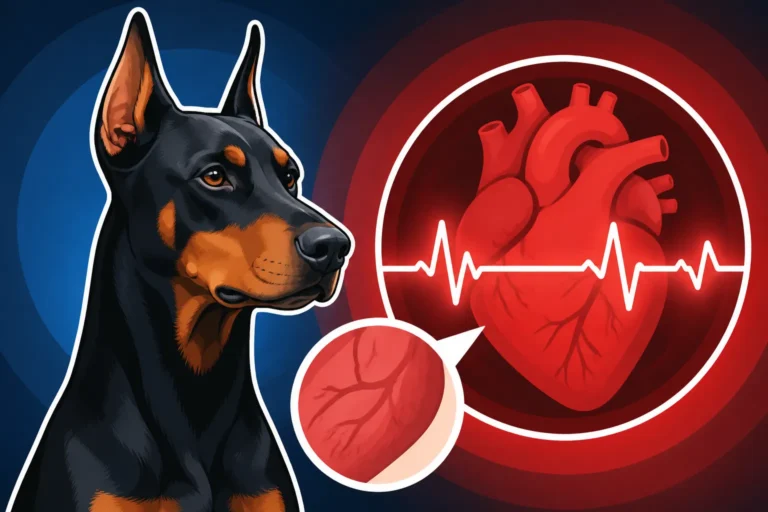
A Doberman That Wobbles on Its Back Legs
It's truly heartbreaking to see your beloved Doberman start struggling with their gait, especially when it seems to come out of nowhere. One day they're sprinting across the yard, and the next, you notice a subtle stumble, a slight wobble in their back legs, or an unsteadiness that wasn't there before. This can be an incredibly confusing and worrying time, leaving you desperate for answers and solutions. This guide is here to walk you through understanding what might be happening if your Doberman is exhibiting signs of hind leg weakness or an unsteady walk, particularly focusing on a condition known as Wobbler Syndrome, and how you can best support your companion.
Understanding the Doberman Wobble: What It Looks Like and Feels Like
When you notice your Doberman's back legs don't seem quite right, it can feel like a punch to the gut. They're such athletic, powerful dogs, and any loss of coordination or strength is immediately alarming. This isn't just a minor slip; it often indicates something deeper, something affecting their nervous system or spine. Owners often describe it as their dog looking "drunk" or like they're walking on ice, even on solid ground. This unsteadiness is frequently a hallmark of neurological issues stemming from the neck.
The Subtle Signs You Might Miss
Initially, the signs of a Doberman wobble can be incredibly subtle, easily dismissed as an awkward step or a momentary lapse in concentration. You might notice your Doberman simply seems a bit clumsier, perhaps stumbling over their own feet more often than usual, or having a harder time navigating stairs or slick floors. Sometimes, it manifests as a slight dragging of their hind paws, which can lead to visible wear and tear on their nails. You might even observe Scuffed Nails on a Wobbler Doberman before you truly pinpoint the gait issue. It’s these small, fleeting moments that, when you look back, become the early indicators. Your Doberman might also start standing with their back legs closer together, or exhibit a reluctance to jump or play as vigorously as they once did. They might start to slow down on walks, or appear to tire more quickly than before. It’s easy to write these off as just "getting older" or a minor sprain, but for a Doberman, these can be early red flags for something more serious brewing in their spine.
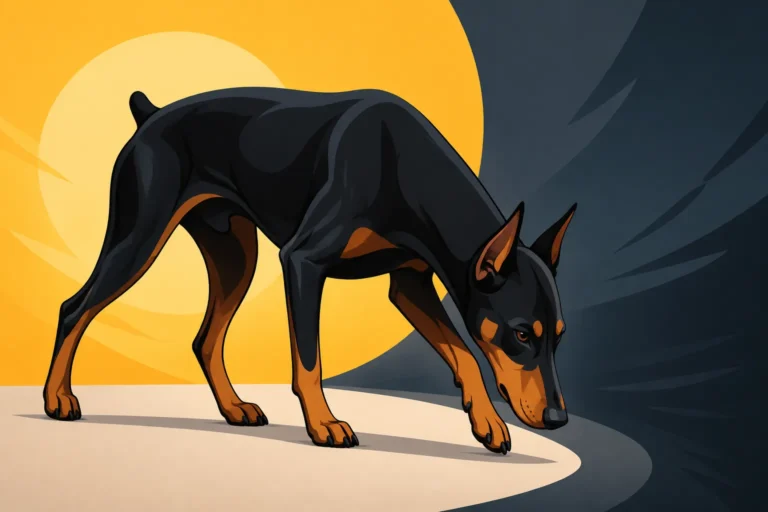
Another often overlooked sign is a change in head posture. A Doberman might carry A Doberman That Walks With Its Head Down or avoid extending their neck upwards, perhaps eating or drinking from a lowered bowl, or showing discomfort when you try to pet their neck or shoulders. This guarded behavior is a protective mechanism, indicating pain or pressure in that area. It's a subtle clue that the problem isn't just in the legs, but higher up in the spinal column. Keeping a detailed log of these observations, no matter how minor they seem, can be invaluable when you eventually speak to your veterinarian.
The Alarming Progression of Gait Changes
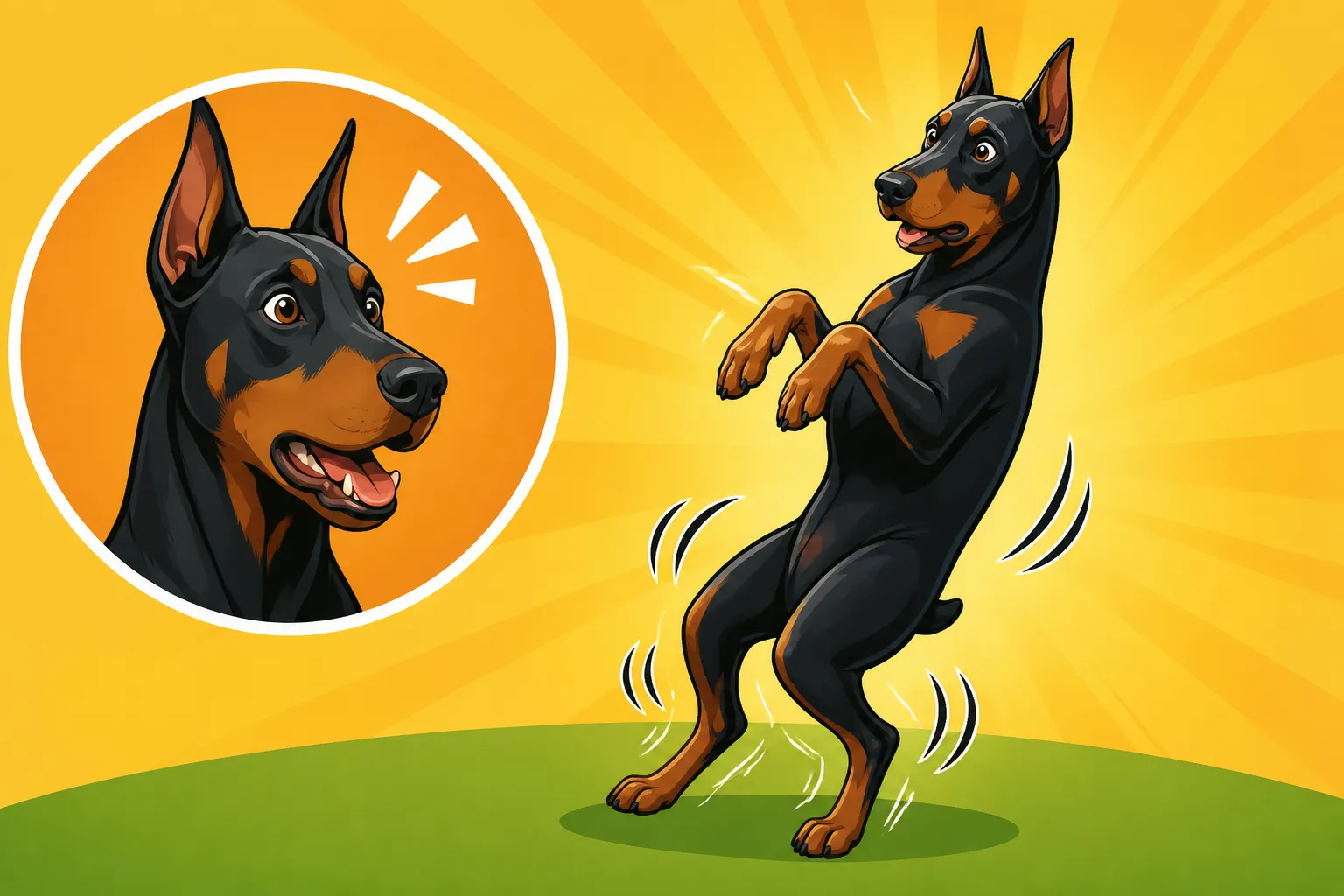
As the condition progresses, those subtle signs become much harder to ignore. The "wobble" becomes more pronounced, often described as an ataxic gait, meaning there's a lack of muscle coordination. Your Doberman might start to overtly sway when standing still or walking, particularly in their hindquarters. They might take exaggerated, high steps with their front legs (sometimes called "two-engine gait"), while their back legs move with a sort of dragging or uncoordinated shuffle. Turning corners becomes a real challenge, leading to wide, unsteady turns or even outright falls. It’s distressing to witness your once graceful dog struggle so profoundly, and it's this stage that typically sends most owners rushing to the vet.
In more severe cases, the weakness can become so profound that your Doberman struggles to stand up from a lying position, or they may even collapse during walks. They might appear disoriented or lose their balance entirely, particularly when excited or moving quickly. It’s important to understand that this progression varies wildly between individuals; some dogs experience a slow, gradual decline, while others can seemingly worsen overnight. This unpredictability makes early detection and intervention all the more critical, as waiting too long can limit treatment options and the potential for a good outcome. The specific age The Age Doberman Wobbler Signs Appear can vary widely, but it often manifests in middle-aged to older dogs, typically between 3 and 8 years old, though some can show signs earlier or later.
The Root Cause: Unpacking Wobbler Syndrome in Dobermans
The term "Wobbler Syndrome" might sound a bit informal, but it refers to a very serious neurological condition officially known as Cervical Spondylomyelopathy (CSM). It's a condition that primarily affects large and giant breed dogs, and unfortunately, Dobermans are particularly predisposed to it. Essentially, it involves compression of the spinal cord and/or nerve roots in the neck (cervical spine), leading to the characteristic wobbly gait and hind leg weakness. The specific structure of the Doberman's neck and spine contributes significantly to why this breed is so often affected.
How Neck Compression Leads to Neurological Issues
The cervical spine in your Doberman is a complex structure of vertebrae, discs, and ligaments, all protecting the delicate spinal cord, which acts as the superhighway for nerve signals between the brain and the rest of the body. In Wobbler Syndrome, one or more of these cervical vertebrae, usually in the lower neck region, become malformed or unstable, or the intervertebral discs between them protrude. This can lead to a narrowing of the spinal canal, directly compressing the spinal cord itself, or impinging on the nerve roots exiting the spinal cord. This compression disrupts the normal flow of nerve signals, particularly those responsible for proprioception (the sense of where the body is in space) and motor control, especially to the hind limbs. This disruption is Why Doberman Neck Vertebrae Compress the Cord and causes the neurological deficits we observe as a wobble.
Imagine a garden hose with a kink in it; the water flow is restricted. Similarly, a compressed spinal cord has restricted signal flow, leading to miscommunication between the brain and the hind legs. This means the dog's brain isn't receiving accurate feedback on where its legs are, nor is it sending clear instructions for coordinated movement. The result is the disoriented, ataxic gait that defines Wobbler Syndrome. The severity of the compression directly correlates with the severity of the symptoms, ranging from mild unsteadiness to complete paralysis in severe cases. It's a progressive condition, meaning it tends to worsen over time without intervention.
The Genetic Predisposition and Breed-Specific Factors
While trauma can sometimes trigger or worsen Wobbler Syndrome, a significant genetic component is suspected in Dobermans. They, along with Great Danes, are the poster children for this condition. The breed's conformation, specifically its long neck and deep chest, might contribute to the biomechanical stresses on the cervical spine. Dobermans often develop two main types of lesions causing the compression: disc-associated Wobbler Syndrome (DAWS) and bony-associated Wobbler Syndrome (BAWS). DAWS typically involves the degeneration and protrusion of intervertebral discs, often seen in older Dobermans, while BAWS involves bony malformations of the vertebrae, more common in younger, rapidly growing giant breeds, though Dobermans can present with either or a combination.
The exact mode of inheritance isn't fully understood, but it's clear that certain lines within the breed have a higher incidence. This emphasizes the importance of responsible breeding practices and the need for breeders to be transparent about any history of Wobbler Syndrome in their lines. While there isn't a definitive genetic test like some for other Doberman health concerns, choosing a puppy from parents with excellent cervical spine health and no history of the condition can mitigate some risk. Still, even with careful selection, the predisposition remains a concern for any Doberman owner. Knowing this breed-specific vulnerability is crucial for early detection and for understanding the potential journey ahead with your Doberman.
Diagnosis: Confirming Wobbler Syndrome in Your Doberman
When you first bring your Doberman to the vet with a suspected wobble, you're hoping for a simple fix, but diagnosing Wobbler Syndrome is rarely straightforward. It involves a process of elimination and specialized diagnostics to pinpoint the exact cause and location of the spinal cord compression. The journey can be long and require multiple visits and different types of specialists.
Initial Vet Visits and Neurological Exams
Your general practice veterinarian will start with a thorough physical examination, observing your Doberman's gait, posture, and muscle condition. They'll also perform a comprehensive neurological exam, which includes testing reflexes, assessing proprioception (how well your dog knows where its limbs are in space, often by flipping a paw over and seeing how quickly they correct it), and checking for pain responses along the spine. They might notice reduced reflexes in the hind limbs, increased reflexes in the front limbs (due to nerve damage in the neck affecting signals traveling past the injury), and severe proprioceptive deficits in the back legs. These initial findings help narrow down the problem to a neurological issue, likely involving the cervical spine.
Standard X-rays of the neck are often the first imaging step. While plain radiographs can show bony abnormalities, disc space narrowing, or vertebral instability, they often don't provide a clear picture of the spinal cord itself or the soft tissue structures compressing it. This means X-rays alone cannot definitively diagnose Wobbler Syndrome but can provide clues or rule out other conditions. Your vet might also recommend routine blood work to rule out metabolic causes of weakness or other systemic diseases. If Wobbler Syndrome remains a strong suspicion, a referral to a veterinary neurologist is usually the next step, as specialized imaging and expertise are required.
Advanced Imaging: MRI and CT Scans
To confirm Wobbler Syndrome and identify the precise location and nature of the spinal cord compression, advanced imaging is essential. Magnetic Resonance Imaging (MRI) is considered the gold standard. What a Doberman MRI Shows for Wobblers is incredibly detailed: it allows veterinary neurologists to visualize the soft tissues, including the spinal cord, intervertebral discs, ligaments, and nerves. An MRI can clearly show disc protrusions, bony impingement, spinal cord edema (swelling), and other abnormalities that are compressing the spinal cord. It helps differentiate between the various forms of CSM and guides treatment decisions. Because it requires general anesthesia, it's a significant procedure, but it provides the critical information needed for an accurate diagnosis and surgical planning.
Computed Tomography (CT) scans, sometimes combined with a myelogram (injecting contrast dye around the spinal cord), are another valuable diagnostic tool. While CT is excellent for visualizing bony structures, a myelogram enhances the visibility of the spinal cord and any compressions. Some specialists prefer CT myelography for surgical planning due to its ability to create detailed 3D reconstructions of the vertebrae. Both MRI and CT scans are expensive procedures, and this is where having pet insurance like Healthy Paws can be a huge help, as Imaging Bills When a Doberman Starts Wobbling can add up quickly. These advanced diagnostics are paramount in understanding the full scope of your Doberman's condition and determining the best course of action.
Differential Diagnoses to Rule Out
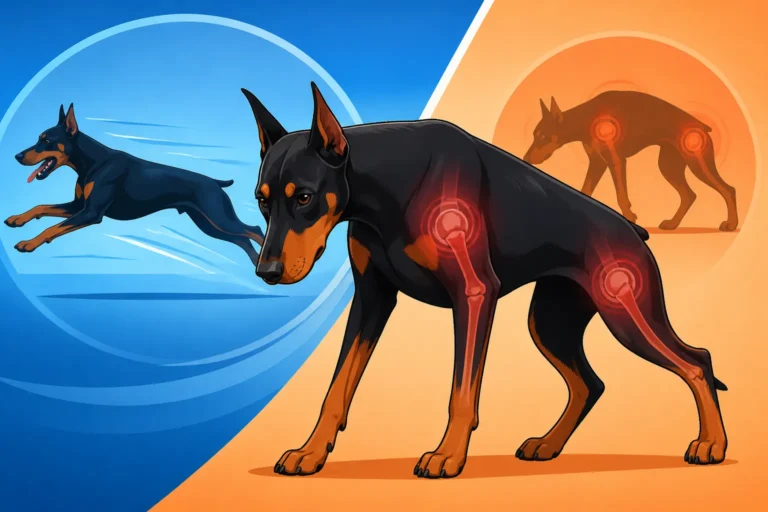
It's important to remember that a wobbly gait in a Doberman isn't always Wobbler Syndrome. There are several other conditions that can mimic its symptoms, making a thorough diagnostic process crucial. Your veterinary team will work to rule out these possibilities to ensure an accurate diagnosis. Conditions like degenerative myelopathy (DM), a progressive disease of the spinal cord that causes hind limb weakness and incoordination, can look very similar, especially in older dogs. However, DM typically doesn't involve pain and affects the thoracic or lumbar spine, not the neck. Other possibilities include orthopedic issues like hip dysplasia or arthritis, although these usually don't present with the classic "wobble" and neurological deficits.
Less common but still possible causes include spinal tumors, infections (like discospondylitis), fibrocartilaginous embolism (FCE), or even certain metabolic diseases that affect nerve function. Your vet may also consider other Doberman-specific health concerns that could impact mobility, such as certain types of cancer or endocrine disorders. The thorough neurological exam and advanced imaging are key to differentiating these conditions from Wobbler Syndrome. This comprehensive approach ensures that your Doberman receives the correct diagnosis and, consequently, the most appropriate and effective treatment plan for their specific condition.
Treatment Options: Managing or Correcting the Wobble
Once Wobbler Syndrome is diagnosed, you and your veterinary neurologist will discuss the best path forward. There are generally two main approaches: conservative medical management or surgical intervention. The choice depends on several factors, including the severity of your Doberman's symptoms, the exact nature and location of the compression, your dog's age, and your financial situation. It’s a huge decision, and one that many Doberman owners agonize over.
Conservative Management: Medications, Rest, and Physical Therapy
For Dobermans with mild to moderate symptoms, or those for whom surgery isn't an option, conservative management is often the first line of treatment. This approach aims to reduce inflammation, alleviate pain, and prevent further spinal cord damage. It typically involves a combination of medication, strict rest, and supportive therapies. Anti-inflammatory drugs, particularly corticosteroids like prednisone, are commonly prescribed to reduce swelling around the spinal cord. Steroids and Rest for a Doberman Wobbler can bring significant relief, but long-term use of steroids carries potential side effects, so careful monitoring is essential. Muscle relaxants and pain medications may also be used to improve comfort and reduce muscle spasms.
Strict crate rest for several weeks is usually a cornerstone of conservative management. This means limiting all activity, including walks, and only allowing short trips outside for potty breaks. The goal is to minimize movement of the neck and allow any inflammation to subside. Following this, a gradual reintroduction to controlled exercise is guided by a veterinary physical therapist. Physical therapy plays a crucial role in maintaining muscle mass, improving proprioception, and strengthening core muscles to support the spine. This can include hydrotherapy (underwater treadmill), therapeutic exercises, massage, and laser therapy. While conservative management can improve symptoms and quality of life for some Dobermans, it doesn't address the underlying anatomical problem, so recurrence or progression of symptoms is always a possibility.
Surgical Interventions for Spinal Decompression
For Dobermans with severe or rapidly progressing neurological deficits, or those who don't respond to conservative management, surgery is often recommended. The goal of surgery is to decompress the spinal cord and stabilize the affected vertebrae, thereby alleviating the pressure that causes the neurological signs. There are several surgical techniques, and the choice depends on the type of compression. Common procedures include ventral slot decompression (removing a piece of the vertebral body to access and remove a herniated disc), dorsal laminectomy (removing part of the vertebral arch from the top to relieve pressure), or various stabilization techniques using plates, screws, or bone grafts to fuse unstable vertebrae.
These surgeries are complex and require a highly skilled veterinary neurosurgeon. While potentially life-changing, they come with risks, including complications from anesthesia, infection, surgical failure, or even worsening neurological deficits. Post-operative care is intensive, often involving weeks of strict rest, pain management, and extensive rehabilitation. Whether Doberman Wobbler Surgery Works depends on many factors, including the severity of the pre-existing compression, the duration of symptoms, and the success of rehabilitation. Many Dobermans experience significant improvement, regaining much of their mobility and comfort, but a full recovery to their previous athletic ability is not always guaranteed. It's a costly endeavor, and Doberman Wobbler Surgery and the Bills That Follow can be substantial, making pet insurance, like a policy from Healthy Paws, a real lifesaver for many families facing this decision.
Considering Quality of Life and Prognosis
Deciding on a treatment path for Wobbler Syndrome is a profoundly personal choice, heavily weighing the potential benefits against the risks, costs, and the impact on your Doberman's long-term quality of life. The prognosis varies widely. Dogs with mild symptoms and successful conservative management can live comfortably for years. Those undergoing surgery may see dramatic improvements, especially if operated on early, though ongoing management might still be necessary. However, some dogs, particularly those with severe, chronic compression or post-surgical complications, may not recover fully and could face ongoing mobility challenges.
It's crucial to have an open and honest discussion with your veterinary neurologist about the realistic expectations for your Doberman's recovery and future mobility. Consider their personality, tolerance for confinement, and how well they adapt to changes. For some, maintaining a comfortable, pain-free life with assistive devices might be the best quality of life, even if they can't run like they used to. Understanding How Fast Doberman Wobbler Signs Progress can also influence decisions, as rapid progression often warrants more aggressive intervention. Remember, your Doberman relies on you to make these difficult choices with their best interests at heart.
| Treatment Option | Description | Ideal For | Pros | Cons |
|---|---|---|---|---|
| Conservative Management | Medications (steroids, pain meds), strict rest, physical therapy. | Mild to moderate symptoms, elderly dogs, owners unable to afford surgery. | Less invasive, avoids surgical risks, potentially lower initial cost. | Doesn't fix underlying problem, symptoms may recur/progress, long-term medication side effects, requires intense owner commitment. |
| Surgical Intervention | Decompression of spinal cord, stabilization of vertebrae. | Severe or rapidly progressing symptoms, failure of conservative therapy, younger dogs with good prognosis. | Addresses underlying cause, potential for significant neurological improvement, can provide long-term relief. | Highly invasive, significant risks (anesthesia, infection, surgical failure), high cost, intensive post-operative care and rehabilitation. |
Living with a Wobbler Doberman: Daily Care and Support
Regardless of the treatment path you choose, living with a Doberman affected by Wobbler Syndrome requires dedication, patience, and a willingness to adapt. Their needs will change, and your daily routine will likely need adjustments to ensure their safety, comfort, and continued well-being. This is a journey, not a destination, and preparing for it emotionally and practically can make a world of difference for both you and your Doberman. It's a testament to the bond you share.
Adapting Your Home Environment for Safety
One of the most immediate and impactful steps you can take is to modify your home environment to prevent falls and injuries. Slick floors are a major hazard for a wobbly Doberman. Consider laying down non-slip rugs or runners, especially in high-traffic areas or where your dog tends to spend time. If you have stairs, block them off or help your Doberman navigate them with a supportive harness. Ramps can be invaluable for getting in and out of cars or onto furniture if your dog is accustomed to it. Living With a Doberman That Cannot Walk Straight requires thoughtful planning and an understanding of their physical limitations.
You might also need to rethink their bedding. Orthopedic beds provide better support for their joints and spine, making it easier for them to get up and down. Elevated food and water bowls can reduce neck strain, which is particularly important for Dobermans with cervical compression. When taking them outside, always use a harness that distributes pressure evenly across their chest, rather than a collar around their neck. Whether a Wobbler Doberman Should Wear a Collar is a crucial consideration, as neck pressure can exacerbate their condition. A supportive harness can also double as a mobility aid, allowing you to gently assist them when they lose their balance or need help standing.
Exercise, Nutrition, and Long-Term Wellness
Maintaining appropriate exercise levels is vital, but it needs to be carefully managed. High-impact activities, jumping, and rough play are generally out of the question as they can cause further injury. Instead, focus on controlled, low-impact exercises like short, slow leash walks on even surfaces. Your physical therapist will provide specific exercises designed to strengthen their core and hind limb muscles without stressing the neck. Hydrotherapy, if available, is excellent as the buoyancy of the water reduces strain while allowing them to move and build strength.
Nutrition plays a supporting role in overall health, though no diet can cure Wobbler Syndrome. A high-quality diet that supports muscle mass and joint health is beneficial. Maintaining a lean body weight is absolutely crucial; extra pounds put undue stress on an already compromised spine and joints. Discuss with your vet if any supplements like Omega-3 fatty acids or joint support formulas might be helpful, though always get professional veterinary advice before adding anything to their diet. Regular check-ups with your veterinarian and neurologist will be part of their long-term care, monitoring for any changes or progression.
Emotional Support for You and Your Dog
Caring for a Doberman with Wobbler Syndrome can be emotionally taxing. It's tough to watch your athletic companion struggle, and the financial burden, especially if considering surgery and Rehabilitation Costs After Doberman Spinal Surgery, can be immense. It's okay to feel overwhelmed, sad, or frustrated. Seek support from online forums, Doberman-specific groups, or even local disabled pet groups. Sharing experiences with others who understand can be incredibly validating. Remember to celebrate the small victories and focus on the joy your Doberman still brings into your life.
For your Doberman, consistency, routine, and positive reinforcement are key. They will pick up on your stress, so try to remain calm and reassuring. Continue to engage them mentally with puzzle toys or gentle training sessions that don't require physical exertion. Remember that The Doberman Years When Everything Shows Up are often their prime, making these diagnoses particularly hard. Your love and commitment are their greatest source of comfort and strength. Planning for potential future costs, perhaps by exploring pet insurance options before issues arise, or maintaining an emergency fund, can alleviate some financial stress should you need to consider expensive treatments like Wobbler surgery. A good policy from Healthy Paws could make a substantial difference in accessibility to the best care for your Doberman.
Disclaimer
This article is intended for informational purposes only and is not a substitute for professional veterinary advice, diagnosis, or treatment. Always seek the advice of your veterinarian or other qualified animal health provider with any questions you may have regarding a medical condition. Never disregard professional veterinary advice or delay in seeking it because of something you have read in this article.