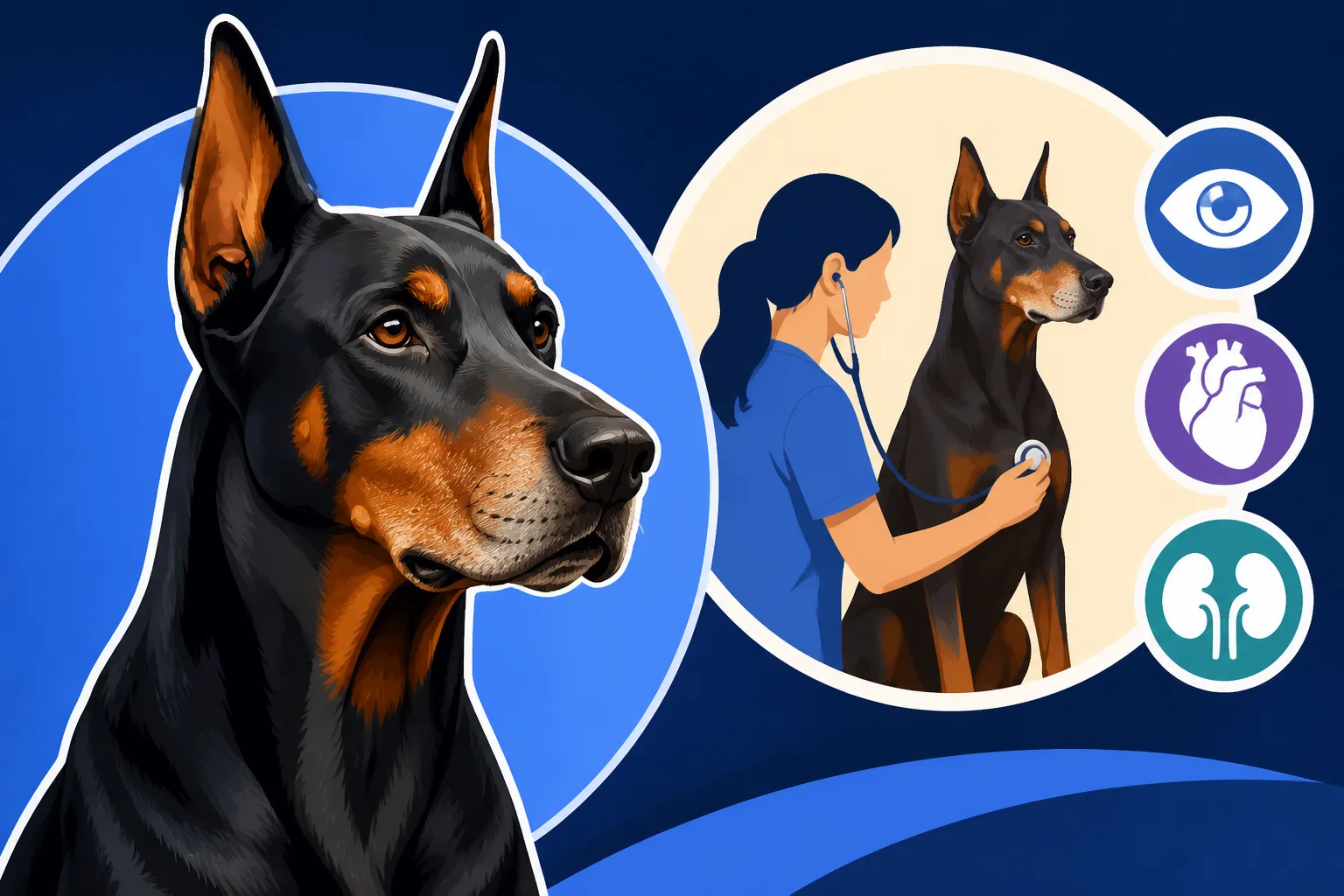
Screening an Older Doberman More Often
It's a heartbreaking reality for any Doberman owner: one day, your vibrant, energetic companion suddenly seems… different. They might be slowing down, or you might notice subtle changes that make you worry something is brewing beneath the surface. For our beloved Dobermans, especially as they enter their senior years, the adage "an ounce of prevention is worth a pound of cure" rings truer than ever. This guide is dedicated to helping you understand why screening an older Doberman more often is not just a good idea, but an absolute necessity for their continued health and well-being.
The Inevitable March of Time and Its Impact on Dobermans
Watching your Doberman transition from a boisterous puppy to a distinguished senior can be a bittersweet experience. While their wisdom and calm demeanor are wonderful, the physical changes that come with age often bring a wave of anxiety. It feels like they age in fast-forward, and recognizing these changes and their implications is the first step in providing them with the best possible care.
Why Dobermans Age Faster Than We'd Like
It's a cruel twist of fate that many large and giant breeds, Dobermans included, tend to have shorter lifespans compared to their smaller counterparts. While a Chihuahua might comfortably live into its mid-teens, a Doberman often begins to show signs of aging much earlier. We often expect our Dobermans to be in their prime until around six or seven years old, but biologically, their senior years can start much sooner than you'd think for a dog. This accelerated aging means that what might be considered a middle-aged problem in another breed, could already be a concern for your Doberman. It means the window for early detection of age-related diseases is compressed, making proactive vigilance absolutely critical.
Many Doberman owners feel a pang of sadness as their loyal companions enter this phase of life. It’s hard to watch the boundless energy start to wane, or see a hint of gray around the muzzle that wasn't there last year. Understanding that their internal systems are aging at a similar pace is vital. Conditions that might not manifest until later in a slower-aging breed can become significant concerns for a Doberman by the time they are six or seven. This is why the conventional once-a-year vet visit, while fine for a younger, robust dog, simply isn't sufficient for an aging Doberman who is experiencing the swift march of time. If you’re curious about the typical timeframe, you can explore the topic of Doberman Lifespan and Why It Is Short.
The "Silent Years" Before Symptoms Emerge
One of the most frustrating and often heartbreaking aspects of Doberman health is their incredible stoicism. These dogs are truly tough, bred for resilience and a high pain tolerance, which means they are masters at hiding discomfort or illness until a condition is quite advanced. This trait, while admirable in many ways, works against us when it comes to detecting health problems early. Your Doberman might be experiencing significant internal issues, from cardiac arrhythmias to early-stage organ decline, yet present as completely normal, or only with the most subtle, easily missed signs. It’s a common lament among Doberman owners that they wish they had known sooner.
This period, often referred to as the "occult phase" for certain diseases like Dilated Cardiomyopathy (DCM), is precisely why routine, frequent screening is non-negotiable for older Dobermans. Without diagnostic tests, you simply won't know what's happening internally until clinical signs become impossible to ignore. By then, the disease often has a strong foothold, and treatment options might be more limited or less effective. Imagine your Doberman still eagerly greeting you at the door, going on walks, and playing with toys, all while their heart is silently struggling. It's a terrifying thought, but it's the reality for many. To learn more about this phenomenon, you can read about Why a Doberman Can Look Fine and Be Ill. It underscores the need for us, as responsible owners, to look beyond the superficial and dive deeper into their health status regularly. These are often The Doberman Years When Everything Shows Up in terms of health challenges.
Deciphering the Doberman's Unique Health Landscape in Seniority
As Dobermans age, their predisposition to certain breed-specific health issues intensifies. While these dogs are generally robust and athletic, a handful of conditions cast a long shadow over their golden years. Understanding these threats is paramount to tailoring a screening regimen that truly addresses their specific needs. It's not just about looking for any problem, but knowing which problems are most likely to emerge and how to catch them early.
The Dominant Threat: Dilated Cardiomyopathy DCM
There's no sugarcoating it: Dilated Cardiomyopathy (DCM) is the single most prevalent and devastating health issue affecting Dobermans, and its likelihood significantly increases with age. This progressive heart disease causes the heart muscle to thin and weaken, making it less efficient at pumping blood. Initially, your Doberman might not show any signs at all – this is the "occult" or hidden phase. However, as the disease progresses, it can lead to congestive heart failure, arrhythmias, and sudden death. The tragedy is that many Dobermans are diagnosed only when they are already symptomatic, which dramatically shortens their prognosis.
For an older Doberman, the risk of developing or progressing in DCM is a constant concern. Most Dobermans affected by DCM begin to show signs, or at least the earliest detectable changes on diagnostic tests, sometime between 4 and 8 years of age, though it can occur earlier or later. However, many owners report that their dogs seem completely normal right up until a collapse or fainting spell, which is often the first clinical sign of significant cardiac compromise. Early detection, while the dog is still asymptomatic, is the best chance for managing the disease and potentially extending their quality of life. Without dedicated cardiac screening, you are simply playing a waiting game with potentially devastating consequences. This is truly The Heart Disease That Reaches Most Dobermans.
Beyond the Heart: Other Age-Related Concerns
While DCM rightfully takes a prominent place in any discussion of Doberman senior health, it's crucial not to overlook a host of other conditions that frequently impact older Dobermans. These issues, while perhaps less dramatic than sudden cardiac collapse, can significantly diminish their quality of life and require proactive management. Regular screening for these conditions can ensure they live out their senior years comfortably and actively.
One common concern for aging Dobermans is neurological conditions, particularly Wobbler Syndrome in the Doberman. This condition, caused by compression of the spinal cord in the neck, can lead to an unsteady gait, weakness, and pain. It often manifests or worsens with age, making regular neurological checks and discussions about subtle changes in their movement important during senior exams. Another frequent issue is hypothyroidism, where the thyroid gland doesn't produce enough hormones. Symptoms like lethargy, weight gain, and coat changes can be vague and easily attributed to "just getting old," making routine thyroid blood panels essential. You can learn more about The Thyroid Numbers That Slow a Doberman Down and what they mean.
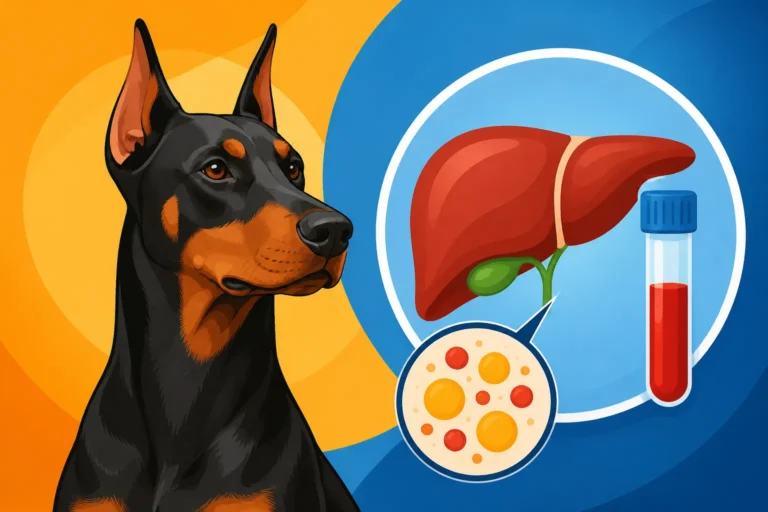
Finally, like all breeds, Dobermans are susceptible to various cancers as they age. From osteosarcoma (bone cancer) to lymphoma and mast cell tumors, vigilance for lumps, bumps, persistent lameness, or unexplained weight loss becomes critical. Early detection of cancer significantly improves treatment outcomes. Beyond these, kidney and liver function can naturally decline, making regular bloodwork and urinalysis vital. Arthritis and other joint issues are also common, requiring careful observation for stiffness or pain, and potentially dietary supplements or anti-inflammatory medications. All these factors underscore why a holistic and frequent screening approach is necessary for our aging Dobermans. You can also research Cancer Types That Reach Dobermans to be more informed.
The Cornerstone of Senior Doberman Care: Proactive Screening
Given the Doberman's propensity for hidden illnesses and their accelerated aging process, a paradigm shift in veterinary care is absolutely necessary as they mature. The standard annual check-up, while a good baseline for younger dogs, is simply not enough for an older Doberman. Proactive and frequent screening becomes the single most powerful tool in our arsenal to ensure their comfort, detect diseases at their earliest, most treatable stages, and ultimately, extend their healthy lifespan.
Annual vs. Bi-Annual or More Frequent Check-ups
When your Doberman hits around 6 or 7 years of age, it's time to seriously reconsider the frequency of their veterinary visits. An annual visit might mean that a rapidly progressing disease could go undetected for nearly a year, a lifetime in Doberman terms. This is why many veterinarians specializing in Dobermans, and cardiologists in particular, advocate for bi-annual (every six months) or even more frequent check-ups, especially once a Doberman reaches 8 or 9 years old, or if they have known risk factors or early signs of a condition. These aren't just quick vaccine appointments; they should be comprehensive physical examinations.
During these more frequent visits, your vet should be paying close attention to subtle changes in weight, muscle mass, coat quality, and dental health. They'll listen carefully to your Doberman's heart for murmurs or arrhythmias that weren't present before, and palpate their abdomen for any unusual masses or discomfort. It's also an opportunity for you to bring up any small concerns you've noticed at home – a slight cough, a change in appetite, or a moment of disorientation – that might not seem significant on their own but could be crucial clues when combined with a vet's findings. This increased frequency allows for a much tighter surveillance window, catching issues before they become emergencies and giving you more options for intervention.
Advanced Diagnostics: What to Ask Your Vet For
Beyond the physical exam, advanced diagnostics are the real game-changers for senior Dobermans. These tests peer inside your dog, revealing what their stoic exterior might be hiding. It’s imperative to be proactive and discuss these with your veterinarian, even if they don't automatically suggest them. For Dobermans, specific tests become non-negotiable staples of their senior health protocol.
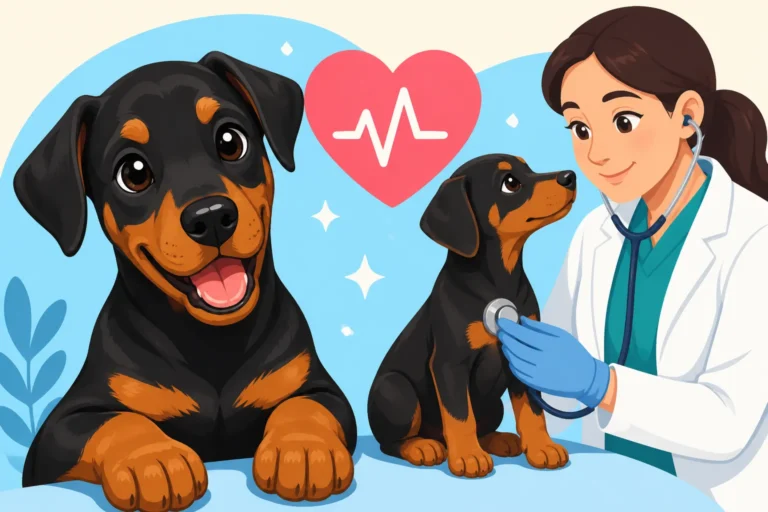
The absolute cornerstone of advanced diagnostics for an older Doberman is cardiac screening. This primarily involves an echocardiogram (echo) and a 24-hour Holter monitor. An echo is an ultrasound of the heart that allows a veterinary cardiologist to visualize the heart's structure, measure chamber sizes, assess wall thickness, and evaluate how efficiently it's pumping blood. This can detect early signs of DCM, such as enlargement of the left ventricle, long before any clinical signs appear. Concurrent with the echo, a 24-hour Holter monitor is critical. This portable ECG device records every heartbeat over a full day, capturing arrhythmias (irregular heartbeats) that might be intermittent and easily missed during a brief vet visit. Many Dobermans with early DCM will have ventricular premature contractions (VPCs) that only show up on a Holter. These screenings should ideally start earlier in a Doberman's life, but become even more critical and frequent in their senior years, often recommended annually or even every six months. You can learn more about Annual Echo and Holter Screening for a Doberman and how How Many Abnormal Beats Worry a Doberman Cardiologist are too many.
Beyond the heart, comprehensive bloodwork and urinalysis are essential. A full blood panel should include a complete blood count (CBC) to check for anemia, infection, or inflammation, and a chemistry panel to assess organ function – particularly kidney, liver, and pancreatic enzymes. Thyroid testing, as mentioned, is also vital. A urinalysis provides crucial information about kidney function, hydration status, and can detect urinary tract infections or early signs of kidney disease. For Dobermans over the age of seven, these blood and urine tests should be performed at least annually, if not bi-annually, to catch subtle shifts in organ function. Finally, imaging, such as X-rays, might be recommended to check for arthritis, spinal issues (like Wobbler Syndrome), or any suspicious masses found on exam. Abdominal ultrasounds can offer a detailed view of internal organs, looking for tumors or other abnormalities. These tests, while an investment, provide invaluable insights into your Doberman's internal health, allowing for early intervention and improved outcomes.
Understanding the Cost and Value of Enhanced Screening
Let's be realistic: providing top-tier veterinary care for an aging Doberman, complete with frequent, advanced screenings, is not inexpensive. The financial aspect is often a significant stressor for owners, but it's crucial to weigh these costs against the priceless benefits of early detection and improved quality of life for your beloved companion. Planning for these expenses is a key part of responsible Doberman ownership.
Breaking Down the Bills: What to Expect Financially
The cost of advanced diagnostics can certainly add up. A single echocardiogram, performed by a board-certified veterinary cardiologist, can range from $500 to $1,000 or more, depending on your geographic location and the specialist's fees. A 24-hour Holter monitor rental and interpretation often costs another $200-$400. If these are being done annually or bi-annually, you can quickly see how your The Yearly Heart Bill for a Doberman accumulates. Beyond cardiac screening, comprehensive senior blood panels, including thyroid, kidney, and liver values, plus a urinalysis, might run another $200-$400 per visit. If your Doberman requires X-rays for suspected arthritis or spinal issues, you could be looking at $300-$600, and an abdominal ultrasound could be even more.
These costs are often compounded by the need for follow-up appointments, specialist consultations, and potential medications if a condition is diagnosed. It's not uncommon for an older Doberman with a chronic condition to incur several thousand dollars in veterinary expenses annually. This can be a huge shock if you haven't budgeted for it, leading to difficult decisions about care. The reality is that How Doberman Costs Climb After Six can be quite steep, and it's something every Doberman owner should mentally and financially prepare for. While the price tags can seem daunting, consider the alternative: waiting until an emergency, which almost always incurs higher costs and offers a worse prognosis for your dog.
The Lifesaving Role of Pet Insurance
This is where a good pet insurance policy can truly be a lifesaver, transforming potentially crippling veterinary bills into manageable monthly premiums. However, the timing of enrollment is absolutely critical. To truly benefit from pet insurance for a Doberman, you need to enroll them when they are young and healthy, ideally before any pre-existing conditions (like early signs of DCM or Wobbler's) are diagnosed. Once a condition is documented in their medical record, it will almost certainly be excluded from coverage, often for the entire duration of the policy.
Companies like Healthy Paws offer comprehensive coverage that can help mitigate the financial burden of frequent screenings and ongoing treatments for chronic conditions. Imagine being able to authorize an expensive echo or a prolonged course of antiarrhythmic medication without having to second-guess the financial impact. A robust policy from a reputable provider such as Healthy Paws can reimburse a significant percentage of your vet bills, allowing you to focus on your Doberman's health rather than your wallet. They can be particularly invaluable for Dobermans, a breed known for its significant health challenges, especially with age. While no insurance covers pre-existing conditions, having a policy in place before your Doberman shows signs of conditions like DCM means that these vital screenings and subsequent treatments will be covered. This peace of mind is invaluable. It’s important to understand that Why a Doberman Heart Result Ends Coverage once a condition is diagnosed without prior coverage, so early enrollment is paramount. Investing in a good pet insurance plan from Healthy Paws early on is one of the smartest financial decisions you can make for your Doberman, especially considering the breed’s health predispositions as they age.
Practical Tips for Managing an Aging Doberman's Health
Beyond the veterinary visits and diagnostic tests, managing an aging Doberman's health is a holistic endeavor that involves a strong partnership with your vet and keen observation skills at home. It’s about being proactive in all aspects of their care, ensuring their comfort and well-being as they navigate their senior years.
Partnering with Your Veterinary Team
Building a strong, communicative relationship with your veterinary team is arguably as important as the screenings themselves. You are your Doberman's primary advocate, and an experienced vet, especially one familiar with the nuances of Doberman health, will be your greatest ally. Don't hesitate to ask questions, voice concerns, and even seek second opinions, particularly from specialists like board-certified cardiologists if heart issues are suspected. A good vet will welcome your engagement and be prepared to discuss the specific breed predispositions and tailor a senior health plan for your Doberman.
It’s often beneficial to seek out a veterinary clinic that has a strong understanding of Doberman-specific health protocols. Not all general practitioners are equally versed in the intricacies of Doberman DCM screening or Wobbler syndrome management. If your general vet identifies a potential issue, they will likely recommend a referral to a specialist, and it's always wise to follow that advice. These specialists, such as those covered by pet insurance plans like Healthy Paws, have the advanced equipment and expertise to provide the most accurate diagnoses and cutting-edge treatments. Maintain open lines of communication, keep a journal of any changes you observe, and don't be afraid to be persistent if you feel something isn't quite right. Your informed participation is crucial for optimal care.
Lifestyle Adjustments and Home Monitoring
Your Doberman's daily life at home also plays a massive role in their senior health. As they age, their nutritional needs change. They might require a diet lower in calories to prevent weight gain (especially if their activity level decreases), or one with specific supplements for joint health. If a condition like liver disease is diagnosed, a low-copper diet becomes essential. For heart conditions, your vet might recommend specific nutritional support, such as taurine and carnitine. Discussing appropriate dietary changes with your vet is paramount. You may also want to research Feeding and Grooming a Doberman Past Eight.
Beyond diet, adjusting their exercise routine is vital. While Dobermans need to stay active, strenuous activities might need to be scaled back. Short, frequent walks rather than long, intense runs can be more beneficial for aging joints and hearts. It's important to understand Whether a Doberman With DCM Should Exercise and to modify activity as needed. Observe your Doberman closely for any changes in energy levels, stiffness after rest, or reluctance to engage in activities they once loved. Home monitoring also involves keeping a vigilant eye out for subtle signs of illness. Are they coughing more, especially after exertion or when lying down? This could be a sign of fluid on the lungs due to heart failure. You can learn more about Coughing and Breathlessness in a Doberman. Are they tiring faster on walks or seeming generally more lethargic? This could indicate a decline in heart function or other systemic issues. Read about A Doberman That Tires Faster Than It Used To for more insights. Regular weight checks, monitoring their appetite and water intake, and even just taking a few moments each day to observe their breathing patterns can provide crucial early indicators that something needs veterinary attention. Your keen observation skills at home, combined with frequent professional screenings, form an unbeatable team for your Doberman's senior health.
Recommended Screening Frequency for Older Dobermans
To help you visualize a proactive approach, here's a general guideline for screening frequency as your Doberman ages. Remember, these are recommendations, and your individual Doberman's health status, breed lines, and your veterinarian's advice should always take precedence.
| Age Range (Years) | Recommended General Vet Check-ups | Recommended Cardiac Screening (Echo/Holter) | Recommended Blood/Urine Panel | Additional Considerations |
|---|---|---|---|---|
| 0-5 | Annually | Annually (starting at 2-3 years) | Annually (general health) | Baseline established, VWD testing, genetic panels |
| 6-8 | Every 6-9 months | Every 6-12 months (critical) | Every 6-9 months | Close monitoring for subtle changes, early DCM signs |
| 9+ | Every 4-6 months | Every 4-6 months (especially with known risks) | Every 4-6 months | Increased focus on quality of life, pain management |
Note: For Dobermans with an existing health condition, your veterinarian or specialist may recommend even more frequent checks and diagnostics tailored to their specific needs.
Disclaimer
The information provided in this article is for general informational purposes only and is not intended as a substitute for professional veterinary advice, diagnosis, or treatment. Always seek the advice of your qualified veterinarian with any questions you may have regarding a medical condition or treatment for your Doberman, and before undertaking any new health care regimen.