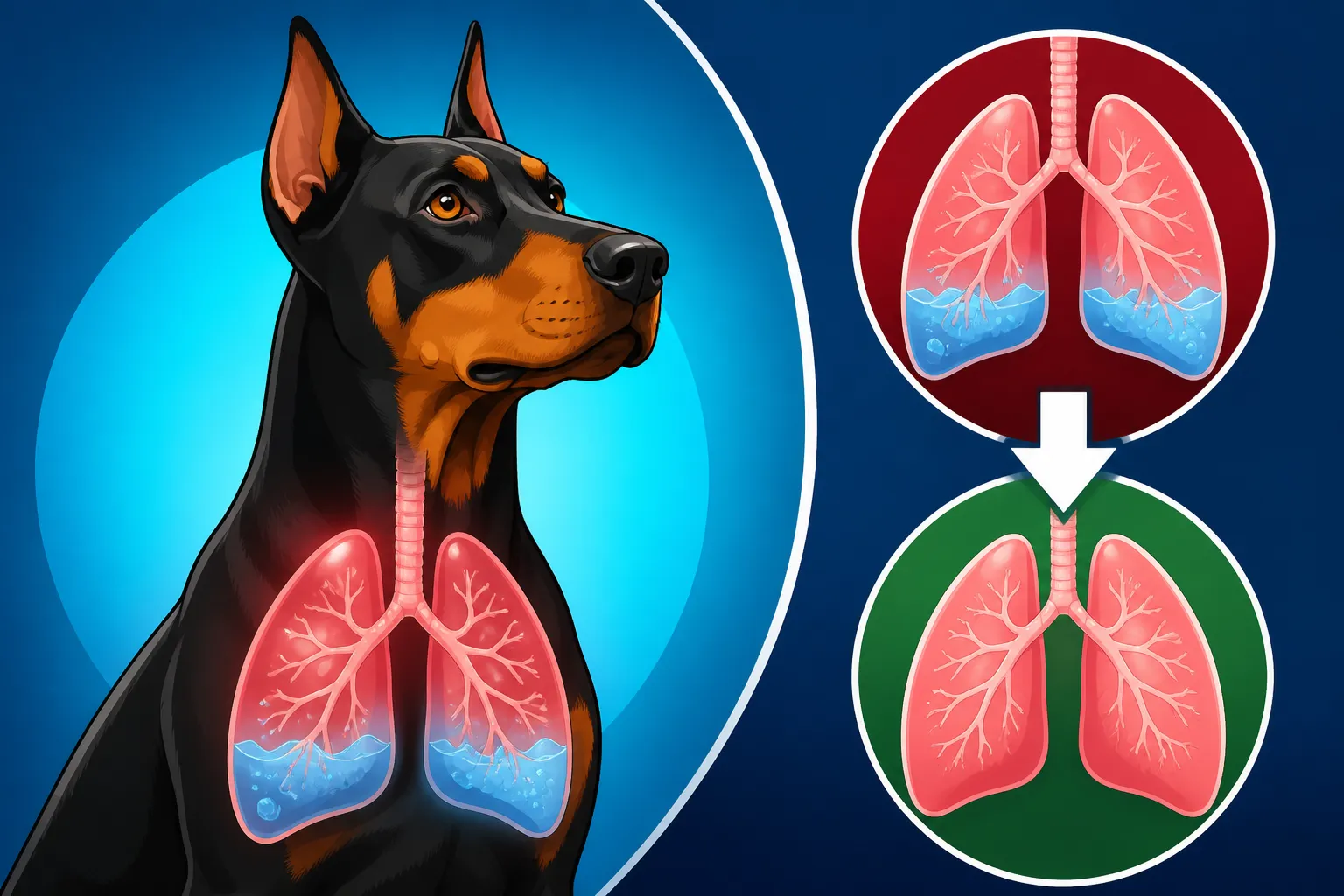
Fluid on a Doberman’s Lungs and How It Is Cleared
One of the most terrifying things a Doberman owner can face is seeing their beloved dog struggle to breathe, panting heavily, maybe even coughing, and knowing deep down something is terribly wrong with their lungs. It's a gut-wrenching experience that often signals a serious underlying health issue. This guide is here to help you understand why fluid accumulates on a Doberman's lungs, how to recognize the signs, and, crucially, what steps veterinarians take to clear it and manage this frightening condition.
Understanding Fluid on a Doberman's Lungs Pulmonary Edema
When we talk about "fluid on a Doberman's lungs," veterinarians usually refer to a condition called pulmonary edema. This isn't just a bit of moisture; it's a significant accumulation of fluid within the lung tissue itself and sometimes in the airways, making it incredibly difficult for your Doberman to breathe effectively. It's akin to trying to breathe through a wet sponge. The air sacs (alveoli) in the lungs, where oxygen normally passes into the bloodstream, become filled with fluid, impeding this vital exchange. The consequence? Your Doberman can't get enough oxygen, and the body rapidly starts to suffer. This isn't a standalone disease; it's almost always a symptom of another, more severe problem.
Why Dobermans Are Prone to Lung Fluid Buildup
Sadly, for Dobermans, fluid on the lungs is most often a direct and devastating consequence of dilated cardiomyopathy, or DCM. This is The Heart Disease That Reaches Most Dobermans, a condition where the heart muscle becomes thin and weak, losing its ability to pump blood efficiently. Imagine your Doberman's heart as a powerful pump; with DCM, that pump starts to falter, and it can't move blood forward through the body with the necessary force.
When the left side of the heart, specifically the left ventricle, weakens, it struggles to pump blood out to the rest of the body. This causes blood to back up into the left atrium and then further back into the pulmonary veins, which carry oxygenated blood from the lungs to the heart. This increased pressure in the pulmonary veins forces fluid to leak out of the tiny blood vessels and into the surrounding lung tissue. It's a classic example of a traffic jam: if the exit ramp (the left ventricle) is blocked, traffic (blood and fluid) backs up into the highway (the lungs). This is Why a Doberman Heart Fails Before Anyone Notices – the heart can be struggling for a long time before these severe symptoms appear.
While DCM is the overwhelmingly common cause in Dobermans, it’s worth noting that other less frequent issues could potentially lead to pulmonary edema. These might include severe lung infections like pneumonia, acute respiratory distress syndrome (ARDS), or even certain types of toxins or allergic reactions, though these are far less common in Dobermans than heart failure. However, when you see a Doberman suddenly gasping for air, the very first thing any experienced veterinarian will think of is their heart.
Recognizing the Alarming Signs of Lung Fluid
Recognizing the signs of pulmonary edema early can be life-saving, though the condition often progresses rapidly. It's critical to understand that these signs constitute a medical emergency requiring immediate veterinary attention. You are not just dealing with a simple cough; you are dealing with a dog that is literally drowning from the inside out.
Here are the alarming signs to look out for:
- Persistent Coughing, Especially at Rest: This isn't a casual "throat clearing." It's often a soft, moist cough, sometimes described as a "wet" or gurgling sound. It might be worse at night or when your Doberman is lying down, as fluid shifts. You might initially mistake it for a kennel cough or something minor, but when it's persistent and accompanied by other symptoms, it's a huge red flag.
- Labored or Difficulty Breathing (Dyspnea): This is perhaps the most obvious and frightening sign. Your Doberman will appear to be working hard to breathe, taking shallow, rapid breaths. Their chest and abdomen might move excessively, and you might see their nostrils flaring. They might extend their neck and head forward, trying to open their airway as much as possible. This is often observed as Coughing and Breathlessness in a Doberman.
- Rapid Breathing (Tachypnea): Even at rest, your Doberman's breathing rate will be significantly elevated. A normal resting respiratory rate for a dog is typically between 15-30 breaths per minute. If you notice your Doberman taking 40, 50, or even more breaths per minute while calm, it's a serious concern.
- Restlessness or Anxiety: A dog struggling to breathe will be uncomfortable and often visibly anxious. They might pace, try to find a comfortable position that doesn't exist, or even seem panicky.
- Weakness and Lethargy: The lack of oxygen will quickly cause your Doberman to become weak, tired, and reluctant to move. They might collapse during exercise or even a short walk, which is often mistakenly attributed to just being "out of shape" or "getting old." However, A Doberman That Faints on a Walk is a clear sign of a struggling heart.
- Pale or Bluish Gums (Cyanosis): This is a critical sign indicating severe oxygen deprivation. The mucous membranes, particularly the gums, will lose their healthy pink color and appear pale, greyish, or even distinctly blue. This is an immediate sign that your Doberman needs emergency care.
- Foaming at the Mouth or Nose: In severe cases, the fluid in the lungs can mix with air and create a pink, frothy discharge from the mouth or nose. This is a very advanced and extremely dangerous symptom.
- Collapse: Ultimately, if the pulmonary edema is severe enough and left untreated, your Doberman may collapse due to lack of oxygen. This is a life-threatening event.
If you observe any of these symptoms, especially a combination of them, do not wait. Get your Doberman to the nearest emergency veterinary clinic immediately. Every minute counts.
Diagnosing and Initial Emergency Treatment
When you rush your Doberman to the emergency vet with signs of respiratory distress, the team understands the gravity of the situation. They will move quickly because they know that with conditions like pulmonary edema, time is literally tissue—or in this case, lung function and life. The goal is to stabilize your Doberman first, then pinpoint the exact cause to implement long-term treatment.
The Vet Visit What to Expect
Upon arrival at the emergency clinic, the veterinary staff will prioritize getting your Doberman into oxygen and assessing their immediate needs. It’s a chaotic and stressful moment for owners, but rest assured, they are working with urgency and precision.
Here’s what you can generally expect:
- Initial Assessment and Oxygen Therapy: The first priority will be to get your Doberman stabilized. They'll likely be placed in an oxygen cage or have oxygen delivered via a nasal cannula to help them breathe more easily while diagnostics are performed. This immediate support can make a huge difference in their comfort and chances of survival.
- Physical Examination: Even with the urgency, a quick but thorough physical exam is crucial. The vet will listen to your Doberman's chest with a stethoscope. With pulmonary edema, they'll often hear characteristic crackling or gurgling sounds, particularly at the bottom of the lungs, as the fluid moves and makes noises. They'll also check heart rate, pulse quality, mucous membrane color, and capillary refill time.
- Chest X-rays (Radiographs): This is often the most definitive diagnostic tool for confirming pulmonary edema. X-rays allow the veterinarian to visually see the fluid accumulation in the lung fields. They can assess the pattern of the fluid (e.g., concentrated around the heart, or diffuse), which can provide clues about the underlying cause. In heart failure cases, they might also see an enlarged heart silhouette. The X-ray confirms the presence of fluid, but doesn't always tell you why it's there.
- Echocardiogram (Cardiac Ultrasound): Once your Doberman is stable, an echocardiogram is essential, especially given the breed's predisposition to DCM. This non-invasive ultrasound of the heart allows a veterinary cardiologist or a trained general practitioner to visualize the heart's chambers, valves, and muscle movement in real-time. They can directly see if the heart muscle is weak and dilated, which would confirm DCM as the cause of the heart failure and thus the pulmonary edema. This provides crucial information on What a Doberman Echo Actually Measures and is far more informative than an X-ray alone for cardiac assessment.
- Blood Tests:
- ProBNP: A blood test measuring N-terminal pro-B-type natriuretic peptide (NT-proBNP) can be incredibly helpful. This hormone is released when the heart muscle stretches or is under stress. Elevated levels strongly suggest heart disease is present and often indicate heart failure. It's a fantastic tool that can The Blood Test That Flags a Doberman Heart and give the vet a quick indication if heart failure is indeed the culprit.
- Basic Bloodwork: General blood tests like a complete blood count (CBC) and biochemistry panel might also be run to check overall organ function, rule out other causes of respiratory distress (like severe anemia or infection), and assess if any other body systems are being affected by the decreased oxygenation or potential medications.
The combination of clinical signs, chest X-rays, and an echocardiogram will give your veterinary team the full picture needed to confirm the diagnosis and determine the best course of action.
Immediate Steps to Stabilize Your Doberman
Once pulmonary edema is confirmed, the veterinary team will immediately initiate treatment aimed at clearing the fluid from the lungs and supporting heart function. This is critical for stabilization and can dramatically improve your Doberman's chances.
- Oxygen Support: As mentioned, maintaining oxygenation is paramount. Your Doberman will remain in an oxygen-rich environment to help compensate for the lungs' reduced ability to absorb oxygen. This is vital to prevent further damage to organs and to make breathing less strenuous.
- Diuretics (Water Pills): This is the cornerstone of emergency treatment for pulmonary edema. Furosemide (often called Lasix) is the most commonly used diuretic. It works by increasing urine production, which helps remove excess fluid from the body, including the fluid accumulated in the lungs. It’s often administered intravenously for rapid effect, and doses can be quite high initially to get the fluid under control. The goal is to aggressively diurese your Doberman, essentially helping them pee out the lung fluid.
- Cardiac Medications (if heart failure is confirmed): If DCM is the cause, specific cardiac medications will be administered to help the heart function better.
- Pimobendan (Vetmedin): This drug is a positive inotrope and a vasodilator. It helps the heart muscle contract more forcefully and dilates blood vessels, reducing the workload on the struggling heart. It helps the heart pump more efficiently, which in turn reduces the back pressure leading to fluid accumulation. Pimobendan Before a Doberman Shows Signs is increasingly recognized for its benefits.
- ACE Inhibitors (e.g., Enalapril, Benazepril): These medications help relax blood vessels, reducing the pressure the heart has to pump against. This also helps reduce fluid retention.
- Sedation (if necessary): Sometimes, a Doberman in severe respiratory distress can be extremely anxious, which only makes breathing harder. A mild sedative might be used to calm them down, allowing them to breathe more easily and conserving their energy.
- Hospitalization and Monitoring: Your Doberman will need intensive care and monitoring, often for several days, especially after a severe episode. This includes continuous oxygen, regular administration of diuretics, monitoring of breathing rate, heart rate, blood pressure, and urine output. They'll also be closely watched for any side effects of the medications or changes in their condition. This period of hospitalization can involve significant Emergency Vet Fees for a Collapsing Doberman.
The initial emergency treatment aims to pull your Doberman back from the brink. Once stable, the focus shifts to long-term management to prevent future episodes and improve their quality of life.
Long-Term Management and Clearing Remaining Fluid
After the immediate crisis of fluid on your Doberman's lungs has passed, the real work of managing the underlying heart disease begins. This is not a one-time fix; it’s an ongoing commitment to medication, careful monitoring, and lifestyle adjustments to keep your Doberman as comfortable and healthy as possible. The goal is to prevent future episodes of pulmonary edema by supporting their heart and keeping excess fluid at bay.
Medications to Keep the Lungs Clear
For Dobermans diagnosed with heart failure, specifically DCM, the long-term management strategy relies heavily on a cocktail of medications designed to reduce the heart's workload, improve its pumping ability, and continuously clear excess fluid from the body. These medications are typically prescribed for the remainder of your Doberman's life.
- Diuretics (e.g., Furosemide): While initially used at high doses during an emergency, diuretics like Furosemide will likely become a regular part of your Doberman’s daily medication regimen. The dosage will be adjusted by your veterinarian based on your Doberman’s response, weight, and kidney function. It's crucial to give these exactly as prescribed. Skipping doses can quickly lead to fluid re-accumulation. Your vet will often recommend monitoring your Doberman's resting respiratory rate at home, as an increase can be an early warning sign that the diuretic dose needs adjusting.
- Pimobendan: This medication remains a cornerstone of heart failure management. By improving the heart's contractility and dilating blood vessels, Pimobendan helps the heart pump more efficiently, reducing the pressure that causes fluid to leak into the lungs. It significantly improves quality of life and can extend the time a Doberman lives after a DCM diagnosis. It's truly a "hero drug" for these dogs.
- ACE Inhibitors: Drugs like Enalapril or Benazepril continue to be vital. They block the body's renin-angiotensin-aldosterone system (RAAS), which, when overactivated in heart failure, causes blood vessel constriction and fluid retention. By inhibiting this system, ACE inhibitors help relax blood vessels, lower blood pressure, and reduce fluid buildup, thereby taking stress off the heart and lungs.
- Spironolactone: This is another type of diuretic, but it’s potassium-sparing, meaning it doesn't deplete potassium from the body as much as Furosemide. It often works synergistically with Furosemide and ACE inhibitors to combat fluid retention more effectively, particularly in advanced cases of heart failure.
- Antiarrhythmics: If your Doberman also has significant arrhythmias (irregular heartbeats), which are common with DCM, your cardiologist may prescribe antiarrhythmic drugs like Sotalol or Mexiletine. These help stabilize the heart's electrical activity, reducing the risk of sudden cardiac death and potentially improving the heart's overall efficiency. This is a critical aspect, as often, The Age Doberman Heart Disease Usually Starts with subtle arrhythmias.
It's a delicate balance, and your Doberman will require regular check-ups, potentially Annual Echo and Holter Screening for a Doberman, and blood tests to monitor kidney function, electrolyte levels, and ensure the medication regimen is optimized. The goal is to find the lowest effective doses to control symptoms while minimizing side effects.
Supportive Care at Home for a Doberman with Lung Fluid Issues
Medical management is only one part of the equation. Your role as a Doberman owner in providing supportive home care is equally critical for their comfort and longevity. This requires vigilance, consistency, and a deep understanding of their condition.
- Dietary Adjustments (Low Sodium): A low-sodium diet is often recommended for Dobermans with heart failure. Just like in humans, excess sodium can lead to fluid retention, placing more strain on the heart and exacerbating pulmonary edema. Your vet may recommend a prescription cardiac diet (e.g., from brands like Hill's Prescription Diet or Royal Canin Veterinary Diet) or advise you on how to prepare a low-sodium homemade diet. It’s also important to limit high-sodium treats and table scraps.
- Monitoring Resting Respiratory Rate (RRR): This is one of the most important things you can do at home. When your Doberman is calm and resting or asleep, count their breaths per minute. A normal rate is usually less than 30 breaths per minute. Keep a log. If you notice a consistent increase (e.g., above 30, or a gradual upward trend over days), it can be an early indicator of fluid buildup in the lungs and warrants a call to your vet for potential medication adjustment.
- Restricted Exercise: While moderate exercise might be fine for Dobermans in the occult (pre-symptomatic) phase of DCM, those with active heart failure and a history of pulmonary edema will need carefully managed exercise. Strenuous activity can quickly overwhelm a weakened heart and lead to a relapse of lung fluid. Your vet will advise on appropriate activity levels, which may involve shorter, calmer walks and avoiding intense play.
- Stress Reduction: Stress can elevate heart rate and blood pressure, putting more strain on the heart. Maintaining a calm, predictable environment for your Doberman is beneficial.
- Weight Management: Keeping your Doberman at a healthy, lean weight reduces the overall workload on their heart.
- Environmental Comfort: Ensure your Doberman has a comfortable, cool, and well-ventilated resting area. Avoid extreme temperatures.
- Strict Medication Compliance: This cannot be stressed enough. Missing doses or altering the schedule without vet consultation can have dire consequences. Set reminders, use pill organizers, and always have refills ready.
- Regular Veterinary Check-ups: Even if your Doberman seems stable, regular follow-up appointments are essential. Your vet will want to perform physical exams, listen to the heart and lungs, and potentially recommend blood tests to monitor kidney function and electrolytes, especially with diuretic use. These are crucial to assess the effectiveness of the current treatment plan and make necessary adjustments.
Managing a Doberman with a history of pulmonary edema can be financially challenging due to the ongoing medication, specialist visits, and potential emergency care. This is where pet insurance, like a policy from Healthy Paws, can be an absolute lifeline. Many Doberman owners find significant peace of mind knowing that a substantial portion of these recurring and unexpected veterinary bills can be covered, especially if they enrolled their Doberman before any heart conditions were diagnosed. Being prepared for these costs, and having a plan, can make a huge difference in your ability to provide the best possible care.
Prognosis and Living with a Doberman in Heart Failure
Hearing that your Doberman has heart failure and has experienced pulmonary edema is devastating. It means facing a difficult reality, but it doesn't mean the end of their story. With dedicated care, medication, and a good understanding of the prognosis, many Dobermans can still enjoy a period of good quality of life. The journey will have its ups and downs, but focusing on comfort and love remains paramount.
What to Expect After an Episode
After a Doberman experiences pulmonary edema and is stabilized, the immediate crisis might be over, but the underlying heart disease remains. This is usually DCM in a symptomatic stage, meaning the heart is significantly compromised.
- Ongoing Medication: As discussed, a daily regimen of cardiac medications and diuretics will be necessary for the rest of your Doberman's life. This is not a cure, but a management strategy. The goal is to keep the heart functioning as best as possible and to prevent fluid from accumulating again.
- Potential for Recurrence: Despite the best efforts, heart failure is a progressive disease. There is always a risk that pulmonary edema could recur, especially if medication dosages need adjustment, if there's a significant stressor, or as the disease naturally advances. This is why vigilant home monitoring of their breathing rate is so important.
- Quality of Life Focus: The primary goal shifts from curing the disease to maximizing your Doberman’s quality of life. This means ensuring they are comfortable, pain-free, can breathe easily, and can enjoy their daily activities within their new limitations. You might find yourself adjusting expectations—longer walks might be replaced with shorter, more frequent strolls, and intense play might become gentler enrichment activities.
- Life Expectancy: It’s difficult to give an exact timeframe, as every Doberman responds differently to treatment. However, once a Doberman has progressed to symptomatic heart failure (meaning they've had an episode of pulmonary edema), the prognosis is unfortunately guarded. Many Dobermans in this stage might live for several months to a year or two with aggressive management, but it varies widely. The initial episode of pulmonary edema often marks a significant turning point in the disease's progression, moving beyond Medication for a Doberman in the Occult Phase to more critical management. Knowing How Long a Doberman Lives After a DCM Diagnosis can help you cherish every moment.
This period is about being proactive with their care, staying in close communication with your vet, and being prepared for the emotional challenges.
Proactive Measures and Prevention
While this guide focuses on clearing fluid after the fact, the best offense is a good defense. For Doberman owners, proactive measures are paramount, especially given the breed’s high predisposition to DCM.
- Regular Cardiac Screening: If you own a Doberman, regular cardiac screening should be a non-negotiable part of their health routine. This includes annual echocardiograms and 24-hour Holter monitoring. These tests can often detect DCM in its early, "occult" phase (before symptoms like fluid on the lungs develop), allowing for early intervention. For example, starting Pimobendan in the occult phase for Dobermans with DCM has been shown to delay the onset of clinical signs and extend their lifespan. This early screening is especially important as The Silent Years Before a Doberman's Heart Shows can pass without any outward signs.
- Genetic Testing: There are currently two main genetic tests available for Doberman DCM (DCM1 and DCM2). While these tests don't tell the whole story (a Doberman can test clear and still develop DCM, and not all dogs with positive markers will develop the disease), they can provide valuable information about your Doberman’s risk profile. Understanding these risks can inform your decisions on breeding and diligent screening. To learn more, check out The Two Doberman DCM Gene Tests.
- Choosing a Reputable Breeder: When looking for a Doberman puppy, selecting a breeder who is transparent about their dogs' health, actively performs cardiac screening on their breeding stock (including echocardiograms and Holter monitors), and can provide verifiable health certificates is crucial. A responsible breeder works hard to minimize the incidence of genetic diseases in their lines.
- Maintaining Overall Health: A balanced diet, appropriate exercise (not over-exertion, but regular activity), and maintaining a healthy weight contribute to overall cardiovascular health. While they can't prevent DCM in a genetically predisposed dog, they can support general well-being.
- Pet Insurance: As mentioned, pet insurance, particularly with a company known for covering chronic conditions like Healthy Paws, is a wise investment for Doberman owners. If you enroll your Doberman when they are young and healthy, it can provide invaluable financial support for the lifelong management of conditions like DCM and the emergency treatments for pulmonary edema. This can help alleviate the stress of making medical decisions based on cost during an already overwhelming time. Planning ahead for potential health issues is a hallmark of responsible Doberman ownership.
- Know Your Breed: Understanding the specific health challenges Dobermans face empowers you to be a more informed advocate for your dog's health. You'll recognize symptoms faster and know when to seek specialist care, such as from a board-certified veterinary cardiologist.
Living with a Doberman with heart failure and a history of pulmonary edema is a journey that demands patience, dedication, and immense love. While it can be emotionally taxing, seeing your Doberman comfortable and enjoying their life is the greatest reward for your commitment.
Disclaimer
This article is for general informational purposes only and does not constitute professional advice. Laws, prices and regulations vary by location and change over time. Consult a qualified professional for guidance on your specific situation.