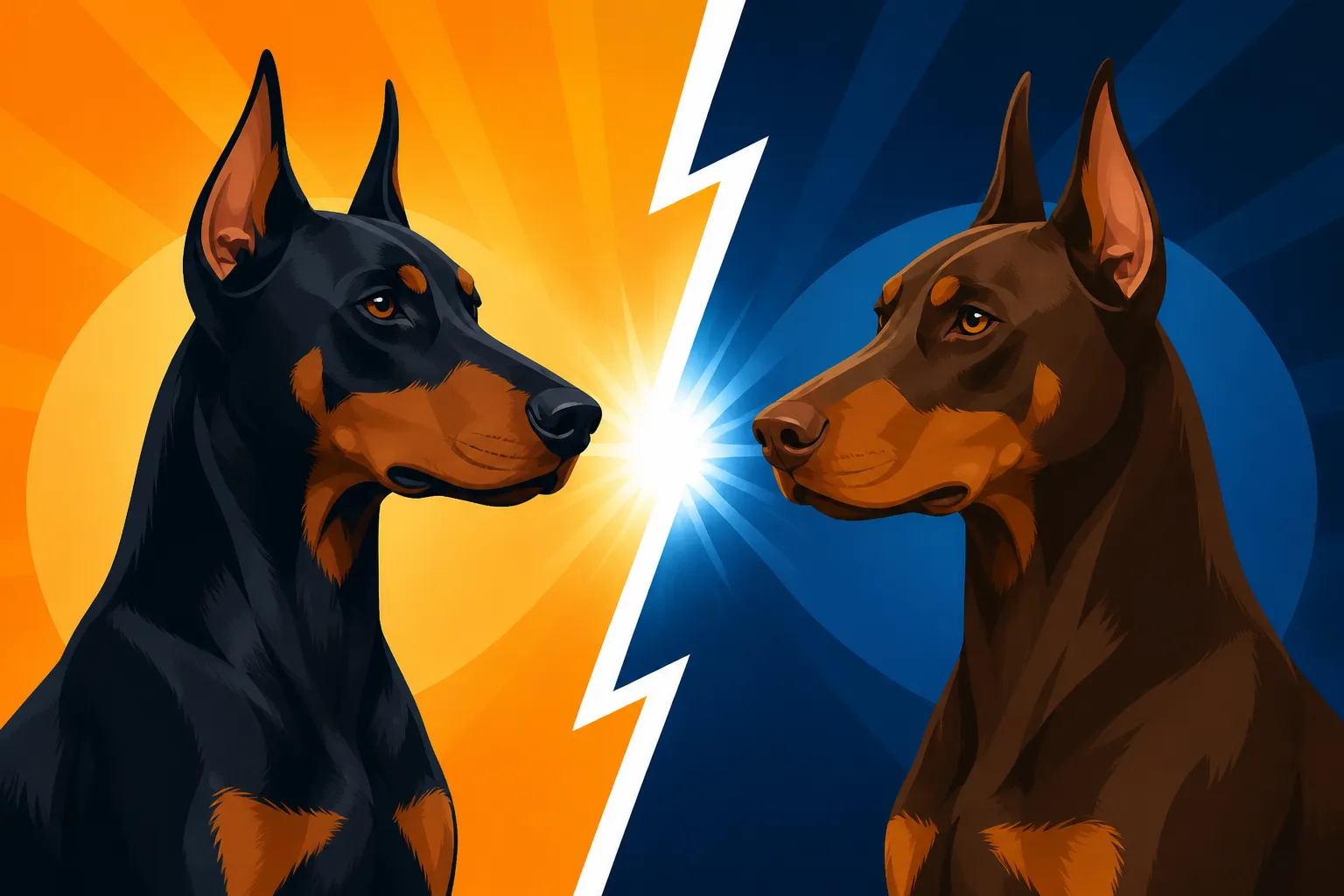
Whether Two Doberman Variants Stack Up
It's heartbreaking to hear about Dobermans succumbing to heart disease, especially when they seem perfectly healthy one day and are gone the next. Many Doberman owners agonize over genetic test results, particularly when their beloved dog tests positive for not one, but two variants linked to Dilated Cardiomyopathy (DCM). This guide will help you understand what those results truly mean, how the DCM1 and DCM2 gene variants interact, and what steps you can take to manage your Doberman's health.
Understanding Dilated Cardiomyopathy in Dobermans
Dilated Cardiomyopathy, or DCM, is a truly devastating disease that plagues our beloved Dobermans. It's the most common cause of death for the breed, often striking them down in their prime. Unlike some illnesses that give clear warnings, DCM frequently progresses silently for years, making it incredibly difficult for owners to spot until the disease has advanced significantly. This insidious nature is why many Doberman owners feel a constant knot of anxiety, wondering if their otherwise healthy companion is silently battling a ticking time bomb.
What DCM Means for Your Doberman's Heart
At its core, DCM is a condition where the heart's chambers, particularly the left ventricle, become enlarged and weakened. Imagine a balloon that's been stretched too many times; it loses its elasticity and can't push air out effectively. Similarly, a Doberman's heart, when affected by DCM, struggles to pump blood efficiently to the rest of the body. This inefficiency leads to a host of problems, from fluid buildup in the lungs (congestive heart failure) to irregular heart rhythms that can cause sudden collapse or even death. It’s a progressive disease, meaning it generally gets worse over time, slowly robbing your dog of their vitality. This is why understanding Why a Doberman Heart Fails Before Anyone Notices is so crucial for every owner.
The Silent Phase: A Hidden Battle
One of the most frustrating and terrifying aspects of Doberman DCM is its "occult" or hidden phase. During this period, which can last for several years, a Doberman’s heart is undergoing degenerative changes, but they show absolutely no outward symptoms. Your dog might be zooming around the yard, playing fetch, and seemingly enjoying life to the fullest, all while their heart muscle is slowly deteriorating. This silent progression makes early detection incredibly challenging without specific diagnostic tools like echocardiograms and Holter monitors. It's during this time that many owners are left in the dark, desperately wishing they had a crystal ball to see what's happening internally. You might notice your Doberman getting winded a little faster than before, or perhaps a slight cough, but these subtle signs are easily dismissed as aging or a minor respiratory issue. This is why we often talk about The Silent Years Before a Doberman's Heart Shows.
The Known Genetic Culprits: DCM1 and DCM2
When we talk about Doberman DCM, we're not just talking about one disease, but a complex condition influenced by multiple genetic factors. Thanks to advances in veterinary genetics, researchers have identified specific gene variants that contribute significantly to a Doberman's risk. These are often referred to as DCM1 and DCM2. Understanding each one individually is the first step toward understanding their combined impact.
The DCM1 PDC Gene Deletion
The DCM1 gene variant, often referred to as the PDC deletion, was one of the first genetic markers identified for Doberman DCM. This particular variant is a deletion within the pyruvate dehydrogenase kinase 4 (PDK4) gene. While the science behind it is complex, essentially, this gene plays a role in how the heart muscle cells produce energy. When this deletion is present, it can disrupt that energy production, potentially weakening the heart over time.
For a Doberman, being positive for the DCM1 variant doesn't mean they are guaranteed to develop DCM, but it significantly increases their risk. It's more of a susceptibility gene. Think of it like a predisposition – if you have a family history of a certain illness, your risk is higher, but good lifestyle choices might still help you avoid it. Similarly, for a Doberman, a positive DCM1 result indicates a higher chance of developing the disease, often earlier in life. Many owners are keen to know What the Doberman DCM1 Deletion Does and How Likely a DCM1 Positive Doberman Is to Fall Ill. It’s a piece of the puzzle, but not the entire picture.
The DCM2 Titin Variant
More recently, researchers identified another significant genetic variant linked to Doberman DCM: the DCM2 variant, which is associated with the Titin (TTN) gene. The Titin protein is absolutely vital for the structural integrity and function of muscle cells, including those in the heart. It acts like a giant spring, helping the muscle contract and relax properly. Mutations or variants in the Titin gene can lead to structural abnormalities in the heart muscle, making it less effective at pumping blood.
The DCM2 variant is often considered to have a more direct and potent link to the development of DCM compared to DCM1. While DCM1 might contribute to metabolic issues in the heart, DCM2 directly impacts the heart's physical structure. A Doberman testing positive for the DCM2 variant faces a substantial increase in risk, and studies suggest it can be a strong predictor for developing the disease. This is why understanding What the Doberman DCM2 Variant Changes is critical for Doberman owners and breeders alike. These genetic tests, performed by labs like Embark or Canine HealthCheck, offer valuable insights into a dog's potential health trajectory.
The Stacking Effect: When Two Variants Combine
Now, this is where the real concern often sets in for Doberman owners. It's one thing to hear your dog has one genetic variant for DCM, but when the report comes back with two – DCM1 and DCM2 – it can feel like a punch to the gut. The question immediately arises: do these variants "stack up"? Do they multiply the risk, or is it simply an additive effect? The consensus among veterinary cardiologists and geneticists is that, yes, these variants can indeed stack up, leading to a significantly higher and often earlier risk of developing Dilated Cardiomyopathy.
Increased Risk for Disease Development
When a Doberman inherits both the DCM1 and DCM2 gene variants, it generally means their predisposition to developing DCM is considerably heightened. Each variant individually contributes to the disease process, albeit through different mechanisms – one affecting energy metabolism and the other affecting structural integrity. When both are present, it's like having two different weaknesses in the same system, making the overall structure much more fragile. The heart is under a double assault, so to speak.
Imagine building a house with both a faulty foundation (DCM2) and an unreliable electrical system (DCM1). While either issue alone could cause problems, having both drastically increases the likelihood of a major failure and could lead to issues much sooner. For Dobermans, this translates to a greater probability of developing clinical signs of DCM, potentially at a younger age, and often with a more aggressive disease progression. This is a primary reason why many breeders are now routinely testing for The Two Doberman DCM Gene Tests. For owners with a Doberman positive for both variants, vigilance and proactive screening become even more paramount.
Age of Onset and Disease Severity
The stacking of DCM1 and DCM2 variants not only increases the likelihood of a Doberman developing DCM but also influences the age at which the disease might manifest and its overall severity. While Doberman DCM typically presents in middle to older age (around 4-7 years), dogs with both variants may start showing signs earlier. It's not uncommon for a Doberman with both variants to enter the occult phase, or even develop overt heart failure, at a younger age than dogs with only one or no variants.
This accelerated timeline means less time for silent progression and potentially a more rapid decline once symptoms do appear. The heart, already compromised by two different genetic predispositions, may simply give out faster. This increased severity and earlier onset can be incredibly distressing for owners who hoped for more time with their cherished companions. This is precisely why it's so important to understand The Doberman Years When Everything Shows Up and prepare accordingly. While it’s not a death sentence, it’s a strong warning that requires immediate attention and a comprehensive health plan.
Navigating Genetic Test Results and Future Management
Receiving genetic test results that indicate your Doberman carries one or both DCM variants can be overwhelming. It's natural to feel a mix of fear, sadness, and even anger. However, these results, while serious, are also powerful tools. They provide invaluable information that allows you to be proactive in your Doberman's health management, potentially extending their quality of life.
Interpreting Your Doberman's Gene Test Results
First and foremost, it's crucial to understand that a positive genetic test for DCM1, DCM2, or both, is not a diagnosis of DCM itself. It’s an indication of risk. Your Doberman might carry these variants and never develop clinical signs of DCM, though the chances are significantly lower if both variants are present. Conversely, some Dobermans develop DCM even if they test clear for these known variants, highlighting the complex nature of the disease and the existence of other, as yet undiscovered, genetic factors. This is why the question of A Doberman That Tests Clear and Still Gets DCM comes up so often.
When you get your results, sit down with your veterinarian, and ideally, a board-certified veterinary cardiologist. They can help you understand the nuances of the report, explain the current scientific understanding of each variant, and discuss what it means specifically for your dog given their age, lineage, and current health status. Don't be afraid to ask every question you have; this is your dog's future, and you deserve clarity.
Proactive Screening and Monitoring
For Dobermans with one or both DCM variants, proactive and consistent cardiac screening is absolutely non-negotiable. This means regular echocardiograms (heart ultrasounds) and Holter monitoring (a 24-hour ECG). The recommended age to start screening can vary, but typically, annual screening begins around 2-3 years of age for Dobermans at high risk. For those with both variants, starting even earlier might be advised by your cardiologist.
An echocardiogram allows the cardiologist to visualize the heart's structure and function, looking for early signs of chamber enlargement or reduced pumping ability. A Holter monitor, on the other hand, detects abnormal heart rhythms (arrhythmias) that often precede structural changes or overt symptoms. These screenings are the best tools we have for catching DCM in its occult phase, giving you the critical window to start medical management before your Doberman becomes symptomatic. Many owners find value in Annual Echo and Holter Screening for a Doberman. Insurance providers like Healthy Paws often cover these diagnostic tests, which can be a huge relief given the potential costs.
Management Strategies and Medications
If screening detects early signs of DCM, even if your Doberman isn't showing symptoms, your cardiologist might recommend starting medications. Drugs like Pimobendan have shown promising results in delaying the onset of clinical signs and extending life expectancy in Dobermans in the occult phase. This is a game-changer, as early intervention can significantly impact the disease's progression. Understanding Pimobendan Before a Doberman Shows Signs can give you hope and a plan.
Beyond medication, lifestyle adjustments might be recommended, such as a low-sodium diet, especially as the disease progresses. Regular, moderate exercise is generally good, but intense exertion might be curtailed depending on the stage of the disease. Your vet might also suggest supplements like taurine and carnitine, though their efficacy in Doberman DCM is still debated and should always be discussed with your cardiologist. These comprehensive strategies aim to support heart function and maintain your Doberman's quality of life for as long as possible. The financial aspect of ongoing care is definitely a consideration, and having pet insurance from a company like Healthy Paws can help cover a significant portion of these lifelong medication and specialist visit costs.
Considering Breeding and Future Generations
For Doberman owners who are also breeders, understanding the implications of DCM1 and DCM2 variants is not just about individual dog care, but about the future of the breed. Making informed decisions regarding breeding can help reduce the prevalence of this devastating disease in future generations. This is a heavy responsibility, but one that dedicated breeders take very seriously.
Responsible Breeding Practices
If a Doberman tests positive for one or both DCM variants, particularly DCM2, it presents a significant ethical dilemma for breeders. Breeding dogs that carry these known high-risk variants can perpetuate the problem, increasing the likelihood that puppies will inherit the predisposition. Responsible breeders strive to produce the healthiest dogs possible, which means carefully selecting breeding pairs based on extensive health testing, including genetic panels and regular cardiac screenings.
While a Doberman carrying only DCM1 might be considered for breeding if paired with a completely clear mate, the general recommendation for dogs positive for DCM2, or both DCM1 and DCM2, is to remove them from breeding programs. This can be a hard decision, especially if the dog possesses other desirable traits, but it's a crucial step in trying to improve the breed's health. The goal is always to reduce the overall genetic load of these detrimental variants. Questions like Whether a Carrier Doberman Should Be Bred are central to ethical breeding discussions.
The Role of Genetic Testing in Breeding
Genetic testing for DCM1 and DCM2 has become an indispensable tool for responsible Doberman breeders. It provides objective data that, combined with regular echocardiograms and Holter monitors, helps paint a clearer picture of a dog's cardiac health and genetic risk. Breeders who truly care about the longevity and health of their lines will openly share these test results with prospective puppy buyers, demonstrating their commitment to transparency and responsible practices.
Potential puppy owners should always ask to see the genetic test results for both parents, alongside current cardiac clearances. This due diligence ensures you're getting a puppy from parents who have been screened, reducing your own future heartache. While genetic tests don't guarantee a DCM-free life, they are a powerful step in the right direction. Remember, a comprehensive approach including genetic testing and regular cardiac evaluations gives the best chance for healthy Dobermans. You can also explore Which Labs Run Doberman Heart Gene Tests to understand the available options.
Disclaimer
The information provided in this article is for educational purposes only and is not intended to be a substitute for professional veterinary advice, diagnosis, or treatment. Always seek the advice of your veterinarian or other qualified animal health provider with any questions you may have regarding a medical condition.