How Many Dobermans Carry the Bleeding Gene
It’s a deeply unsettling feeling to discover your beloved Doberman might carry a hidden health risk, especially one that could manifest in an emergency situation. Many Doberman owners live with the quiet anxiety of their dog being susceptible to certain genetic conditions, and among the most prevalent and concerning is Von Willebrand Disease (vWD), a bleeding disorder. This guide will delve into just how common this gene is within the Doberman breed, what it means for your dog, and how to manage the risks.
Understanding Von Willebrand Disease Type I in Dobermans
Von Willebrand Disease is a hereditary bleeding disorder that impacts the blood's ability to clot properly. In Dobermans, the most common form is Von Willebrand Disease Type I (vWD Type I). To put it simply, your Doberman's blood contains a specific protein called von Willebrand factor (vWF), which is essential for platelets to stick together and form a plug at the site of an injury. When there isn't enough functional vWF, or if the vWF doesn't work correctly, even a small cut can lead to excessive or prolonged bleeding. This isn't just about surface wounds; internal bleeding can also be a silent danger.
The genetic inheritance of vWD Type I in Dobermans is often misunderstood. Unlike some recessive conditions where a "carrier" is just that – a carrier with no symptoms – vWD Type I in Dobermans is inherited as an autosomal dominant trait with incomplete penetrance. What does that mouthful mean for you? It means that a Doberman only needs to inherit one copy of the mutated gene from a parent to be considered genetically affected. However, "incomplete penetrance" means that not every genetically affected dog will show severe clinical signs of bleeding. Some might have mild, almost unnoticeable issues, while others could face life-threatening hemorrhages. This variability is what makes it so tricky and, frankly, scary for owners. You might have a dog with the gene who never has a serious problem, or one who experiences a crisis out of the blue. It’s this unpredictable nature that makes knowing your dog's status so crucial. The good news is that we have reliable tools, like the DNA test for this specific disorder, to help us identify at-risk Dobermans. If you’re considering testing, you’ll want to understand The Von Willebrand DNA Test for Dobermans thoroughly.
How Von Willebrand Factor Works
Imagine your dog's blood vessels are like tiny pipes. When one gets a leak (a cut or injury), your body has a magnificent emergency repair crew. First responders are the platelets, which rush to the scene. But these platelets need a special kind of glue to stick to the damaged vessel wall and to each other to form a temporary patch. That glue is the von Willebrand factor.
In a Doberman with vWD Type I, there isn't enough of this essential glue. So, while the platelets might show up, they can't adhere properly, and that initial plug doesn't form effectively. This delays the entire clotting cascade, leading to longer bleeding times. This isn't a problem with the platelets themselves or the deeper clotting factors; it's specifically about the crucial first step of forming that primary clot. This defect means that even minor trauma, like a rough play session that causes a small tear in the gums, or a routine nail trim that nicks the quick, can result in bleeding that just doesn't want to stop. For a Doberman that thrives on activity and can sometimes be a bit clumsy in their enthusiasm, this can be a constant worry.
The Genetic Mechanism Behind Doberman vWD
The gene responsible for producing von Willebrand factor is found on a specific chromosome. In Dobermans, a particular mutation in this gene reduces the amount of functional vWF that the body produces. Because it's an autosomal dominant trait, a Doberman only needs one copy of this mutated gene to be classified as "affected" or "carrier." However, the term "carrier" can be misleading here because, unlike recessive traits where carriers are typically asymptomatic, a Doberman carrying even one copy of the vWD Type I gene often has reduced vWF levels, putting them at risk for bleeding.
This genetic reality is why knowing the status of both parents before breeding is so vital. If a Doberman with the mutation is bred, there’s a significant chance that its offspring will also inherit the gene. Over generations, this has led to the widespread prevalence we see today. Responsible breeders, the ones truly dedicated to the health of the Doberman, go to great lengths to ensure their breeding stock is clear of this gene or, if they must use a carrier, they ensure the mate is absolutely clear and test all puppies to avoid passing on the mutation.
Prevalence of the Bleeding Gene in the Doberman Population
Now to the core question that keeps many Doberman enthusiasts up at night: just how many Dobermans actually carry this bleeding gene? The statistics are, frankly, quite sobering. Von Willebrand Disease Type I is recognized as the most common inherited bleeding disorder in dogs, and Doberman Pinschers are, unfortunately, the breed most commonly affected.
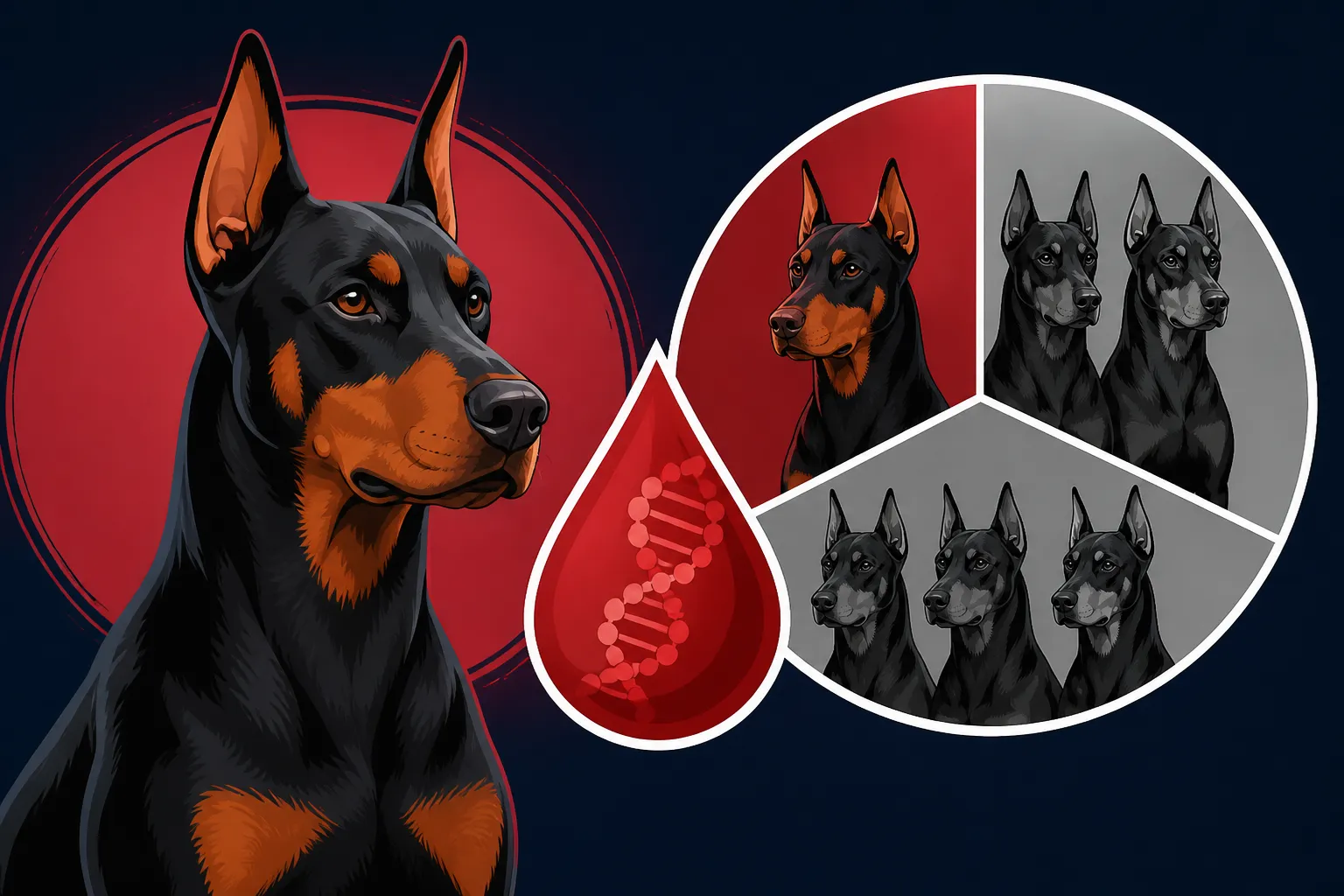
Estimates vary slightly depending on the studies and population samples, but generally, it's believed that a very high percentage of Dobermans carry the vWD Type I gene. Some studies and genetic testing labs suggest that up to 50-70% of Doberman Pinschers are either carriers (meaning they have one copy of the gene) or affected (meaning they have two copies, though this is less common for Type I as one copy is usually enough to cause reduced levels of vWF). This means that for every ten Dobermans you encounter, a significant number of them could be carrying this genetic predisposition to bleeding issues. This staggering number highlights why it’s not just a rare anomaly, but a pervasive concern within the breed. It also explains why diligent health testing is non-negotiable for anyone involved with Dobermans, from breeders to new puppy owners. Understanding Clear, Carrier and Affected Doberman Results is essential to interpreting these statistics for your own dog.
Why the High Prevalence?
The widespread nature of vWD Type I in Dobermans isn't due to malicious intent, but rather a combination of historical breeding practices and the nature of genetic inheritance. When the Doberman breed was being developed, genetic testing for specific diseases simply didn't exist in the way it does today. Breeders were focused on temperament, conformation, and working ability. Dogs that might have been "carriers" but showed no obvious severe bleeding signs could have been bred extensively, unknowingly passing on the gene. This is often referred to as a "founder effect," where a gene present in a few early, influential individuals becomes amplified throughout the population.
Another factor is the dominant inheritance pattern. Even a Doberman with only one copy of the gene can potentially experience bleeding issues, though they might be mild enough to go unnoticed or simply attributed to an accident. This "incomplete penetrance" means that a dog can carry the gene and pass it on without presenting clear, undeniable symptoms that would have traditionally led breeders to remove them from a breeding program. It’s only with modern DNA testing that we can truly uncover the silent presence of this gene.
Geographic and Line Differences
While vWD Type I is globally prevalent in Dobermans, there can sometimes be slight variations between different breeding lines or geographic regions (e.g., American vs. European lines), although the overall high incidence remains consistent. This isn't usually a stark difference, but rather a reflection of the specific dogs used as foundation stock in different regions and the genetic bottlenecks that occurred.
Regardless of where your Doberman comes from, the recommendation for genetic testing for vWD remains universal. It’s a health concern that transcends borders and specific pedigrees within the Doberman breed. Many reputable genetic testing laboratories, like VetGen, Orivet, and even Wisdom Panel, offer a specific DNA test for vWD Type I, making it accessible for owners worldwide. You can find out more about which labs perform such testing in articles like Which Labs Run Doberman Heart Gene Tests, which, while focused on cardiac issues, often list the same facilities that conduct comprehensive genetic panels.
Recognizing Symptoms and Testing Your Doberman
The stress of knowing your Doberman might have a bleeding disorder is immense, especially if you haven't tested them yet. For many Doberman owners, the first indication that something might be amiss comes during an unexpected event. It could be a routine veterinary procedure, an accident at home, or even spontaneous bleeding.
Common Signs to Watch For
While a Doberman with vWD Type I might live a seemingly normal life for years, certain situations can expose the underlying issue. Keep an eye out for these potential symptoms:
- Prolonged bleeding after injury or surgery: This is perhaps the most common red flag. A simple cut that bleeds for an unusually long time, or excessive bleeding after a spay/neuter surgery, a dental cleaning, or an ear crop, can be a clear indicator. Owners often report having to apply pressure for extended periods, or that a seemingly minor wound just won't clot.
- Nosebleeds: Unexplained or recurrent nosebleeds (epistaxis) that are difficult to stop are a classic sign. This isn't just a casual drip; it's a persistent flow that causes genuine concern. You might walk into a room and find streaks of blood or notice your dog constantly licking at their nose.
- Gum bleeding: Even without obvious injury, some affected Dobermans may have gums that bleed easily, especially during vigorous chewing or when brushing their teeth.
- Bruising: Easy bruising, sometimes appearing spontaneously or after minor bumps, can be a symptom. Dobermans have sleek, short coats, so these bruises might be more visible than on a fluffier breed. You might notice dark spots on their belly or inner thighs with no clear memory of an injury. Read more about recognizing general bleeding issues in Bruising and Bleeding in a Doberman or specific issues in Nosebleeds and Gum Bleeding in a Doberman.
- Blood in urine or stool: While less common and potentially indicative of other serious conditions, persistent blood in the urine (hematuria) or tarry stools (melena) could, in rare cases, be related to internal bleeding caused by vWD.
It's important to remember that these symptoms can also point to other health issues. However, if your Doberman exhibits any of these, especially if they are recurrent or severe, it's crucial to consult your veterinarian and discuss the possibility of vWD.
The Importance of Pre-Surgical Testing
One of the most critical times to be aware of vWD is before any surgical procedure. Even a Doberman who has never shown a single symptom could be a carrier, and the stress of surgery combined with incisions can trigger a severe bleeding event. This is why many experienced veterinarians will recommend or even require a vWD test before any elective surgery, such as spaying, neutering, or even ear cropping.
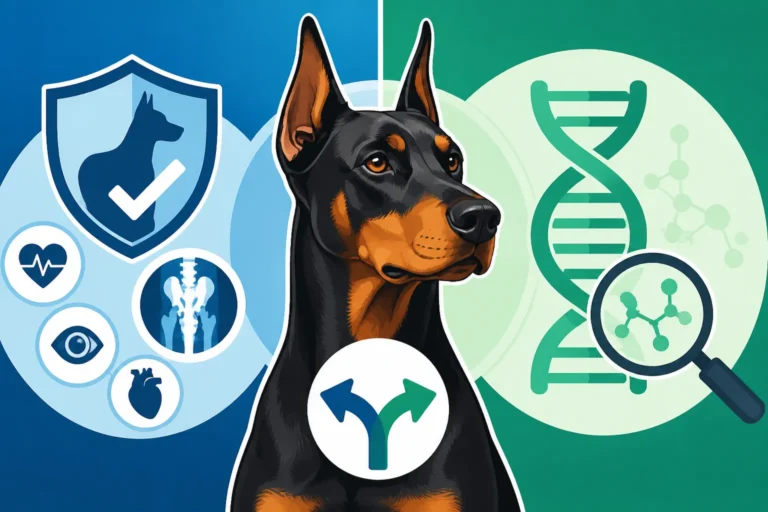
The DNA test for vWD is a simple, non-invasive cheek swab or blood sample. It will tell you definitively if your Doberman is genetically "Clear," a "Carrier," or "Affected." This information allows your vet to take necessary precautions, such as administering a desmopressin acetate (DDAVP) injection before surgery to temporarily increase vWF levels, or having blood products on standby. This proactive approach can literally save your Doberman’s life and spare you immense heartbreak and veterinary bills. Knowing this status is a powerful tool in your Doberman's health arsenal, making conversations about Testing a Doberman for Von Willebrand Before Surgery far less stressful.
How Insurance Can Help
While testing helps prevent unforeseen complications, sometimes accidents happen, or symptoms appear despite precautions. This is where pet insurance can be a real lifesaver. Companies like Healthy Paws, for instance, offer comprehensive coverage for accidents and illnesses. If your Doberman is diagnosed with vWD before you enroll them or before the policy's waiting period ends, it would likely be considered a pre-existing condition and excluded. However, if your Doberman is enrolled and clear of vWD symptoms or diagnosis when the policy begins, and then later experiences a vWD-related bleeding episode or requires a procedure where vWD complicates recovery, an insurance policy from a provider like Healthy Paws could significantly offset the costs of emergency care, transfusions, or prolonged hospitalization. It provides a crucial safety net against the high financial burden that unexpected health crises can bring.
| vWD Type I Status | Genetic Code | Clinical Signs Risk | Breeding Recommendation |
|---|---|---|---|
| Clear | Genetically Normal | Low | Can be bred to any dog |
| Carrier | Genetically Affected (one copy of gene) | Moderate (can show mild to severe bleeding) | Should only be bred to a Clear dog, with all offspring tested |
| Affected | Genetically Affected (two copies of gene) | High (likely to show severe bleeding) | Should not be bred |
Note: For vWD Type I, dogs with one copy of the gene are generally considered "Affected" due to the dominant inheritance, though clinical signs vary greatly. The table uses "Carrier" to denote one copy for easier comparison with other genetic tests where a carrier is typically asymptomatic.
Living with a Doberman with the Bleeding Gene and Responsible Breeding
Bringing a Doberman into your life means accepting responsibility for their unique health challenges. If your Doberman tests as a carrier or affected for vWD Type I, it's not a death sentence, but it does mean you need to be more vigilant and proactive in their care.
Practical Management for Affected Dobermans
Living with a Doberman diagnosed with vWD Type I requires a careful approach to their daily life and veterinary care. Here are some key considerations:
- Inform all veterinary staff: This is paramount. Every time your Doberman goes to the vet, remind them of their vWD status. This includes their regular vet, emergency vets, and any specialists. It should be prominently noted in their medical records, but a verbal reminder ensures everyone is aware before any procedures or medications are administered.
- Avoid certain medications: Some common medications can exacerbate bleeding in vWD-affected dogs. Non-steroidal anti-inflammatory drugs (NSAIDs) like aspirin, ibuprofen, and even some over-the-counter pain relievers should generally be avoided unless specifically prescribed by a vet who is aware of the vWD status. These drugs can interfere with platelet function, compounding the existing clotting problem. Always consult your vet before giving any medication. Learning about Drugs a Doberman With Von Willebrand Should Avoid can be incredibly helpful.
- Minimize trauma: While you can't wrap your Doberman in bubble wrap, try to minimize situations that could lead to injury. Supervise rough play, use soft toys, and be careful with nail trims. For an active Doberman, this can be challenging, but awareness is key.
- Emergency preparedness: Know where your nearest 24-hour emergency veterinary hospital is, and ensure they have your Doberman’s medical history on file if possible. Discuss with your regular vet what steps to take in case of an acute bleeding episode at home. Some vets may even provide you with an emergency contact number or specific instructions. Despite the challenges, many affected Dobermans can still lead fulfilling lives; the article Whether an Affected Doberman Lives Normally offers more insight into this.
- Consider a medical alert tag: A tag on your Doberman’s collar or harness that states "vWD Type I Affected" or "Bleeding Disorder" can be crucial in an emergency if your dog is ever lost or you are incapacitated.
For significant medical events, such as surgery or a serious injury requiring intervention, veterinarians may administer desmopressin acetate (DDAVP) to temporarily increase vWF levels, or in severe cases, fresh frozen plasma (FFP) or cryoprecipitate transfusions may be necessary to provide the missing clotting factors. These treatments can be costly, and once again, having a solid pet insurance plan from a company like Healthy Paws can provide immense peace of mind. They can help cover a significant portion of these unexpected and often expensive treatments, allowing you to focus on your Doberman's recovery rather than the financial strain. For more detailed information, consider reading Surgery on a Doberman With a Clotting Problem.
Responsible Breeding Practices
The high prevalence of vWD Type I in Dobermans puts a significant burden on breeders to be responsible. A truly ethical Doberman breeder will perform genetic testing for vWD Type I on all breeding stock before any mating takes place. They should be able to provide you with documentation of these tests, showing that the parents are clear, or at least that one parent is clear if the other is a carrier, and that all puppies from such a pairing have been tested.
Here’s why it’s so critical:
- Reducing affected offspring: By only breeding clear dogs, or breeding a carrier to a clear dog and then testing all puppies, breeders can actively work to reduce the number of affected Dobermans in the population. The goal is to eventually eliminate this gene from the breed altogether, or at least drastically reduce its impact.
- Transparency with puppy buyers: Reputable breeders will be completely transparent about the vWD status of their puppies and their parentage. They will educate you on what "Clear," "Carrier," and "Affected" results mean. If a breeder avoids discussing health testing or can't provide paperwork for vWD (alongside other crucial Doberman health tests like those for DCM), that should be a major red flag.
- Ethical considerations: Breeding a Doberman with vWD Type I, especially an affected one, without careful consideration and testing the resulting offspring, is simply unethical. It perpetuates a preventable health issue that causes suffering for dogs and significant worry and expense for owners.
If you’re considering bringing a Doberman puppy into your home, always ask about the parents' health clearances, specifically for vWD. A good breeder will be proud to show you The Health Testing a Doberman Breeder Must Show. By supporting breeders who prioritize health testing, you are contributing to a healthier future for the Doberman breed. Remember, proactive health management, often supported by reliable pet insurance from providers like Healthy Paws, is key to giving your Doberman the longest, happiest life possible.
Disclaimer
This article is for general informational purposes only and does not constitute professional advice. Laws, prices and regulations vary by location and change over time. Consult a qualified professional for guidance on your specific situation.