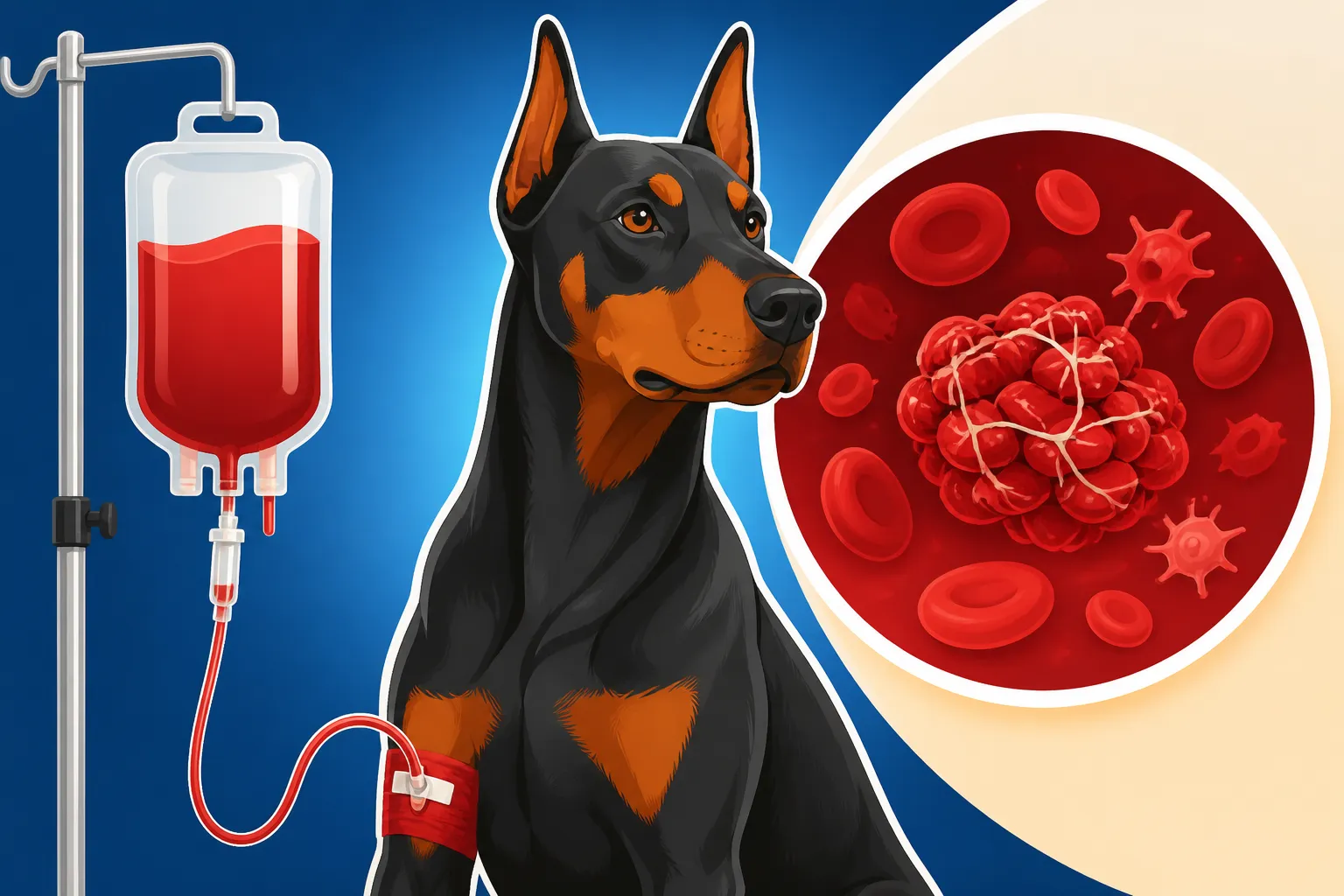
Transfusions for a Doberman With a Clotting Disorder
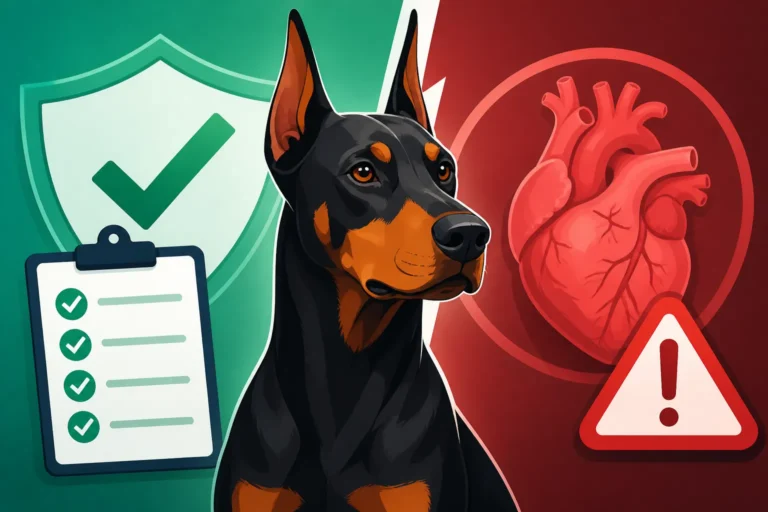
The fear and helplessness you feel when your beloved Doberman starts bleeding excessively, especially if you know they have a clotting disorder, is absolutely gut-wrenching. It's a moment of sheer panic, wondering if you're doing enough, if the bleeding will stop, and if your dog will be okay. This guide aims to demystify blood transfusions, a critical, life-saving intervention for Dobermans facing severe bleeding due to these challenging conditions.
Understanding Clotting Disorders in Dobermans and When Transfusions Become Necessary
Dobermans, magnificent and loyal as they are, unfortunately, carry a genetic predisposition to certain health issues, and clotting disorders are high on that list. When their body's natural ability to stop bleeding is compromised, even a minor injury or routine procedure can become a life-threatening emergency. Knowing when a transfusion might be needed is the first crucial step in navigating these scary situations.
The Silent Threat of Von Willebrand Disease
The most common clotting disorder affecting Dobermans is von Willebrand Disease (vWD). It’s an inherited blood disorder caused by a deficiency in von Willebrand factor (vWF), a protein crucial for normal blood clotting. Many Dobermans are actually carriers of this gene, and a significant number are directly affected by the disease, though they may not show obvious symptoms until a bleeding crisis occurs. It’s truly a silent threat that can lurk beneath the surface. For a deeper dive, you might want to read more about The Bleeding Disorder Almost Every Doberman Line Carries.
There are different types of vWD, with Type I being the most prevalent in Dobermans. In Type I vWD, there's a reduced amount of normally structured vWF. This can lead to anything from mild, unnoticeable bleeding to severe hemorrhages. The real kicker is that a Doberman could go years without any significant bleeding episodes, only for a routine dental cleaning or an unexpected laceration to trigger a full-blown emergency. This unpredictable nature is what makes it so incredibly frustrating and frightening for owners. Getting your Doberman tested early in life is a game-changer, and you can learn more about The Von Willebrand DNA Test for Dobermans to understand your dog's status.
Recognizing Signs of Severe Bleeding
Spotting the signs that your Doberman is experiencing severe bleeding can be incredibly difficult, especially if the bleeding is internal. You might think, "I'd know if my dog was bleeding badly!" but it's not always as obvious as a gushing wound. Owners often report subtle changes first, like their dog being unusually lethargic or reluctant to move. The visible signs can include prolonged bleeding from minor cuts, excessive bleeding after a tooth extraction, or even spontaneous nosebleeds and bleeding gums. It’s not just a little drip here or there; it’s bleeding that doesn't seem to stop or is much heavier than you'd expect. If you've seen something similar, you'll find our article on Nosebleeds and Gum Bleeding in a Doberman helpful.
Beyond the external signs, internal bleeding is a far more insidious threat. You might notice pale gums, indicating blood loss, or your Doberman might seem weak, unsteady, or even collapse. A frightening scenario is when they suddenly faint on a walk, which can be a sign of significant internal hemorrhage. These moments are terrifying, and every second counts. If your Doberman A Doberman That Faints on a Walk, it's an immediate emergency requiring veterinary attention. Keep an eye out for blood in their urine or stool, which can signal bleeding in the urinary or gastrointestinal tracts, respectively. Any of these signs warrant an immediate trip to the emergency vet.
Beyond Von Willebrand: Other Clotting Challenges
While von Willebrand Disease is the most common and widely recognized clotting disorder in Dobermans, it's not the only one. Sometimes, a Doberman might face other, less common, but equally serious issues that compromise their blood's ability to clot effectively. These can include platelet disorders, where the blood platelets—tiny cells vital for forming clots—are either too few or dysfunctional. Though less frequently seen than vWD, these can also lead to life-threatening bleeding episodes.
In critical situations, such as severe trauma, extensive surgery, or certain infections, Dobermans (and other breeds) can develop a condition called Disseminated Intravascular Coagulation (DIC). This is a complex, acquired disorder where the body's clotting system goes into overdrive, forming tiny clots throughout the bloodstream, which paradoxically leads to the depletion of clotting factors and severe, widespread bleeding. It's a dire situation that often arises as a secondary complication to another underlying illness, making prompt diagnosis and aggressive treatment, including transfusions, absolutely vital.
The Process of Blood Transfusions for Dobermans
When your Doberman needs a blood transfusion, it's typically an emergency situation. The veterinary team will move quickly, but there are several critical steps involved to ensure the procedure is as safe and effective as possible. Understanding this process can help you feel a little more in control during a very stressful time.
Initial Assessment and Blood Typing
The very first thing your vet will do upon your Doberman's arrival is a rapid, thorough assessment of their condition. This includes checking vital signs like heart rate, respiratory rate, blood pressure, and gum color to estimate the severity of blood loss and shock. They'll also likely draw blood for immediate tests, such as a packed cell volume (PCV) to determine the percentage of red blood cells, which indicates anemia, and a coagulation panel to assess how well their blood is clotting. These initial diagnostics are crucial for deciding if a transfusion is indeed necessary and which blood product will be most beneficial. When considering any procedure, even a routine one, if your Doberman has a known clotting issue, it's wise to plan ahead and discuss Testing a Doberman for Von Willebrand Before Surgery.
A critical step before any transfusion is blood typing and cross-matching. Just like humans, dogs have different blood types, and administering incompatible blood can lead to a severe, potentially fatal, immune reaction. The most significant canine blood group is DEA 1.1, with dogs being either positive or negative. Dobermans, like many breeds, need to be carefully typed. If a Doberman has never received a transfusion before, they might be able to safely receive DEA 1.1 negative blood without a perfect match in an emergency. However, for subsequent transfusions, or if the dog's history is unknown, a cross-match is absolutely essential. This involves mixing small samples of the donor's and recipient's blood to check for any adverse reactions, ensuring compatibility and reducing the risk of a dangerous transfusion reaction. This meticulous process, while taking precious minutes, is non-negotiable for your Doberman's safety.
Types of Blood Products and Their Use
Not all blood transfusions are created equal. Depending on what your Doberman is lacking, your vet will choose from various blood products, each designed to address a specific deficiency. Whole blood, as the name suggests, contains all components: red blood cells, white blood cells, platelets, and plasma. It’s ideal for massive acute blood loss where there's a deficit in multiple components, for example, after a severe trauma or major surgery. However, due to its comprehensive nature, it's not always the most efficient or readily available.
More commonly, veterinarians use component therapy, meaning they administer only the specific part of the blood that the Doberman needs. Packed Red Blood Cells (PRBCs) are concentrated red blood cells, perfect for treating severe anemia to improve oxygen-carrying capacity without overloading the circulatory system with unnecessary fluid. Fresh Frozen Plasma (FFP) is invaluable for Dobermans with clotting factor deficiencies, like those with vWD or other coagulopathies. FFP contains all the clotting factors and proteins vital for blood coagulation. Lastly, cryoprecipitate is a concentrated source of von Willebrand factor, Factor VIII, and fibrinogen, making it the ideal choice for Dobermans specifically diagnosed with severe vWD who are actively bleeding or undergoing surgery. The selection of the correct product is a nuanced decision based on your Doberman's individual needs and the specific type of bleeding disorder they are facing.
| Blood Product | Primary Components | Main Use Case |
|---|---|---|
| Whole Blood | Red blood cells, plasma, platelets, WBCs | Acute, severe blood loss (trauma, major surgery) |
| Packed Red Blood Cells (PRBCs) | Concentrated red blood cells | Severe anemia (to increase oxygen-carrying capacity) |
| Fresh Frozen Plasma (FFP) | All clotting factors, albumin, other proteins | Coagulation disorders (e.g., vWD, liver disease), hypoproteinemia |
| Cryoprecipitate | Von Willebrand factor, Factor VIII, fibrinogen | Severe vWD, Factor VIII deficiency |
The Transfusion Procedure and Monitoring
Once the correct blood product is selected and cross-matched, the transfusion process begins. The blood is typically administered intravenously (IV), usually through an existing catheter or a new one placed in a peripheral vein. The rate of administration is carefully controlled and often started slowly to monitor for immediate reactions. For a Doberman, receiving a unit of blood might take anywhere from one to four hours, depending on the volume and the dog's condition. During this time, constant, vigilant monitoring is absolutely paramount.
The veterinary team will meticulously watch for any signs of an adverse reaction, which can range from mild to severe. These can include fever, hives, itching, facial swelling, vomiting, diarrhea, tremors, or even more life-threatening reactions like difficulty breathing, collapse, or shock. While rare, these reactions can happen even with perfectly matched blood, so it's a testament to the skill and attentiveness of the veterinary staff that they can catch and address these issues immediately. Your Doberman will be checked frequently, often every 5-15 minutes initially, and then every 30-60 minutes once stable, throughout the entire procedure. This ensures their safety and the successful delivery of the much-needed blood components.
Practicalities and Costs of Transfusions for Doberman Owners
Facing a blood transfusion for your Doberman is not only emotionally draining but also comes with significant practical and financial considerations. It’s important to be prepared for these realities, especially when time is of the essence.
Sourcing Blood and Emergency Preparedness
When your Doberman needs a transfusion, the first question is, "Where does the blood come from?" Veterinary clinics source blood in a few ways. Some larger specialty or emergency hospitals maintain their own internal blood banks, with a pool of healthy, screened donor dogs. Others rely on national or regional animal blood banks, like the Pet Blood Bank, which collect, process, and distribute blood products to veterinary practices. In very urgent situations, a clinic might even have a list of local Doberman owners willing to bring their healthy dogs in for emergency donation, though this is less common for pre-processed products. The urgency means that blood needs to be available quickly, and these systems are designed to minimize delays, but sometimes, locating the right type of blood can still take precious time.
Having a plan in place, especially if you know your Doberman has a clotting disorder, can make a world of difference. Discuss with your regular veterinarian about local emergency hospitals that stock blood products and have experience with transfusions. Knowing where to go and what to expect can reduce stress during an already frantic time. Being prepared for an unexpected crisis, such as knowing the location of the nearest 24-hour emergency veterinary hospital, can literally be a lifesaver, particularly if you find yourself needing to rush in due to something like Emergency Vet Fees for a Collapsing Doberman.
Financial Implications and Insurance Coverage
Let's be blunt: blood transfusions for Dobermans are expensive. The cost isn't just for the blood product itself, but also for the extensive work involved: the initial emergency examination, diagnostics (blood typing, cross-matching, coagulation tests), the cost of the blood unit or component, the administration fees, and the continuous, intensive monitoring by skilled veterinary staff. You're looking at costs that can quickly climb into the hundreds, often thousands, of dollars for a single episode, especially if your Doberman requires multiple units or experiences complications. It’s a huge financial burden that can hit you unexpectedly.
This is where pet insurance can be a lifeline, but it's crucial to understand the caveats. If your Doberman has a pre-existing condition, such as a known von Willebrand Disease diagnosis, many insurance providers will not cover costs directly related to that condition. This is a common frustration for pet owners. Providers like Healthy Paws, for example, have clear policies on pre-existing conditions, generally defining them as any illness or injury that occurred before coverage began or during a waiting period. It's incredibly disheartening when you’ve paid your premiums, only to find that the very condition you're most worried about isn't covered. Make sure you understand your policy's fine print and what constitutes a pre-existing condition, as this is a frequent reason Why Doberman Claims Get Turned Down. Proactive insurance enrollment before any diagnosis is critical for Doberman owners.
Post-Transfusion Care and Prognosis
After a successful transfusion, your Doberman might still need to remain hospitalized for continued monitoring and supportive care. The immediate improvement can be dramatic, with your Doberman becoming more alert and their gum color returning to a healthy pink. However, the transfusion isn't a cure; it's a supportive measure to stabilize them and buy time while the underlying clotting disorder is addressed. The duration of the benefit from the transfusion depends on the blood product used and the reason for the bleed. Red blood cells, for instance, might last several weeks, while clotting factors from plasma have a much shorter lifespan, sometimes only a day or two.
The prognosis following a transfusion largely depends on the primary cause of the bleeding, the severity of the blood loss, and how well your Doberman responds to treatment. For Dobermans with chronic clotting disorders like vWD, transfusions may be needed periodically throughout their lives, especially during emergencies or planned surgeries. Your vet will discuss follow-up care, which might include specific medications, dietary changes, or continued monitoring of their clotting parameters. Managing these conditions is a long-term commitment, but with dedicated care, many Dobermans can live fulfilling lives, even with a clotting disorder.
Preventing and Managing Clotting Issues to Avoid Transfusions
While transfusions are life-saving, prevention and proactive management are always the best approach when dealing with Doberman clotting disorders. Being informed and diligent can significantly reduce the risk of a crisis.
Genetic Testing and Responsible Breeding
One of the most powerful tools we have against inherited clotting disorders like von Willebrand Disease is genetic testing. Reputable Doberman breeders should routinely screen their breeding stock for vWD. A simple DNA test can identify if a Doberman is clear, a carrier, or affected by the disease. This information is invaluable for making responsible breeding decisions, aiming to reduce the incidence of affected puppies over generations. If you’re considering bringing a Doberman puppy into your home, always ask about the parents' health testing results, including their vWD status. This kind of transparency and commitment to health is a hallmark of a good breeder, and you can learn more about The Health Testing a Doberman Breeder Must Show to know what to look for.
By selectively breeding Dobermans that are clear or at least only carriers (and then carefully breeding carriers only to clear dogs), the goal is to gradually eliminate vWD from the breed's gene pool. While this takes time and dedication from the breeding community, it's the most effective long-term strategy for ensuring healthier Doberman generations. For pet owners, knowing your Doberman's vWD status allows you to be prepared and take preventative measures, even if they never display symptoms.
Proactive Management for Affected Dobermans
If your Doberman has been diagnosed with a clotting disorder, proactive management becomes a cornerstone of their care. This means being extra vigilant and taking specific precautions in their daily life. First and foremost, you need to be aware of medications that can interfere with clotting. Non-steroidal anti-inflammatory drugs (NSAIDs) like Rimadyl or Metacam, aspirin, and even some antibiotics can exacerbate bleeding in a Doberman with a clotting issue. Always inform every veterinarian and veterinary technician about your Doberman's clotting disorder before any treatment or procedure. Our guide on Drugs a Doberman With Von Willebrand Should Avoid offers more detailed information on this critical topic.
Routine care also needs a careful approach. Nail trims, for instance, need to be done with extreme caution to avoid cutting the quick, which can lead to prolonged bleeding. Minor injuries should be treated promptly and carefully monitored. If your Doberman ever requires surgery, even a routine spay or neuter, it's absolutely crucial for the veterinary team to be fully aware of their clotting disorder. Special precautions, such as administering cryoprecipitate or fresh frozen plasma before and after the procedure, may be necessary to prevent excessive bleeding. Planning for Surgery on a Doberman With a Clotting Problem is a comprehensive process that requires close collaboration with your vet and potential veterinary specialists.
Recognizing Early Warning Signs for Timely Intervention
Beyond genetic testing and managing known conditions, every Doberman owner should be acutely aware of early warning signs of bleeding. Vigilance is your best friend. Don't dismiss a prolonged drip from a tiny cut, unexpected bruising, or gums that seem paler than usual. Pay close attention to any changes in behavior: sudden lethargy, a decreased appetite, or reluctance to play could all be subtle indicators of internal bleeding.
The key to preventing a full-blown emergency, and potentially avoiding the need for a transfusion, is timely intervention. If you notice any of these signs, even if they seem minor, contact your veterinarian immediately. It’s always better to err on the side of caution. A quick trip to the vet for an assessment and early treatment, such as administering medications to stop bleeding or providing supportive care, can often prevent a small problem from escalating into a life-threatening crisis that requires a blood transfusion. Being attuned to your Doberman's normal behavior and physical state allows you to spot abnormalities quickly, which can make all the difference.
Disclaimer
The information provided in this article is for educational and informational purposes only, and does not constitute veterinary advice. Always consult with a qualified veterinarian for any health concerns or before making any decisions about your Doberman's care.