Why Doberman Livers Store Copper
It’s a truly frightening experience when your beloved Doberman starts showing vague signs of not feeling quite right – maybe a little lethargic, or an unexplained loss of appetite – and you discover that their liver isn’t functioning as it should. The thought of something silently damaging such a vital organ can be overwhelming. This guide will delve deep into why Dobermans are uniquely prone to accumulating copper in their livers, how it impacts their health, and what steps you can take to manage this often-misunderstood condition.
The Genetic Blueprint Behind Copper Accumulation in Dobermans
For Doberman owners, understanding the breed's unique genetic predispositions is key to their long-term health. When it comes to the liver, this breed, along with others like Bedlington Terriers and West Highland White Terriers, carries a particular vulnerability to copper storage disease. It’s not just bad luck; it’s woven into their genetic fabric, making them inefficient at processing and excreting copper, which then builds up to toxic levels over time.
Understanding the Breed's Predisposition
Dobermans, unfortunately, have a genetic tendency that makes them less efficient at removing excess copper from their bodies compared to many other breeds. Imagine your Doberman's liver as a filter. For most dogs, this filter works perfectly, taking in copper from food, using what's needed, and efficiently flushing out the rest. In Dobermans with this predisposition, that filter is a bit clogged, leading to a gradual accumulation. This isn't something that happens overnight; it's a slow, insidious process that can take years to manifest, often staying completely silent until the damage is significant. This hidden aspect is why the discussion around How Many Dobermans Have Silent Liver Disease is so crucial for proactive owners.
This isn't about blaming the breed, but about acknowledging a known health challenge. It's a frustrating reality for many Doberman enthusiasts who do everything right with diet and exercise, only to face a diagnosis of chronic hepatitis linked to copper. Many breeders are now testing for genetic markers associated with copper storage disease, a vital step in trying to reduce its prevalence in future generations. It's a complex issue, but awareness is the first step towards managing it effectively and ensuring our Dobermans lead the healthiest lives possible.
The Role of Specific Genes in Copper Metabolism
The intricate process of copper metabolism in dogs is governed by several genes. In Dobermans, research points towards specific genetic mutations that impair the liver's ability to excrete copper into bile, which is the primary route for copper elimination from the body. When this process is hindered, copper starts to build up within the liver cells. Initially, the liver might compensate, but eventually, the sheer volume of copper becomes toxic, leading to oxidative stress and inflammation, ultimately resulting in chronic hepatitis and cirrhosis.
While specific, widely available genetic tests for Doberman copper storage disease aren't as prevalent or conclusive as, say, the tests for Dilated Cardiomyopathy (DCM), ongoing research is always bringing new insights. What we do know is that this isn't usually due to a single, easily identifiable gene like in some other breeds (e.g., the COMMD1 gene in Bedlington Terriers). Instead, it's often polygenic, meaning multiple genes or a combination of genetic factors contribute to the Doberman's increased risk. This makes breeding programs focused on reducing copper storage disease incredibly challenging but no less important. It highlights why careful selection and monitoring are paramount.
How Copper Overload Harms a Doberman's Liver
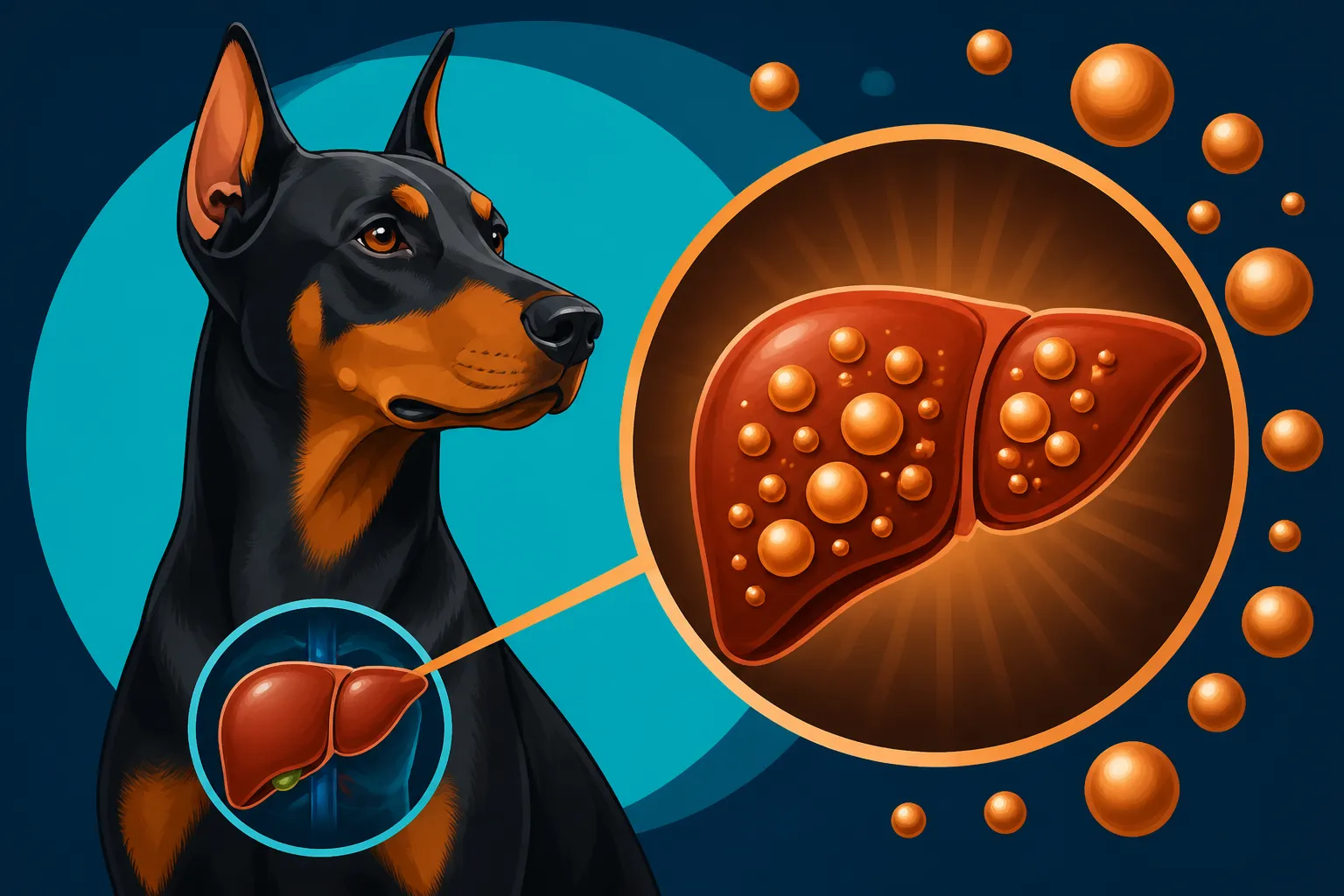
When copper accumulates in the liver beyond its normal storage capacity, it transforms from an essential trace mineral into a dangerous toxin. This excess copper causes cellular damage, leading to a cascade of problems that can severely impair liver function and, if left unchecked, lead to irreversible organ failure. It’s a slow burn, often without obvious symptoms until the damage is extensive.
The Progression from Silent Storage to Active Disease
Initially, your Doberman's liver is incredibly resilient. It might silently store copper for years, attempting to sequester it in cellular compartments to prevent damage. This is often referred to as the "occult" or "asymptomatic" phase. You might see no outward signs whatsoever, which is terrifying when you consider what's happening internally. During this phase, routine bloodwork might even come back looking fairly normal, or show only slight elevations in liver enzymes, which can easily be dismissed as minor or transient. This silent progression is why a deep dive into Whether Doberman Liver Disease Can Be Caught Early is so important for preventative care.
As the copper continues to accumulate, it starts to produce free radicals, which are highly reactive molecules that damage liver cells. This oxidative stress triggers inflammation, leading to a condition known as chronic hepatitis. Over time, this chronic inflammation causes liver cells to die and be replaced by fibrous scar tissue, a process called fibrosis. Eventually, this fibrosis can become so extensive that it completely disrupts the liver's architecture and function, leading to cirrhosis – a severe, irreversible form of liver disease. At this stage, the liver can no longer perform its vital functions, leading to systemic health problems and, sadly, a significantly shortened lifespan.
Recognizing the Subtle Signs of Liver Dysfunction
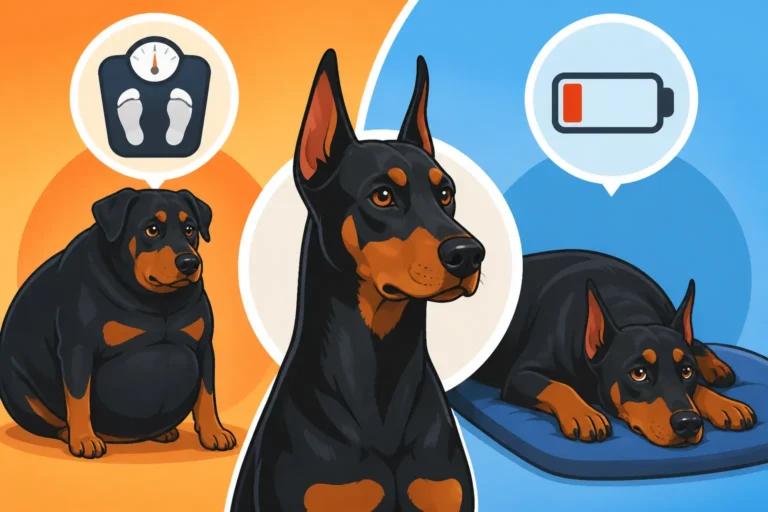
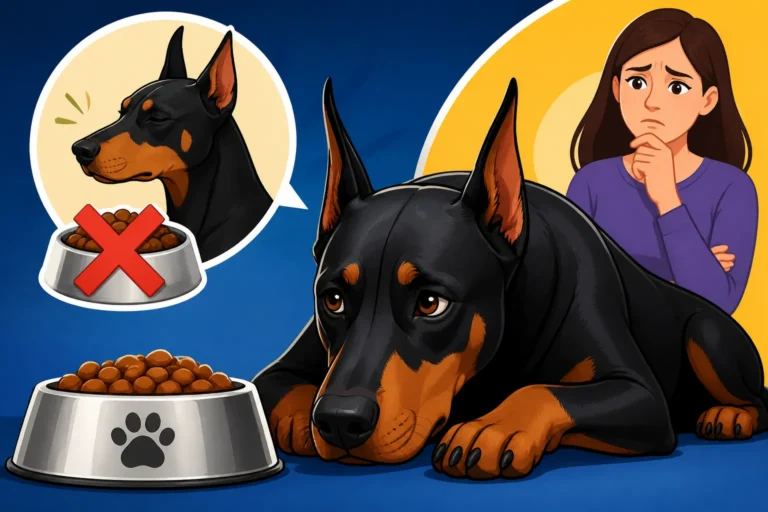
The frustrating truth about liver disease, especially in its earlier stages, is that the symptoms are often vague and non-specific. Your Doberman might simply seem "off." Look out for subtle changes that, when combined, might raise a red flag. These can include:
- Lethargy and Weakness: A general decrease in energy levels or reluctance to play.
- Reduced Appetite: Your Doberman might become picky, or refuse meals entirely.
- Weight Loss: Despite eating, or due to a decreased appetite, they might start to lose condition.
- Vomiting or Diarrhea: Intermittent digestive upset can be a sign of liver stress.
- Increased Thirst and Urination: The damaged liver struggles to filter toxins, putting more strain on the kidneys.
- Changes in Coat Quality: A dull, dry coat or flaky skin can sometimes be indicative.
As the disease progresses to more advanced stages, you might observe more specific signs of liver failure, such as jaundice (yellowing of gums, whites of eyes, or skin), dark urine, pale stools, fluid accumulation in the abdomen (ascites), or even neurological symptoms like disorientation, seizures, or aimless wandering (hepatic encephalopathy) due to toxins building up in the bloodstream. If you ever notice these more severe symptoms, it's an emergency, and you need to get to your vet immediately. Knowing Liver Enzyme Results in a Doberman can be a key piece of the puzzle, but never the sole indicator.
| Symptom Category | Early Stage (Silent/Occult) | Late Stage (Active Disease/Failure) |
|---|---|---|
| Energy & Behavior | Mild lethargy, slightly reduced playfulness | Profound lethargy, severe weakness, disinterest, disorientation, seizures |
| Appetite & Weight | Slightly picky eating, very gradual weight loss | Anorexia, significant muscle wasting, severe weight loss |
| Digestion | Intermittent mild vomiting or soft stools | Frequent vomiting, severe diarrhea, dark tarry stools |
| Urination/Thirst | Slightly increased thirst/urination | Marked increase in thirst/urination (PU/PD) |
| Physical Appearance | Dull coat, occasional dandruff, no overt changes | Jaundice (yellow skin/eyes), distended abdomen (ascites), pale gums, dark urine, bruising |
| Pain | No obvious pain | Abdominal discomfort or pain, sensitivity to touch |
Dietary and Environmental Factors Influencing Copper Levels
While genetics play the primary role in a Doberman's predisposition to copper storage disease, what they eat and their environment can significantly influence the speed and severity of copper accumulation. Managing dietary copper is a cornerstone of prevention and treatment.
Common Copper Sources in Dog Food and Water
It’s easy to overlook how much copper might be in your Doberman's daily diet. Copper is an essential nutrient, so all dog foods contain it. However, the amount of copper can vary widely, and some foods have much higher levels than what an at-risk Doberman can safely handle. Many commercial dog foods are formulated with a generous allowance of trace minerals, sometimes exceeding what's necessary for breeds predisposed to copper storage issues.
Common high-copper ingredients to be mindful of include:
- Organ Meats: Liver (ironically), kidney, and heart are naturally rich in copper. While excellent nutrient sources for most dogs, they can be problematic for Dobermans with this genetic predisposition.
- Shellfish: Ingredients like salmon meal or other fish meals can sometimes contain higher copper levels, though this varies.
- Certain Grains and Legumes: While not always the highest, some grains and especially legumes like lentils, peas, and chickpeas can contribute to the overall copper load. This becomes particularly relevant when considering the debate around grain-free diets, as they often substitute grains with legumes.
- Copper Additives in Supplements: Be very cautious with any multivitamin or mineral supplement unless specifically advised by your vet, as they often contain added copper.
- Water Supply: In some regions, tap water can have higher copper levels, especially if pipes are old or made of copper. While usually a minor contributor compared to food, it's worth considering if your Doberman is struggling with copper overload.
This is precisely why exploring Which Foods Are Highest in Copper for a Doberman can be a game-changer for prevention. Always discuss your Doberman's diet with your veterinarian, especially if they have any liver concerns, to ensure it’s appropriate for their specific needs.
The Importance of a Low-Copper Diet for At-Risk Dobermans
For Dobermans genetically predisposed to storing copper, or those already diagnosed with copper storage disease, a low-copper diet isn't just a recommendation – it's a critical component of their health management. The goal is to minimize the intake of copper while still providing complete and balanced nutrition. This helps to reduce the burden on their already compromised liver and slow down the progression of the disease.
Working with a veterinary nutritionist or your regular vet to formulate or select an appropriate diet is paramount. You can't just guess with these things; canine nutrition is complex, and specific deficiencies can arise if you restrict ingredients without proper guidance. Many therapeutic veterinary diets are specifically designed to be low in copper, often balancing this with increased zinc. Zinc works antagonistically to copper in the gut, meaning it can help block the absorption of copper, further aiding in reducing the body's copper load. Brands like Hill's Prescription Diet l/d, Royal Canin Hepatic, and Purina Pro Plan Veterinary Diets Canine HP Hepatic are examples of diets formulated with reduced copper levels and often increased zinc. This is a topic thoroughly explored in Low-Copper Diets for a Doberman.
It’s also crucial to remember that this is often a long-term, if not lifelong, commitment. Discussing Whether a Doberman Liver Diet Is for Life with your vet is important for setting realistic expectations and planning for continuous care. Small changes can make a big difference over time in reducing the impact of this genetic predisposition.
Diagnosis and Management of Doberman Copper Storage Disease
Receiving a diagnosis of copper storage disease can feel overwhelming, but thankfully, there are clear pathways for diagnosis and management that can significantly improve your Doberman's quality of life and prognosis. Early and accurate diagnosis is crucial.
Essential Diagnostic Tests for Liver Health
Because copper storage disease can be so insidious, often presenting with vague symptoms or none at all in its early stages, a thorough diagnostic approach is essential. It starts with your veterinarian taking a detailed history and performing a comprehensive physical examination.
Key diagnostic steps often include:
- Blood Tests:
- Complete Blood Count (CBC) and Biochemistry Panel: These can reveal elevated liver enzymes (ALT, ALP, GGT), which indicate liver cell damage or cholestasis (bile flow obstruction). However, these elevations are non-specific and can be caused by many conditions, so they are just a starting point. They might also show anemia in advanced cases.
- Bile Acid Stimulation Test: This test assesses the liver's ability to process bile acids, a direct indicator of liver function. Elevated post-prandial (after eating) bile acids strongly suggest liver dysfunction.
- Copper Levels: Measuring serum copper levels isn't always reliable for diagnosing copper storage disease, as circulating copper might be normal even when liver levels are dangerously high. However, it can be part of the overall picture.
- Urinalysis: To check kidney function, which can be affected in advanced liver disease.
- Imaging:
- Abdominal Ultrasound: This non-invasive test allows your vet to visualize the liver's size, shape, and architecture, identifying abnormalities like scarring, nodules, or fluid accumulation. It can also rule out other causes of liver disease.
- Radiographs (X-rays): Less specific for liver tissue itself, but can show overall liver size and detect fluid in the abdomen.
- Liver Biopsy: This is the gold standard for diagnosing copper storage disease. A small tissue sample is surgically or ultrasonographically guided from the liver and sent to a specialized lab for analysis. The pathologist can then:
- Confirm the presence of chronic hepatitis or cirrhosis.
- Measure the actual copper concentration in the liver tissue.
- Identify the characteristic microscopic changes associated with copper storage disease.
While a liver biopsy might sound daunting, it provides definitive answers that are critical for tailoring the most effective treatment plan. The costs associated with such advanced diagnostics can be a concern for many owners, but an early investment in a robust pet insurance policy, perhaps from a provider like Healthy Paws, could help cover these significant expenses, especially if enrolled before any liver issues are noted. This proactive approach ensures you're prepared for unforeseen health challenges. You can read more about what happens during a Liver Biopsy in a Doberman.
Treatment Approaches and Long-Term Care
Once a Doberman is diagnosed with copper storage disease, management typically involves a multi-pronged approach aimed at reducing copper levels, minimizing liver damage, and supporting liver function. This is often a lifelong commitment.
The mainstays of treatment include:
- Dietary Modification: As discussed earlier, a strict low-copper diet is fundamental. This reduces further copper intake and allows the liver to start processing what's already there more effectively. Many veterinary prescription diets are formulated for this purpose, providing carefully controlled copper levels and often increased zinc.
- Chelation Therapy: For Dobermans with high liver copper levels and active liver disease, copper chelators are prescribed. These medications, such as D-penicillamine or Trientine (Syprine), bind to copper in the body and facilitate its excretion through urine. Chelation therapy is highly effective but requires careful monitoring and can have side effects. It’s crucial to understand the commitment involved, as outlined in Copper Chelation for a Doberman Liver.
- Zinc Supplementation: Zinc is often given concurrently with or after chelation therapy. It induces a protein in the intestinal lining that blocks copper absorption and promotes its excretion in the feces. This helps prevent copper re-accumulation.
- Antioxidants and Liver Support: Supplements like S-Adenosylmethionine (SAMe) and Silymarin (milk thistle extract) are commonly used to support liver cell regeneration, reduce oxidative stress, and provide anti-inflammatory effects. Your vet might also recommend Vitamin E.
- Anti-inflammatory and Antifibrotic Medications: In cases of active chronic hepatitis or fibrosis, corticosteroids may be used short-term to reduce inflammation. Medications to prevent or slow fibrosis, like colchicine, might also be considered, though these are used more cautiously due to potential side effects.
Long-term care involves regular follow-up appointments, including blood tests to monitor liver enzymes, bile acids, and blood copper levels, as well as periodic ultrasounds. The frequency of these checks will depend on the severity of the disease and the Doberman's response to treatment. These repeat evaluations are crucial for assessing the effectiveness of the treatment plan and making necessary adjustments. An insurance plan with good coverage for chronic conditions, such as Healthy Paws, can be incredibly beneficial here, as these regular checks and medications can add up over years. Understanding the specifics of Monitoring Bloodwork for a Doberman Liver will help you partner effectively with your veterinary team. With diligent management, many Dobermans with copper storage disease can live a good quality of life for an extended period after diagnosis.
Disclaimer
This article is intended for informational purposes only and does not constitute veterinary advice. Always consult with a qualified veterinarian for any health concerns or before making any decisions about your Doberman's health or treatment plan. Individual situations may vary, and only a professional can provide an accurate diagnosis and appropriate recommendations.