Medication for a Doberman With Hepatitis
It’s truly heartbreaking to learn your beloved Doberman has been diagnosed with hepatitis, a condition that often progresses silently, leaving you feeling helpless and worried about their future. This guide aims to demystify the medication options available, helping you understand how these treatments work to manage your Doberman’s liver health and improve their quality of life. We'll walk through the common drugs, their purpose, and what you can expect as you navigate this challenging journey.
Understanding Doberman Hepatitis and Its Silent Progression
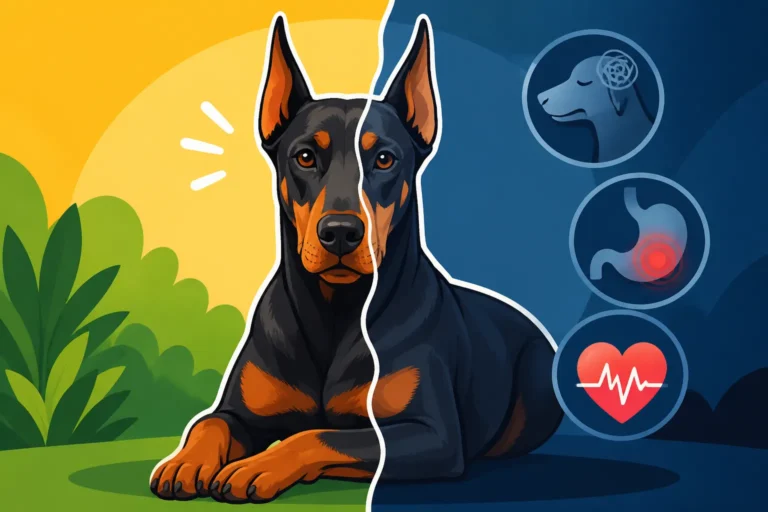
Hepatitis in Dobermans isn't just a simple liver inflammation; it often refers to Chronic Active Hepatitis (CAH), which frequently has a genetic component leading to copper storage disease. It's an insidious condition because it can simmer beneath the surface for years, quietly damaging the liver before any outward signs appear. You might notice your Doberman is just "off" – a bit lethargic, perhaps not as eager for their walk, or maybe has a slightly decreased appetite. These subtle changes are easily dismissed, making early detection incredibly difficult and often frustrating for dedicated owners who know their dogs so well.
The Doberman's Unique Predisposition to Liver Issues
Dobermans, particularly females, are unfortunately genetically predisposed to an issue where their livers aren't quite as efficient at processing and eliminating copper from their bodies. This leads to a build-up of copper in the liver cells, which eventually becomes toxic, causing inflammation, cell damage, and scarring – the very definition of hepatitis. It’s not about how much copper is in their diet, as much as it is about their body's inability to handle even normal amounts. This is why discussions around Why Doberman Livers Store Copper are so vital for owners trying to understand the root cause.
This genetic vulnerability means that even a perfectly healthy, well-fed Doberman can develop significant liver issues without any obvious external triggers. It's a silent threat, often not presenting with overt clinical signs until the damage is extensive. Imagine the frustration of doing everything "right" for your beloved companion, only to discover a severe, underlying health problem that has been brewing for years, completely undetected.
This condition can worsen slowly over time, and by the time liver enzyme elevations become significant on routine bloodwork, or you notice more severe symptoms like jaundice, the disease might already be quite advanced. This progression highlights why early awareness and careful monitoring, even when your Doberman appears outwardly healthy, are so critically important for this breed.
Recognizing the Subtle Signs of Liver Distress
Before a full-blown crisis, your Doberman might offer only the most delicate hints that something is amiss. Owners often report a subtle loss of appetite, a pickiness they didn't have before, or a general decrease in energy that makes them a little less enthusiastic about playtime or walks. Sometimes, you might see a slight increase in thirst or urination, or perhaps a dullness in their normally sleek coat. These are easy to overlook, especially in a breed known for its stoicism and tendency to hide discomfort. It's truly a test of how well you know your dog's baseline behavior.
As the disease progresses, more obvious symptoms can emerge, such as intermittent vomiting, diarrhea, unexplained weight loss, or even a yellowish tint to their gums, skin, or eyes (jaundice). Jaundice is a clear indicator that the liver is struggling significantly. Ascites, which is fluid accumulation in the abdomen, can also occur, making their belly appear distended. If you've ever seen a Doberman just "slow down" or exhibit these vague symptoms without an obvious cause, it's worth considering a liver check, as outlined in articles like How Many Dobermans Have Silent Liver Disease.
Don't ever dismiss these changes as "just old age" or a minor upset stomach, especially in a Doberman. Any persistent, unexplained change in your Doberman's demeanor, appetite, or physical condition warrants an immediate visit to your veterinarian. Early veterinary intervention, even based on vague symptoms, is crucial, as catching the disease at an earlier stage often leads to better outcomes and more effective management strategies.
Essential Medications for Managing Doberman Hepatitis
Once your veterinarian, possibly in consultation with a specialist, has confirmed a diagnosis of Doberman hepatitis – which might involve extensive bloodwork and assessing Liver Enzyme Results in a Doberman, and often a liver biopsy – a multi-faceted medication plan will usually be put into place. The primary goals of this plan are to reduce inflammation, remove excess copper (if it's a copper storage issue), protect remaining liver cells, and support overall liver function. It's a long-term commitment, and consistency in administering medications as prescribed is absolutely key to success.
Copper Chelators: Removing the Toxic Build-up
The cornerstone of treatment for Doberman hepatitis that involves copper storage is often a class of drugs called copper chelators. These powerful medications work by binding to the excess copper that has accumulated in your Doberman's body and liver, forming a stable complex that can then be safely excreted, usually through the urine. This process actively removes the toxic metal that is causing so much damage.
The most common chelator prescribed is D-penicillamine. While incredibly effective, it can have side effects, particularly nausea and loss of appetite, especially when first starting treatment or if given on an empty stomach. Your vet might suggest starting with a very low dose and gradually increasing it over several weeks, or administering it with a small, bland meal to minimize stomach upset. It's crucial to follow your vet's instructions precisely to manage these side effects.
Other chelators, such as Trientine (sometimes known by the brand name Cuprid), might be used if D-penicillamine isn't tolerated or isn't proving effective enough. Trientine generally has fewer gastrointestinal side effects, but it's often more expensive. Remember, this isn't a quick fix; chelation therapy is typically a long-term commitment, often needing to continue for several months or even years to bring the dangerously high copper levels down safely and to maintain them within a healthy range.
Liver Protectants and Antioxidants: Supporting Healing
Beyond actively removing copper, it's absolutely vital to support the existing liver tissue and help it heal from the ongoing damage. This is where a combination of liver protectants and antioxidants comes into play, working to safeguard cells and aid regeneration.
-
S-Adenosylmethionine (SAMe): This is a hugely important and commonly recommended supplement. SAMe is a naturally occurring molecule that plays a crucial role in liver metabolism, detoxification, and cell repair. It helps to increase levels of glutathione, often called the body's "master antioxidant," which can protect liver cells from oxidative stress and aid in their regeneration. Products like Denamarin, which often combine SAMe with silybin (milk thistle extract), are widely used and generally very safe and well-tolerated by Dobermans. It's typically given on an empty stomach for best absorption.
-
Ursodiol (Ursodeoxycholic Acid): This medication is another vital component of liver support. Ursodiol works by modifying the composition of bile acids, making bile thinner and encouraging its flow from the liver into the small intestine. This helps prevent the build-up of toxic bile acids in the liver, which can further damage cells. Additionally, ursodiol has anti-inflammatory and immunomodulatory effects, which can be particularly beneficial in cases of chronic hepatitis where inflammation is a significant concern. It's often prescribed for long-term use and is typically well-tolerated by Dobermans, with few side effects.
-
Vitamin E: As a powerful fat-soluble antioxidant, Vitamin E can help neutralize free radicals that cause cellular damage in the liver. It works synergistically with SAMe and other antioxidants to protect liver cells from oxidative stress, which is rampant in inflammatory liver conditions. Your veterinarian will advise on the correct dosage, as too much can sometimes interfere with other vitamins or coagulation. Always use a veterinary-specific supplement or discuss human formulations with your vet to ensure appropriate dosing and quality.
Anti-Inflammatory and Immunosuppressive Agents
In some cases, especially if there's a significant inflammatory or immune-mediated component contributing to the hepatitis, your veterinarian might prescribe corticosteroids like Prednisone. These powerful drugs can rapidly reduce inflammation in the liver, which is crucial for preventing further damage and the formation of debilitating scar tissue (fibrosis). If the immune system is mistakenly attacking the liver, steroids can help dampen this destructive response.
However, it's important to understand that steroids come with their own set of potential side effects, including increased thirst, urination, appetite, and can sometimes mask infections or lead to muscle wasting with long-term use. They are typically used judiciously and, once inflammation is under control, tapered down to the lowest effective dose or discontinued as quickly as possible. The goal is always to use the absolute minimum effective dose for the shortest possible time to mitigate these side effects while still achieving therapeutic benefits.
Beyond corticosteroids, in very specific immune-mediated cases, other immunosuppressants might be considered, but these are typically reserved for specialist intervention and cases that don't respond to more common treatments. Each Doberman's case is unique, and the choice of anti-inflammatory or immunosuppressive agents will depend heavily on the specific findings of the liver biopsy and the overall clinical picture.
Managing Treatment, Monitoring Progress, and Dietary Support
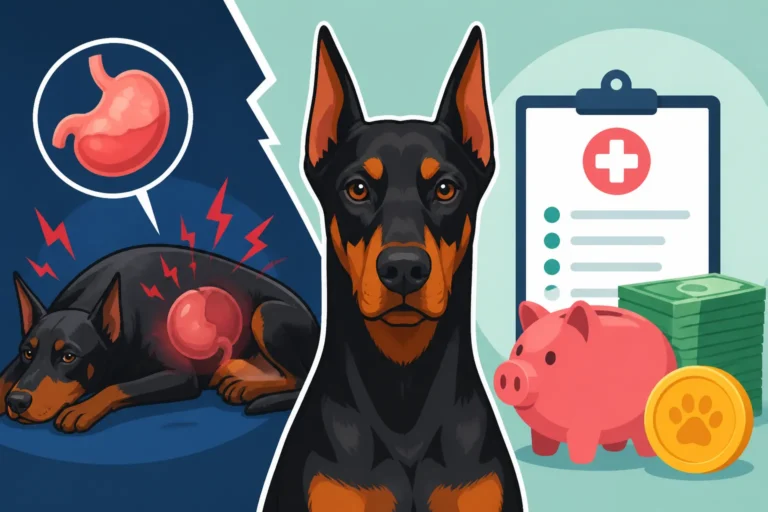
Starting your Doberman on a medication regimen for hepatitis is just the beginning. The real work involves diligent, ongoing monitoring, adjusting dosages as needed, and integrating crucial dietary changes to support their recovery and long-term health. It can feel incredibly overwhelming, especially with the potential for high veterinary bills that accumulate over time. This is where comprehensive pet insurance plans from providers like Healthy Paws can truly alleviate some of that financial stress, allowing you to focus on your Doberman's care rather than constantly worrying about the cost of tests and medications.
Regular Monitoring and Adjusting the Plan
Once treatment begins, regular follow-up appointments with your veterinarian are non-negotiable. This isn't a "set it and forget it" kind of treatment. These appointments typically involve repeat blood tests to monitor liver enzyme levels, bile acids, albumin, and coagulation parameters. Sometimes, a repeat liver biopsy might even be recommended to assess copper levels and inflammation directly, giving a clear picture of how the liver is responding to the chelators. These tests are vital for understanding how your Doberman is responding to the medication and whether dosages or specific medications need to be adjusted.
It's also essential for you to be an active observer at home. If your Doberman experiences side effects, such as persistent vomiting or a complete loss of appetite from a chelator like D-penicillamine, it's crucial to report this immediately. Your vet might need to modify the dose, change the administration schedule, or switch to an alternative medication. Keeping a detailed log of your Doberman's appetite, energy levels, water intake, and any noticeable changes in their stool or urination can be incredibly helpful for your vet in making informed decisions about their ongoing care. Don’t hesitate to discuss costs with your vet; understanding the potential long-term expenses, similar to The Yearly Heart Bill for a Doberman, can help you budget for liver disease management.
Dietary Changes: A Crucial Complement to Medication
Medication is powerful, but diet plays an equally critical role in managing Doberman hepatitis, especially copper-related issues. In fact, diet is often considered the first line of defense alongside chelation therapy. The primary goal is to feed a diet that is strictly low in copper. This almost always means prescription diets specifically formulated for liver support, which are carefully balanced to provide all necessary nutrients while minimizing copper intake and promoting liver regeneration. These specialized foods from brands like Royal Canin (e.g., Hepatic Support) or Hill's Science Diet (e.g., L/D) are formulated to protect the liver and prevent further copper accumulation. For a deeper dive into this, you might find specific guidance in Low-Copper Diets for a Doberman.
It's absolutely vital to avoid high-copper foods in your Doberman's diet. This includes common culprits like organ meats (especially liver), shellfish, mushrooms, nuts, certain legumes (like lentils and chickpeas), and some whole grains. It’s also crucial to be incredibly careful with any supplements and treats you offer, as many can be surprisingly high in copper without you realizing it. Always check ingredient lists and consult your vet.
Regarding protein levels, while it was traditionally thought that very low protein diets were best for liver disease, current understanding suggests that good quality, moderately restricted protein is actually more beneficial. This is because protein is essential for liver regeneration and repair, as long as it's not exacerbating hepatic encephalopathy (a rare complication). Your vet will guide you on the appropriate protein levels for your Doberman's specific condition and stage of disease. For some owners, particularly if their Doberman is very sensitive or won't eat prescription foods, a home-cooked meal plan might be considered. This, however, requires strict veterinary guidance from a board-certified veterinary nutritionist to ensure nutritional completeness and appropriate copper restriction, as discussed in Home Cooking for a Doberman With Liver Disease. Without expert advice, it's very easy to create an unbalanced diet that could do far more harm than good.
Long-Term Prognosis and Quality of Life
Living with a Doberman diagnosed with hepatitis, especially one with a genetic predisposition to copper storage disease, is truly a marathon, not a sprint. While there is often no "cure" in the sense of completely eradicating the genetic tendency, consistent medication and strict dietary management can significantly improve your Doberman's quality of life and often extend their lifespan considerably. Many Dobermans can live fulfilling and happy lives for years after diagnosis with proper management, especially if the disease is caught early.
Early and aggressive treatment, tailored to your Doberman's specific needs, is absolutely key, making discussions about Whether Doberman Liver Disease Can Be Caught Early profoundly important for owners and breeders alike. This ongoing commitment involves not just daily medication and careful feeding, but also regular veterinary check-ups and bloodwork to monitor their progress, as detailed in Monitoring Bloodwork for a Doberman Liver. While the journey can be challenging, seeing your Doberman thrive and enjoy their life despite their diagnosis is incredibly rewarding and makes all the effort worthwhile.
Proactive Steps and Support for Doberman Owners
Navigating a Doberman hepatitis diagnosis can feel incredibly isolating, but it’s crucial to remember you're not alone. Many Doberman owners face similar challenges, especially given the breed's genetic predispositions to various health issues. Being proactive with health testing, ensuring you have financial support, and building a strong network of veterinary professionals and fellow Doberman enthusiasts can make a world of difference in your journey.
The Importance of Early Detection and Breeder Responsibility
While this article focuses on the treatment and management of Doberman hepatitis, it's worth reiterating that preventing or catching the disease at its earliest possible stage is always preferable. Reputable Doberman breeders should be transparent about the health history of their breeding lines and engage in comprehensive health testing for their dogs. Even though there isn't a specific, widely available gene test for copper storage disease in Dobermans like there is for some other breeds, monitoring liver enzymes in breeding dogs and being acutely aware of any family history of liver issues is crucial.
When you're looking for a Doberman puppy, always ask extensive questions about the health of the parents and their lineage, and explicitly inquire about any history of liver issues or sudden deaths in the pedigree. This information, combined with asking about The Health Testing a Doberman Breeder Must Show for other common Doberman ailments, can help you make an informed decision and potentially reduce the incidence of such devastating diseases in future generations. Responsible breeding practices are the best long-term strategy for improving the health of the breed.
Building Your Support System
Don't hesitate to seek support from your entire veterinary team. This often means your primary veterinarian, but for complex conditions like chronic hepatitis, consulting with a board-certified veterinary internal medicine specialist is highly recommended. These specialists have advanced training in diagnosing and managing intricate diseases, and they can offer the most up-to-date treatment protocols and insights tailored to your Doberman's specific case. Their expertise can be invaluable in crafting the most effective long-term management plan.
Beyond professional medical advice, online Doberman communities and breed-specific forums can also be invaluable resources for sharing experiences, asking practical questions, and finding emotional support from fellow owners who truly understand the unique challenges and joys of owning this wonderful breed. However, it's vital to remember that while anecdotes from other owners can be helpful for emotional support, you should always defer to your veterinarian and specialists for medical decisions regarding your specific Doberman's health. The financial aspect of ongoing care, from specialized prescription foods to repeated diagnostic tests and lifelong medications, can be substantial. This is where a reliable pet insurance plan, such as those offered by Healthy Paws, really comes into its own. Having robust coverage can significantly ease the burden of expenses for long-term conditions, covering everything from routine blood panels that monitor Monitoring Bloodwork for a Doberman Liver to prescription medications that are essential for maintaining your Doberman's health. It means you can choose the best course of treatment without constantly worrying about the bill.
Considerations for Quality of Life
Ultimately, the goal of all medication, dietary management, and veterinary care is to ensure your Doberman has the best possible quality of life. This means not just managing the disease at a cellular level, but also ensuring they are comfortable, happy, and able to enjoy their daily activities and maintain their bond with you. Pay close attention to their demeanor, their appetite for food and life, and their energy levels. Are they still able to enjoy walks? Do they still greet you with enthusiasm?
While some Dobermans may require lifelong medication, the dedication and care you provide can make an enormous difference in how long and how well they live. It’s a partnership between you, your vet, and your beloved Doberman. If you ever feel overwhelmed, or if you begin to question whether your Doberman is still truly enjoying life despite the treatments, have an honest and empathetic conversation with your veterinarian about their current quality of life, their long-term prognosis, and what adjustments can be made to enhance their comfort and happiness.
Common Medications for Doberman Hepatitis
Here's a quick reference table for some of the common medications and supplements used in managing Doberman hepatitis. Always discuss these with your veterinarian before administering any treatment.
| Medication/Supplement | Primary Purpose | How it Works | Potential Side Effects (Dobermans) |
|---|---|---|---|
| D-Penicillamine | Copper Chelation | Binds to excess copper in the body, forming a complex that is then excreted via urine, actively reducing liver burden. | Nausea, vomiting, loss of appetite, lethargy. Usually mitigated by starting low and giving with food. |
| Trientine (Cuprid) | Copper Chelation (alternative) | Similar to D-penicillamine, it binds to copper for excretion. Often used if D-penicillamine is not tolerated or effective. | Generally fewer gastrointestinal upsets than D-penicillamine, but still possible. More expensive. |
| S-Adenosylmethionine (SAMe) | Liver Support, Antioxidant, Detoxification | Increases levels of glutathione, the body's primary antioxidant, protecting liver cells and aiding in their regeneration. | Generally very well-tolerated; rare mild gastrointestinal upset. Best given on an empty stomach. |
| Ursodiol (Ursodeoxycholic Acid) | Bile Flow Modifier, Anti-inflammatory | Thins bile, improving its flow from the liver; also possesses anti-inflammatory and immunomodulatory properties for liver cells. | Mild diarrhea or general gastrointestinal upset, though rare. Usually well-tolerated long-term. |
| Vitamin E | Antioxidant | Protects liver cells from oxidative stress and free radical damage, which are heightened during inflammation. | High doses can interfere with vitamin K (blood clotting) or other fat-soluble vitamins. Dosing must be veterinary-guided. |
| Prednisone (Corticosteroid) | Anti-inflammatory, Immunosuppressive | Potently reduces liver inflammation and suppresses immune responses that may be contributing to liver damage. | Increased thirst, urination, appetite, panting, behavioral changes, muscle wasting with long-term use. Used cautiously. |
Disclaimer
The information provided in this guide is for informational purposes only and does not constitute veterinary medical advice. Always consult with a qualified veterinarian for any health concerns or before making any decisions about your Doberman's medical care or treatment.