Weight Gain and Low Energy in a Doberman
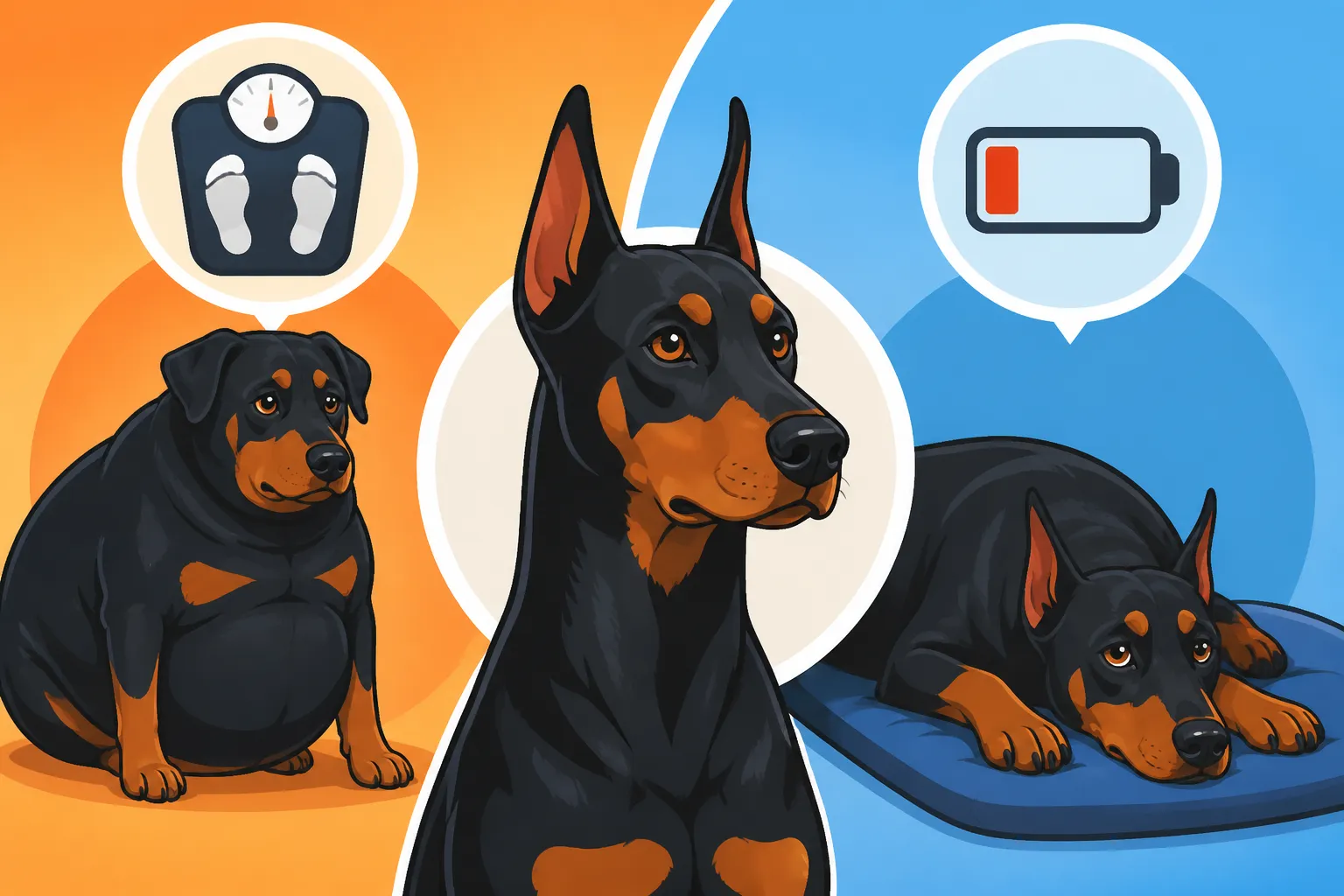
It’s incredibly unsettling when your usually vibrant Doberman starts to slow down, gaining weight without a clear reason or simply lacking their characteristic zest for life. You might worry it's just a sign of aging, or perhaps something more serious lurking beneath the surface. This guide will walk you through the common culprits behind weight gain and low energy in Dobermans, exploring both typical age-related changes and crucial health conditions, so you can understand what might be happening and how to get your beloved companion back on track.
Understanding Normal Doberman Metabolism and Energy Levels
Dobermans are renowned for their sleek, muscular physique and boundless energy. They’re dogs built for action, always ready for a run, a training session, or just shadowing your every move around the house. When that signature drive starts to wane, it's natural to feel a knot of concern in your stomach. It’s not just about a few extra pounds; it’s about a fundamental shift in their wellbeing.
What's Typical for a Healthy Doberman?
A healthy Doberman, particularly in their prime years, is typically lean, with visible ribs (but not protruding), a clear tuck-up at the waist, and well-defined musculature. Their energy levels are generally high, requiring regular exercise and mental stimulation to prevent boredom and destructive behaviors. They love to be involved, whether it's a vigorous game of fetch, a long hike, or learning new tricks. Their metabolism is usually quite efficient, burning through calories at a good clip, especially with their active lifestyle.
However, as they mature, slight changes are inevitable. You might notice they don't quite sprint as hard or as long, or that their afternoon nap stretches a little longer. These subtle shifts are often part of the natural aging process. But when the changes are more pronounced – significant weight gain, a reluctance to play, or an inability to keep up on walks they once adored – it’s time to look deeper than just "getting older." Understanding these baselines is key to spotting when something isn't right. For more on what to expect as they age, consider reading about The Doberman Years When Everything Shows Up.
The Impact of Age on Doberman Vitality
Just like us, Dobermans don't remain puppy-level energetic forever. As a Doberman approaches their middle and senior years (typically starting around age 6-8), their metabolism can naturally slow down. They might not need as many calories as they did in their peak athletic phase. Their joints might not be as eager for intense activity, leading to a more sedentary lifestyle. This combination of a slower metabolism and reduced activity can be a perfect storm for gradual weight gain.
It’s a common frustration for owners: you’re feeding the same amount, perhaps even less, but the scale keeps creeping up. This isn't necessarily a failure on your part. It's often physiological. Their body composition changes, with a slight decrease in muscle mass and an increase in fat percentage, even if their overall weight doesn't skyrocket. This shift also contributes to lower energy levels, as their body simply doesn't have the same youthful vigor. The challenge lies in discerning these normal age-related shifts from the early signs of underlying health issues.
Medical Conditions Behind Weight Gain and Low Energy in Dobermans
When a Doberman starts putting on weight or seems unusually lethargic, it's easy to dismiss it as normal aging or simply overfeeding. But with a breed known for certain genetic predispositions, it's absolutely critical to consider underlying medical conditions. These aren't always obvious at first glance, and early detection can make a world of difference.
Hypothyroidism: A Common Culprit
One of the most frequently diagnosed medical reasons for both weight gain and low energy in Dobermans is hypothyroidism. This condition occurs when the thyroid gland doesn't produce enough thyroid hormones, which are essential for regulating metabolism. Without adequate thyroid hormone, the body's processes slow down significantly.
You might notice more than just a thicker waistline. Your Doberman might seem less interested in walks, sleeping more, and generally acting duller. Their coat might become dry, brittle, or even start thinning, especially on their flanks. Some Dobermans develop "rat tail," where the hair on the tail becomes sparse. They may also become more sensitive to cold, seeking out warm spots more often, which is a big deal for a breed with such a thin coat. If you suspect thyroid issues, a vet will usually run a comprehensive thyroid panel. Treatment is typically lifelong oral medication, which, once regulated, can dramatically improve your Doberman's energy levels and help manage their weight. You can dive deeper into this topic by exploring The Thyroid Numbers That Slow a Doberman Down.
Dilated Cardiomyopathy DCM and Heart Health
Dobermans are notoriously susceptible to Dilated Cardiomyopathy (DCM), a devastating heart disease where the heart muscle weakens and enlarges, becoming less efficient at pumping blood. While dramatic symptoms like fainting or coughing usually appear in later stages, subtle signs of low energy and even some weight changes can be early indicators. A Doberman in the early, "occult" phase of DCM might not show obvious outward signs of heart trouble. They might just seem a little less enthusiastic on walks, perhaps tire more quickly, or seem generally quieter. Their body is working harder to compensate for a struggling heart, which can impact their overall energy.
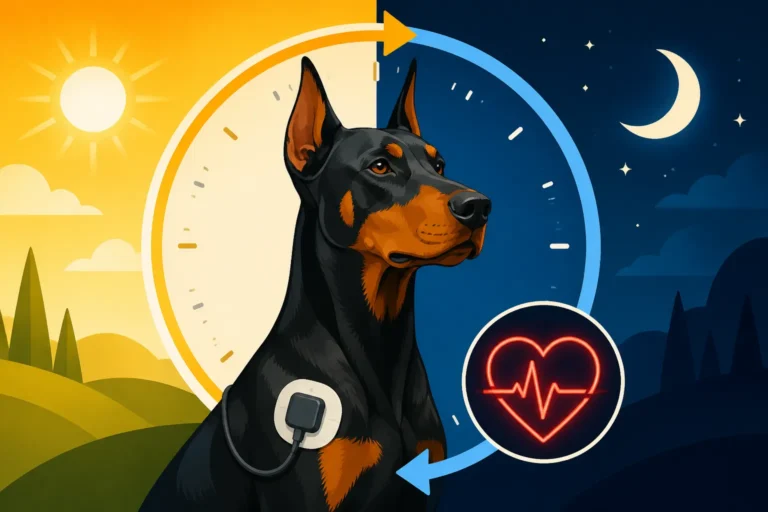
It's less common for DCM to directly cause weight gain, as heart failure often leads to fluid retention which can look like weight gain, or in later stages, muscle wasting. However, the reduced activity due to feeling unwell or tired can indirectly lead to weight gain if calorie intake isn't adjusted. Regular cardiac screening, including annual echocardiograms and Holter monitoring, is paramount for Dobermans to catch DCM early. This proactive approach is why many Doberman owners start Annual Echo and Holter Screening for a Doberman from a young age. While insurance providers like Healthy Paws can help manage the substantial costs associated with these screenings and subsequent treatments, it’s crucial to enroll your Doberman before any heart issues are diagnosed, as pre-existing conditions are typically excluded.
Other Less Common, But Significant, Conditions
Beyond thyroid issues and heart disease, several other conditions can manifest with symptoms of low energy and/or weight changes:
- Wobbler Syndrome: This neurological condition affecting the neck and spinal cord can cause weakness and an uncoordinated gait, leading to reduced activity and thus potential weight gain. A Doberman might present with a reluctance to move, difficulty rising, or a distinctive "wobbly" walk, leading them to be less active. If your Doberman is exhibiting an odd gait, it’s worth investigating A Doberman That Walks With Its Head Down.
- Copper Storage Hepatopathy: This liver disease, which Dobermans are prone to, involves the accumulation of excessive copper in the liver. Early stages can be silent, but as the disease progresses, it can cause lethargy, poor appetite (leading to weight loss initially, but sometimes an overall unwell feeling that impacts activity), and eventually liver failure.
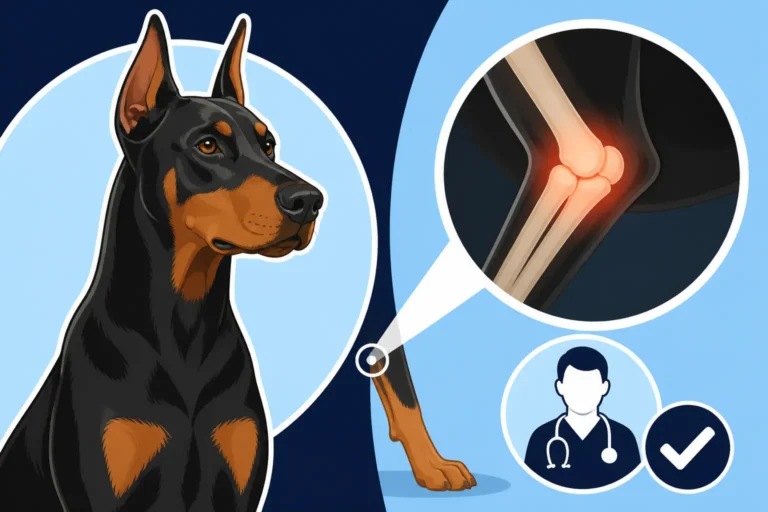
- Arthritis and Joint Pain: As Dobermans age, or if they have hip or elbow dysplasia (though less common than in some other large breeds), joint pain can significantly reduce their willingness to exercise. This reduction in activity naturally leads to less calorie expenditure and, if diet isn't adjusted, weight gain. You might notice stiffness, limping, or difficulty getting up or down. Pay attention if you notice Stiffness in a Doberman That Used to Sprint.
- Cancer: Unfortunately, Dobermans are susceptible to various cancers, including lymphoma and osteosarcoma. Lethargy, unexplained weight loss or gain, and a general malaise can all be signs of cancer. Any persistent, unexplained change in your Doberman's energy or weight should prompt a thorough veterinary check-up.
- Addison's Disease: While not as common as hypothyroidism, Addison's disease (hypoadrenocorticism) can cause vague symptoms like lethargy, weakness, vomiting, and loss of appetite. These can lead to a general "off" feeling that impacts energy levels.
Lifestyle and Dietary Factors Contributing to Changes
It's easy to jump to the worst conclusions when your Doberman seems off. While medical conditions are critical to rule out, sometimes the answers lie closer to home, in their daily routine and what's in their bowl. Dobermans thrive on consistency and appropriate care, and even small deviations can lead to noticeable changes in their weight and energy.
Overfeeding and Inappropriate Diet
Let's be honest, it's easy to spoil our Dobermans with extra treats or slightly larger portions, especially when they give us those soulful Doberman eyes. However, even a small excess in calories each day can add up quickly over weeks and months, leading to gradual weight gain. A common mistake is feeding an adult Doberman the same amount of food they ate during their rapid growth phases or when they were at their peak athleticism, even if their activity level has decreased.
The type of food also plays a huge role. Many commercial dog foods are calorie-dense. While excellent for an active, working Doberman, they might be too rich for a more sedentary companion. Treats, table scraps, and even dental chews all contribute to their daily caloric intake and often go uncounted. Understanding How Many Cups an Adult Doberman Eats and adjusting it to their actual energy expenditure is crucial. Consulting your vet for a precise feeding guide based on your Doberman's ideal weight, age, and activity level is always a good idea. They can help you calculate how many cups an adult Doberman eats to maintain a healthy weight.
Lack of Sufficient Exercise and Mental Stimulation
Dobermans are not couch potatoes by nature. They were bred to be active working dogs, requiring significant physical exercise and mental engagement to stay healthy and happy. If your Doberman isn't getting enough opportunities to burn off energy, whether it's through walks, runs, playtime, or structured training, that unspent energy can translate into lethargy and, eventually, weight gain. A bored Doberman can also become destructive, but often, they just become sluggish.
They need more than a quick stroll around the block. Aim for at least 60-90 minutes of vigorous exercise daily, broken into multiple sessions. This could include jogging, swimming, fetch in a secure yard, or structured training that challenges their minds. Without sufficient exercise, their metabolism slows, muscles atrophy, and they become less inclined to move, creating a vicious cycle of weight gain and low energy.
Environmental Factors and Stress
Even seemingly minor environmental changes or stressors can impact a Doberman's overall energy and well-being. A change in routine, a new pet, a move to a different home, or even prolonged periods of being left alone can cause stress. Some Dobermans might cope by becoming withdrawn and less active, while others might develop anxiety or destructive habits.
Additionally, Dobermans, with their single coat and minimal body fat, are particularly sensitive to cold weather. If you live in a colder climate and don't provide adequate warmth, your Doberman might become reluctant to go outside for walks or outdoor play, contributing to reduced activity. This is why many owners invest in quality dog coats, especially if they have a Doberman that feels the cold easily. If you live in a colder climate, it's important to know The Temperature a Doberman Needs a Coat.
Steps to Take When Your Doberman's Health Shifts
When your Doberman shows signs of unexplained weight gain or low energy, it’s a clear signal that something needs attention. Don’t delay in taking action; early intervention can often prevent more serious issues or simply improve their quality of life dramatically. It’s about being a proactive Doberman parent.
Schedule a Comprehensive Veterinary Exam
The absolute first step is to schedule a thorough check-up with your veterinarian. Be prepared to discuss all the symptoms you’ve noticed, no matter how minor they seem. This isn’t just a routine wellness visit; it’s an investigation.
Your vet will likely perform a full physical exam, checking their weight, body condition score, listening to their heart and lungs, and palpating their abdomen. They will also likely recommend a series of diagnostic tests. This usually includes:
- Full Bloodwork: This panel will assess organ function (kidney, liver), red and white blood cell counts, and often includes a thyroid panel to check for hypothyroidism.
- Urinalysis: To rule out kidney issues, diabetes, or urinary tract infections.
- Cardiac Screening: Depending on your Doberman's age and previous history, your vet might recommend an echocardiogram (ultrasound of the heart) and/or a 24-hour Holter monitor to check for DCM. These are specialized tests, often performed by a veterinary cardiologist, but a general vet can typically refer you. For more information about the importance of heart screening, you can read The Heart Disease That Reaches Most Dobermans.
- Other Imaging: If joint pain is suspected, X-rays might be necessary. For neurological signs like a wobbly gait, an MRI of the neck could be recommended to diagnose Wobbler Syndrome.
It’s an investment, both in time and finances, but it's invaluable. Remember that veterinary insurance, like that offered by Healthy Paws, can be a huge help in managing these unexpected costs, especially if your Doberman receives a diagnosis requiring ongoing care. Getting a Doberman Covered Before the First Echo is always the best strategy.
Adjusting Diet and Exercise
Once any underlying medical conditions have been addressed or ruled out, focusing on diet and exercise becomes paramount. This is where you, as the owner, have the most direct control.
Crafting a Balanced Nutritional Plan
Work with your vet to determine the appropriate caloric intake for your Doberman based on their ideal weight, current activity level, and any specific health needs.
- Portion Control: Accurately measure your Doberman's food. Don't eyeball it. Use a measuring cup or, ideally, a kitchen scale for precision.
- Quality Food: Ensure you're feeding a high-quality, balanced dog food appropriate for their life stage. Some Dobermans might benefit from foods with slightly lower fat content if weight loss is the goal.
- Limit Treats: Treats should make up no more than 10% of their daily caloric intake. Consider healthy alternatives like plain carrots, green beans, or small pieces of lean cooked chicken.
- Meal Timing: Splitting their daily food into two or three smaller meals can also help with digestion and prevent them from feeling overly full, especially for Dobermans prone to bloat. It's often recommended for a Doberman not to be fed one big meal.
Reinvigorating Their Exercise Routine
Slowly and safely increase your Doberman’s activity levels. Always consult your vet before starting any new, intense exercise regimen, especially if they’ve been sedentary or have a new diagnosis.
- Gradual Increase: Don't go from zero to marathon runner overnight. Start with longer, more frequent walks and gradually introduce more vigorous activities.
- Variety is Key: Mix up their routine to keep them engaged. This could include different walking routes, trips to a dog-friendly park for off-leash play (if safe and appropriate), swimming, or structured obedience training sessions.
- Mental Stimulation: Exercise isn't just physical. Incorporate puzzle toys, training sessions, and scent work to challenge their intelligent Doberman minds. A mentally stimulated Doberman is often a happier, more energetic Doberman.
- Consider a Trainer or Dog Sports: If your Doberman still seems reluctant, or you need guidance, a professional trainer can offer tailored exercise and mental enrichment plans. Dobermans excel in activities like obedience, agility, and nose work, which can be fantastic for both their physical and mental well-being.
Monitoring and Ongoing Care
Bringing your Doberman back to their optimal weight and energy is an ongoing process. Regular monitoring and consistent care are key.
- Regular Weigh-Ins: Keep a log of their weight and body condition score. This helps you track progress and make timely adjustments to their diet or exercise.
- Observe Energy Levels: Note changes in their eagerness to play, their stamina on walks, and their general demeanor. These are critical indicators of their overall health.
- Follow Vet Recommendations: Adhere strictly to any medication schedules or follow-up appointments recommended by your vet. If your Doberman is on medication for hypothyroidism, for instance, regular blood tests will be needed to ensure the dosage is correct.
- Annual Check-ups: Even with an active Doberman, annual veterinary check-ups remain crucial. As they age, your vet might recommend Screening an Older Doberman More Often, especially for conditions like DCM.
By being vigilant, proactive, and working closely with your veterinarian, you can help your Doberman maintain a healthy weight and vibrant energy throughout their life, ensuring they remain the active, loyal companion you cherish.
Disclaimer
This article is intended for informational purposes only and does not constitute medical advice. Always consult with a qualified veterinarian for any health concerns or before making any decisions about your Doberman's care, diet, or treatment.