Cognitive Change in an Old Doberman
It's absolutely heartbreaking to watch our beloved Dobermans slow down, and even more so when their minds start to wander. That familiar spark in their eyes might dim, and the sharp, intelligent companion you've always known can begin to seem confused or distant. This guide is here to walk you through understanding, recognizing, and compassionately managing cognitive changes in your senior Doberman, offering practical advice and much-needed reassurance.
Recognizing the Subtle Signs of Cognitive Decline in Your Doberman
Dobermans are renowned for their intelligence and alertness, which can make any shift in their mental acuity particularly noticeable and often quite distressing for us, their devoted owners. It’s not always a sudden drop; often, cognitive decline creeps in slowly, making it easy to dismiss early signs as "just old age." However, paying close attention to these subtle changes is crucial.
Changes in Interaction and Social Behavior
One of the most profound and emotionally difficult aspects of cognitive decline is witnessing a change in your Doberman's personality and how they interact with their world and family. They might start to seem less engaged, perhaps even appearing aloof or indifferent to things that once excited them. Think about that familiar greeting at the door – does it lack its usual enthusiasm? Do they still push their head under your hand for a demanding pet, or do they simply lie there, watching you pass by?
You might notice an increase in irritability or anxiety in situations they once handled with ease. A Doberman who used to love visitors might now growl or shy away, or conversely, a normally reserved dog might become overly clingy, following you from room to room with an intensity that feels different from their usual "Velcro Doberman" tendencies. They might stare blankly at family members, as if trying to place a familiar face, which can be incredibly unsettling. These shifts aren't signs of disobedience; they're often a symptom of confusion and fear, a desperate attempt to make sense of a world that's becoming increasingly unfamiliar. For more on the general health checks needed as they age, take a look at Screening an Older Doberman More Often.
Disorientation and Spatial Confusion
Our homes are usually familiar territories for our Dobermans, a map etched into their minds over years. But with cognitive decline, this map can become blurred. You might see your senior Doberman pacing aimlessly, often in repetitive patterns, or getting "stuck" in corners or behind furniture, seemingly unable to figure out how to back out. It’s heartbreaking to watch them become bewildered in their own living space.
They might forget where their food bowl is, even if it's in the same spot it's always been, or stand at the wrong door to go outside. Nighttime can exacerbate this disorientation, leading to increased restlessness, vocalization, or wandering. Imagine waking up to find your Doberman standing in the middle of a room, staring at a wall, looking utterly lost. This isn't them being naughty; it's a genuine inability to navigate their environment or recall basic spatial awareness. It’s a clear indicator that their brain isn't processing information as it once did.
Altered Sleep-Wake Cycles and Restlessness
The natural rhythm of day and night can completely unravel for a Doberman suffering from cognitive decline. Many owners report that their older dogs begin to sleep excessively during the day, often in deep, unresponsive naps, only to become wide awake and restless as evening falls. This nocturnal wandering or pacing can be incredibly disruptive, not just for the dog, but for the entire household.
Your Doberman might pace incessantly, whine, bark, or seem distressed during the nighttime hours. They might nudge you for attention, not out of malice, but because they are genuinely agitated, confused, or anxious about their surroundings. This reversal of the sleep-wake cycle is a classic symptom of Canine Cognitive Dysfunction Syndrome and is one of the most frustrating for owners to manage, as it directly impacts their own rest and well-being. Understanding that this isn't intentional misbehavior can help you approach these moments with more patience and empathy.
Understanding Canine Cognitive Dysfunction Syndrome (CCDS)
When we see these changes, it's natural to wonder what's really happening. Is it just "old age," or is there something more specific going on? The answer, more often than not, points to Canine Cognitive Dysfunction Syndrome (CCDS), a condition that goes beyond the normal slowing down that comes with aging.
What Exactly is CCDS?
Canine Cognitive Dysfunction Syndrome is a progressive neurodegenerative disorder in dogs, remarkably similar to Alzheimer's disease in humans. It's not just about a dog getting a bit forgetful; it involves significant changes in the brain that impact memory, learning, awareness, and even how they interact with their environment. While it's more common in senior dogs, particularly those over the age of eight, it's crucial to understand that it's a disease process, not just an inevitable part of growing old. Just like with people, some dogs age gracefully with full mental faculties, while others face significant cognitive challenges.
The onset is usually gradual, which is why those early, subtle signs are so easy to miss or dismiss. But as the condition progresses, the symptoms become more pronounced, affecting your Doberman's daily life and quality of life. It’s a diagnosis that can only truly be made after ruling out other medical conditions, which is why a thorough veterinary check-up is paramount.
The Underlying Brain Changes in Older Dobermans
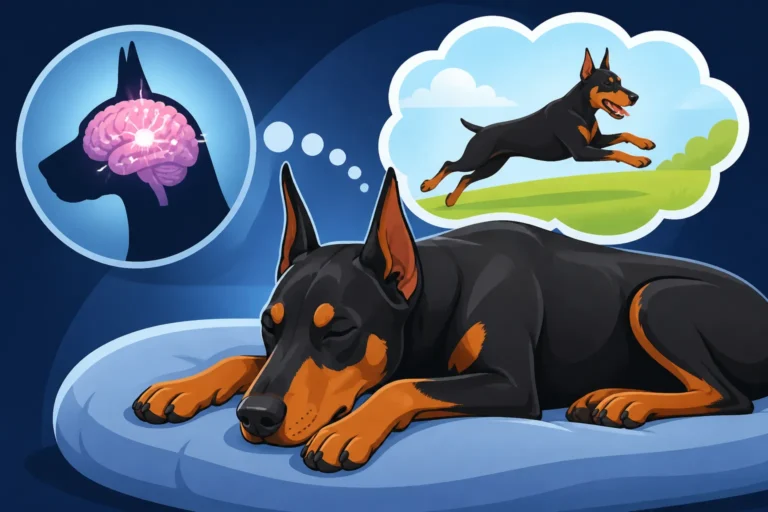
At a microscopic level, CCDS involves concrete changes within your Doberman's brain. Scientists have observed the accumulation of amyloid-beta plaques, which are abnormal protein deposits similar to those found in human Alzheimer's patients. These plaques disrupt normal brain function and lead to the degeneration of neurons.
Additionally, there's a reduction in neurotransmitters, the chemical messengers that allow brain cells to communicate effectively. For example, a decrease in dopamine can affect mood, motivation, and motor control, while changes in other neurotransmitters can impact memory and learning. These physical and chemical alterations in the brain are what manifest as the behavioral and cognitive symptoms you observe. It’s a silent battle happening within their minds, slowly eroding their cognitive abilities, and it helps to understand this isn't something they can simply "try harder" to overcome.
Differentiating CCDS from Other Health Issues
This is perhaps the most critical step when you first notice changes in your Doberman's behavior. Many other common senior dog ailments can mimic symptoms of cognitive decline, making a differential diagnosis absolutely essential. For instance, pain from arthritis or Stiffness in a Doberman That Used to Sprint can lead to restlessness, irritability, or reluctance to engage. Vision or hearing loss might cause disorientation or a lack of response to commands.
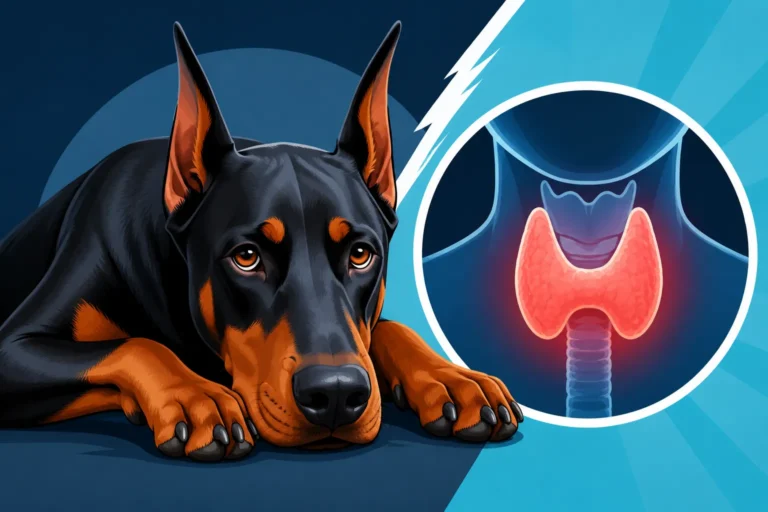
Metabolic diseases, such as hypothyroidism, which can cause The Thyroid Numbers That Slow a Doberman Down and general lethargy, can also be mistaken for cognitive issues. Even urinary tract infections or kidney disease can lead to increased urination accidents and altered sleep patterns. More serious conditions like brain tumors can also present with cognitive changes. This is why a comprehensive veterinary examination, including Blood Panels Worth Running on an Old Doberman, urinalysis, and potentially imaging, is non-negotiable. Only by ruling out these other treatable conditions can your vet confidently diagnose CCDS and recommend appropriate management strategies. This is also where pet insurance like Healthy Paws can truly be a lifesaver, helping to cover the diagnostic costs that can quickly add up.
Strategies for Managing Cognitive Change and Supporting Your Senior Doberman
While there's no cure for CCDS, there's a great deal we can do to manage the symptoms, slow its progression, and significantly improve our Doberman's quality of life. It’s about creating a supportive environment and working closely with your veterinarian.
Environmental Modifications and Routine Adjustments
Consistency is your best friend when caring for a Doberman with cognitive decline. Maintaining a predictable daily routine for feeding, walks, and potty breaks can provide a sense of security and reduce anxiety in a dog whose memory is fading. Try to avoid major changes to furniture layout or your Doberman’s sleeping area, as this can increase their disorientation.
Consider making your home senior-friendly. Use nightlights in hallways or areas where your Doberman might wander at night to help them navigate. Place easy-to-reach water bowls and comfortable bedding in multiple locations. If they're prone to getting stuck, block off tricky corners or provide ramps if stairs are becoming a challenge. Non-slip rugs on slick floors can also prevent falls and build confidence. Simple adjustments can make a profound difference in their comfort and sense of safety, and help manage that confusing time when A Doberman That Tires Faster Than It Used To.
Nutritional Support and Supplements
Diet plays a significant role in supporting brain health. Many premium dog food brands now offer formulations specifically designed for senior dogs, often enriched with antioxidants, omega-3 fatty acids (like DHA and EPA), and other brain-supporting nutrients. These ingredients can help reduce oxidative stress and inflammation in the brain, potentially slowing the progression of cognitive decline. When you are considering Feeding and Grooming a Doberman Past Eight, it is worth researching these specialized diets.
In addition to diet, your vet might recommend specific supplements. S-Adenosylmethionine (SAMe) and phosphatidylserine are two commonly used supplements that have shown promise in improving cognitive function in some dogs. Antioxidants like Vitamin E and C can also be beneficial. Always discuss any dietary changes or supplements with your veterinarian before introducing them, as they can interact with other medications or conditions. Ensuring your Doberman gets the right nutrients can be a proactive step in maintaining their well-being.
Medication and Veterinary Interventions
Your veterinarian is your most important ally in managing CCDS. There are prescription medications available that can help improve cognitive function and reduce behavioral symptoms. Selegiline hydrochloride (brand name Anipryl) is one such medication, approved for canine cognitive dysfunction. It works by increasing dopamine levels in the brain, which can help improve memory, learning, and overall awareness. It's not a cure, but it can significantly enhance your Doberman's quality of life.
Other medications might be prescribed to address specific symptoms, such as anti-anxiety medications for severe nighttime restlessness or irritability. The costs associated with diagnostics and long-term medication for CCDS can be substantial, and this is where a good pet insurance policy, like one from Healthy Paws, can provide invaluable financial support, ensuring you can afford the best care for your aging Doberman without breaking the bank. Discussing all available options with your vet, including potential side effects and expected outcomes, is key to developing a comprehensive management plan tailored to your Doberman's needs.
Maintaining Quality of Life and When to Consider Difficult Decisions
Caring for an older Doberman with cognitive decline is a journey filled with love, patience, and sometimes, profound sadness. Our ultimate goal is always to ensure they live their remaining years with dignity and comfort.
Engaging Your Doberman's Mind Gently
Even with cognitive decline, your Doberman's brain still needs gentle stimulation. Short, positive training sessions, focusing on cues they already know, can help reinforce neural pathways and boost their confidence. Think of it as mental physiotherapy. Puzzle toys that dispense treats can engage their minds without requiring intense physical exertion. Activities like Nose Work as a Low-Impact Doberman Sport can also be wonderful, as scent work taps into their primal instincts and can be very rewarding, even for a cognitively challenged dog.
Keep walks shorter and in familiar, safe environments to prevent overstimulation or disorientation. Allow them to sniff and explore at their own pace. The key is to keep things low-stress and positive, celebrating small successes. Avoid introducing new commands or complex situations that might frustrate them. The aim is to enrich their life and keep them connected to their world in a way they can understand and enjoy.
The Emotional Toll on Owners
It’s impossible to talk about cognitive decline without acknowledging the immense emotional burden it places on us, the owners. Watching your Doberman forget things, become confused, or act out of character can feel like a slow, painful loss. There's grief for the dog they once were, frustration with the challenges, and guilt that you might not be doing enough. It’s okay to feel all these emotions.
Caring for a senior dog with special needs, especially one with disrupted sleep patterns, can lead to exhaustion and stress. Reach out to support groups for owners of senior dogs, or talk to friends and family who understand. Remember that you are doing your best, and providing comfort and love in their twilight years is the greatest gift you can give them. Organizations like Healthy Paws often have resources or community forums that can connect you with others navigating similar paths.
Assessing Quality of Life and End-of-Life Care
This is often the most agonizing part of the journey. As CCDS progresses, there may come a point where your Doberman’s quality of life significantly diminishes, despite all your best efforts. It’s crucial to have open and honest conversations with your veterinarian about your Doberman's comfort, happiness, and overall well-being. Tools like the "HHHHHMM Scale" (Hurt, Hunger, Hydration, Hygiene, Happiness, Mobility, More Good Days Than Bad) can provide a structured way to assess your dog's daily experiences.
It's about weighing their good days against their bad days. Are they still able to find joy in anything? Are they comfortable? Is their confusion causing them significant distress? Making the decision to say goodbye is one of the hardest things any pet owner faces, but it's also the ultimate act of love to prevent prolonged suffering. When considering a dog with other serious conditions, the discussions are similar, as seen in topics like Deciding When a Doberman With DCM Has Had Enough. Focusing on Keeping a Failing Doberman Comfortable at Home for as long as possible is admirable, but recognizing when comfort and dignity can no longer be maintained is paramount. Your vet can help you understand when it might be time to consider humane euthanasia, ensuring your beloved Doberman leaves this world peacefully, surrounded by your love.
Here's a quick overview of common CCDS symptoms and what you can do:
| Symptom Category | Specific Examples | Management Strategies |
|---|---|---|
| Disorientation | Pacing, getting stuck, staring blankly, getting lost indoors | Consistent routine, nightlights, clear pathways, avoid moving furniture, restricted safe areas. |
| Interaction Changes | Less greeting, increased irritability/clinginess, indifference | Maintain positive, predictable interactions, gentle touch, recognize fear/anxiety, seek vet advice. |
| Sleep-Wake Cycle | Restlessness at night, excessive daytime sleeping, vocalizing | Consistent bedtime routine, quiet sleep area, adequate daytime stimulation, medication if prescribed. |
| House-Soiling | Accidents indoors, forgetting to signal to go out | More frequent potty breaks, easy outdoor access, absorbent pads, veterinary check for UTIs. |
| Activity Level | Decreased desire to play, aimless wandering, lethargy | Gentle exercise, short walks, interactive puzzle toys, consistent mental stimulation. |
Disclaimer
Please remember that this article is intended for informational purposes only and is not a substitute for professional veterinary advice. Always consult with a qualified veterinarian for any health concerns or before making any decisions about your Doberman's medical care or treatment plan.