Chronic Ear Infections in a Cropped Doberman
It’s incredibly frustrating when you’ve gone through the process of having your Doberman’s ears cropped, perhaps even believing it would prevent future ear problems, only to find yourself dealing with persistent, chronic ear infections. You’re not alone in this struggle; many Doberman owners face this exact challenge, wondering why their dog is still suffering despite the perceived benefits of cropping. This guide will walk you through the real reasons behind chronic ear infections in cropped Dobermans, how to recognize the often subtle signs, and the comprehensive strategies to diagnose, treat, and hopefully prevent these uncomfortable recurrences.
Why Cropped Ears Still Get Infections
There's a common misconception out there that ear cropping is primarily done to prevent ear infections. While a fully upright, open ear canal can offer better airflow than a long, floppy ear, the reality for cropped Dobermans isn't always that simple. Many owners are surprised and disheartened to find their Dobe still battling infections, sometimes even more frequently than they might have expected. It’s important to understand that cropping itself doesn't offer a magic shield against every type of ear trouble, and several factors can still conspire to make your dog’s ears a hotbed for irritation.
The Myth Versus Reality of Ear Cropping
Let's clear the air on this. The traditional argument for ear cropping often includes the idea that it reduces the incidence of ear infections by improving air circulation and reducing moisture buildup. For certain breeds with very heavy, pendulous ears that truly seal off the ear canal, there might be a grain of truth to the improved airflow aspect. However, Dobermans typically have semi-prick or rose ears naturally, which don't entirely cover the ear canal to the same extent as, say, a Basset Hound's. Once cropped and properly posted, a Doberman's ears stand erect, which theoretically should help with air circulation.
The problem is, this improved airflow doesn't address the underlying causes of most chronic ear infections. It's not usually just a matter of external environment; often, it's something internal or a persistent irritant that keeps bringing the infections back. Thinking that a cropped ear is a healthy ear by default can lead to overlooking these deeper issues, prolonging your Doberman's discomfort and your frustration as an owner. If you're wondering about the commitment and process of getting this done, our guide on Doberman Ear Cropping From Surgery to Last Posting offers a deep dive into the entire journey.
Factors Contributing to Infection in Cropped Ears
Even with perfectly erect, open ears, Dobermans can still fall victim to chronic ear infections. The primary culprits often have less to do with the external ear structure and more to do with what's happening inside the ear canal or throughout your dog's body.
- Allergies: This is, hands down, one of the biggest reasons for recurrent ear infections in Dobermans, and honestly, in many dog breeds. Dogs with environmental allergies (atopy) or food allergies often manifest their allergic reactions through their skin, and the lining of the ear canal is essentially specialized skin. When an allergen triggers a reaction, the ear canal becomes inflamed, itchy, and moist, creating the perfect warm, dark environment for bacteria and yeast to overgrow. It’s a vicious cycle where the allergy causes inflammation, which then leads to infection, and the infection itself can further irritate the ear. It’s worth noting that if your Doberman also struggles with skin issues like dandruff or flaky patches, or even Skin Care Costs for a Blue Doberman, this strongly points to an underlying allergic component.
- Anatomy of the Ear Canal: While the outer ear may be open, the internal structure of a dog's ear canal is still long and L-shaped, making it a challenging area for air to fully circulate and for debris or moisture to exit naturally. This design, common to all dogs, means that even minor inflammation or a little trapped water can quickly become a problem zone.
- Moisture Trapping: Despite the upright stance, if your Doberman loves to swim, gets frequent baths where water might enter the ear, or lives in a very humid climate, moisture can still get trapped deep within the ear canal. This dampness encourages the growth of opportunistic bacteria and yeast.
- Incomplete Treatment: One of the most common reasons for a chronic infection is that previous treatments didn't fully resolve the initial issue. Maybe the medication wasn't given for long enough, or the wrong type of medication was used for the specific pathogen. If some bacteria or yeast linger, they quickly multiply, bringing the infection right back.
- Foreign Bodies: Less common, but a tenacious grass awn or other small foreign object can lodge deep in the ear canal, causing constant irritation and providing a focal point for infection. This is particularly true if your Doberman spends a lot of time exploring tall grasses or fields.
Understanding these underlying factors is the first step toward breaking the cycle of chronic ear infections for your Doberman.
Recognizing the Signs of a Doberman Ear Infection
When your Doberman has chronic ear infections, the signs might not always be as obvious as a severely swollen, painful ear. Sometimes, your dog will show very subtle cues that you might miss, especially if you're used to them being a little head-shaky from time to time. However, learning to spot these early indicators can save your Doberman a lot of discomfort and prevent the infection from spiraling into a more severe issue.
Subtle Indicators You Might Miss
Dobermans are stoic animals, and they might not always cry out in pain even when they're very uncomfortable. This means you need to be a keen observer of their behavior and subtle physical changes.
- Increased Head Shaking: This is often the first and most common sign. Your Doberman might shake its head more frequently or vigorously than usual. It’s their way of trying to dislodge whatever is irritating them. It might be a quick, violent shake after they’ve been resting, or more persistent during play.
- Subtle Scratching: You might notice your Doberman scratching at one ear with a back paw, or rubbing the side of its head against furniture or the carpet. This might not be a frantic, constant scratch, but rather intermittent and less noticeable actions. Pay attention to which ear they focus on.
- Changes in Ear Position or Droop: Even with cropped ears, an uncomfortable Doberman might hold the affected ear slightly lower or at an unusual angle. The muscles might be tense or sore, leading to a slight "droop" that's out of character for their normally upright ears.
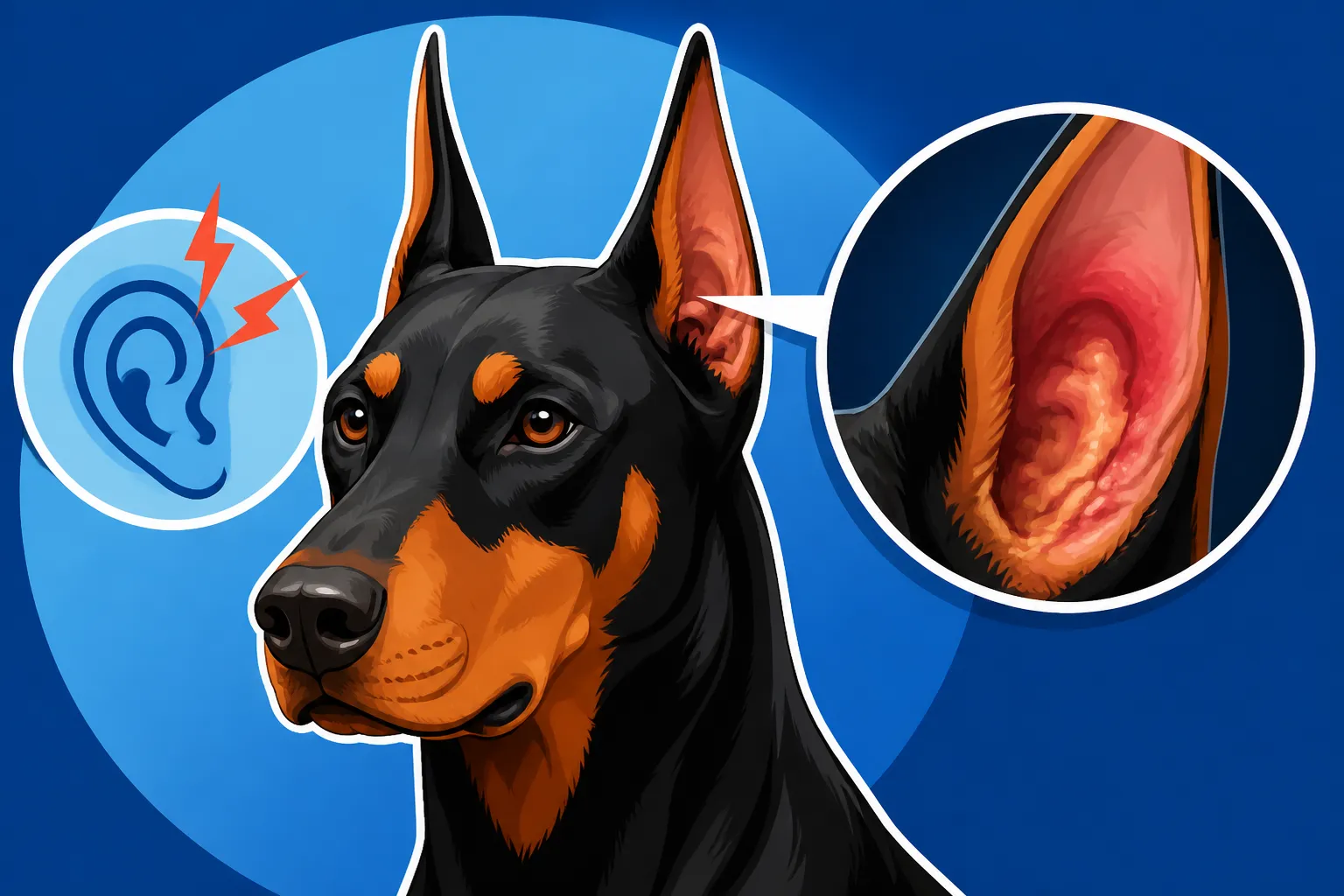
- Redness or Mild Swelling: Gently lift your Doberman's cropped ear and peek inside the ear canal opening. You might notice the skin looking a little pinker than usual, or perhaps slightly puffy. This inflammation can be a precursor to a full-blown infection.
- Changes in Behavior: Is your Doberman a bit more withdrawn? Less enthusiastic about play? Snapping or guarding their head when you try to pet them? Pain and discomfort from an ear infection can make even the happiest Doberman irritable or less interactive. Sometimes, a general malaise might make you think your Doberman is just tired, but it could be a sign of discomfort, similar to when A Doberman That Suddenly Stops Eating.
Advanced Symptoms and When to Act Fast
If the subtle signs are missed, or if an infection takes hold quickly, your Doberman might develop more pronounced and concerning symptoms. These warrant immediate veterinary attention.
- Strong Odor from the Ear: A healthy dog's ear should have little to no odor. A sweet, yeasty smell (often like bread or corn chips) usually points to a yeast infection, while a foul, purulent smell is indicative of a bacterial infection. This odor can be quite strong and noticeable.
- Visible Discharge: Look for any discharge coming from the ear canal. This can range from dark, waxy debris (often yeast) to yellow, green, or brown pus (bacterial). The discharge might also crust around the opening of the ear canal or on the ear leather.
- Severe Pain and Sensitivity: Your Doberman might yelp or pull away sharply when you try to touch their ear or head. They might actively avoid having their head petted, or even become aggressive if you persist.
- Head Tilt or Loss of Balance: If the infection is severe and affects the inner ear, it can impact your Doberman's balance. They might tilt their head constantly to one side, stumble, walk in circles, or even have nystagmus (involuntary eye movements). These are serious neurological signs and require emergency veterinary care.
- Hematoma Formation: Persistent head shaking and scratching can cause blood vessels within the ear flap to rupture, leading to a aural hematoma – a swollen, fluid-filled pocket in the ear flap. This is very painful and usually requires surgical drainage.
Catching an ear infection early is key to successful treatment and preventing it from becoming a chronic, recurring nightmare. Regular checks of your Doberman's ears, especially after baths or swims, and knowing what to look for, can make all the difference.
Here's a quick comparison of the signs to help you monitor your Doberman:
| Category | Subtle Signs | Advanced Signs |
|---|---|---|
| Behavior | Increased head shaking, occasional scratching | Severe head tilting, loss of balance, withdrawal |
| Physical | Mild redness inside ear, slight ear droop | Strong odor, visible discharge, severe swelling |
| Pain Level | Mild irritation, sensitive to touch | Yelping, snapping, avoiding head contact |
| Urgency | Monitor closely, schedule vet visit | Immediate vet visit, potential emergency |
Diagnosis and Treatment Approaches for Chronic Issues
When your Doberman is battling chronic ear infections, it’s a clear signal that something more than a simple, one-off bug is at play. You might feel like you're constantly at the vet, pouring expensive drops into your dog's ears, only for the problem to resurface weeks or months later. This cycle is not only draining for you, but it's incredibly uncomfortable for your Doberman. Breaking it requires a more thorough diagnostic approach and often a multifaceted treatment plan.
The Vet Visit: What to Expect
When you bring your Doberman in for a suspected chronic ear infection, your veterinarian will likely take a very systematic approach. Don't be surprised if the initial visit feels extensive – they're trying to get to the root cause, not just treat the symptoms.
First, your vet will perform a thorough physical examination, paying close attention to both ears. They’ll use an otoscope to look deep into the ear canal, assessing the eardrum and looking for inflammation, foreign bodies, or abnormal discharge. This internal view is crucial, as the L-shaped ear canal can hide a lot of issues. They'll also ask you a lot of questions about the history of the infections: how often they occur, what treatments have been tried, if there are any other symptoms (like skin itching or digestive upset), and your Doberman's lifestyle.
A critical step for chronic cases is cytology. Your vet will take a swab of the discharge from the ear canal and examine it under a microscope. This simple test is incredibly valuable as it tells them exactly what kind of organisms are present – whether it's yeast, different types of bacteria (cocci or rods), or even ear mites. Knowing the specific culprits allows for targeted treatment, rather than just guessing. For severe or recurrent bacterial infections, a culture and sensitivity test might be recommended. This involves sending a sterile swab to a lab to grow the bacteria and then test which antibiotics are most effective against them. This prevents you from wasting time and money on treatments that won't work.
If allergies are suspected (which they almost always are with chronic ear issues), your vet might also discuss further diagnostics for underlying allergies, such as blood tests or intradermal skin testing, or even an elimination diet trial. This can be a long process, but it’s often the only way to find lasting relief. The Health Testing a Doberman Breeder Must Show goes into detail about general health screening for Dobermans, but specific allergy testing often comes up later in life.
Treatment Options Beyond Simple Drops
For chronic ear infections, a simple course of over-the-counter ear drops often won't cut it. The treatment plan will typically be more intensive and may involve several components.
- Prescription Ear Medications: Based on the cytology or culture results, your vet will prescribe specific ear drops or ointments. These usually contain a combination of an antibiotic (for bacteria), an antifungal (for yeast), and a corticosteroid (to reduce inflammation and pain). It’s absolutely vital to follow the instructions precisely, administering the medication for the full prescribed duration, even if the ear looks better after a few days. Stopping too soon is a major reason for recurrence.
- Thorough Ear Cleaning: Before any medication can work effectively, the ear canal needs to be clean. Your vet might perform a professional deep clean, especially if there's a lot of debris. At home, you'll likely be instructed to use a veterinary-approved ear cleaner. This step is just as important as the medication itself; the cleaner helps break down wax and debris, allowing the medication to reach the infected tissues. Our guide on Ear Hygiene Once a Doberman's Crop Has Healed provides more detailed information on proper cleaning techniques.
- Systemic Medications: If the infection is particularly severe, deep-seated, or if there's significant inflammation, your vet might prescribe oral antibiotics or anti-inflammatory drugs (like steroids) in addition to topical treatments. These work from the inside out to tackle the infection and reduce inflammation throughout the body.
- Addressing Underlying Allergies: This is where things get more complex. If allergies are the root cause, treating the infection is only half the battle. Your vet might recommend:
- Dietary Changes: For suspected food allergies, a strict hydrolyzed protein or novel protein diet trial (like Royal Canin Hydrolyzed Protein or Purina Pro Plan HA) for 8-12 weeks is often necessary. During this time, absolutely no other food, treats, or flavored medications can be given.
- Environmental Allergy Management: This can include regular bathing with medicated shampoos, air purifiers, frequent vacuuming, and potentially immunotherapy (allergy shots or oral drops). Medications like Apoquel or Cytopoint can also significantly reduce allergic itching and inflammation.
- Supplements: Certain supplements like omega-3 fatty acids can help improve skin barrier health and reduce inflammation, which can be beneficial for Dobermans with allergies.
Dealing with Recurrence and Resistance
The battle against chronic ear infections can feel relentless. If your Doberman's infections keep coming back, or if treatments seem less effective, it's a sign that you need to dig deeper.
- Re-evaluation: If an infection recurs quickly after treatment, always return to the vet for re-evaluation. Do not just restart old medications. The type of infection might have changed, or resistance might have developed.
- Specialist Referral: For particularly stubborn or complex cases, your veterinarian might recommend a referral to a veterinary dermatologist. These specialists have advanced diagnostic tools and a deeper understanding of skin and ear conditions, offering solutions that general practitioners might not. They can often uncover subtle issues or develop highly tailored long-term management plans.
- Surgery (Rarely): In very rare and extreme cases, where the ear canal is permanently damaged, narrowed, or filled with polyps, a total ear canal ablation (TECA) might be considered. This surgical procedure removes the entire ear canal, permanently resolving the infection but also causing deafness in the affected ear. This is a last resort, but for some dogs, it offers immense relief from chronic pain.
- Financial Considerations: Chronic conditions mean ongoing vet visits, medications, and potential specialist consultations, which can add up quickly. This is where pet insurance, like a comprehensive plan from Healthy Paws, can be a real lifesaver. Policies like those offered by Healthy Paws can help cover the costs of diagnostics, medications, and even specialist care for chronic conditions, easing the financial burden and allowing you to focus on your Doberman's health. It’s definitely something to consider when you look at The Yearly Heart Bill for a Doberman or What a Doberman Costs Month to Month.
Prevention and Long-Term Management Strategies
Dealing with chronic ear infections is a marathon, not a sprint. Once you've identified the underlying causes and successfully treated an active infection, the focus shifts entirely to prevention and long-term management. This is where your diligence as a Doberman owner truly shines, because consistency in care can make all the difference in keeping those ears clear and comfortable.
Routine Cleaning and Care
Even with cropped ears, consistent, gentle ear hygiene is non-negotiable for Dobermans prone to infections. This isn't about scrubbing vigorously, but about maintaining a clean, healthy environment within the ear canal.
- Establish a Schedule: Talk to your vet about how often to clean your Doberman's ears. For some, it might be once a week, for others every few days, especially if they have underlying allergies or are prone to moisture build-up. After swims or baths, always make sure to dry their ears thoroughly with a cotton ball and a dedicated ear drying solution.
- Use the Right Products: Always use a veterinary-approved ear cleaner. These are formulated to be safe, non-irritating, and effective at breaking down wax and debris without causing further problems. Avoid using water, hydrogen peroxide, or alcohol, as these can be irritating or even damaging. When looking for products, consider ones designed for sensitive ears or those with specific antifungal or antibacterial properties if recommended by your vet.
- Proper Cleaning Technique: Don’t just wipe the outer ear. Hold the ear flap up, fill the ear canal with the cleaner (as per product instructions), then gently massage the base of the ear for 20-30 seconds. You should hear a squishy sound. This helps dislodge debris. Then, allow your Doberman to shake their head – this brings the loosened debris to the surface. Finally, use a soft cotton ball or gauze to wipe away any visible gunk from the outer ear and the entrance to the canal. Never use cotton swabs deep inside the ear canal, as this can push debris further in and potentially damage the eardrum. Our detailed guide on Ear Hygiene Once a Doberman's Crop Has Healed covers these steps comprehensively.
- Regular Inspections: Make it a habit to visually inspect your Doberman's ears daily or every other day. Look for any redness, discharge, or changes in odor. The sooner you catch a developing problem, the easier it is to address.
Dietary Considerations and Allergy Management
Since allergies are a huge driver of chronic ear infections, managing them through diet and other interventions is paramount. This goes beyond just what's in their bowl; it’s about understanding triggers.
- Food Allergy Trials: If your Doberman's chronic ear issues are suspected to be linked to food allergies, a strict prescription elimination diet is often the most effective diagnostic tool. This means feeding only a veterinarian-prescribed hydrolyzed protein or novel protein diet for an extended period (usually 8-12 weeks) with no other foods, treats, or flavored toys. It's a challenging commitment, but it's the gold standard for identifying food triggers. Once symptoms resolve, your vet will guide you through reintroducing ingredients one by one to pinpoint the culprits.
- Balanced Nutrition: Even if food allergies aren't the primary cause, ensuring your Doberman receives a high-quality, balanced diet rich in omega fatty acids can support overall skin health, including the ear canal lining. Healthy skin is less prone to inflammation and infection. Discuss appropriate food choices with your vet, especially if you're navigating The Grain-Free Question in a Doberman's Bowl, as certain ingredients can sometimes be implicated in health issues.
- Environmental Allergy Control: For Dobermans with environmental allergies (atopy), management is multi-pronged.
- Minimize Exposure: Identify and try to reduce exposure to known allergens where possible (e.g., specific pollens, dust mites). This might involve frequent washing of bedding, using air purifiers, or wiping down your Doberman’s paws after outdoor excursions.
- Immunotherapy: Allergy shots or oral drops, formulated specifically for your Doberman based on allergy testing, can desensitize them to allergens over time. This is a long-term solution but can be very effective.
- Medication: Antihistamines, corticosteroids (for acute flare-ups), Apoquel, or Cytopoint can provide symptomatic relief by reducing the allergic response and subsequent inflammation in the ears and skin. Discuss these options with your vet to find the best fit.
Environmental Factors and Lifestyle Adjustments
Beyond direct ear care and diet, considering your Doberman's overall environment and daily habits can play a role in preventing chronic ear infections.
- Humidity Control: If you live in a very humid climate or your home is prone to dampness, consider using dehumidifiers, especially in the areas where your Doberman spends the most time. Reduced humidity can help keep ears drier.
- Swimming and Water Exposure: While Dobermans often love water, frequent swimming can be a major contributor to ear infections. If your Doberman is a swimmer, always use a drying ear solution specifically designed for this purpose immediately after they come out of the water. Apply it liberally to flush out water and prevent microbial growth. For Dobermans particularly prone to water-induced issues, you might even explore specialized ear plugs, although many dogs dislike these.
- Stress Reduction: Believe it or not, chronic stress can weaken a dog’s immune system, potentially making them more susceptible to infections. Ensuring your Doberman has a stable, predictable routine, plenty of exercise, mental stimulation, and a low-stress home environment can contribute to their overall health and resilience.
- Consistent Vet Check-ups: Regular veterinary check-ups are vital, not just when there's an active problem, but as part of preventative care. Your vet can spot subtle signs of inflammation before they turn into full-blown infections and can adjust your long-term management plan as needed. For older Dobermans, Screening an Older Doberman More Often for various health issues is a wise practice, and ear health is definitely part of that. Also, ensuring you have pet insurance, like Healthy Paws, in place before any chronic conditions manifest is crucial for managing unexpected vet bills.
By combining these diligent preventative measures, you can significantly reduce the frequency and severity of chronic ear infections in your cropped Doberman, leading to a much more comfortable and happier life for your beloved companion.
Disclaimer
This article is for general informational purposes only and does not constitute professional advice. Laws, prices and regulations vary by location and change over time. Consult a qualified professional for guidance on your specific situation.