Why Doberman Claims Get Turned Down
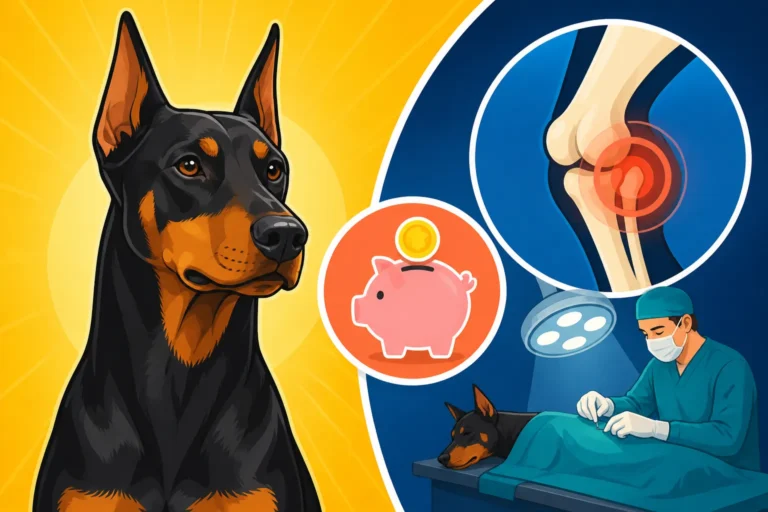
It's incredibly frustrating, isn't it? You invest in pet insurance for your beloved Doberman, diligently pay your premiums, and then when you truly need it – when your Dobe is facing a scary health challenge – your claim gets denied. It feels like a betrayal, and it leaves you holding a hefty vet bill you thought you were protected from. This guide aims to shed light on the most common reasons Doberman insurance claims are turned down, so you can better understand your policy and avoid these heartbreaking situations.
Understanding the Doberman's Unique Health Landscape
To truly grasp why Doberman claims can be tricky, we first need to acknowledge the breed's specific health vulnerabilities. Dobermans, while magnificent, are unfortunately predisposed to certain conditions that often become a focal point for insurance companies.
The Prevalence of Inherited Conditions
Dobermans are known to carry a higher risk for several serious inherited conditions. The most prominent, and perhaps the most devastating, is Dilated Cardiomyopathy (DCM). This heart disease can strike Dobermans even at a relatively young age, often progressing silently before symptoms become obvious. It's a condition that demands constant vigilance and specialized care. You can learn more about The Heart Disease That Reaches Most Dobermans to understand its impact.
Another significant concern is Von Willebrand's Disease (vWD), a bleeding disorder that affects the blood's ability to clot properly. While often manageable, it can lead to complications during surgery or in the event of an injury. The Bleeding Disorder Almost Every Doberman Line Carries is a critical read for any Doberman owner. These aren't just rare occurrences; they are part of the Doberman health landscape, and insurers are well aware of them.
The Critical Importance of Early Screening
Because Dobermans are prone to these and other conditions, proactive health screening isn't just a good idea – it's often essential for maintaining insurance coverage. For example, regular cardiac screening, including echocardiograms and Holter monitoring, is crucial for detecting DCM early. If your Doberman develops symptoms of DCM later in life, and there's no record of prior screenings, or if an abnormality was noted before your policy started, that can easily lead to a claim denial.
Many owners wonder about The Age to Start Screening a Doberman's Heart, and the general consensus is that early and consistent screening is vital. If a condition like DCM is diagnosed, or even suspected, before your insurance policy's waiting period ends or before you even get a policy, it will almost certainly be considered a pre-existing condition, leaving you out of pocket.
Common Reasons Doberman Claims Are Denied
When that dreaded denial letter arrives, it usually boils down to a few key issues. These aren't unique to Dobermans, but they often hit Doberman owners harder due to the breed's specific health challenges.
Pre-Existing Conditions: The Big One
This is, hands down, the most frequent reason for claim denials. A pre-existing condition is any illness, injury, or symptom that was present or occurred before your insurance policy's effective date or before the end of its waiting periods. For Dobermans, this is particularly critical.
Imagine you get a Doberman puppy, and a few years later, during a routine vet visit, a slight heart murmur is detected. You then decide to get pet insurance. If DCM is diagnosed shortly after, the insurer will likely look back at all vet records. If that murmur was noted before your policy's effective date, even if it wasn't officially diagnosed as DCM yet, the insurance company could deny the claim, stating the condition was "pre-existing" due to the prior symptom. Similarly, if your Doberman tested as a carrier for Von Willebrand's Disease before you enrolled, any related bleeding episodes might be denied as Von Willebrand as a Pre-Existing Doberman Condition. This is why it's so important to get coverage early and ensure full transparency with your chosen provider. You might also find yourself asking What an Abnormal Echo Does to a Doberman Policy if an early scan shows even a minor change.
Missed Waiting Periods and Policy Lapses
Every pet insurance policy comes with waiting periods – a specific amount of time you must wait after signing up before certain coverages kick in. There's usually a shorter waiting period for accidents (often just a few days) and a longer one for illnesses (typically 14-30 days, sometimes even longer for orthopedic conditions). If your Doberman gets sick or injured during this waiting period, your claim will be denied.
It's also crucial to maintain continuous coverage. If you let your policy lapse, even for a short time, and then reinstate it, any conditions that arose during the lapse will be considered pre-existing upon reinstatement. For a Doberman, where serious conditions like DCM can develop rapidly or unexpectedly, any break in coverage can be disastrous. Always keep your policy active and ensure payments are made on time to avoid a lapse.
Lack of Essential Preventative Care or Screening
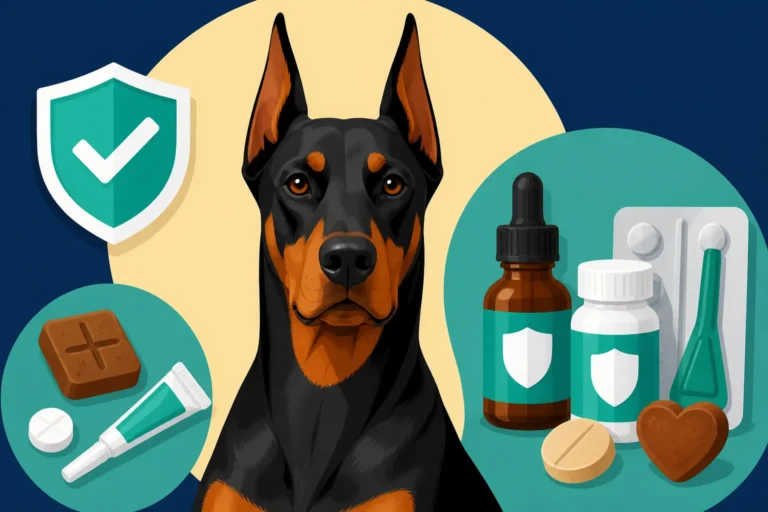
Some pet insurance policies, or at least the terms and conditions within them, may imply or explicitly state that certain preventative care is expected for continued coverage of specific conditions. While pet insurance typically doesn't cover routine wellness (unless you add a separate wellness package), if your Doberman develops a condition that could have been detected or mitigated by standard, recommended screenings, and you haven't performed them, a claim could be questioned.
For Dobermans, this often relates to cardiac health. Annual echocardiograms and Holter monitoring are standard recommendations for adult Dobermans. If your Doberman is diagnosed with advanced DCM, and you haven't had them screened for years, an insurer might argue that a treatable condition was allowed to progress, or that early detection (which could have led to earlier, less costly intervention) was neglected. Understanding Annual Echo and Holter Screening for a Doberman is vital for maintaining your Doberman's health and supporting future claims.
Breed-Specific Exclusions and Policy Limitations
While most reputable pet insurance providers generally don't outright "exclude" entire breeds or common breed-specific conditions, some policies may have specific clauses or limitations that affect Dobermans. It's rare to find an insurer that says "DCM is not covered for Dobermans," but there can be nuances. For example, some policies might have caps on certain types of treatments or conditions, or they might require specific diagnostics to be performed within a certain timeframe if a condition is suspected.
It's absolutely paramount to read the entire policy document, not just the summary. Look for language regarding genetic conditions, inherited diseases, or specific health issues common in Dobermans. If you are unsure, call the insurance provider directly and ask very specific questions about how they handle conditions like DCM or vWD in Dobermans. This is an area where companies like Healthy Paws, for instance, might have clear guidelines, and you need to understand them fully.
Navigating the Fine Print: What to Look For in a Doberman Policy
Choosing the right policy is more than just picking the cheapest option. For a Doberman, you need robust coverage that anticipates their specific health needs.
Comprehensive Coverage vs. Accident-Only Plans
When shopping for pet insurance, you'll generally encounter two main types: accident-only and comprehensive plans. Accident-only plans, as the name suggests, only cover injuries from unexpected accidents (like a broken bone or being hit by a car). While cheaper, they offer no protection for illnesses, which for a Doberman, is a huge gamble.
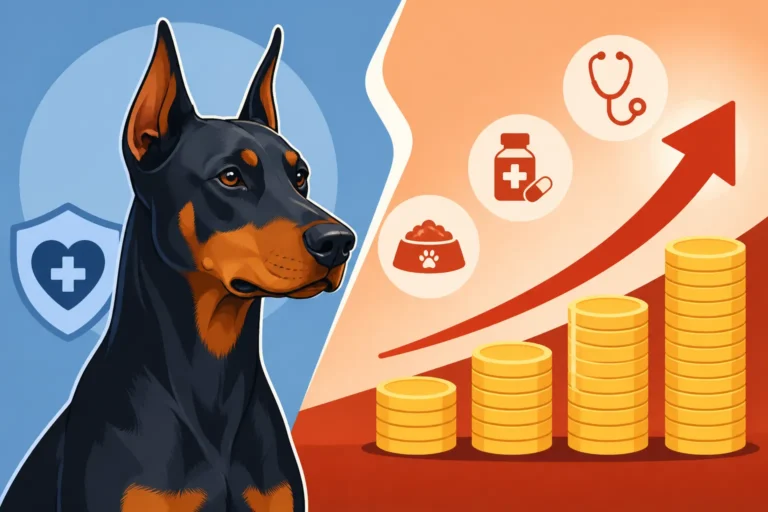
Given the Doberman's predisposition to serious health issues like DCM, hypothyroidism, and Wobbler Syndrome, a comprehensive plan is almost always the only sensible choice. These plans cover both accidents and illnesses, including chronic conditions. While the premiums will be higher, the peace of mind and financial protection they offer for your Doberman's specific needs are invaluable. Don't skimp on this; your Doberman's health is worth the investment.
Understanding Deductibles, Reimbursement Rates, and Annual Limits
These three terms dictate how much you'll pay out-of-pocket and how much the insurance company will cover.
- Deductible: This is the amount you pay first before your insurance kicks in. It can be per incident or annual. A higher deductible usually means lower monthly premiums, but you'll pay more upfront if a claim arises. For Dobermans, with their potential for recurring issues, considering Picking a Deductible When Doberman Claims Repeat is a smart move.
- Reimbursement Rate: This is the percentage of the vet bill that the insurance company will pay back to you after your deductible is met. Common rates are 70%, 80%, or 90%. A 90% reimbursement rate means you pay 10% of the bill after the deductible.
- Annual Limit: This is the maximum amount the insurance company will pay out in a policy year. Some policies offer unlimited annual coverage, while others have limits of, say, $5,000, $10,000, or $15,000. For conditions like DCM, which can involve extensive diagnostics, medications, and emergency care, it's crucial to understand The Annual Limit a Doberman Heart Case Uses Up. You want a limit high enough, or ideally unlimited, to truly protect you from the significant costs associated with managing a chronic condition.
The Importance of a Complete Health History
When you apply for pet insurance, you'll be asked about your Doberman's health history. It's absolutely crucial to be completely honest and thorough. Provide all available vet records, including past check-ups, vaccine history, and any documented health concerns. If your Doberman has undergone any genetic testing, such as for vWD or the DCM genes, have those results handy. Understanding how to interpret Reading a Doberman Puppy's Test Certificates is important here. Many Doberman owners proactively get What Doberman DNA Panels Cost to be informed about their dog's genetic predispositions.
Withholding information, even if unintentional, can be grounds for claim denial or even policy cancellation if the insurer later discovers discrepancies. Insurance companies do look into prior vet records when a claim is filed, especially for expensive or chronic conditions. Transparency upfront protects you down the line.
Proactive Steps to Maximize Your Doberman's Coverage
It might seem overwhelming, but there are concrete steps you can take to put yourself in the best possible position for successful insurance claims.
Insuring Your Doberman as a Puppy
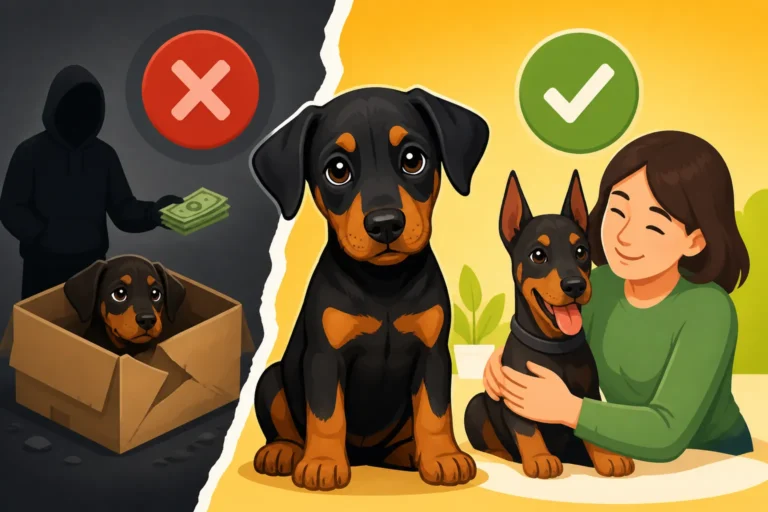
This is arguably the single most important piece of advice for any Doberman owner considering pet insurance. Get your Doberman insured as early as possible, ideally as a puppy, before any health issues or even minor symptoms have a chance to manifest.
If you wait until your Doberman is a few years old, or worse, until you notice a subtle cough or a momentary weakness that might signal the onset of DCM, it's often too late. By then, any conditions that are subsequently diagnosed will almost certainly be deemed pre-existing. Securing coverage when your Doberman is young and healthy is the best way to ensure maximum protection throughout their life, especially concerning Getting a Doberman Covered Before the First Echo.
Thoroughly Researching Providers
Not all pet insurance companies are created equal, and some may be a better fit for Dobermans than others. Don't just go with the first option you see. Take the time to compare policies from various providers. Look at companies known for comprehensive coverage and good customer service. You might start with well-regarded names like Healthy Paws, which is often praised for its unlimited annual payout options. You could also explore options offered through pet food and supply companies like Chewy, which sometimes partner with insurers, or consider what is available through subscription services like Ollie, if they also have insurance partnerships.
When comparing, pay close attention to:
- Reputation for Doberman claims: Look for reviews or forums where Doberman owners discuss their experiences with different insurers.
- Coverage for genetic and hereditary conditions: Ensure these are not excluded or heavily limited.
- Wellness plan options: If you want coverage for routine care, see if it's an add-on.
- Customer service: How easy is it to speak to a representative and get clear answers to your questions?
- Policy structure: Annual deductible vs. per-incident deductible.
- Exclusions: Always check the fine print for any breed-specific exclusions, though as mentioned, these are becoming less common with reputable insurers. It's also worth investigating Which Insurers Still Take a Doberman, particularly if your dog is older.
Maintaining Impeccable Records
Beyond providing initial health history, make it a habit to keep meticulous records of all your Doberman's veterinary visits, diagnostic tests, treatments, and medications. This means:
- Holding onto all invoices and receipts: These are essential for filing claims.
- Requesting copies of all lab results and imaging reports: Keep these in a dedicated file, either physical or digital.
- Documenting communication with your vet: Note down dates of conversations and key information discussed.
- Keeping a journal of any symptoms: If your Doberman shows even minor, transient symptoms, note them down with dates. This can help establish a timeline if a condition is later diagnosed.
Having a complete and organized record-keeping system will make the claims process smoother and provide undeniable evidence should any questions arise from your insurance provider.
Table: Common Doberman Claim Denials & How to Avoid Them
| Reason for Denial | Explanation | How to Avoid for Your Doberman |
|---|---|---|
| Pre-Existing Condition | Any illness or injury (or related symptom) that occurred before coverage began or before waiting periods ended. Very common for Doberman health issues. | Enroll your Doberman as a puppy, before any symptoms of breed-specific conditions (like a heart murmur for DCM or bleeding issues for vWD) appear. Be completely honest with health history upfront. |
| Missed Waiting Period | Illness or injury occurred during the policy's initial waiting period (e.g., 14-30 days for illnesses). | Understand and respect all waiting periods. Do not cancel and restart policies, as this resets waiting periods and can turn existing conditions into pre-existing ones. Maintain continuous, uninterrupted coverage. |
| Policy Lapse | Coverage was interrupted due to missed payments or cancellation, and a condition arose during the lapse, then treated after reinstatement. | Ensure premiums are paid on time. Set up auto-pay if possible. Avoid any breaks in coverage for your Doberman, as complex conditions often require ongoing care. |
| Lack of Preventative Care | Some policies may question claims if recommended preventative screenings (e.g., annual Holter/echo for Dobermans) were neglected. | Follow your veterinarian's recommendations for breed-specific health screenings, especially annual cardiac checks for DCM. Keep detailed records of all such preventative care to demonstrate due diligence. |
| Breed-Specific Exclusions | Certain conditions common to a breed (e.g., DCM in Dobermans) might have specific limitations or exclusions written into the policy. | Read the entire policy document carefully before purchasing. Ask direct questions to the insurer about how they cover conditions like DCM and vWD specifically for Dobermans. Choose providers known for comprehensive coverage of genetic conditions. |
| Insufficient Records | Inability to provide clear, detailed veterinary records, invoices, or proof of diagnosis/treatment when a claim is filed. | Keep a meticulous file of all vet visits, diagnostics, treatments, and invoices. This includes annual check-ups, specialist visits, and any genetic test results. Digital copies are great for quick access. |
| Exceeded Annual Limit | The cost of treatments for an illness surpasses the maximum amount the policy will pay out in a single year. | Opt for policies with high annual limits or, ideally, unlimited annual coverage, especially given the potential for expensive, chronic conditions in Dobermans that can incur significant recurring costs over time. |
Ultimately, getting a Doberman means committing to their unique needs, both in health and finances. While it can be disheartening to have a claim turned down, a thorough understanding of pet insurance, coupled with proactive care and meticulous record-keeping, can significantly increase your chances of having claims approved when your Doberman needs it most. Don't be afraid to ask questions, read the fine print, and advocate for your furry family member.
Disclaimer
This article is for general informational purposes only and does not constitute professional advice. Laws, prices and regulations vary by location and change over time. Consult a qualified professional for guidance on your specific situation.