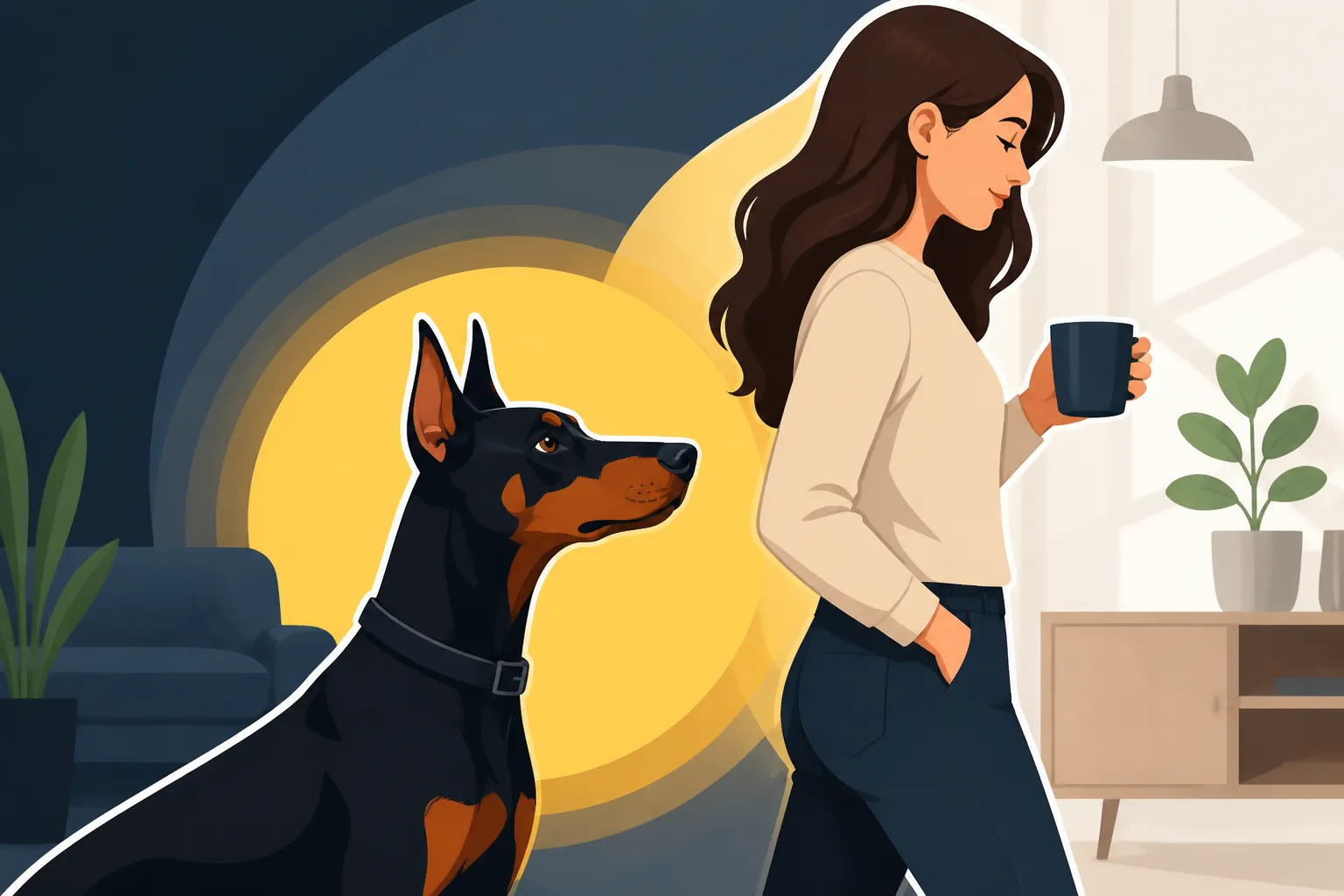
A Doberman That Shadows One Family Member
It can feel a bit like you’ve adopted a furry, four-legged shadow when your Doberman decides that one person in the household is their sun, moon, and stars. You might find yourself tripping over them in the kitchen, feeling a wet nose against your leg every time you stand up, or noticing a subtle shift in their demeanor when anyone else approaches you. This isn't just endearing; it can be downright inconvenient, and sometimes, it can even lead to more serious issues if not managed correctly. This guide will delve deep into why your Doberman might choose one person to shadow, what that behavior looks like day-to-day, and, most importantly, how to foster a more balanced bond with everyone in the family.
Understanding the "Velcro" Phenomenon in Dobermans
The term "Velcro Doberman" isn't just a cute saying; it's a widely acknowledged characteristic of the breed. These dogs are known for their intense loyalty and desire to be physically close to their chosen people. But when that closeness becomes exclusively focused on one individual, it's worth exploring the roots of this behavior.
Why Dobermans Choose "Their Person"
Dobermans, by their very nature, were bred for companionship and protection. Karl Dobermann, the breed's originator, sought a fearless and loyal companion to accompany him on his rounds, and that protective instinct, combined with a strong desire for connection, is still deeply embedded in their DNA. This heritage often manifests as a powerful bond, and for many Dobermans, that bond gravitates towards a single individual in the household. Think about it: if one person consistently feeds, trains, plays, and provides comfort, it's only natural for a Doberman to view that individual as the primary source of all good things, and thus, the most important person to be near. They thrive on routine and predictability, and if one person embodies that consistency, they become the anchor in the dog's world. This isn't to say other family members aren't loved or respected, but the intensity of the bond can be markedly different. We often talk about Where the Velcro Doberman Nickname Comes From, and this phenomenon is at the heart of it.
Consider a typical scenario: you're the one who wakes up earliest, takes the dog out for their first potty break, fills their food bowl, and then maybe spends an hour on focused training or a long walk. Later, when you're relaxing on the couch, your Doberman settles right at your feet or even leans against you. Meanwhile, other family members might interact, but perhaps not with the same consistent, high-value input. Your Doberman learns quickly that you are the provider, the protector, and the source of most of their mental and physical stimulation. This pattern, repeated daily, solidifies the "chosen person" dynamic. It’s not a conscious decision on the Doberman’s part to exclude others, but rather a natural progression based on who is meeting their needs most consistently and significantly.
Is This Normal Doberman Behavior?
Yes, to a certain extent, this level of attachment is very normal for a Doberman. They are intensely people-oriented dogs, often described as highly sensitive and craving close companionship. It's not uncommon for a Doberman to fixate on one family member, following them from room to room, lying at their feet, and generally seeking out their presence above all others. This deep connection is part of what makes owning a Doberman so rewarding for many. They want to be involved in everything you do, and their constant presence can be a comforting reminder of their unwavering loyalty. You might notice A Doberman That Leans on You Constantly, which is another manifestation of this need for physical closeness.
However, there's a fine line between a strong, healthy bond and an unhealthy, over-dependent attachment. When the shadowing escalates to anxiety if the chosen person is out of sight for even a moment, or if the Doberman displays resource guarding of their person, then it moves beyond normal breed characteristics. If the dog becomes visibly stressed, paces, whines, or even exhibits destructive behavior when that one person leaves the room or the house, it indicates a deeper issue than just simple loyalty. Similarly, if the Doberman starts to guard "their person" from other family members, growling or posturing when someone else tries to sit next to them on the sofa, then the behavior has become problematic and needs addressing. We need to distinguish between a Doberman that prefers one person and one that cannot function without them or actively prevents others from interacting with them.
Common Scenarios of One-Person Shadowing and What It Looks Like
Understanding how this one-person shadowing manifests in daily life can help identify if your Doberman's attachment is becoming excessive or disruptive. It’s more than just a preference; it’s a pervasive pattern of behavior that can impact the entire household dynamic.
The "Always Underfoot" Doberman
This is perhaps the most common manifestation of a Doberman shadowing one family member. You get up from the couch, and your Doberman is already moving to follow you. You go to the bathroom, and they're waiting outside the door – or sometimes, even inside! You move from the kitchen to the living room, and there they are, right on your heels, often bumping into your legs or tripping you up. This isn't just about curiosity; it's about a deep-seated need for proximity. Your Doberman isn't content to know you're in the next room; they need to be where you are. They often settle instantly when you do, only to spring up again the moment you stir. This constant presence can be both endearing and, at times, incredibly annoying, especially if you're trying to carry something or navigate a busy space. It’s their way of staying connected, of participating in your every move, and ensuring they don’t miss out on anything. They are trying to be your loyal companion and bodyguard, all rolled into one. They often struggle with A Doberman That Cannot Cope When You Go Out, as their entire world revolves around your presence.
Imagine preparing dinner in the kitchen. Your Doberman is sprawled on the floor, right where you need to stand. You move, they shift. You walk to the fridge, they get up and follow, often weaving between your legs. When you sit down to eat, they are under the table, perhaps resting their head on your foot. This constant physical connection provides them comfort and reaffirms their bond with you. It’s an unbroken chain of presence, a visible sign of their loyalty. For some, this feels like an honor; for others, it's a trip hazard and a test of patience. The goal isn't to break the bond, but to help them understand that being near you is enough, and that other people can also be a source of comfort and security.
Guarding the Chosen Human
While the Doberman's natural Doberman Guarding Instinct and Where It Tips Over is often a prized trait, when it becomes focused specifically on one family member, it can create significant household tension. This isn't always overt aggression; it can start subtly. You might notice your Doberman positioning themselves between you and other family members, giving a hard stare, or shifting their body language when someone else approaches you. They might even try to nudge or push others away. If a family member tries to sit next to you on the sofa, your Doberman might subtly wedge themselves between you, or even emit a low growl. This guarding behavior stems from their inherent protective nature, but when directed internally within the home, it can become problematic and unsafe. The Doberman perceives the chosen person as "their" resource to protect, and others in the home are viewed as potential threats to that resource.
Let's say you're having a conversation with your partner, and your Doberman is lying at your feet. If your partner moves to put an arm around you, your Doberman might suddenly perk up, perhaps even stand and step forward, putting their body between you and your partner. This isn't usually born out of malice, but a deeply ingrained protective instinct, coupled with their strong single-person bond. It's their attempt to "keep" you safe and exclusively for themselves. This behavior is often amplified if the Doberman hasn't been properly socialized to understand that all family members are part of the "pack" and that guarding within the family unit is not acceptable. This is where training and consistent boundaries from everyone become crucial. It's a challenging situation because the Doberman genuinely believes they are doing their job, but it creates a rift and potential danger within the household.
Strategies to Encourage a More Balanced Household Bond
The good news is that you can absolutely work to rebalance your Doberman's loyalties and help them develop stronger, more confident relationships with everyone in the family. It takes consistency, patience, and a united front from all household members.
Distributing Care and Interaction Evenly
The key to shifting your Doberman's focus is to make other family members equally, if not more, appealing in terms of providing high-value resources and positive interactions. This isn't about the "chosen person" withdrawing completely, but about strategically delegating responsibilities and fun.
Here's how to distribute care and interaction more evenly:
- Feeding Time: The person who feeds the Doberman holds significant value. Rotate feeding duties among family members. If you're the chosen one, step back and let your partner or older children take over for a few days, or even permanently for one meal. Ensure the Doberman learns that delicious food comes from multiple hands.
- Walks and Exercise: Dobermans are high-energy dogs, and walks are a crucial bonding activity. Have other family members take the Doberman for walks, especially solo walks where they get undivided attention. This builds a shared experience and leadership perception. A long, engaging walk, perhaps with a sturdy harness you picked up from Amazon, can be a great way to bond.
- Training Sessions: Training is a powerful way to build communication and trust. Assign specific training cues or short daily sessions to other family members. Even 5-10 minutes of positive reinforcement training with treats can make a huge difference. Programs like BAXTER & Bella offer comprehensive online training resources that can be accessed by everyone in the family, ensuring consistency in methods while distributing the actual training interactions. This helps the Doberman see others as capable leaders and fun companions.
- Playtime: Play is an excellent way to bond. Encourage other family members to initiate engaging play sessions with your Doberman using their favorite toys. Tug, fetch, or hide-and-seek can be very rewarding. Make sure these sessions are fun and end on a positive note, with the human initiating and concluding the game.
- Affection and Attention: While the chosen person might be the Doberman's favorite snuggle buddy, encourage other family members to offer gentle affection and positive attention when the Doberman is calm. Avoid forced interactions; instead, reward the Doberman for approaching others willingly.
- Bedtime/Morning Routine: If the Doberman always sleeps next to one person, or is the first one greeted in the morning by that person, try to shift this dynamic. Have another family member be the one who lets the dog out first thing, or offers the last potty break at night.
The key is consistency. A one-off interaction won't change years of habit. Everyone in the household needs to commit to these shared responsibilities and interactions daily. It's a gradual process, but over time, your Doberman will begin to view all family members as valuable, reliable sources of good things. This helps prevent the Doberman from seeing one person as the sole provider, thereby reducing the intensity of the "one-person" bond and fostering more generalized trust and affection.
Building Independence and Confidence
A Doberman that shadows one person excessively might be lacking confidence in being alone or relying too heavily on that one person for security. Building independence isn't about pushing them away; it's about empowering them to be comfortable and secure even when their chosen human isn't physically present.
- Crate Training: If not already crate trained, this is an excellent tool. A crate provides a safe, comfortable den where your Doberman can relax independently. Start with short periods and gradually increase the time they spend in the crate, offering a special treat or a puzzle toy to make it a positive experience. The goal is for them to associate the crate with peace and quiet, not punishment or isolation.
- "Place" Command: Teach your Doberman a "place" command, where they go to a designated mat or bed and stay there until released. This allows them to be in the same room but not directly underfoot, teaching them to settle calmly away from you. Reward heavily for staying on their place, especially when other family members interact with you. This can be particularly helpful when you have visitors or during mealtimes. You can find robust "place" beds on Amazon that will stand up to a Doberman's size. Teaching a Doberman to Settle in Another Room is an advanced version of this same concept.
- Independent Play: Introduce puzzle toys or long-lasting chews that your Doberman can enjoy by themselves. This encourages them to engage in activities that don't require constant human interaction. Rotate these toys to keep them interesting.
- Short Departures: Practice leaving the room for very brief periods and returning before your Doberman gets anxious. Gradually increase the duration. This teaches them that you always come back and that being alone for short spells is okay. Start with just stepping behind a closed door for a few seconds.
- Controlled "Alone" Time: While Dobermans crave companionship, controlled periods of being alone, whether in a safe room or their crate, can help build resilience. Ensure they have appropriate enrichment (toys, chews) during these times.
By fostering this sense of independence, you're not weakening your bond, but strengthening your Doberman's ability to cope in various situations and with different people. A confident Doberman is a happier Doberman. Keeping a Doberman Mentally Tired with these types of activities can also help them settle better when it's time to relax independently.
Reinforcing Positive Interactions with Everyone
Beyond distributing tasks, actively making other family members sources of exciting and rewarding interactions is vital. This is where positive reinforcement really shines.
- Structured Play with Others: Encourage high-energy, engaging play sessions led by other family members. Think vigorous tug-of-war, enthusiastic fetch, or even agility games in the yard. The "chosen person" can initially be present for support, but the other family member should be the one leading the fun.
- Special Treats from Others: Reserve certain high-value treats that only other family members give. This creates a strong positive association. Every time they pass by, they can drop a small, delicious morsel.
- Training Games: Make training a game that everyone can participate in. Simple "find it" games with treats, or practicing basic obedience commands, when led by different people, helps the Doberman see everyone as a source of fun and rewards.
- Calm Affection: Advise other family members to offer calm, gentle affection rather than overwhelming the Doberman. Dobermans often respond well to confident, clear energy. Reward the Doberman for approaching others for attention.
- "Say Hi" Protocol: If the Doberman tends to guard, establish a "say hi" protocol. When another family member approaches the chosen person, they can toss a treat to the Doberman. This helps the Doberman associate people coming near "their person" with positive outcomes, rather than a perceived threat.
- Consistent Leadership: All family members should practice being consistent in their interactions and expectations. If one person allows behaviors that others don't, it creates confusion and can undermine the effort to generalize respect and attachment. This consistency is crucial for Building a Doberman Puppy That Is Confident, Not Sharp.
By systematically making other family members the bearers of good things – food, fun, attention, and mental stimulation – you're actively reprogramming your Doberman's brain to seek and enjoy interactions with everyone. This table summarizes how various family members can contribute:
| Interaction Type | "Chosen Person" Role | Other Family Members' Role | Goal for Doberman |
|---|---|---|---|
| Feeding | Step back; supervise or assist | Lead the feeding routine consistently | All provide resources |
| Walks/Exercise | Occasionally participate | Lead walks, play, and training sessions | All are fun companions |
| Training | Coach; ensure consistency | Lead short, positive reinforcement sessions | All are capable leaders |
| Playtime | Moderate participation | Initiate engaging play with favorite toys | All are sources of joy |
| Affection | Offer calmly; avoid over-indulgence | Offer calm, gentle attention; reward approach | All are comforting |
| Alone Time | Practice departures; avoid anxiety triggers | Respect dog's space; avoid interrupting independent activities | Comfortably independent |
When to Seek Professional Help for Excessive Clinginess or Guarding
While many Dobermans are naturally attached, there's a point where "Velcro" behavior crosses into territory that warrants professional intervention. Ignoring these signs can lead to escalating issues that are harder to resolve later.
Recognizing Signs of Problematic Behavior
It's one thing for your Doberman to follow you around; it's another for them to suffer genuine distress when you're not there or actively prevent others from approaching you. Recognizing these problematic signs is the first step towards getting the right help:
- Destructive Separation Anxiety: If your Doberman chews, paces, barks incessantly, or has accidents only when the chosen person leaves (even if other family members are present), this points to separation anxiety tied specifically to that individual. This isn't just a Doberman being a Doberman; it's a genuine distress response that needs intervention.
- Aggression Towards Other Family Members: This is a red flag that cannot be ignored. If your Doberman growls, snaps, lunges, or bites other family members (or even visitors) when they attempt to interact with the chosen person, or when they simply try to pass by, this is a serious guarding issue. This could be anything from a subtle hard stare and a stiff posture to an outright bite. This type of behavior undermines the safety and harmony of the home. A Doberman That Growls at Delivery Drivers is one thing, but growling at family members is another entirely.
- Extreme Fear or Panic: If your Doberman displays panic attacks, shakes uncontrollably, or tries to escape when their chosen person is out of sight, even for brief moments, it's a sign of a severe emotional issue. They are not just missing you; they are terrified.
- Resource Guarding of the Person: This is similar to aggression but specifically focuses on the Doberman treating the person as a possession. They might position themselves defensively, block access, or escalate warnings if others try to touch or engage with the "guarded" person.
- Inability to Settle Away: Despite efforts to encourage independence, if your Doberman simply cannot relax or settle unless they are in direct physical contact with their chosen person, it indicates an unhealthy level of dependency. They might constantly paw for attention, whine, or nudge until they get their preferred proximity.
If you observe these behaviors consistently, it’s time to seek expert guidance. These are not minor quirks; they are indicators of underlying stress, fear, or a serious misunderstanding of their role within the family.
Consulting a Professional Trainer or Behaviorist
When you identify problematic behaviors, especially any form of aggression or severe anxiety, consulting a qualified professional is absolutely essential. Trying to handle these issues yourself without expert guidance can inadvertently worsen the situation or even put people at risk.
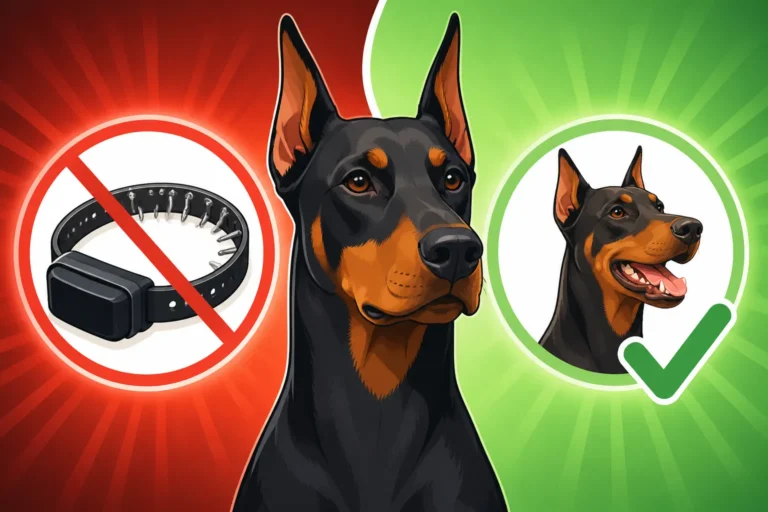
- Choosing the Right Professional: Look for a certified professional dog trainer or a veterinary behaviorist who uses positive reinforcement and force-free methods. Avoid anyone who suggests harsh corrections, intimidation, or dominance-based techniques, as these can easily damage your Doberman's sensitive temperament and exacerbate fear-based behaviors. Ask about their experience with Dobermans and guarding/anxiety issues. Finding a Trainer Who Has Worked With Dobermans is crucial because they understand the breed's nuances.
- Behavioral Assessment: A professional will conduct a thorough assessment of your Doberman's behavior, your household dynamics, and your dog's history. They'll observe interactions and ask detailed questions to understand the root cause of the shadowing and any associated issues.
- Tailored Behavior Modification Plan: Based on their assessment, they will create a customized plan. This might involve:
- Management Strategies: Ways to temporarily prevent problematic situations while training is underway (e.g., leash management indoors, using gates, temporary separation).
- Desensitization and Counter-Conditioning: Gradually exposing your Doberman to the trigger (e.g., the chosen person leaving, another family member approaching) while pairing it with positive experiences.
- Building Confidence: Exercises designed to boost your Doberman's self-assurance and ability to cope independently.
- Redistributing Value: Structured exercises to help your Doberman build positive associations with all family members.
- Medication (if necessary): For severe anxiety, a veterinary behaviorist might prescribe medication to help your Doberman manage their emotional state, in conjunction with behavior modification.
- Ongoing Support: A good professional will provide ongoing support, adjust the plan as needed, and teach all family members how to consistently implement the strategies. Everyone in the household must be on board and follow the plan diligently.
Remember, seeking help is a sign of responsible pet ownership, not failure. A professional can provide the tools and expertise to help your Doberman become a well-adjusted, confident, and happily bonded member of the entire family, rather than just a shadow to one. This ensures a safer, more harmonious home for everyone involved.
Disclaimer
This article is for general informational purposes only and does not constitute professional advice. Laws, prices and regulations vary by location and change over time. Consult a qualified professional for guidance on your specific situation.