Bald Patches on a Blue Doberman
It's heartbreaking to wake up one morning and notice those once-sleek, shimmering blue hairs on your beloved Doberman are starting to thin, exposing little bald patches. You might feel a pang of worry, or even guilt, wondering if you're doing something wrong, or if this is just how it is for blue Dobermans. This guide is here to walk you through understanding why your blue Doberman might be developing bald patches, what to look for, and most importantly, how to provide the best care to keep them as comfortable and healthy as possible.
Understanding Color Dilution Alopecia (CDA) in Blue Dobermans
When you chose a beautiful blue Doberman, you probably fell in love with that unique, smoky charcoal coat. It's truly stunning. But unfortunately, that same genetic trait responsible for the dilute color also predisposes them to a frustrating and often misunderstood skin condition called Color Dilution Alopecia, or CDA. It's not your fault, and it's not a sign of neglect. It's a genetic hand they were dealt.
What Exactly is CDA and Why Blue Dobermans?
CDA is a hereditary skin condition primarily affecting dilute-colored dogs, which includes blue (dilute black) and fawn (dilute red) Dobermans. To put it simply, it's a structural defect of the hair shaft itself, directly linked to the gene that lightens the coat color. Instead of a smooth, uniform distribution of pigment granules within the hair shaft, dogs with CDA have their pigment clumped unevenly. Imagine trying to pipe icing through a tiny nozzle, but half of it is clumpy—it doesn't flow smoothly, does it? That's what happens inside the hair.
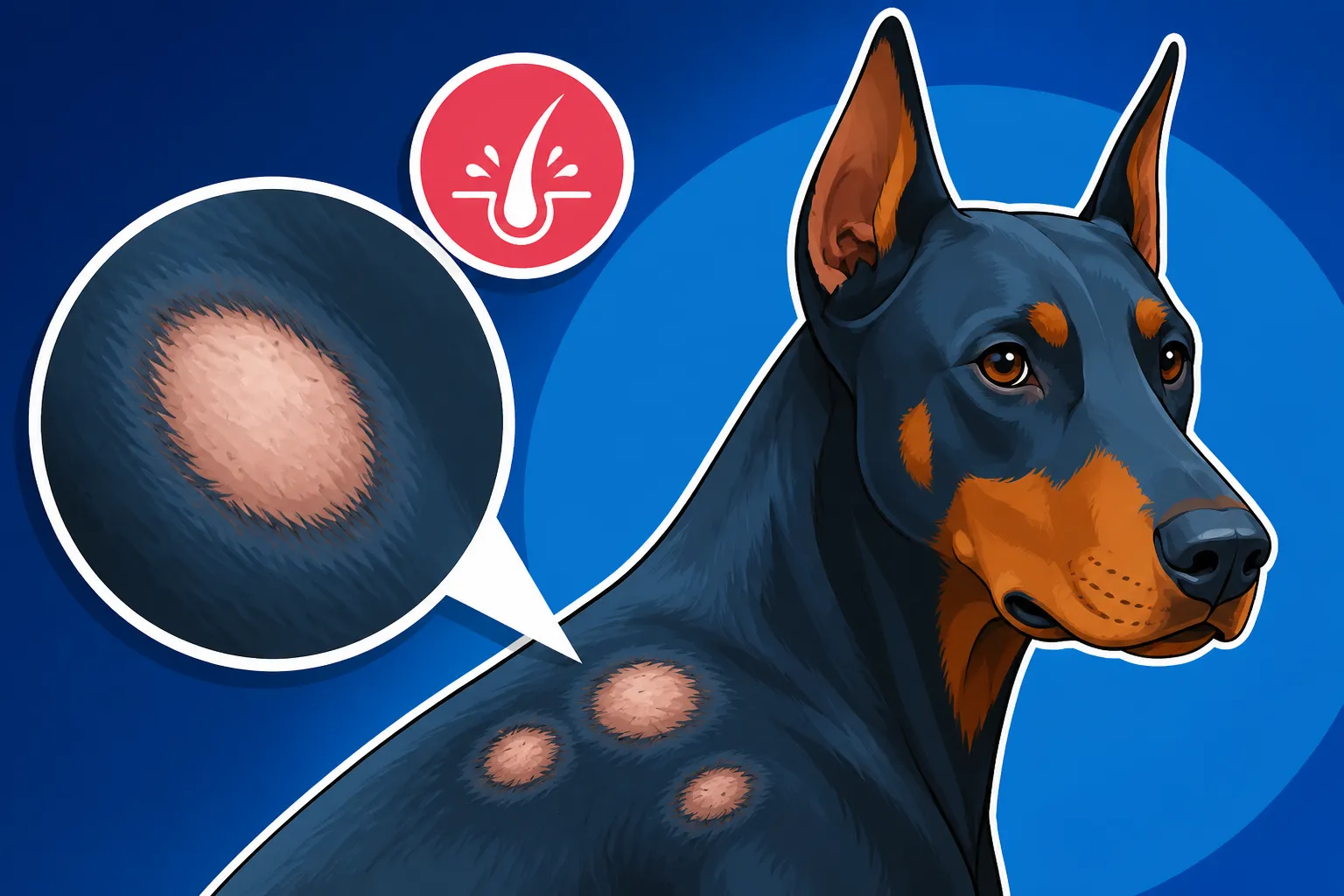
These clumps of melanin, the pigment, make the hair shafts fragile and prone to breaking. They can also damage the hair follicles, leading to inflammation and an inability to produce healthy hair. Over time, these compromised follicles either produce very weak hairs that break off easily, or they stop producing hair altogether. This is why you see those frustrating bald patches. It’s a genetic predisposition, meaning it's something they are born with, even if the symptoms don't show up until later in life. It's important to remember that it's not contagious and it's not something you caused by using the wrong shampoo or food. It's literally woven into their DNA. Color Dilution Alopecia in Blue and Fawn Dobermans is a topic many blue Doberman owners grapple with.
The Typical Progression of Hair Loss
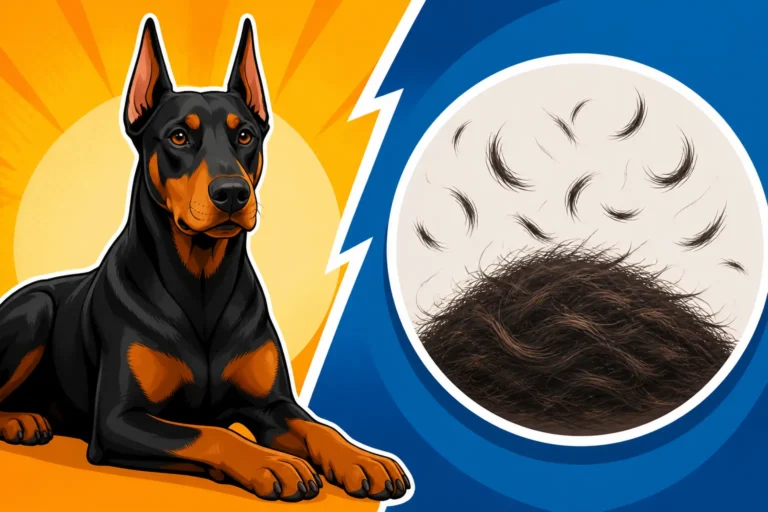
The onset of CDA can vary quite a bit, but typically, you'll start to notice changes when your blue Doberman is between six months and three years old. It often begins subtly, maybe just a slight thinning of the coat, particularly along the back, sides, and sometimes the neck. At first, it might just look like a duller coat or a patch where the hair seems a bit sparse. You might run your hand over their back and feel less density than before.
As the condition progresses, these areas of thinning become more pronounced, developing into distinct bald patches. The hair that remains in these affected areas can become brittle, dry, and easily broken, almost like straw. It's not usually a sudden dramatic hair loss, but rather a gradual, almost insidious thinning that can sometimes be mistaken for seasonal shedding or even minor skin irritation initially. Some owners report that the hair growth just seems to stop entirely in certain spots, leaving perfectly smooth, hairless skin. It's a slow, disheartening process to watch, especially when your dog’s beautiful coat was one of the things that drew you to the breed. The Age a Blue Doberman Starts Losing Hair is a common concern for new owners.
Diagnosing CDA in Your Doberman
Seeing bald spots on your dog can be alarming, and it's natural to jump to conclusions or worry about more serious issues. The good news is that diagnosing CDA is relatively straightforward for an experienced veterinarian, particularly one familiar with Dobermans and their unique genetic predispositions. Your vet will likely start with a thorough physical examination, looking at the pattern of hair loss, the condition of the skin, and asking about your dog's history and when you first noticed the changes.
The definitive diagnosis usually involves a skin biopsy or a trichogram. A skin biopsy involves taking a small sample of skin under local anesthesia, which is then sent to a veterinary pathologist. The pathologist will examine the tissue under a microscope, looking for the characteristic clumped melanin within the hair shafts and other changes in the follicles that confirm CDA. A trichogram is less invasive; the vet simply plucks a few hairs and examines them under a microscope to look for those tell-tale pigment clumps. It's crucial to get an accurate diagnosis to rule out other skin conditions that can cause similar symptoms, such as bacterial folliculitis, hypothyroidism, or even certain types of mange, which require different treatments. Knowing exactly what you're dealing with is the first step towards effective management.
Recognizing the Signs and Symptoms
While bald patches are the most obvious sign of CDA, there are other important symptoms that often accompany the hair loss, especially as the condition progresses. These additional signs are crucial to recognize because they can indicate secondary issues that need immediate attention and careful management.
Beyond Just Bald Spots: Skin Changes and Texture
It’s not just about the missing hair; the skin itself goes through significant changes when affected by CDA. You might notice that the skin in the bald or thinning areas becomes dry, flaky, and sometimes scaly. This is because the compromised hair follicles and surrounding skin can’t maintain their natural moisture barrier as effectively. It can feel rough to the touch, almost like sandpaper, rather than the soft, pliable skin on healthy areas of their body.
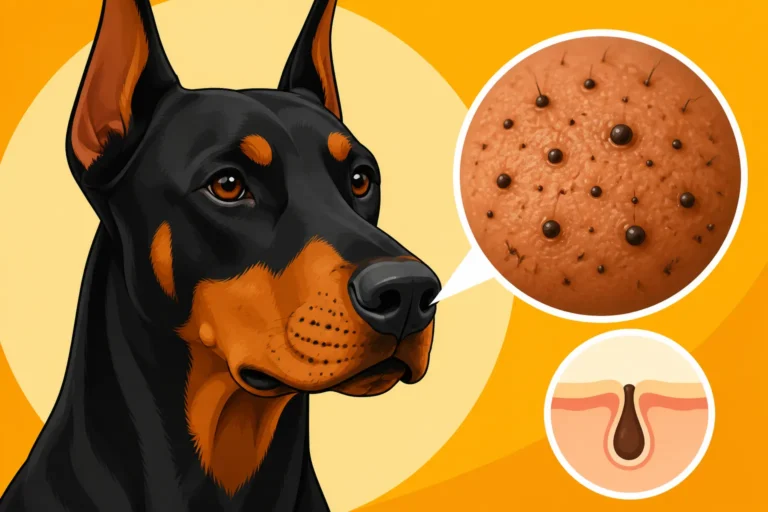
The skin might also appear somewhat hyperpigmented, meaning it looks darker or grayer than the healthy pink skin underneath a full coat. This isn't always present, but it's a common observation. You might also notice tiny bumps or comedones (blackheads) forming, especially along the spine or where the hair is thinnest. These occur because the damaged follicles can become blocked. The remaining hairs in affected areas often feel brittle and coarse, lacking the natural shine and softness of a healthy Doberman coat. They break easily, leaving behind short, stubbly hairs or bare skin. Hair Loss on a Blue Doberman is more than just a cosmetic issue, it deeply affects the skin itself.
Secondary Skin Infections: A Common Complication
One of the most challenging aspects of living with a Doberman affected by CDA is the increased susceptibility to secondary skin infections. The compromised skin barrier, along with damaged and blocked hair follicles, creates an ideal environment for bacteria and yeast to flourish. These opportunistic invaders can quickly turn mild dryness into an itchy, painful infection. You might notice redness, inflammation, and a foul odor emanating from the affected areas. Your Doberman might start scratching, licking, or chewing at their skin excessively, which only exacerbates the problem and can lead to further trauma and infection.
These secondary infections can be bacterial (pyoderma) or fungal (yeast infections), or even a combination of both. Symptoms include pustules (small pus-filled bumps), papules (red bumps), crusting, and a greasy or sticky discharge. If you see any of these signs, it's essential to consult your vet promptly. Treating these infections requires specific antibiotics or antifungals, often alongside medicated shampoos. Ignoring them won't make them go away and will only cause your Doberman more discomfort and potentially lead to deeper skin issues. Skin Infections in a Bald Doberman are a frustrating reality for many owners.
Managing and Supporting a Blue Doberman with Hair Loss
While there's no "cure" for CDA, managing the condition effectively can significantly improve your Doberman's comfort and quality of life. The focus is on protecting the skin, minimizing inflammation, preventing secondary infections, and promoting any healthy hair growth that is possible. It’s an ongoing commitment, but your Doberman is worth it.
Topical Treatments and Medicated Shampoos
Good skin hygiene is paramount for Dobermans with CDA. Regular bathing with appropriate medicated shampoos can help control bacterial and yeast overgrowth, remove scales and debris, and moisturize the skin. Your vet might recommend shampoos containing ingredients like chlorhexidine for antibacterial properties, miconazole for antifungal action, or sulfur and salicylic acid to help with scaling and folliculitis. It’s not about stripping the skin, but gently cleansing and healing it.
When bathing, use lukewarm water and ensure you thoroughly lather the shampoo into the affected areas, allowing it to sit for the recommended contact time (often 5-10 minutes) before rinsing completely. Follow up with a good quality, vet-recommended conditioner designed for sensitive or dry skin to help restore moisture. Over-the-counter options from places like Chewy or Amazon can be great for maintenance, but always start with your vet’s recommendation for specific medicated treatments. Some owners also find success with topical emollients, sprays, or leave-in conditioners to keep the skin hydrated between baths. Remember, consistency is key here. Medicated Baths for a Doberman With Coat Loss can make a huge difference.
Dietary Support and Supplements
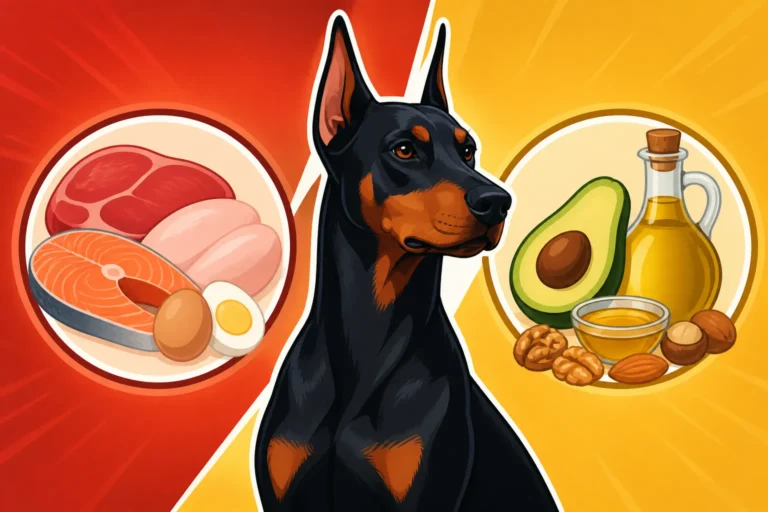
What goes into your Doberman's body can play a significant role in skin and coat health, even with a genetic condition like CDA. While diet won't "cure" CDA, a high-quality, balanced diet rich in essential fatty acids can support overall skin barrier function and help reduce inflammation. Look for foods that list quality protein sources and healthy fats as primary ingredients. Some owners explore fresh food diets, like those offered by Ollie, believing the increased bioavailability of nutrients can be beneficial for skin health, though scientific evidence directly linking these to CDA improvement is anecdotal.
Omega-3 fatty acid supplements, particularly those containing EPA and DHA, are often recommended by veterinarians. These can help reduce inflammation and improve the skin barrier. Fish oil, krill oil, or specific veterinary skin supplements are good choices. Always consult your vet for appropriate dosages, as too much of a good thing can sometimes lead to other issues. Other supplements like Vitamin E, zinc, or biotin are sometimes suggested, but their effectiveness for CDA is less established. The goal is to provide optimal nutritional support to give your Doberman's skin the best possible chance to be healthy, despite the underlying genetic challenge. Omega Oils for a Doberman With Coat Loss can be a valuable addition.
Environmental Considerations and Protection
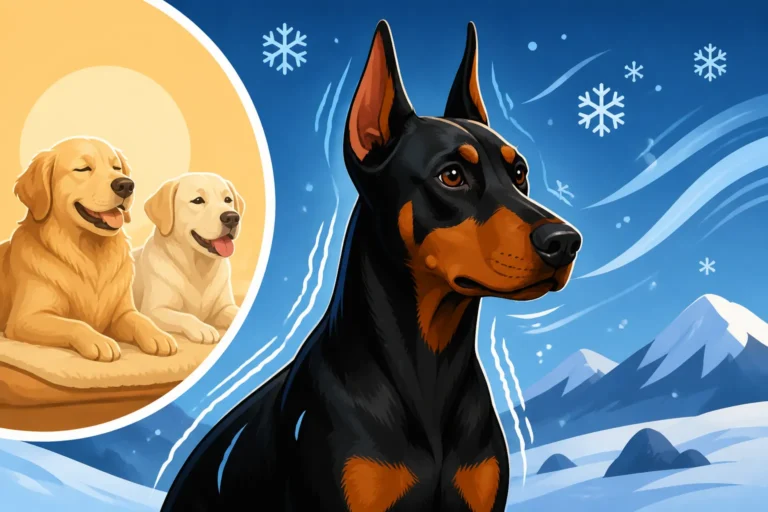
A Doberman with thinning hair and compromised skin is more vulnerable to environmental factors. Think about how exposed their skin now is. In colder climates, a Doberman without a full, insulating coat will feel the chill much more acutely. You’ll need to invest in quality dog coats or sweaters for walks and outdoor potty breaks, especially during autumn and winter. Look for options on Amazon or Chewy that are designed for deep-chested breeds like Dobermans for a comfortable fit.
Conversely, in sunny environments, those bald patches are highly susceptible to sunburn. Just like human skin, burnt dog skin is painful and can increase the risk of skin cancer. If your Doberman spends time outdoors, apply a pet-safe sunscreen to exposed areas, or use UV-protective clothing. Indoor comfort also matters. Provide soft, well-cushioned bedding to prevent pressure sores on sensitive, hairless areas. Drafty sleeping spots should be avoided. Essentially, you become your Doberman's protector from the elements, compensating for the natural barrier their coat can no longer fully provide. Sun Protection for a Thin-Coated Doberman is crucial for their long-term comfort.
Long-Term Care and Living with CDA
Living with a Doberman that has CDA is a marathon, not a sprint. It requires ongoing vigilance and a consistent care routine to keep them comfortable and prevent complications. It's about adapting and providing them with the best possible life despite their genetic predisposition.
Preventing and Treating Secondary Infections
Because Dobermans with CDA are prone to secondary skin infections, a proactive approach is vital. This means maintaining that consistent bathing schedule with medicated shampoos as recommended by your vet, even when the skin looks relatively clear. Regular visual checks of their skin, especially in the areas most affected by hair loss, can help you spot any redness, bumps, or flaking early on. The moment you see any signs of irritation or infection, it’s time to call your vet. Don’t wait for it to get worse.
Sometimes, despite your best efforts, infections will pop up. When they do, quick and appropriate treatment is necessary. This might involve oral antibiotics or antifungals, topical creams, or a temporary increase in medicated baths. Your vet might also suggest specific wipes or sprays for daily application to prevent bacterial or yeast overgrowth in between full baths. It's a bit like having a recurring health issue that you learn to manage, understanding what triggers it and how to quickly bring it back under control. Building a good relationship with your vet and having them on speed dial is incredibly helpful for managing these flare-ups. Daily Skin Routine for a Thinning Blue Doberman often involves diligent preventative measures.
Quality of Life and Prognosis for CDA Dobermans
It's natural to worry about how CDA will affect your Doberman's overall quality of life. The good news is that CDA, while frustrating and cosmetically impactful, is generally a non-life-threatening condition. The prognosis for Dobermans with CDA is usually very good, provided that owners are diligent about managing the associated skin issues and preventing secondary infections. Your dog won't be in constant pain or discomfort if their skin is well-managed.
The primary impacts are cosmetic and the need for consistent skin care. They might look different than other Dobermans, but they can still lead full, happy, and active lives. Their temperament, energy levels, and intelligence remain completely unaffected by CDA. They still crave your attention, enjoy walks, and will be that loyal, loving "Velcro Doberman" you adore. The goal of all the care is to ensure their skin is not itchy, painful, or frequently infected, so they can focus on being a happy dog. It's important to remember that while the hair loss can't be reversed, your dedicated care makes a profound difference to their comfort. Whether Coat Loss in a Doberman Can Be Treated focuses on management rather than cure.
Breeding Considerations and Genetic Testing
Understanding CDA also brings up important discussions around responsible breeding practices. Since CDA is a genetic condition, it’s not something that should be passed on to future generations. Reputable Doberman breeders, especially those working with dilute colors like blue and fawn, will be aware of CDA and should be actively working to minimize its incidence in their lines. This means carefully selecting breeding stock and avoiding breeding affected dogs.
If you have a Doberman with CDA, regardless of whether you planned to breed them, it’s important to share this information with your breeder. This feedback helps them in their breeding decisions. For prospective Doberman owners, especially those interested in blue or fawn Dobermans, it's crucial to ask breeders about their health testing protocols and whether they test for the dilute gene or have a history of CDA in their lines. While not a direct gene test for CDA itself (as it's linked to the dilute gene), understanding the genetic health of the parents can give you insight. Choosing a Doberman is a long-term commitment, and understanding potential health issues is part of being a responsible owner. Whether to Buy a Blue Doberman At All is a question that often comes up in these discussions.
Here is a summary table of common skin conditions that can cause hair loss in Dobermans, for comparison:
| Condition | Affected Coat Colors | Typical Onset Age | Primary Cause | Key Differentiating Symptoms | Management Focus |
|---|---|---|---|---|---|
| Color Dilution Alopecia (CDA) | Blue, Fawn | 6 months to 3 years | Genetic defect in hair shaft/follicle | Symmetrical thinning/baldness, dry/scaly skin, brittle hairs, blackheads | Skin hydration, infection prevention, environmental protection |
| Bacterial Folliculitis | Any | Any | Bacterial infection of hair follicles | Red bumps, pustules, crusts, itchiness, sometimes odor | Antibiotics (oral/topical), medicated shampoos, addressing underlying cause |
| Demodectic Mange | Any | Young or immunocompromised | Overgrowth of Demodex mites | Patchy hair loss, often around eyes/mouth, non-itchy initially, redness | Specific miticide treatments, immune support (if underlying cause) |
| Hypothyroidism | Any | Middle-aged to senior | Underactive thyroid gland | Symmetrical hair loss (especially trunk, "rat tail"), weight gain, lethargy, dull coat | Thyroid hormone replacement medication |
| Allergies (Atopy/Food) | Any | Young to adult | Immune reaction to environmental/food allergens | Intense itchiness, redness, ear infections, paw licking, secondary infections | Allergen avoidance, antihistamines, steroids, immunotherapy, diet trials |
Disclaimer
This article is for general informational purposes only and does not constitute professional advice. Laws, prices and regulations vary by location and change over time. Consult a qualified professional for guidance on your specific situation.