What a Doberman Puppy Needs at Each Age
Bringing home a Doberman puppy is an exhilarating experience, but it can also feel like navigating a fast-moving river with rapids and unpredictable currents. Their growth is incredibly rapid, and what they need from you – in terms of nutrition, training, and socialization – seems to change almost overnight. This guide is here to help you understand the distinct stages of your Doberman's development, ensuring you can meet their evolving needs and help them grow into the magnificent, well-adjusted adult dog they're meant to be.
The Foundation Years: Birth to Eight Weeks
Before your Doberman puppy even steps paw into your home, the first eight weeks of their life are absolutely critical, laying the groundwork for their physical and emotional health. This period is entirely managed by a responsible breeder, and understanding what should happen during this time can help you choose the right puppy and prepare for their arrival.
The Breeder's Indispensable Role
A good breeder isn't just someone who produces puppies; they are the primary caretakers and educators during these formative weeks. They're responsible for the health of the mother, ensuring she receives proper nutrition and veterinary care before, during, and after whelping. They watch closely for any signs of illness or developmental issues in the puppies, providing early intervention if needed. This early care helps prevent common health problems down the line and ensures a strong start.
Beyond physical care, a breeder’s role in early socialization is paramount. From birth, puppies should be handled gently and consistently. This includes daily interactions, exposure to different sounds (household noises, soft music), and varying textures. They should also begin to experience very short, positive interactions with other vaccinated, stable adult dogs, and a variety of people, including children if applicable. This early exposure helps them develop resilience and a positive outlook on the world. You want a puppy that has been exposed, not just raised in isolation.
Early Handling and Environment
Imagine a tiny Doberman puppy, eyes still closed, instinctively seeking warmth and comfort from its mother and littermates. During these initial weeks, puppies are rapidly developing their senses and motor skills. The breeder's environment should be clean, warm, and safe, providing enough space for the puppies to explore as they grow. Early neurological stimulation (ENS) protocols, often involving brief, gentle handling exercises, are sometimes performed by breeders during the first few weeks to encourage development.
As their eyes open and they become more mobile, the environment should gradually introduce new, safe stimuli. This could mean different types of flooring, small, safe toys, and short periods away from their mother (under supervision) to build independence. The goal isn't to overwhelm them, but to provide a varied and enriching experience that builds confidence and helps them adapt to new situations. By the time they are ready to leave their mother, around eight weeks, they should be well-socialized within their immediate family and ready for the next step.
Welcome Home: Eight to Sixteen Weeks
This is often the most exciting and overwhelming period for new Doberman owners. Your puppy is finally home, and these weeks are a whirlwind of firsts, critical learning, and intense bonding. This stage is absolutely vital for shaping their future temperament and behavior. The Sixteen Weeks That Set a Doberman Up emphasizes just how important this window is for positive development.
Settling into Their New World
Bringing a puppy home is a huge transition for everyone involved. Your Doberman puppy has left its mother and siblings, its familiar smells and sounds, and is now in a brand-new environment. Establishing a routine immediately is one of the kindest things you can do. This means consistent feeding times, potty breaks, play sessions, and enforced naps. A dedicated, safe space, like a crate, is essential for providing security, aiding in potty training, and preventing destructive chewing when you can't actively supervise. Choosing a Crate for a Doberman can offer further guidance on this.
Expect accidents, restless nights initially, and lots of sharp puppy teeth exploring everything. Patience is key. Your puppy needs to learn your household rules, and it will take time. They'll also be experiencing their first vet visits for vaccinations. Discussing your puppy's temperament and any concerns with your veterinarian is always a good idea. They can help you ensure your puppy is healthy and advise on managing common puppy behaviors like nipping.
The Critical Socialization Window
From eight to sixteen weeks, your Doberman puppy is in what's known as a critical socialization period. This isn't just about meeting other dogs; it's about positive exposure to everything they will encounter in their adult life. This includes a wide variety of people (different ages, genders, appearances), sounds (traffic, vacuums, thunderstorms on a speaker), sights (umbrellas, bicycles, other animals from a safe distance), and textures (grass, pavement, carpet).
The goal is to create positive associations. A short, positive interaction with a new person, followed by a treat, can build confidence. A quick walk on a new surface, ending with praise, helps them generalize. Enrolling in a well-run puppy class is highly recommended during this time. These classes provide safe, structured opportunities for puppies to interact with each other and learn basic manners in a new environment. Missing this window can lead to fearfulness or reactivity later in life, making it much harder to train and manage an adult Doberman.
Basic Training and House Manners
Your Doberman puppy's brain is like a sponge during these weeks, eager to learn. This is the perfect time to start basic obedience cues: sit, stay, come, and leash manners. Keep training sessions short, fun, and positive, using high-value treats and praise. Focus on clear communication and consistency. Everyone in the household should use the same cues and expectations.
Potty training will be a primary focus. Take your puppy out frequently – after waking up, after eating, after playing, and before bed. Reward immediately when they eliminate outside. Toilet Training a Doberman Puppy in Two Weeks delves deeper into effective strategies for this. Furthermore, teaching bite inhibition is crucial. Doberman puppies have very sharp teeth, and while puppy nipping is normal, they need to learn to control the pressure of their bite. This involves yelping when they bite too hard, disengaging, and redirecting them to appropriate chew toys. Consistency here will prevent an adolescent Doberman from using those strong jaws inappropriately.
The Lanky Teenager: Four to Nine Months
Just like human teenagers, adolescent Dobermans can be a bundle of energy, hormones, and sometimes, a little bit of rebellion. This period is marked by incredible physical growth and mental development, which can present unique challenges and rewards for owners.
Managing Energy and Brainpower
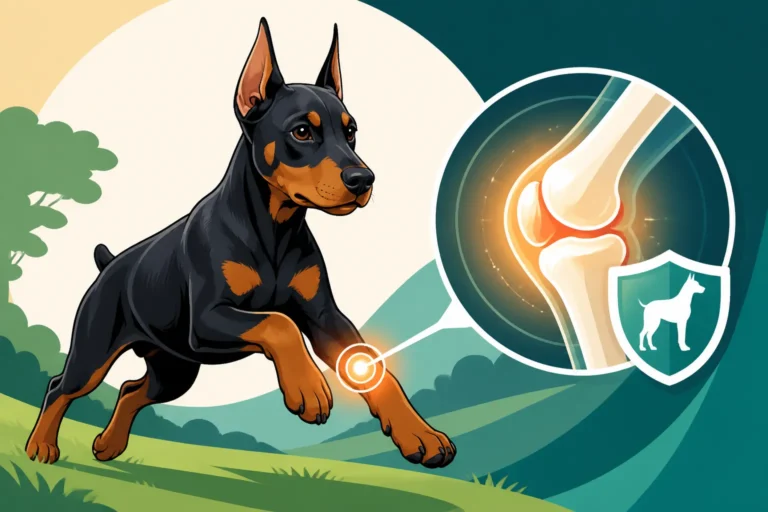
Dobermans are intelligent and energetic dogs, and during adolescence, these traits are amplified. They have boundless energy that needs an appropriate outlet. Simply letting them run in the yard isn't enough; they need structured exercise and mental stimulation. Long walks, controlled play sessions, and engaging puzzle toys can help. Remember, while they are growing rapidly, their bones and joints are still developing, so intense, high-impact activities like aggressive jumping or long-distance running should be limited to prevent injury. Protecting a Growing Doberman's Joints is a great resource here.
Mentally, they might test boundaries they previously respected, or seem to "forget" training they knew perfectly well. This isn't defiance; it's often a developmental phase where their brains are reorganizing, and they're learning to think more independently. Patience and consistency in training are more important than ever. Engage their powerful brains with new commands, scent games, or short training sessions that reinforce known cues. You might find that rotating their toys, easily available on sites like Amazon, keeps them engaged and less likely to chew on your furniture.
Continued Training and Socialization
Just because the critical socialization window has closed doesn't mean socialization stops. Continued, positive exposure to new environments, people, and well-behaved dogs is vital. Think of it as reinforcing the foundation you laid. This is also a time when many Dobermans might start to show stronger guarding instincts or become more wary of strangers. It’s important to manage these tendencies with consistent, positive training, ensuring they learn appropriate responses rather than becoming overly protective or fearful. Doberman Guarding Instinct and Where It Tips Over is essential reading for navigating this.
Formal obedience classes, beyond puppy kindergarten, can be incredibly beneficial. Advanced beginner or intermediate classes can help solidify their manners in more distracting environments and build a stronger bond between you. This is also a good time to consider introducing them to canine sports if you're interested, such as agility, obedience, or scent work, which can channel their energy and intelligence productively.
Growth Plates and Exercise Restrictions
This period is characterized by rapid skeletal growth. Doberman puppies can grow tall very quickly, and their growth plates (soft areas at the end of bones) are still open and vulnerable to injury. Over-exercising a young Doberman, especially with repetitive, high-impact activities like jumping off high surfaces or forced long runs, can lead to serious orthopedic problems like hip or elbow dysplasia later in life. Doberman Hip Dysplasia is a concern for many owners.
Instead, focus on controlled, moderate exercise. Multiple shorter walks throughout the day are better than one long, strenuous hike. Free play on soft surfaces like grass is preferable to hard pavement. Climbing stairs should be limited where possible, especially for very young puppies. While it's tempting to want to push their athleticism, prioritizing the health of their developing joints will pay dividends for their long-term soundness and mobility.
Approaching Adulthood: Ten Months to Two Years
As your Doberman approaches their first birthday and beyond, they gradually transition from a boisterous teenager to a more physically and mentally mature adult. This phase is about consolidation, refining behaviors, and understanding the full scope of their adult temperament.
Mental Maturity and Impulse Control
While Dobermans might reach their full height around 10-12 months, they won't typically finish filling out and mentally maturing until they are closer to two years old. During this period, you'll likely notice a shift from the impulsive, sometimes chaotic, energy of adolescence to a more thoughtful and controlled demeanor. They start making better choices, have a longer attention span, and their impulse control improves. However, they are still very much learning, and continued guidance is crucial.
This is a great time to focus on advanced obedience, off-leash reliability, and polishing any lingering problem behaviors. Their strong bonding instinct, often referred to as the "Velcro Doberman" trait, means they are typically very eager to please their person, making them highly trainable for those who put in the effort. Living With a Doberman That Follows You Everywhere addresses this unique characteristic. Continue to provide ample mental enrichment to keep their sharp minds engaged, preventing boredom which can still lead to destructive habits.
Physical Development Completion
Around 12-18 months, your Doberman will likely be at their adult height, but they will continue to put on muscle mass and fill out their chest and body until they are closer to two years old. This is when you'll really see the powerful, elegant physique the breed is known for. The Age a Doberman Reaches Full Height and When a Doberman Fills Out After Growing Tall offer more detail on these timelines.
As their growth plates close, they can gradually participate in more strenuous activities. However, it’s still wise to introduce new physical challenges incrementally. If you're interested in competitive sports like agility, discuss with your vet when it's safe to introduce high-impact maneuvers to avoid strain. Regular weight checks are important to ensure they maintain a healthy, lean physique, which is crucial for Dobermans to minimize joint stress.
Advanced Training and Bonding
With a more mature Doberman, you can delve into more complex training. This might include advanced obedience titles, exploring protection sports with a reputable club, or engaging in specialized scent work or tracking. Dobermans excel when they have a job to do, and these activities provide both physical and mental fulfillment. They also deepen the bond between you and your dog, as you work together as a team.
Consistency remains key. Even an adult Doberman benefits from regular reinforcement of rules and expectations. This stage is about solidifying their role as a cherished, well-behaved family member. By continuing to invest in their training and providing a stimulating environment, you'll enjoy a loyal, confident, and reliable companion for years to come.
Nourishing Growth: Doberman Puppy Nutrition
Feeding a Doberman puppy correctly is not just about filling their bowl; it's about providing the precise building blocks for their rapid growth and preventing future health issues. Their unique growth curve and breed-specific concerns make careful dietary choices paramount.
Puppy Food Choices for Rapid Growth
Doberman puppies grow incredibly fast, but unlike some giant breeds, they don't necessarily need a "large breed puppy food" that aims to slow growth significantly. What they do need is a high-quality puppy food specifically formulated for active, medium-to-large breed puppies. This food should have appropriate levels of protein, fat, calcium, and phosphorus to support healthy bone and muscle development without promoting excessively rapid growth, which can stress developing joints. Always look for a food that meets AAFCO (Association of American Feed Control Officials) nutritional adequacy standards for growth.
When choosing a food, consult with your breeder and veterinarian. They often have recommendations based on their experience and your puppy's individual needs. Brands like Royal Canin, Eukanuba, or Pro Plan are frequently suggested by breeders and vets for their scientifically formulated diets. You can easily find a wide array of options on platforms like Chewy, which often provide detailed ingredient lists and nutritional breakdowns to help you make an informed decision. Remember that a Doberman's diet can have implications for their heart health later in life, so choosing wisely from the start is important. Whether Grain-Free Food Adds to Doberman DCM is a critical read on dietary links to heart conditions.
Feeding Schedules and Portions
Free-feeding (leaving food out all day) is generally not recommended for Dobermans, especially puppies. Their deep, narrow chests make them prone to bloat (gastric dilatation-volvulus or GDV) later in life, and eating too quickly or too much at once can be a contributing factor. Establishing a consistent feeding schedule is much better. For young puppies (8-12 weeks), this typically means three to four meals a day. As they grow older (4-6 months), you can transition to three meals, and then to two meals by about 6-12 months.
Portion sizes will depend on the specific food you choose, your puppy's age, weight, and activity level. Always follow the guidelines on the food packaging as a starting point, but adjust as needed based on your puppy's body condition. You should be able to feel their ribs easily, but not see them prominently. If you’re unsure, your vet can help you determine the ideal weight and portion size. Services like Ollie, offering fresh, pre-portioned meals, can be a convenient option for ensuring consistent feeding, though it's important to monitor copper levels if your Doberman has a predisposition to liver issues. Feeding an Eighty-Pound Doberman Well touches on the long-term nutritional needs.
Supplements and Special Considerations
Generally, a high-quality commercial puppy food provides all the necessary nutrients for a growing Doberman. Supplementing with extra vitamins, minerals, or calcium can actually be harmful and disrupt the delicate calcium-to-phosphorus balance crucial for bone development, potentially leading to orthopedic problems. Always consult your vet before adding any supplements to your puppy's diet.
Some Dobermans may have specific genetic predispositions, such as copper storage disease or certain heart conditions, that could influence dietary choices later in life. While it's unlikely to be a concern in very young puppies, understanding your puppy's genetic background and breeder's health testing is important. Discuss any concerns about breed-specific health issues with your vet, who can advise on whether any proactive dietary adjustments or monitoring are appropriate as your Doberman matures. Copper Liver Disease in Doberman Females highlights one such concern.
Shaping Temperament: Training and Socialization Milestones
A Doberman's temperament is a blend of genetics and environment. While they are naturally alert and intelligent, proper training and extensive socialization from a young age are non-negotiable for raising a confident, stable, and well-behaved companion.
Critical Periods for Learning and Exposure
The most critical period for socialization extends from approximately 3 to 16 weeks of age. During this time, a Doberman puppy's brain is highly receptive to new experiences, and positive exposure to a wide variety of stimuli is crucial. This isn't just about avoiding fear; it's about building resilience and a positive emotional response to the world. A puppy class is often an ideal setting for structured exposure to other vaccinated puppies and different people.
Beyond 16 weeks, the window for critical socialization closes, but the need for continued exposure and learning does not. Adolescence can bring new fears or wariness, and consistent, positive experiences help solidify their confidence. Think of it as building upon a strong foundation. Without ongoing efforts, even a well-socialized puppy can regress.
| Age Range | Key Developmental Focus | Training Priorities | Socialization Needs | Potential Challenges |
|---|---|---|---|---|
| Birth – 8 Weeks | Rapid sensory and motor development; foundation for resilience. | Basic handling, comfort with touch. | Exposure to littermates, mother, gentle human handling, household sounds. | Overwhelm if not managed by skilled breeder. |
| 8 – 16 Weeks | Critical socialization window; rapid learning & bonding. | Potty training, bite inhibition, sit, stay, come, leash manners. | Wide, positive exposure to people, places, sounds, safe dogs. Puppy class! | Fear periods, nipping, separation anxiety (mild). |
| 4 – 9 Months | Physical growth spurts; mental testing boundaries. | Reinforce basics, impulse control, introduce new cues, recall. | Continued varied experiences, polite dog interactions, focus work in distractions. | High energy, boundary testing, selective hearing, increased reactivity. |
| 10 Months – 2 Years | Physical maturity completion; mental maturation. | Advanced obedience, specialty training, off-leash reliability. | Maintain exposure, integrate into routines, manage guarding instincts appropriately. | Occasional regression, strong guarding development, sustained energy needs. |
Preventing Problem Behaviors Early On
Many common Doberman behavioral issues can be traced back to a lack of early intervention. Puppy nipping, for instance, must be managed from day one. Doberman puppies naturally use their mouths to explore and play, but they need to learn that human skin is sensitive. This involves immediate disengagement (yelping, walking away) and redirection to appropriate chew toys. Doberman Puppy Biting and Adolescent Mouthing provides excellent strategies.
Similarly, preventing resource guarding (of toys, food, or even their people) starts in puppyhood. Teach your puppy that hands approaching their food bowl or toys mean good things (adding a treat, praising). Never punish them for growling, as this teaches them to skip the warning and go straight to a bite. Instead, learn to identify their discomfort and proactively manage the situation. Preventing these issues early is far easier than trying to fix them in an adult Doberman.
Continued Exposure and Positive Reinforcement
Even after your Doberman is past puppyhood, consistent, positive reinforcement training is essential. Dobermans are highly intelligent and thrive on having a "job" or purpose. This doesn't mean they need to be working dogs, but engaging them in regular training sessions, puzzle toys, and new experiences keeps their minds sharp and prevents boredom.
Continuing to expose them to new, positive situations helps maintain their confidence and adaptability. A well-trained Doberman isn't just one who knows commands; it's one who is confident, emotionally stable, and comfortable navigating the complexities of the human world. This ongoing effort will forge an unbreakable bond and ensure you have a truly enjoyable companion.
Disclaimer
This article is for general informational purposes only and does not constitute professional advice. Laws, prices and regulations vary by location and change over time. Consult a qualified professional for guidance on your specific situation.