Getting Weight Onto a Doberman That Burns It Off
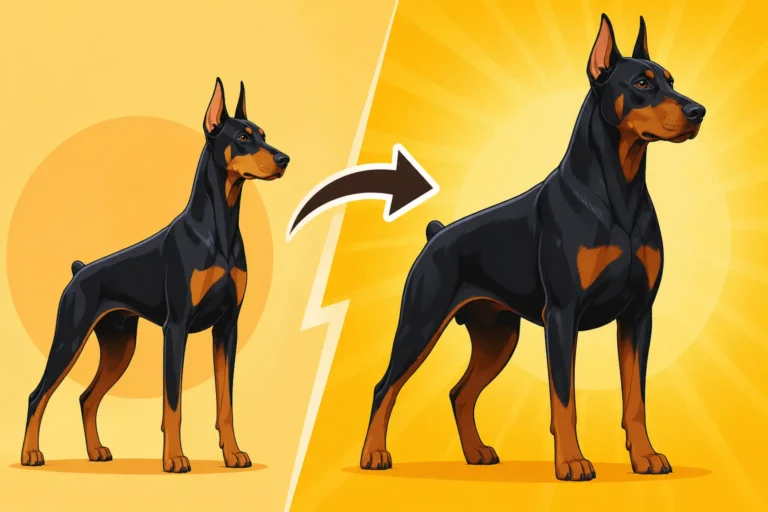
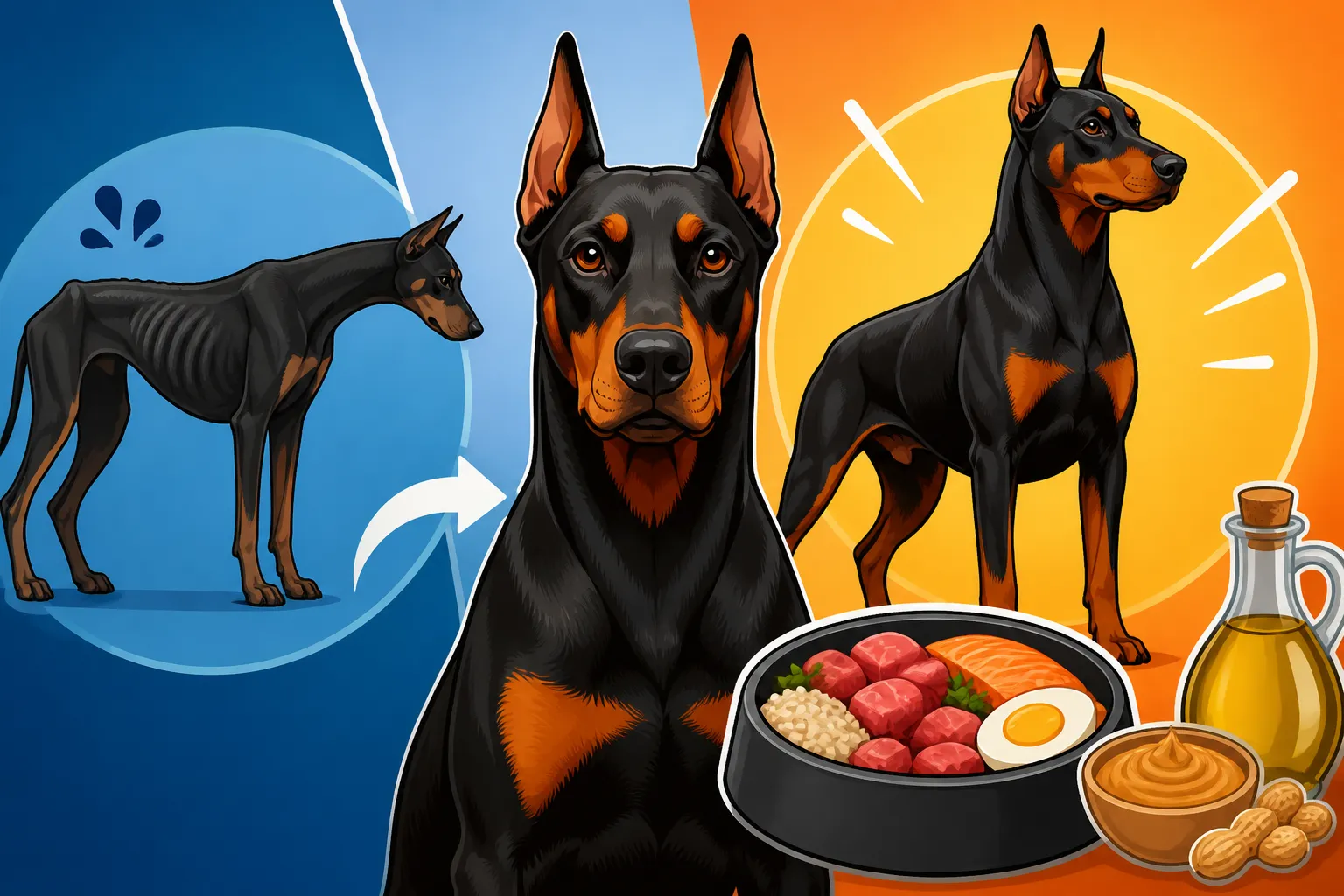
It's incredibly frustrating, isn't it, when you're doing everything right—feeding your Doberman good quality food, providing plenty of exercise, and showering them with love—yet they still look a bit too lean, almost like they're burning through calories faster than you can put them in? Many Doberman owners face this exact challenge, seeing ribs or hip bones that seem a little too prominent, and wondering if their beloved companion is truly healthy or if they're simply built that way. This guide is here to walk you through understanding your Doberman's unique metabolism, strategic feeding approaches, and important health considerations to help your lean Doberman achieve and maintain a healthy weight.
Understanding the Doberman Metabolism: Why They're Often Lean
Dobermans are renowned for their sleek, athletic build and boundless energy. It's part of what makes them so captivating, but it also means their bodies are finely tuned machines that burn fuel efficiently. This often leads to a natural leanness that can sometimes be mistaken for being underweight, causing a lot of worry for their devoted owners.
The Doberman's Natural Build and High Energy Output
Think about the Doberman's original purpose: a protective companion with incredible stamina, speed, and agility. They weren't bred to be bulky, heavy dogs. Instead, their physique is designed for explosive power and endurance, meaning they have a high muscle-to-fat ratio and a naturally high metabolism. This elegant, lean appearance is part of the breed standard. You should be able to feel their ribs easily, but they shouldn't look like they're sticking out or be visible from a distance without effort. Their waist should be evident when viewed from above, and there should be a distinct tuck-up from their ribcage to their flanks.
Because of this inherent athleticism, a Doberman at rest burns more calories than many other breeds of similar size. If your Doberman is regularly active, engaging in long walks, runs, or dog sports, their caloric needs skyrocket. It’s not unusual for them to burn off what seems like a significant amount of food just by existing and enjoying their daily routine. It's a delicate balance to understand what a truly healthy lean Doberman looks like versus one that might genuinely need a bit more sustenance. Many new owners stress over their Doberman looking "too thin" when, in fact, they're simply at their ideal, athletic weight. Familiarizing yourself with The Weight Range a Doberman Should Hold can be incredibly helpful in setting realistic expectations.
Common Reasons for Undesired Weight Loss in Dobermans
While a Doberman's natural leanness is one thing, actual weight loss or an inability to gain weight when desired can be due to several factors, some quite common and others needing a closer look.
One of the most frequent culprits is simply an insufficient calorie intake for their activity level. You might think you're feeding a lot, but for a Doberman that sprints around the yard, goes on daily hikes, and enjoys rigorous play, their energy demands are immense. What's enough for a less active breed might be barely maintenance for your Doberman. Another factor is a particularly active or stressful lifestyle. A Doberman constantly on the go, or one experiencing stress—perhaps from changes in the home, separation anxiety, or even just feeling overwhelmed in a new environment—can burn through calories at an accelerated rate. Their emotional state can directly impact their physical condition.
Then there are the picky eaters. Some Dobermans can be quite particular about their food, turning their noses up at meals or not finishing their bowls. If they're not consistently consuming their full ration, they won't gain weight. Growth spurts in younger Dobermans can also make it difficult to keep weight on them; they're literally growing before your eyes and need a continuous increase in calories to support that development. Understanding The Age a Doberman Reaches Full Height can help you anticipate these high-demand growth periods. Finally, and crucially, underlying health issues can manifest as weight loss. We'll delve deeper into this, but it's vital not to overlook medical reasons for a Doberman's inability to thrive.
Strategic Feeding Approaches for Healthy Weight Gain
When you've determined your Doberman truly needs to put on a few healthy pounds, a scattergun approach to feeding isn't the most effective. Instead, a thoughtful, strategic plan focusing on quality, quantity, and timing will yield the best results.
Choosing the Right Diet: Calories, Protein, and Fat
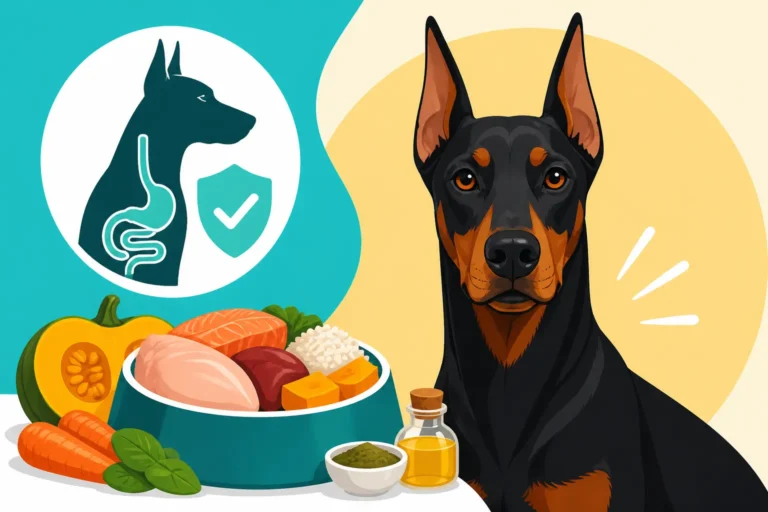
The foundation of healthy weight gain isn't just more food, but the right kind of food. For a Doberman, this means prioritizing calorie-dense options rich in high-quality protein and healthy fats. Protein is essential for building and maintaining lean muscle mass, which is what you want to increase, not just adipose tissue (fat). Look for foods with animal protein as the first few ingredients, ensuring it's from a reputable source.
Fats, while often feared, are your Doberman's most concentrated source of energy. Healthy fats provide more than twice the calories per gram compared to protein or carbohydrates, making them excellent for weight gain. Sources like salmon oil, flaxseed oil, or animal fats are beneficial. However, balance is key; too much fat can lead to digestive upset or other health issues. When you're looking for commercial kibble, read the guaranteed analysis carefully. You'll want to see a higher percentage of protein and fat designed for active or performance dogs. Many excellent options can be found through retailers like Chewy or on Amazon, where you can easily compare nutritional profiles and read reviews.
For those considering fresh or raw feeding, this approach can offer a high degree of control over ingredients and nutrient density. Brands like Ollie offer human-grade, fresh dog food which can be tailored to your dog's caloric needs and can be an excellent option for Dobermans needing to gain weight in a healthy way. Just remember that any significant dietary change should be introduced gradually to avoid digestive upset. It's also worth delving into Protein and Fat for a Lean Working Doberman for more specific guidance on macronutrient ratios.
Optimizing Meal Schedules and Portions
It's not just what you feed, but how and when. Instead of two large meals a day, consider breaking your Doberman's daily caloric intake into three or even four smaller meals. This can improve digestion and nutrient absorption, especially for Dobermans with sensitive stomachs or those who tend to "scarf and barf." Smaller, more frequent meals also help prevent issues like bloat, a serious concern for deep-chested breeds like the Doberman. It’s why we always recommend avoiding one large meal for Dobermans. Why a Doberman Is Never Fed One Big Meal explains this critical point further.
When increasing portions, do so incrementally. Don't suddenly double their food. Add a quarter cup or half cup per meal for a few days, monitor their digestion and energy levels, and then adjust again. You'll need to figure out How Many Cups an Adult Doberman Eats based on their current weight and activity. High-calorie toppers can also be a game-changer. Think cooked eggs, cottage cheese, plain canned pumpkin (in moderation for fiber), or a spoonful of good quality wet food mixed into their kibble. Some owners also find success with weight gain supplements, but always discuss these with your vet first to ensure they're appropriate for your specific Doberman.
Here's a sample daily feeding strategy:
| Time of Day | Meal Type | Description |
|---|---|---|
| Morning | Main Meal | 1/2 of daily kibble ration, possibly with a high-protein topper like an egg or cottage cheese. |
| Mid-Day | Snack/Meal | A small, calorie-dense snack, e.g., a handful of kibble, a piece of cooked chicken, or a specific weight-gain supplement. |
| Evening | Main Meal | Remaining 1/2 of daily kibble ration, potentially mixed with a wet food for added palatability and calories. |
| Before Bed | Small Snack | A very small, easily digestible snack to keep metabolism fueled overnight, like a few pieces of boiled chicken. |
Remember, consistency is key. Stick to your chosen feeding schedule as much as possible.
Addressing Underlying Health Issues and Lifestyle Factors
While diet is paramount, it’s only one piece of the puzzle. Sometimes, a Doberman struggles to maintain weight despite ample food because something deeper is going on. It’s crucial not to overlook these possibilities.
When to Consult Your Vet: Ruling Out Medical Causes
If you’ve been diligently increasing food intake and focusing on high-quality nutrients, but your Doberman still isn't gaining weight or is actively losing it, a visit to your veterinarian is absolutely essential. Weight loss can be an early indicator of several serious health conditions common in Dobermans.
For instance, parasites can silently rob your dog of vital nutrients. Even if you regularly deworm, some parasites are resistant or require specific treatments. Dental issues, like a painful tooth or gum infection, can make eating uncomfortable, leading to reduced intake. Malabsorption disorders, where the intestines aren't effectively absorbing nutrients from food, can also cause weight loss despite a good appetite. Less common but serious concerns include exocrine pancreatic insufficiency (EPI), where the pancreas doesn't produce enough digestive enzymes.
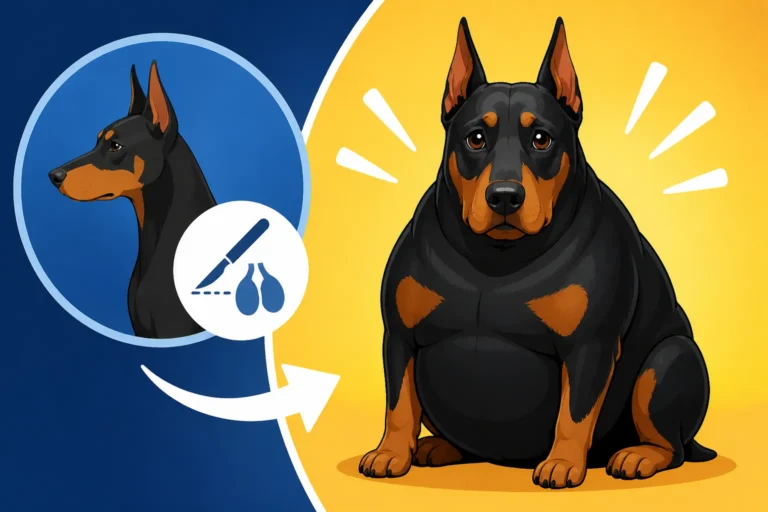
More gravely, systemic illnesses like kidney disease, liver issues, or even certain cancers can manifest as unexplained weight loss. Dobermans are unfortunately predisposed to conditions like The Heart Disease That Reaches Most Dobermans (Dilated Cardiomyopathy or DCM) and The Thyroid Numbers That Slow a Doberman Down (Hypothyroidism), both of which can impact metabolism and lead to weight changes or a general decline in condition. Early detection of any of these conditions can make a significant difference in prognosis and management. Your vet can perform a comprehensive physical exam, blood work, fecal tests, and potentially imaging or more specialized tests to pinpoint any underlying issues. Never try to "feed through" unexplained weight loss without a veterinary check.
Exercise, Stress, and Environmental Considerations
Beyond diet and internal health, your Doberman's environment and daily routine play a huge role in their caloric balance.
-
Exercise Levels: While Dobermans need plenty of exercise, over-exercising without adequately increasing their caloric intake can lead to weight loss. If your Doberman is training for intense sports or going on exceptionally long, strenuous outings every day, their food needs will be significantly higher than a Doberman who enjoys moderate walks. You need to match the calories to the output. Think about the energy expenditure from constant motion; it adds up!
-
Stress and Anxiety: Dobermans are known for being sensitive and often closely bonded to their families. High stress levels or anxiety, such as separation anxiety, changes in routine, or a noisy environment, can impact their appetite and digestion. Some Dobermans become so stressed they simply don't eat well, or their bodies burn more calories due to the constant internal tension. Creating a calm, predictable environment can go a long way in helping them relax and metabolize food more effectively. Sometimes, even the presence of another dog that makes them feel insecure can cause them to eat less or burn more energy from anxiety.
-
Environmental Temperature: Dobermans have sleek, short coats with little to no undercoat, which means they feel the cold much more intensely than double-coated breeds. If your Doberman spends a lot of time outdoors in cooler temperatures, their body will burn more calories simply trying to stay warm. This is why many Doberman owners invest in Winter Coats and Cold-Weather Gear for a Doberman as soon as the mercury drops, often even when The Temperature a Doberman Needs a Coat is still relatively mild to a human. Keeping them warm reduces the energy expenditure directed solely at thermoregulation, allowing more calories to be used for weight gain or maintenance. Ensure their indoor sleeping area is warm and draft-free, perhaps with a cozy, orthopedic bed.
Monitoring Progress and Making Adjustments
Getting your Doberman to a healthy weight isn't a one-and-done task; it's an ongoing process of observation, adjustment, and consistency. You need to become an expert at reading your dog's body.
How to Accurately Track Your Doberman's Weight and Condition
The best way to gauge progress is through objective measurement and consistent observation.
- Regular Weigh-Ins: If possible, weigh your Doberman weekly or bi-weekly at the same time of day (e.g., before breakfast). Many vet clinics will allow you to pop in just to use their scale. Keep a log of their weight. You’re looking for a steady, gradual increase, not a sudden jump, which could indicate water retention or an unhealthy accumulation of fat.
- Body Condition Scoring (BCS): This is where you use your hands and eyes. Stand above your Doberman and look down: can you see a defined waist? From the side, is there an abdominal tuck? Now, feel along their ribs. You should be able to feel their ribs easily, but not see them prominently without pressing, and they shouldn't feel sharp. As your Doberman gains weight, you'll notice the ribs become less distinct but still palpable with gentle pressure. Check out Reading Ribs and Hip Points on a Doberman for detailed instructions on how to properly assess their body condition.
- Photographic Journal: Take weekly side-profile and top-down photos of your Doberman. It’s amazing how subtle changes over time can become obvious when you look back at earlier pictures. Sometimes, you're so used to seeing them daily that you don't notice the gradual improvement until you compare photos.
- Energy Levels and Coat Quality: Pay attention to their overall demeanor. Are they more energetic? Is their coat looking healthier and shinier? These are often good indicators of improved nutrition and overall well-being.
Remember, healthy weight gain is slow and steady. Aim for a gradual increase, perhaps half a pound to a pound a week, rather than trying to rush it.
Long-Term Maintenance and Preventing Future Weight Loss
Once your Doberman reaches their ideal healthy weight and condition, the work isn't over. Maintaining that weight requires continued vigilance and the willingness to adjust their diet as needed.
- Ongoing Assessment: Continue to regularly assess their body condition, even if less frequently. If you notice them starting to look a little too lean again, or if you feel their ribs becoming too prominent, it's a signal to gently increase their food intake or calorie density.
- Activity Level Changes: A Doberman’s activity level isn't static. A young adult might be a whirlwind of energy, needing a lot of calories, while an older Doberman might slow down. What an Old Doberman Should Eat Differently covers how to adjust their diet as they age. Similarly, if you take a break from intense training or if their exercise routine changes, you'll need to slightly reduce their calories to prevent them from becoming overweight.
- Seasonal Adjustments: In colder months, your Doberman might naturally burn more calories to stay warm, even with a coat. You may need to slightly increase their food during winter. Conversely, in hotter summer months, their activity might decrease, and their caloric needs might slightly drop.
- Consistent Quality: Don't skimp on food quality. Maintaining a healthy weight long-term means providing consistent, high-quality nutrition. Exploring fresh food options, perhaps from brands like Ollie, or a top-tier kibble available on Chewy or Amazon, can make a difference in their overall health and ability to maintain condition.
- Regular Vet Check-ups: Continue with annual (or semi-annual for older dogs) veterinary check-ups to catch any potential health issues early, especially since some conditions can silently cause weight loss before other symptoms appear.
Getting weight onto a Doberman that burns it off can be a journey of trial and error, but with careful planning, attention to detail, and a close partnership with your veterinarian, you can ensure your beloved companion is thriving at their optimal, athletic weight.
Disclaimer
This article is for general informational purposes only and does not constitute professional advice. Laws, prices and regulations vary by location and change over time. Consult a qualified professional for guidance on your specific situation.