The Age a Doberman Leaves Puppy Food Behind
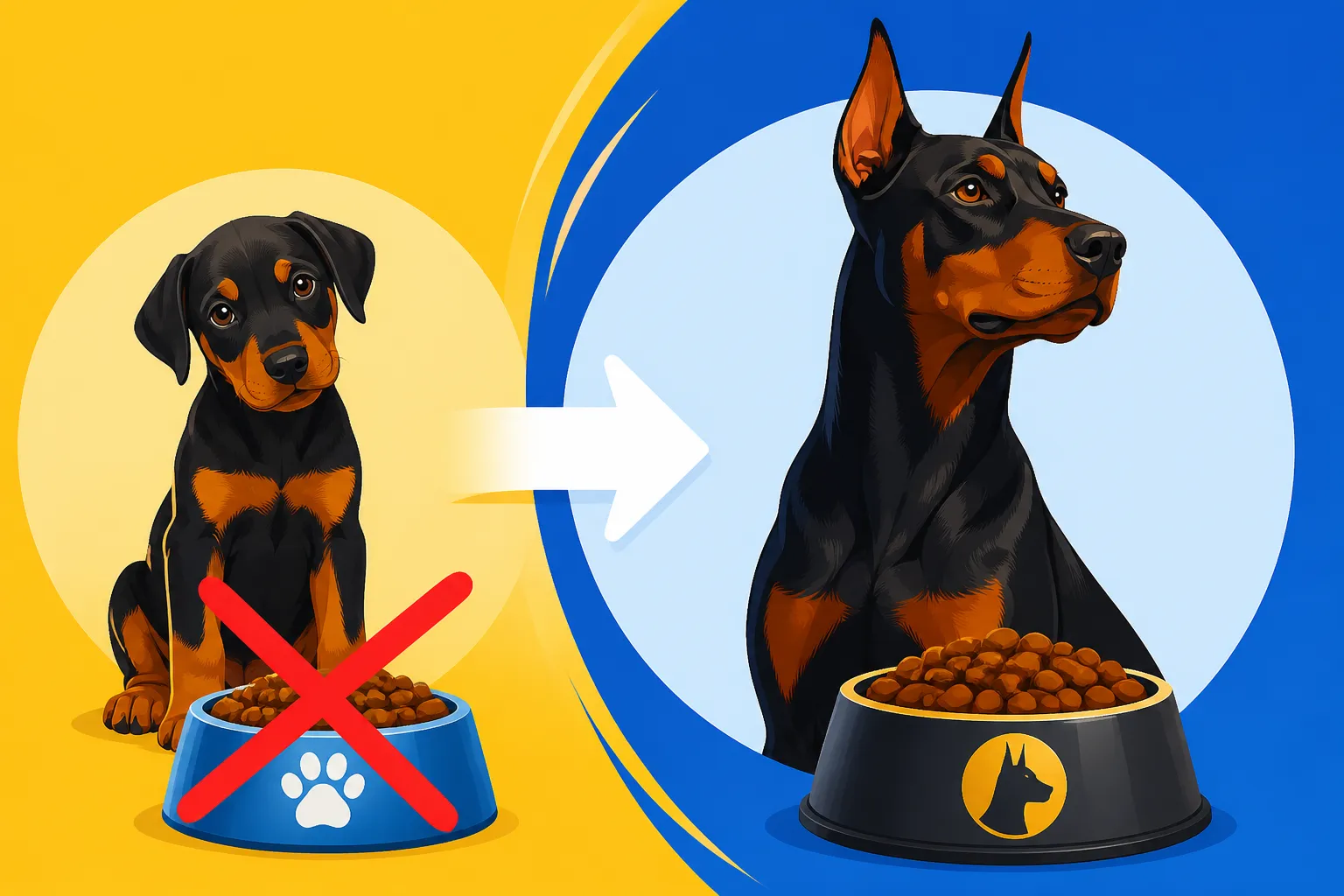
One of the biggest questions that pops up when you're raising a Doberman puppy, especially when they're hitting that gangly, awkward adolescent stage, is exactly when to wave goodbye to puppy food. It feels like they’re growing right before your eyes, but switching their diet too soon or too late can have real implications for their long-term health and development. This guide is here to walk you through the nuances of knowing the right time to transition your Doberman from puppy kibble to a grown-up diet.
Understanding Doberman Growth: Why It's Unique
Dobermans are truly magnificent dogs, known for their powerful build, elegant lines, and incredible athleticism. But that striking physique doesn't just appear overnight. Their growth trajectory is a bit different from smaller breeds, and understanding this is key to getting their nutrition right. We often look at puppies and just see "puppy," but a Doberman puppy is a large breed puppy, and that designation comes with its own set of dietary requirements and considerations.
The Doberman's Rapid Growth Curve
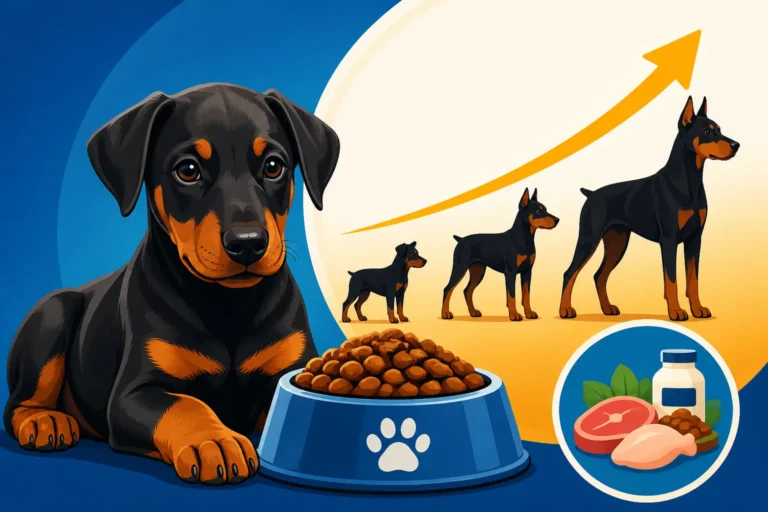
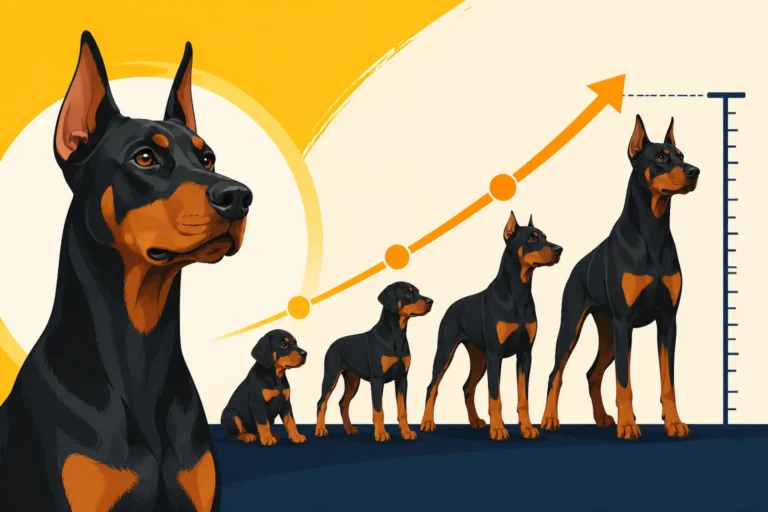
From the moment they arrive home as tiny bundles of mischief, Doberman puppies are on a fast track. They gain weight and height at an astonishing rate, particularly in their first 6-12 months. This rapid growth requires a specific balance of nutrients to support bone, muscle, and organ development. Puppy foods, especially those formulated for large breeds, are designed with higher protein and fat content, along with carefully controlled calcium and phosphorus levels. These elements are absolutely vital for building strong skeletons without over-stressing growing joints.
Think about it: a Doberman might go from a few pounds at eight weeks to 60-70 pounds by its first birthday. That's a massive transformation! This isn't just about getting big; it's about forming the very foundation of their adult body. If you're wondering Feeding a Doberman Puppy Through a Fast Growth Curve, you'll know that specialized large breed puppy food is formulated to provide energy for growth without pushing it too quickly. This controlled growth is a balancing act, and the food plays a critical role.
Avoiding Overgrowth and Joint Stress
Here's where the unique needs of a Doberman really come into play. While you might think more calories and more calcium would equate to stronger, bigger bones, for large breeds like Dobermans, it can actually be detrimental. Excessive calories or an imbalance of minerals, particularly calcium, can lead to skeletal problems such as osteochondrosis (OCD) or contribute to the severity of Doberman Hip Dysplasia. Their bones need to grow steadily and solidify properly, not just expand rapidly.
The goal isn't to make your Doberman as big as possible, as fast as possible. Instead, it's about supporting controlled growth. Puppy foods designed for large breeds have slightly lower caloric density than regular puppy foods, and a very specific calcium-to-phosphorus ratio. This helps prevent their bones and joints from growing too quickly, which can create weak spots or deformities that might manifest later in life. It's a delicate balance, and using a standard "all-breed" puppy food for a Doberman can inadvertently throw that balance off.
Reading Your Doberman's Body Condition
Beyond age, your Doberman's actual physical condition is a powerful indicator of when they're ready to transition off puppy food. You need to be able to "read" their body. Dobermans are naturally lean, athletic dogs. You should be able to easily feel their ribs when you gently run your hands along their side, but you shouldn't see their ribs protruding sharply. You should also observe a distinct waist tuck when looking down at them from above, and a nice upward curve from their chest to their abdomen from the side.
If your Doberman looks like a little barrel, they might be carrying too much weight, even as a puppy. This extra weight puts undue strain on their still-developing joints. On the other hand, if they look extremely gaunt, with hip bones and vertebrae highly prominent, they might not be getting enough nutrition. Pay attention to how they look and feel. As I always say, Reading Ribs and Hip Points on a Doberman is an essential skill for any Doberman owner. Their build, even as a puppy, should hint at that lean, muscular elegance they'll have as adults, not chunky puppy fat.
When to Make the Switch: Age and Developmental Milestones
There isn't a single "magic date" on the calendar that applies to every Doberman. While general guidelines exist, the exact timing depends on a combination of factors, including age, individual growth rate, and even their specific genetics. We want to ensure their bones and joints have reached a sufficient level of maturity before reducing the specialized nutrients found in puppy formulas.
The General Guideline: 12-18 Months
For most Dobermans, the sweet spot for transitioning from puppy to adult food falls somewhere between 12 and 18 months of age. This broader window accounts for individual variations. Many large breed puppy foods will even state this age range right on the bag as a recommendation. By their first birthday, most Dobermans have reached the majority of their adult height, but they are still filling out and maturing. Their growth plates, which are the soft areas at the ends of long bones responsible for growth, are typically closing during this period.
- Around 12 months: Many Dobermans are ready for the switch. They've usually hit their full height and are starting to fill out. If they're showing signs of slowing growth and maintaining a healthy, lean body condition, this is often a good time to start the transition process.
- Up to 18 months: Some Dobermans, especially larger males or those who mature a little slower, might benefit from staying on large breed puppy food a bit longer, perhaps until 15 or even 18 months. This extended period ensures their skeletal system has fully developed before the nutritional demands change. It's truly about the individual dog, not just the calendar.
The Role of Breed Size and Individual Variation
Remember, Dobermans are a "large" breed, but not a "giant" breed. This distinction matters. A Great Dane, for example, might stay on puppy food for 24 months or more, whereas a smaller Doberman might be perfectly ready at 12 months. It's critical not to compare your Doberman's progress to a tiny terrier or even a Labrador. Their growth patterns are different.
Within the Doberman breed itself, there's also variation. A very tall, lean male might still be actively growing and filling out at 15 months, whereas a more compact female might have reached her full physical maturity by 11 or 12 months. This is why paying attention to your individual dog is so important. Your vet, who sees your Doberman regularly, can offer personalized advice based on their examination and your dog's specific growth trajectory. This is also where understanding The Doberman Years When Everything Shows Up can be helpful, as many developmental stages occur around this timeframe.
Observing Behavioral and Physical Cues
Beyond just age, your Doberman will give you subtle clues that they're ready for adult food. These can be physical or behavioral:
- Slowing Growth: Are they still shooting up like a weed, or has their vertical growth noticeably tapered off? If you find yourself adjusting their crate height less frequently or noticing that they're no longer constantly outgrowing collars and harnesses, it's a good sign.
- Consistent Body Condition: Are they maintaining a healthy, lean weight without getting too thin or too chunky on their current food? If they're suddenly starting to look a bit "soft" or overweight on puppy food, it's a strong indicator that the higher calorie count is no longer needed.
- Reduced Energy Needs: While Dobermans are always energetic, the frantic, boundless energy of a very young puppy usually gives way to a more focused, even though still substantial, energy level around a year. If they seem to be burning through puppy food too quickly and still acting ravenous, or conversely, if they're leaving food in the bowl, their metabolic needs might be shifting.
- Asking the Vet: When in doubt, always chat with your veterinarian. They can assess your Doberman's growth plates, overall health, and weight, and provide the most accurate recommendation for your specific dog. It's often during your regular check-ups around the 12-month mark that this conversation naturally comes up.
Here's a quick overview of typical Doberman development milestones related to feeding:
| Age Range | Key Development | Feeding Guideline |
|---|---|---|
| 8 weeks – 6 months | Rapid growth in height and weight, bone development | Large breed puppy formula, 3-4 meals/day, monitor body condition closely. |
| 6 months – 12 months | Continued growth, filling out, growth plates maturing | Large breed puppy formula, 2-3 meals/day, prevent overfeeding. |
| 12 months – 18 months | Growth plates closing, full height reached, muscle mass development | Transition to adult food when growth slows, body condition is stable. Typically 2 meals/day. |
| 18 months + | Physical maturity, adult maintenance | Adult large breed formula, 2 meals/day. Adjust calories based on activity. |
This table is a general guide, of course, and your Doberman's unique pace might vary slightly.
The Transition Process: Smooth Sailing to Adult Food
Once you've decided it's time to make the switch, don't just dump a bag of adult food into their bowl and expect everything to be fine. A sudden change can wreak havoc on their digestive system, leading to upset stomachs, diarrhea, or a refusal to eat. A gradual approach is always the kindest and most effective method.
Gradually Introducing New Food
The key word here is "gradual." Over the course of 7-10 days, you'll slowly mix increasing amounts of the new adult food with decreasing amounts of their old puppy food. This gives your Doberman's digestive system time to adjust to the new ingredients, textures, and nutrient levels without shock.
Here's a common schedule:
- Days 1-2: 75% puppy food, 25% adult food.
- Days 3-4: 50% puppy food, 50% adult food.
- Days 5-6: 25% puppy food, 75% adult food.
- Days 7-10 (or longer if needed): 100% adult food.
During this period, watch your Doberman closely. Are their stools normal? Are they eating eagerly? If you notice any digestive upset, slow down the transition. You can extend each stage for a few more days until their system seems settled. There's no rush; a healthy gut is paramount. A good source for both puppy and adult food, like Chewy, will often provide clear guidance on their food packaging for how to transition.
Choosing the Right Adult Formula for Your Doberman
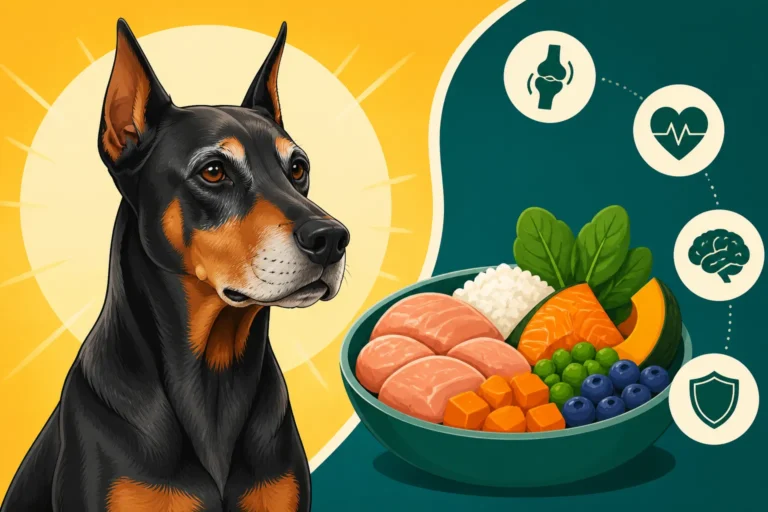
Just as you picked a large breed puppy food, you'll want to choose an adult formula specifically designed for large breeds. These foods continue to offer controlled calorie levels and a balanced nutrient profile appropriate for a mature Doberman. Avoid generic "all life stages" foods, as they might be too high in calories or have inappropriate mineral balances for a large breed adult.
When looking at labels, consider:
- Protein Source: Look for a high-quality, named meat protein as the first ingredient (e.g., "chicken meal," "lamb," "beef"). Dobermans are athletic and need good protein to maintain their lean muscle mass. If you’re unsure about Protein and Fat for a Lean Working Doberman, consult a vet or a canine nutritionist.
- Fat Content: Adult large breed formulas typically have a moderate fat content to maintain a healthy weight without promoting obesity.
- Joint Support: Many large breed adult foods include supplements like glucosamine and chondroitin, which can be beneficial for long-term joint health. While these are not a cure-all, they can contribute to overall well-being.
- Brand Reputation: Stick with reputable brands that conduct thorough research and quality control. Brands like Purina Pro Plan, Royal Canin, or Hill's Science Diet are often vet-recommended and readily available through retailers like Amazon or specialized pet food stores. If you're exploring fresh food options, companies like Ollie also offer specially formulated diets, but always ensure they are complete and balanced for large adult dogs.
Monitoring for Digestive Upset and Allergies
During and after the transition, keep a close eye on your Doberman for any signs of digestive upset or potential food allergies. These can manifest as:
- Diarrhea or Loose Stools: The most common sign of a diet change not going well.
- Vomiting: More severe, and definitely a signal to slow down or reconsider the food.
- Excessive Gas: While some gas is normal, a sudden increase or particularly foul-smelling gas could indicate a problem.
- Itching or Skin Issues: While less common with simple transitions, new ingredients can sometimes trigger an allergic reaction, leading to scratching, redness, or Dandruff and Flaking on a Doberman.
- Changes in Appetite: Refusal to eat the new food, or a sudden decrease in appetite, warrants attention.
If you observe any of these symptoms, revert to the previous step in the transition or consult your veterinarian. They can help you troubleshoot the issue and ensure your Doberman's health isn't compromised.
Beyond the Bowl: Other Nutritional Considerations for Your Growing Doberman
Switching to adult food is a big step, but it’s just one piece of the puzzle for ensuring your Doberman’s continued health and well-being. Nutrition extends beyond what’s in their bowl, encompassing their activity levels, supplementary needs, and even how often they eat. These factors work together to support a healthy, thriving adult Doberman.
The Importance of Appropriate Exercise
A Doberman's diet and exercise regimen are intrinsically linked. Even on adult food, a growing Doberman still needs appropriate exercise to develop strong muscles and maintain a healthy weight. However, it's crucial to balance this with protecting their developing joints. Protecting a Growing Doberman's Joints means avoiding high-impact, repetitive activities like long-distance running on hard surfaces, jumping from high places, or excessive agility work until they are fully mature – usually around 18-24 months.
Instead, focus on activities that promote controlled movement and muscle development without excessive strain. Daily walks on soft surfaces, playful romps in the yard, and mental stimulation through training sessions are ideal. As they transition to adult food, their energy levels will become more consistent, but their need for engagement remains high. Remember, a Doberman at The Age a Doberman Reaches Full Height still needs careful consideration for their physical activities.
Supplements: When and If Needed
The question of supplements often comes up for Doberman owners, especially with concerns about joint health and heart disease. For a Doberman transitioning to a high-quality, complete, and balanced large breed adult food, additional supplements are generally not necessary unless recommended by your veterinarian. Good commercial diets are formulated to provide all the essential nutrients your dog needs.
- Joint Supplements: While some adult large breed foods include glucosamine and chondroitin, adding more might not be beneficial without veterinary guidance. If your Doberman shows signs of joint stiffness or has a predisposed condition, your vet might recommend specific supplements.
- Taurine and Carnitine: These amino acids are often discussed in the context of Doberman heart health, specifically Dilated Cardiomyopathy (DCM). While some studies have explored their role, especially in cases linked to certain boutique or grain-free diets, supplementing without veterinary supervision is generally not advised. Taurine and Carnitine for a Doberman Heart should only be given under the direct guidance of a veterinary cardiologist, if at all.
- Calcium: As mentioned earlier, excessive calcium can be harmful to a growing Doberman. Once they are on a balanced large breed adult food, additional calcium supplementation is almost never needed and can actually cause more harm than good.
Always, always consult your vet before adding any supplements to your Doberman's diet. More isn't always better, and an imbalance can lead to health problems.
Hydration and Feeding Schedules
Proper hydration is just as important as solid food. Always ensure your Doberman has access to fresh, clean water, especially after exercise and meals. Dobermans have deep chests, which, while majestic, also predisposes them to bloat, a life-threatening condition. Proper meal timing is crucial to help prevent this.
Once your Doberman is on adult food, sticking to two meals a day is generally recommended. Avoid feeding one large meal, which can increase the risk of bloat. Meal Timing on a Deep-Narrow Doberman Chest is something every Doberman owner should be mindful of.
- Consistency: Feed at roughly the same times each day to help regulate their digestive system.
- Rest Period: A crucial preventative measure for bloat is to ensure your Doberman rests for at least an hour before and after meals. No strenuous exercise or vigorous play around meal times.
- Elevated Bowls: While once thought to prevent bloat, current research suggests that elevated bowls may actually increase the risk in large, deep-chested breeds. It's generally safer to feed from a bowl on the floor. If you're concerned about your Doberman eating too fast, a slow-feeder bowl can be a great investment.
Transitioning your Doberman from puppy food to adult food is a significant milestone in their development. By understanding their unique growth needs, observing their physical cues, and executing a gradual transition with the right adult formula, you're setting them up for a lifetime of health and vitality. Always remember, your veterinarian is your best resource for personalized advice tailored to your Doberman's specific needs.
Disclaimer
This article is for general informational purposes only and does not constitute professional advice. Laws, prices and regulations vary by location and change over time. Consult a qualified professional for guidance on your specific situation.