Medication for a Doberman in the Occult Phase
It’s an agonizing moment when you learn your beloved Doberman has Dilated Cardiomyopathy (DCM), even if it's currently showing no outward signs. This silent stage, known as the occult phase, is a cruel reality for so many Doberman owners. Understanding the medical interventions available during this period can feel overwhelming, but this guide aims to demystify the medications that can extend your Doberman's quality of life, focusing on practical advice and what to expect.
Understanding the Occult Phase of DCM in Dobermans
The term "occult" might sound mysterious, but in the world of Doberman heart health, it simply means hidden or subclinical. This is the period where your Doberman's heart is already undergoing significant changes associated with Dilated Cardiomyopathy (DCM), yet your dog appears completely normal, playing and acting like their usual energetic self. This phase can last for months, or even years, and it's a stark reminder of Why a Doberman Heart Fails Before Anyone Notices. It’s precisely because this disease progresses silently that it's so frustrating and heartbreaking for Doberman families.
What is DCM and the Silent Progression
DCM is a primary disease of the heart muscle that results in dilated (enlarged) ventricles and atria, leading to a reduced ability of the heart to pump blood effectively. Imagine the heart as a balloon that gets stretched out; it can hold more air, but it can’t push that air out with the same force. This weakening of the heart muscle eventually leads to congestive heart failure. For Dobermans, this condition is devastatingly common, often referred to as The Heart Disease That Reaches Most Dobermans. In the occult phase, while the heart is structurally changing – dilating, thinning walls, and often developing electrical abnormalities – the body compensates incredibly well. Your Doberman's organs are still getting enough blood, so they don’t show symptoms like coughing, lethargy, or fainting. This makes routine screening, such as annual echocardiograms and Holter monitors, absolutely essential. It’s the only way to catch this silent killer before it advances.
The reason it's so "silent" for so long is that the heart has remarkable compensatory mechanisms. It might beat faster, or the blood vessels might constrict to maintain blood pressure, masking the underlying weakness. It’s like a car with a slowly failing engine; you can push harder on the gas pedal for a while, but eventually, the engine will seize. For Dobermans, this compensation often continues until the heart is severely compromised, at which point clinical signs appear rapidly and are often very severe. Many owners report that their Doberman went from seemingly fine to critically ill in a matter of days or weeks, which perfectly illustrates The Silent Years Before a Doberman's Heart Shows.
Why Early Detection is Crucial for Dobermans
Given the silent nature of occult DCM, early detection through regular screening is not just recommended, it’s absolutely vital for Dobermans. When we talk about early detection, we're really discussing catching the disease while it's still in this occult phase, before any clinical signs of heart failure develop. This is the golden window where intervention can make a significant difference. Without this early diagnosis, many Dobermans will progress rapidly to symptomatic heart failure, which carries a much poorer prognosis and often a dramatically reduced quality of life. The average age that Doberman heart disease usually starts to become detectable is often around four to six years old, making those mid-life screenings so important.
Catching DCM in the occult phase allows your veterinary cardiologist to start medications that can significantly delay the onset of clinical signs and potentially extend your Doberman's symptom-free life. This isn't about curing the disease; sadly, there is no cure for DCM. Instead, it's about slowing its progression, managing its consequences, and preserving heart function for as long as possible. Studies have shown that early treatment with certain medications can add substantial time to a Doberman’s life, transforming what might have been a few months of symptomatic life into many more comfortable, active years. This proactive approach not only benefits your dog but also gives you, as an owner, more precious time with your beloved companion, reducing the emotional toll of a sudden decline.
The Goal of Medication in the Occult Phase
When your Doberman is diagnosed with occult DCM, the news can feel overwhelming. You're likely wondering what can even be done if there are no symptoms yet. The primary goal of starting medication during this symptom-free period is to intervene before the heart deteriorates further. It’s about being proactive rather than reactive, aiming to postpone the inevitable progression to symptomatic heart failure. This isn't just about delaying the bad days; it's about maximizing the good days for your Doberman.
Slowing Disease Progression
One of the main objectives of treating occult DCM is to slow down the structural and functional changes occurring in your Doberman's heart. By intervening early, veterinarians hope to mitigate the continuous stretching and weakening of the heart muscle. Think of it like trying to stop a leak in a dam before it bursts; you’re shoring up the structure to withstand pressure for longer. The goal is to keep the heart pumping as efficiently as possible for as long as possible, maintaining the balance that prevents clinical signs from appearing.
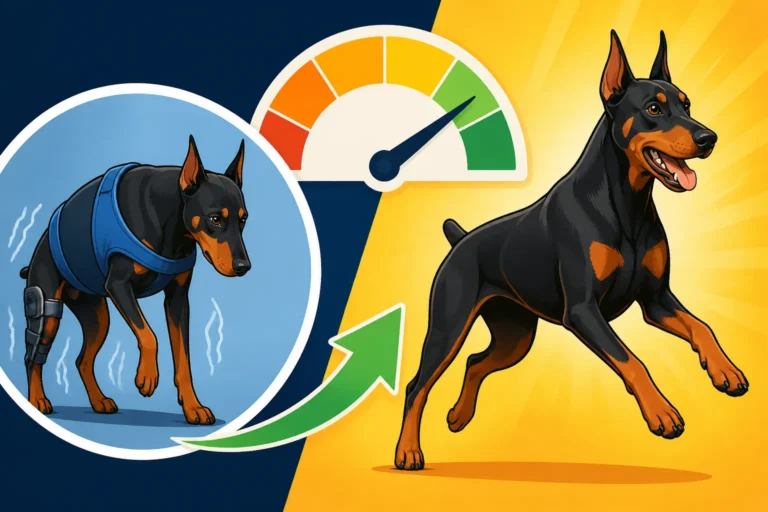
This slowing of disease progression means extending the period during which your Doberman remains happy, active, and unaware of its underlying heart condition. It translates into more walks, more play, and more snuggles on the couch. Studies have actually demonstrated that specific medications can significantly extend the symptom-free interval, giving Doberman owners more quality time. This is particularly relevant when considering the common trajectory of the disease, where How a Doberman Heart Enlarges Before Symptoms often occurs long before any outward signs are visible. By slowing this enlargement, we effectively push back the timeline for serious issues.
Managing Arrhythmias and Preventing Sudden Death
Beyond structural changes, many Dobermans with DCM also develop electrical abnormalities in their heart, known as arrhythmias. These irregular heartbeats can range from benign to life-threatening. In Dobermans, ventricular arrhythmias are particularly common and can lead to serious complications, including fainting spells (syncope) and, tragically, sudden cardiac death. This is a very real and terrifying concern for Doberman owners, as Sudden Death in a Young Doberman is a devastating possibility, even in the occult phase.
Therefore, a critical goal of medication in the occult phase is to manage these arrhythmias. Antiarrhythmic drugs are often prescribed to stabilize the heart's electrical activity, reducing the frequency and severity of dangerous irregular beats. By doing so, we aim to prevent episodes that could cause collapse or, worse, sudden death. Monitoring these arrhythmias is typically done through a Holter monitor, which records the heart's electrical activity over a 24-hour period. Regularly reviewing Reading a Doberman's Holter Result allows your cardiologist to assess the effectiveness of these medications and adjust dosages as needed, ensuring your Doberman’s heart maintains the most stable rhythm possible.
Key Medications Used in Occult DCM
When it comes to treating occult DCM in Dobermans, there are a few key players in the medication arsenal. These drugs aren't chosen lightly; they're based on extensive research and clinical trials specifically for Doberman Pinschers and other breeds prone to DCM. Your veterinary cardiologist will tailor a treatment plan based on your dog's specific diagnostic findings, including the degree of heart enlargement and the type and severity of arrhythmias detected during Annual Echo and Holter Screening for a Doberman.
Pimobendan
Pimobendan is arguably the most impactful medication prescribed for Dobermans in the occult phase of DCM. It's a game-changer. This drug, a positive inotrope and vasodilator, works in two crucial ways: it helps the heart muscle contract more forcefully, and it widens the blood vessels, making it easier for the heart to pump blood throughout the body. Essentially, it helps the weakened heart do its job more efficiently without working harder. For Dobermans, clinical trials, most notably the EPIC study, have shown that starting pimobendan in the occult phase significantly delays the onset of clinical signs of congestive heart failure and extends survival time. This is precisely why a Doberman cardiologist will often recommend Pimobendan Before a Doberman Shows Signs.
The typical dosage of pimobendan is usually twice a day, and it's essential to give it consistently and as prescribed. While generally well-tolerated, side effects can sometimes include gastrointestinal upset, though these are uncommon. The benefits of this medication are profound; it's one of the few drugs proven to alter the course of the disease in the occult stage. It buys you and your Doberman more precious time, offering a longer, higher quality symptom-free life. Understanding How Much Longer Early Treatment Buys a Doberman can provide immense comfort and motivation for adhering to the treatment plan.
Antiarrhythmic Drugs
As discussed, arrhythmias are a major concern in Dobermans with DCM, even in the occult phase. They can lead to collapse or sudden death, so addressing them is paramount. Antiarrhythmic drugs are prescribed specifically to stabilize the heart's electrical activity and reduce the incidence of dangerous irregular beats. The choice of antiarrhythmic medication depends heavily on the type, frequency, and complexity of the arrhythmias observed, typically from a 24-hour Holter monitor.
Common antiarrhythmic drugs used in Dobermans include:
- Sotalol: This is a beta-blocker that also has antiarrhythmic properties. It's often a first-line choice for ventricular arrhythmias in Dobermans, helping to slow the heart rate and reduce the excitability of heart cells.
- Mexiletine: An oral antiarrhythmic that works by blocking sodium channels in the heart, reducing abnormal electrical activity. It's often used in conjunction with sotalol, or if sotalol isn't fully effective.
- Amiodarone: A more potent antiarrhythmic, typically reserved for severe, refractory arrhythmias that don't respond to other medications. It has a broader spectrum of action but also a higher risk of side effects, requiring careful monitoring.
The decision to start an antiarrhythmic, and which one, is made by a board-certified veterinary cardiologist. They will consider the number of abnormal beats—often assessed by seeing How Many Abnormal Beats Worry a Doberman Cardiologist on a Holter report—and your Doberman's overall health. These drugs require careful monitoring, as they can have side effects on other organ systems, and their effectiveness can vary. Regular follow-up Holter monitoring and blood tests are crucial to ensure the medication is working and not causing undue harm.
Supplements
Beyond prescription medications, certain supplements are often discussed in the context of Doberman DCM, although their efficacy, particularly in the occult phase, is not as strongly supported by scientific evidence as pimobendan or antiarrhythmics. However, some cardiologists may recommend them, especially if there's a suspected deficiency or a desire to provide comprehensive support.
- Taurine and L-Carnitine: These are amino acids vital for heart function. While most Dobermans don't have a primary dietary deficiency, some studies suggest that a subset of Dobermans with DCM might benefit from supplementation. Historically, taurine deficiency was linked to DCM in other breeds, but it's less common as a primary cause in Dobermans. Still, a cardiologist might test for plasma levels of these amino acids, especially if your Doberman is on a non-traditional or boutique diet. If deficiencies are found, supplementation is certainly warranted.
- Omega-3 Fatty Acids (Fish Oil): Omega-3s, particularly EPA and DHA, have anti-inflammatory properties and can help support overall cardiovascular health. While they won't stop DCM progression, they may help reduce inflammation and improve heart cell membrane integrity. They are generally considered safe and can be beneficial for overall health, not just the heart.
It's absolutely critical to discuss any supplements with your veterinary cardiologist before starting them. What might seem harmless could interact with prescribed medications or have unintended effects. A good-quality supplement, recommended by your vet, can be part of a holistic approach, but it should never replace proven medications for DCM. The pet insurance provider Healthy Paws, for example, often emphasizes preventative care and discusses the importance of consulting with vets on all aspects of a pet's health, including supplements, to ensure they align with the best medical practices.
Monitoring and Adjusting Treatment
Starting your Doberman on medication for occult DCM is just the beginning of a proactive management journey. It’s not a set-it-and-forget-it situation. Regular monitoring and potential adjustments to the treatment plan are absolutely critical to ensure the medications are working effectively, that your Doberman is tolerating them well, and to catch any signs of disease progression as early as possible. This ongoing vigilance is key to extending the quality and length of your Doberman's life.
Regular Cardiac Screenings
The bedrock of monitoring occult DCM in Dobermans is regular, specialized cardiac screenings. These typically involve a combination of echocardiograms and Holter monitors. Your veterinary cardiologist will establish a schedule for these check-ups, which usually range from every 6 to 12 months, depending on the initial findings and how your Doberman is responding to treatment.
- Echocardiograms (Echo): This ultrasound of the heart allows the cardiologist to visualize the heart's structure and function in real-time. They will be looking for any changes in the size of the heart chambers, the thickness of the walls, and how effectively the heart is pumping blood. Even subtle increases in heart size or reductions in pumping efficiency can indicate progression, prompting a reevaluation of medication dosages or the addition of new drugs. What a Doberman Echo Actually Measures is crucial for tracking disease progression.
- Holter Monitoring: A 24-hour ambulatory ECG (electrocardiogram), the Holter monitor records every heartbeat over an entire day. This is vital for assessing the effectiveness of antiarrhythmic medications and detecting any new or worsening arrhythmias. Your cardiologist will analyze the total number of premature ventricular contractions (PVCs) and the presence of more dangerous arrhythmias like ventricular tachycardia. An increase in these abnormalities often necessitates an adjustment in antiarrhythmic therapy.
These screenings are not just about diagnosis; they are about ongoing management. They provide objective data that helps your veterinary team make informed decisions to optimize your Doberman's treatment plan.
Blood Work and Overall Health
While cardiac screenings focus directly on the heart, routine blood work is equally important when a Doberman is on medication for occult DCM. Medications, while beneficial for the heart, can sometimes affect other organ systems, particularly the kidneys and liver.
- Kidney and Liver Function: Many medications are processed by the liver or excreted by the kidneys. Regular blood tests, including a chemistry panel, will check kidney values (BUN, creatinine, SDMA) and liver enzymes (ALT, ALP) to ensure these organs are healthy and coping well with the drugs. If values start to shift, your vet might adjust dosages or switch medications to protect these vital organs.
- Electrolyte Levels: Some cardiac medications, particularly certain diuretics if they are introduced later, can affect electrolyte balance (e.g., potassium levels). Imbalances can themselves contribute to arrhythmias or other health issues.
- ProBNP Levels: This blood test can serve as The Blood Test That Flags a Doberman Heart. While not a diagnostic tool on its own, an elevated ProBNP level can indicate cardiac stress and can be a useful marker to track over time, potentially signaling progression even before changes are visible on an echo.
Regular comprehensive blood work ensures a holistic view of your Doberman's health, allowing for proactive adjustments to medication or supportive care, keeping potential side effects at bay.
Recognizing Signs of Progression
Even with the best medications and regular monitoring, DCM is a progressive disease. It’s important for you, as the primary caregiver, to be vigilant for any subtle changes in your Doberman's behavior or physical condition. These changes might be the first indicators that the disease is progressing from the occult phase to the symptomatic phase. Remember, Why a Doberman Can Look Fine and Be Ill for an extended period, so even minor shifts warrant attention.
Be on the lookout for:
- Changes in energy levels: Is your Doberman tiring faster on walks? Less enthusiastic about play?
- Coughing or breathlessness: Especially after exercise or when resting.
- Reduced appetite or weight loss: Unexplained changes in eating habits.
- Fainting or weakness: Any episode of collapsing or stumbling.
- Distended abdomen: A pot-bellied appearance, which can indicate fluid buildup.
Any of these signs, no matter how minor they seem, should prompt an immediate call to your veterinary cardiologist. They might recommend an unscheduled echo or Holter, or a physical examination to assess if an adjustment to the medication protocol is needed. Early intervention at the first sign of clinical symptoms can still improve outcomes and maintain your Doberman's comfort.
Living with a Doberman on Occult DCM Medication
Living with a Doberman diagnosed with occult DCM and on medication requires a commitment to a new routine, but it doesn’t mean an end to their happy, active life. In fact, the goal of these medications is precisely to preserve that quality of life for as long as possible. It’s about integrating treatment seamlessly into your daily life and being prepared for the journey ahead.
Daily Medication Routine
Consistency is key when it comes to administering your Doberman's heart medications. Most of these drugs, like pimobendan and antiarrhythmics, need to be given twice daily, ideally around the same time each day to maintain steady blood levels. This can feel like a big adjustment at first, especially if your dog has never been on chronic medication.
Here are some tips to make it easier:
- Establish a Schedule: Set alarms on your phone or integrate medication times with your existing routines (e.g., breakfast and dinner).
- Pill Hiding: Dobermans are smart, but most can be fooled with tasty treats. Pill pockets, cheese, peanut butter (xylitol-free!), or a small amount of canned food can work wonders.
- Positive Reinforcement: Make medication time a positive experience. Follow it with praise, a small treat, or a short play session.
- Tracking: Keep a simple calendar or a medication app to mark off doses. This is especially helpful if multiple family members are involved in care.
Remember, missing doses can lead to fluctuations in medication levels, potentially diminishing their effectiveness. If you're struggling, talk to your vet about strategies or alternative formulations (e.g., compounded liquids) that might make administration easier.
Exercise and Lifestyle Considerations
In the occult phase, the aim is to allow your Doberman to lead as normal a life as possible. This means maintaining appropriate exercise levels. You shouldn’t suddenly stop all activity, as regular, moderate exercise is beneficial for overall health, including cardiovascular fitness.
- Maintain Moderate Activity: Continue with your regular walks, playtime, and mental stimulation. The medication is helping their heart, so they should still be able to enjoy these activities.
- Avoid Overexertion: While normal activity is fine, intense, prolonged, or highly strenuous exercise (like long, fast runs or highly competitive sports without careful monitoring) might need to be approached with caution or modified. Discuss specific exercise recommendations with your cardiologist, as they can provide guidance based on your Doberman's individual heart health.
- Monitor for Fatigue: Pay close attention to how your Doberman recovers after exercise. If they are excessively tired, panting heavily for a long time, or seem to struggle, it’s a sign to dial back the intensity.
- Stress Reduction: Minimize stress in your Doberman's environment, as stress can elevate heart rate and blood pressure. A calm, predictable routine is often best.
The key is balance. You want your Doberman to enjoy life, but you also want to avoid pushing their already compromised heart too hard.
Financial Considerations and Insurance
Let's be realistic: managing a chronic condition like DCM can be expensive. Medications, specialized cardiac screenings, and regular vet visits add up quickly. This is where financial planning and pet insurance become incredibly important, especially for a breed with such well-known health predispositions.
- Medication Costs: Pimobendan and antiarrhythmics can be costly, and your Doberman will likely be on them for the rest of their life. Prices can vary depending on dosage, brand, and where you purchase them (e.g., human pharmacies, online pet pharmacies, or your vet).
- Screening Costs: The annual (or semi-annual) echocardiograms and Holter monitors are essential but represent The Yearly Heart Bill for a Doberman. These are specialist procedures that require specific equipment and expertise.
- Pet Insurance: This is perhaps the single most important financial tool for Doberman owners. Getting your Doberman covered by pet insurance before any signs of DCM appear is crucial. Once diagnosed, even in the occult phase, DCM is typically considered a pre-existing condition, and future claims related to it may not be covered. Providers like Healthy Paws are popular choices, but it's vital to enroll your Doberman as early as possible. Many Doberman owners realize Why a Doberman Insured at Four Is Late once they get a DCM diagnosis, because waiting too long can mean heart issues are excluded. Investing in a good policy early can provide immense peace of mind and significantly offset treatment costs down the line, ensuring you don't have to make decisions based solely on finances. It truly can make the difference between being able to afford gold-standard care and having to make difficult compromises. It’s something to consider seriously, as Whether Any Doberman Owner Should Skip Insurance is a critical question for this breed.
Table: Estimated Annual Costs for Doberman Occult DCM Management (Approximate Ranges)
| Item | Estimated Annual Cost | Notes |
|---|---|---|
| Pimobendan (daily) | $800 – $2,000+ | Varies by dosage, weight, and pharmacy. |
| Antiarrhythmics (daily) | $300 – $1,000+ | Varies by type, dosage, and frequency. |
| Echocardiogram (1-2x/year) | $500 – $1,000+ | Specialist procedure, cost depends on location/clinic. |
| Holter Monitor (1-2x/year) | $250 – $600+ | Includes device rental and interpretation. |
| Blood Work (1-2x/year) | $150 – $400+ | Monitoring kidney/liver, electrolytes, ProBNP. |
| Total Annual Estimate | $2,000 – $5,000+ | Does not include emergency visits or other general vet care. |
Disclaimer: These are approximate ranges and can vary significantly based on geographic location, veterinary clinic, individual Doberman's needs, and specific medication brands.
Disclaimer
This article is intended for informational purposes only and does not constitute medical advice. Always consult with a qualified veterinary professional, ideally a board-certified veterinary cardiologist, for any health concerns or before making any decisions about your Doberman's medical care. Individual outcomes may vary.