The DCM1 Gene Test Explained for Doberman Owners
It’s a heartbreaking reality for Doberman owners: the shadow of Dilated Cardiomyopathy (DCM) looms large over our beloved companions. The thought of their strong, loyal hearts failing silently is a fear many of us live with daily. This guide is here to shed light on one crucial tool in our arsenal against this devastating disease: the DCM1 gene test. We’ll break down exactly what this test means for you and your Doberman, helping you understand its role in early detection, responsible breeding, and proactive care.
Understanding Dilated Cardiomyopathy (DCM) in Dobermans
Before we dive into the specifics of the DCM1 gene test, it's essential to grasp the enemy we're fighting. Dilated Cardiomyopathy is a progressive heart condition that is tragically common in Dobermans. It’s not just a minor issue; it’s a leading cause of death in the breed, often striking down otherwise healthy-looking dogs in their prime.
What DCM Actually Is: The Mechanics of a Failing Heart
Imagine a strong, athletic heart, perfectly designed to pump blood efficiently throughout the body. Now, imagine that heart slowly losing its strength. That's essentially what happens with DCM. The heart muscle, particularly the left ventricle, becomes stretched, thin, and enlarged – or "dilated." This dilation makes it incredibly difficult for the heart to contract with enough force to pump blood effectively. Think of it like a rubber band that's been stretched too many times; it loses its snap.
As the heart struggles, blood doesn't flow as it should, leading to a build-up of fluid in the lungs (pulmonary edema), abdomen, or other tissues. This diminished pumping power affects every organ, eventually leading to heart failure. For Dobermans, this isn't a rare anomaly; it's a genetic predisposition that has sadly become a hallmark of the breed, affecting a significant portion of the population. Understanding the full scope of The Heart Disease That Reaches Most Dobermans is crucial for any owner.
The Silent Threat: Why Dobermans Often Show No Symptoms Until It's Too Late
One of the cruelest aspects of Doberman DCM is its "occult" phase. This means the disease can be present and progressing for years without any outward signs that something is wrong. Your Doberman might be running, playing, and acting completely normal, all while their heart is silently deteriorating. This is a huge source of frustration and anxiety for owners. You feel helpless, knowing this ticking clock might be present, but having no way to see it with your own eyes.
The first noticeable symptoms often only appear when the heart has already suffered significant damage. These can include coughing, difficulty breathing, lethargy, reduced exercise tolerance, and even sudden collapse or fainting. By this point, the disease has usually advanced to a stage where management becomes more challenging and the prognosis is guarded. This is why tools like the DCM1 gene test, along with regular screening, are so incredibly important – they offer a chance to catch things before they become catastrophic. The topic of The Silent Years Before a Doberman's Heart Shows delves deeper into this challenging reality.
The DCM1 Gene Test: What It Is and How It Works
This brings us to the DCM1 gene test, one of the vital pieces of the puzzle for Doberman health. It’s a relatively simple test that can provide profound insights into your dog's genetic predisposition to a specific form of DCM.
The Science Behind DCM1: Genetic Mutation and Its Role
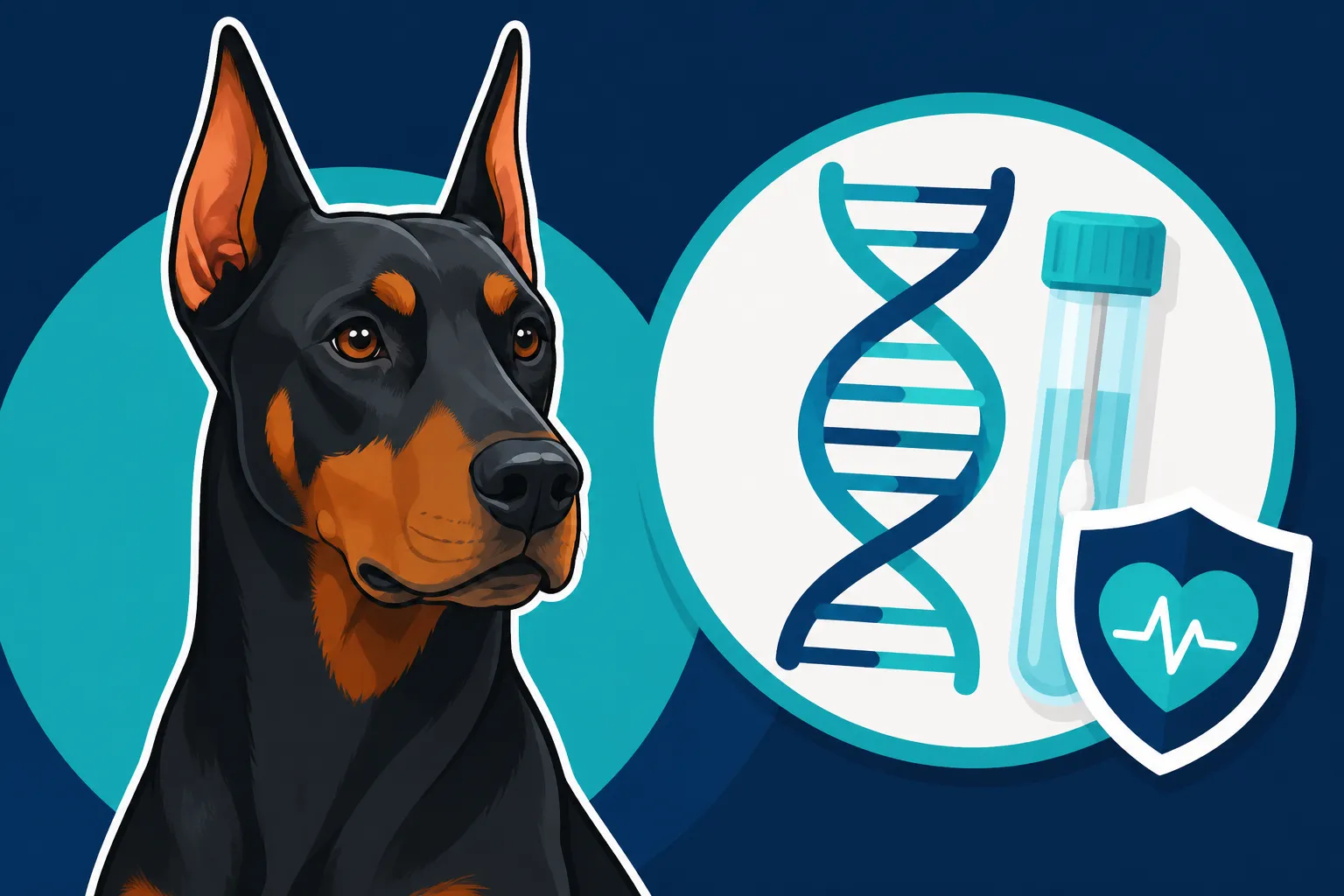
The DCM1 gene test identifies a specific mutation in the PDK4 gene, which has been linked to an increased risk of developing DCM in Dobermans. This mutation acts like a faulty instruction in the genetic code, impacting how the heart muscle cells develop and function. It's not the only cause of DCM in Dobermans, but it's one of the well-documented genetic factors. Think of it as finding a specific, known weak link in a chain. If that link is there, the chain is more likely to break, even if other factors also contribute to its ultimate failure.
Researchers have spent years working to uncover these genetic markers, driven by the devastating impact of DCM on Dobermans worldwide. This particular PDK4 mutation is one of two primary gene tests available for Dobermans, providing a clearer picture of their inherited risk. Many Doberman owners feel a sense of responsibility to understand these genetic factors, especially if they are considering breeding or simply want to provide the best possible care for their pet.
How the Test Is Performed: Simple Cheek Swab or Blood Sample
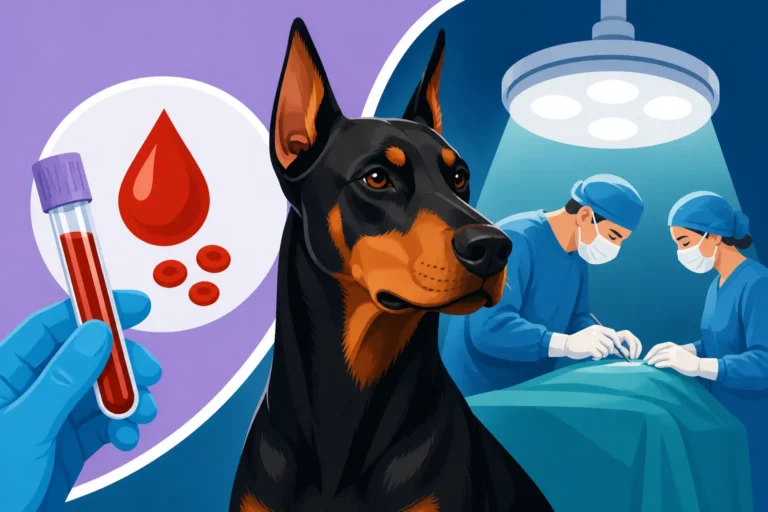
Getting your Doberman tested for DCM1 is remarkably straightforward, certainly less invasive than the echocardiograms and Holter monitors they’ll need later in life. Typically, it involves a simple cheek swab collected by you at home, or a quick blood draw at your veterinarian's office.
For a cheek swab, you'll receive a kit from a reputable veterinary genetics lab. The process usually involves rubbing a sterile swab firmly inside your dog's cheek for a minute or so to collect epithelial cells. It's painless and quick, making it easy to do even with a wiggly Doberman. The sample is then mailed back to the lab for analysis. If done at the vet, they will draw a small blood sample and send it off. The convenience of these methods means there's really no barrier to getting this important information. Many breeders will perform these tests on puppies before they go to their new homes, providing peace of mind from day one. Details about What Doberman DNA Panels Cost can help you prepare financially.
Interpreting the Results: Clear, Carrier, Affected
Once your sample is submitted, the lab will analyze the DNA and provide a report. The results typically fall into one of three categories:
- Clear (N/N or Homozygous Normal): This means your Doberman does not carry the specific DCM1 mutation. While this is fantastic news, it's crucial to understand that being "clear" for DCM1 does not mean your Doberman is immune to DCM. There are other genetic factors (like DCM2) and non-genetic factors that can still lead to the disease. It simply indicates they do not have this particular genetic predisposition.
- Carrier (N/P or Heterozygous): A carrier Doberman has inherited one copy of the DCM1 mutation and one normal copy. Carriers have an increased risk of developing DCM compared to clear dogs, though perhaps not as high as affected dogs. Importantly, carriers can pass the mutation on to their offspring. This makes carrier status a critical consideration for responsible breeding.
- Affected (P/P or Homozygous Affected): An affected Doberman has inherited two copies of the DCM1 mutation (one from each parent). Dogs in this category have a significantly higher risk of developing DCM, and often at an earlier age, compared to clear or carrier dogs.
It's vital to remember that these are genetic predispositions, not absolute diagnoses. A Doberman testing "affected" for DCM1 is at high risk, but it's not a guarantee they will develop the disease, nor does it predict the exact timeline or severity. Similarly, a "clear" Doberman can still develop DCM through other genetic pathways or environmental factors. This complexity highlights why The Two Doberman DCM Gene Tests are often recommended, and sometimes even a clear result doesn't prevent DCM later.
The Impact of a DCM1 Positive Result on Your Doberman
Receiving a positive DCM1 result – whether carrier or affected – can be incredibly daunting. It stirs up a mix of emotions: fear, worry, and a desperate desire to protect your dog. However, it’s also empowering, as it provides valuable information that can guide your choices moving forward.
Living with a DCM1 Positive Doberman: What It Means for Daily Life
If your Doberman tests positive for the DCM1 gene (carrier or affected), it doesn't mean their life is over, but it does mean a heightened awareness and a more proactive approach to their health. The most significant change will likely be a commitment to regular, comprehensive cardiac screening. This means starting annual appointments with a board-certified veterinary cardiologist for both echocardiograms (ultrasound of the heart) and 24-hour Holter monitoring (a portable ECG device your dog wears). These screenings are paramount for detecting the onset of DCM in its early, occult stages, even if your dog seems perfectly healthy.
Beyond screening, working closely with your vet and cardiologist will be key. They might discuss potential dietary adjustments or supplements, like taurine and carnitine, though scientific evidence for their efficacy in preventing DCM is mixed. Most importantly, avoid letting the diagnosis consume you. Your Doberman still needs a happy, active life. Just be mindful of exercise tolerance and any subtle changes in behavior that might signal a problem. Early detection through regular screening, often covered by pet insurance providers like Healthy Paws, allows for the possibility of starting medications like Pimobendan Before a Doberman Shows Signs, which can significantly extend their quality of life.
Breeding Considerations for DCM1 Positive Dogs: Ethical Responsibilities
For breeders, a DCM1 positive result carries immense ethical implications. Responsible breeding aims to improve the health and longevity of the breed, and knowingly perpetuating a gene linked to a fatal disease goes against that principle.
- Affected (P/P) Dobermans: Generally, Dobermans testing homozygous affected (P/P) for DCM1 should not be bred. The risk of passing on two copies of the gene, and therefore producing offspring with a very high predisposition to DCM, is too great.
- Carrier (N/P) Dobermans: This is where the decision can be more nuanced. Some responsible breeders might choose to breed a carrier Doberman, particularly if that dog possesses exceptional qualities that are otherwise beneficial to the breed (e.g., excellent temperament, conformation, working ability), and if suitable "clear" mates are scarce. However, if a carrier is bred, it must be to a Doberman that is completely clear (N/N) of the DCM1 mutation. This ensures that no offspring will be homozygous affected (P/P) for DCM1, though 50% of the puppies will still likely be carriers. All offspring must then be tested, and carriers identified. Transparency with puppy buyers about the genetic status of the parents and puppies is non-negotiable.
The ultimate goal is to reduce the prevalence of DCM in the Doberman gene pool while maintaining genetic diversity. This requires careful, informed decisions based on comprehensive health testing and ethical responsibility.
Proactive Management and Monitoring: What Steps Owners Can Take
Once you know your Doberman's DCM1 status, you can take concrete steps for proactive management. For any Doberman, regardless of genetic test results, annual cardiac screening is the gold standard. This involves an echocardiogram and a 24-hour Holter monitor. These tests give a real-time snapshot of heart function and rhythm, allowing your cardiologist to identify subtle changes long before symptoms appear. You can learn more about Annual Echo and Holter Screening for a Doberman to prepare.
If your Doberman tests positive for DCM1, your veterinarian and cardiologist will likely recommend starting these screenings earlier and potentially more frequently. They can also discuss medications that can help manage the disease even before clinical signs appear, potentially delaying the onset of heart failure. Maintaining a healthy weight, providing a high-quality diet, and ensuring appropriate exercise are always important, but even more so for a Doberman at higher risk. Having a pet insurance plan from a reputable provider, such as Healthy Paws, can be incredibly beneficial in covering the substantial costs of ongoing cardiac screening and potential medications, especially as your Doberman enters the DCM years.
DCM1 vs. DCM2 and Beyond: A Broader Genetic Picture
The world of Doberman DCM genetics is more complex than just one test. While DCM1 identifies a specific mutation, it's not the only piece of the puzzle. Understanding the interplay between different genetic markers is key to a more complete picture of your Doberman's risk.
The DCM2 Titin Variant: How It Differs from DCM1
Beyond the DCM1 (PDK4) mutation, a second significant genetic marker, known as the DCM2 or Titin variant, has been identified. This mutation affects the Titin gene, which plays a crucial role in the structure and function of muscle proteins, including those in the heart. While both DCM1 and DCM2 contribute to DCM risk, they are distinct genetic mutations. A Doberman can be positive for one, both, or neither.
The DCM2 variant is often associated with a later onset of DCM compared to DCM1, but it still significantly increases a dog's predisposition to the disease. The existence of multiple genetic variants highlights why comprehensive genetic testing, often bundled into a "DCM panel," is so important. Relying on just one test might give a false sense of security if your Doberman carries the other mutation. Learning about The DCM2 Titin Variant in Dobermans can further enhance your understanding.
When One Test Isn't Enough: The Complexity of Doberman DCM Genetics
The reality is that Doberman DCM is a polygenic disease, meaning it's influenced by multiple genes, not just one or two. This is why getting both the DCM1 and DCM2 tests is highly recommended for any Doberman owner, especially those involved in breeding. A Doberman might test clear for DCM1 but positive for DCM2, or vice versa, or even positive for both. Each combination carries a different level of risk.
Moreover, there are still other genetic factors at play that scientists haven't fully identified or developed tests for. This means that even a Doberman who tests clear for both known DCM1 and DCM2 mutations can still develop DCM. This can be incredibly frustrating for owners who do everything right, only to face the disease anyway. This is the perplexing reality behind A Doberman That Tests Clear and Still Gets DCM, underscoring the need for ongoing vigilance.
The Limitations of Genetic Testing: Why "Clear" Isn't a Guarantee
It's vital to manage expectations regarding genetic testing. While immensely valuable, a "clear" genetic test result for DCM1 (and even DCM2) is not a "get out of jail free" card. It simply means your Doberman does not carry these specific known genetic mutations linked to DCM. It doesn't guarantee they will never develop the disease.
Here's why:
- Other Genetic Factors: As mentioned, Doberman DCM is complex. There are likely other genes, and combinations of genes, that contribute to the disease that we haven't yet discovered tests for.
- Environmental Factors: While genetics play a huge role, environmental factors, diet, and overall health might also influence the expression and progression of DCM.
- Phenotypic Expression: Not every dog with a genetic predisposition will develop the disease, and not every dog without the known genes will escape it. Genes are a risk factor, not an absolute destiny.
Therefore, while genetic testing provides critical information for risk assessment and breeding decisions, it must always be paired with regular, physical cardiac screening.
| DCM1 Genetic Test Result | Meaning | Breeding Recommendation | Risk of Developing DCM (for the individual dog) |
|---|---|---|---|
| Clear (N/N) | No copies of the DCM1 mutation detected. | Can be bred to any dog (N/N, N/P). | Lower risk from this specific mutation, but not zero for DCM. |
| Carrier (N/P) | One copy of the DCM1 mutation detected. | Should only be bred to a Clear (N/N) dog. All offspring must be tested. | Increased risk compared to Clear, but typically lower than Affected. |
| Affected (P/P) | Two copies of the DCM1 mutation detected. | Should generally not be bred to avoid perpetuating high risk. | Significantly higher risk, often with earlier onset. |
Note: This table pertains specifically to the DCM1 gene. A complete picture requires considering DCM2 results as well.
Integrating Genetic Testing with Comprehensive Health Screening
The DCM1 gene test, while powerful, is just one piece of the puzzle in Doberman health. A truly proactive approach requires integrating genetic insights with regular, hands-on veterinary care and specialized cardiac screening.
The Role of Annual Echocardiograms and Holter Monitors: Gold Standard for Detection
For Dobermans, annual echocardiograms and 24-hour Holter monitoring are the absolute gold standard for detecting DCM in its occult phase. These tests look at the physical structure and electrical activity of the heart, providing direct evidence of whether the disease is starting to manifest.
- Echocardiogram: This is a non-invasive ultrasound of the heart. A veterinary cardiologist uses it to measure the size of the heart chambers, assess the thickness of the heart muscle, and evaluate how efficiently the heart is pumping blood. Changes in these measurements can indicate the early stages of DCM.
- Holter Monitor: This is a portable, wearable ECG device that records your Doberman's heart rhythm for 24 hours. Dobermans with early DCM often develop abnormal heartbeats (ventricular premature contractions, or VPCs) long before structural changes are visible on an echo. The Holter monitor can detect these subtle arrhythmias, which are a strong indicator of occult DCM.
These screenings should ideally begin by age two or three, and continue annually for life, especially for Dobermans at higher genetic risk. They are critical even for dogs that test genetically clear, because, as we discussed, genetic tests don't tell the whole story. Understanding How Many Dobermans Develop DCM underscores the urgency of these screenings.
Working with Your Veterinary Cardiologist: Building a Preventative Care Plan
Building a strong relationship with a board-certified veterinary cardiologist is perhaps the most important step any Doberman owner can take. These specialists have the expertise and equipment to properly screen for and manage DCM. They can interpret complex test results, recommend the appropriate frequency of screening based on your Doberman's individual risk factors (including their DCM1 status), and guide you on when to consider starting medications.
Your regular veterinarian is invaluable for general care, but for Doberman heart health, a cardiologist brings a level of specialized knowledge that is unmatched. Don’t hesitate to ask for a referral. They will become a partner in extending your Doberman’s life and maintaining their quality of life for as long as possible. Their guidance is essential, especially when considering complex decisions about treatment, such as discussed in Medication for a Doberman in the Occult Phase.
Financial Planning for Doberman Health: The Costs Involved and Insurance Options
Let’s be realistic: managing Doberman health, especially with the prevalence of DCM, can be costly. Annual cardiac screenings (echos and Holters) are not inexpensive. If your Doberman is diagnosed with DCM, the cost of medications, follow-up appointments, and potential emergency care can quickly add up to thousands of dollars annually. Many owners feel overwhelmed by these expenses, on top of the already significant A Doberman's Whole-Life Total cost of ownership.
This is where pet insurance becomes a critical consideration. Enrolling your Doberman in a comprehensive pet insurance plan before any signs of heart disease are detected is paramount. Once DCM is diagnosed, it often becomes a pre-existing condition, and future claims related to it may not be covered. Providers like Healthy Paws offer robust plans that can help alleviate the financial burden of unexpected illnesses and ongoing treatments. Researching different plans and understanding what they cover (and, crucially, what they exclude) is a wise investment of your time. Don't wait until you're faced with a diagnosis to think about insurance; proactive enrollment can save you immense stress and allow you to make treatment decisions based on what’s best for your Doberman, not just your wallet. Understanding Insuring a Doberman Before the Heart Turns is a must for new owners.
Disclaimer
Please note: The information provided in this guide is intended for educational purposes only and should not be considered a substitute for professional veterinary advice. Always consult with a qualified veterinarian or a board-certified veterinary cardiologist regarding your Doberman's specific health concerns, diagnosis, and treatment plan. Genetic test results are one tool among many in assessing your Doberman's overall health and risk factors.