The Blood Test That Flags a Doberman Heart
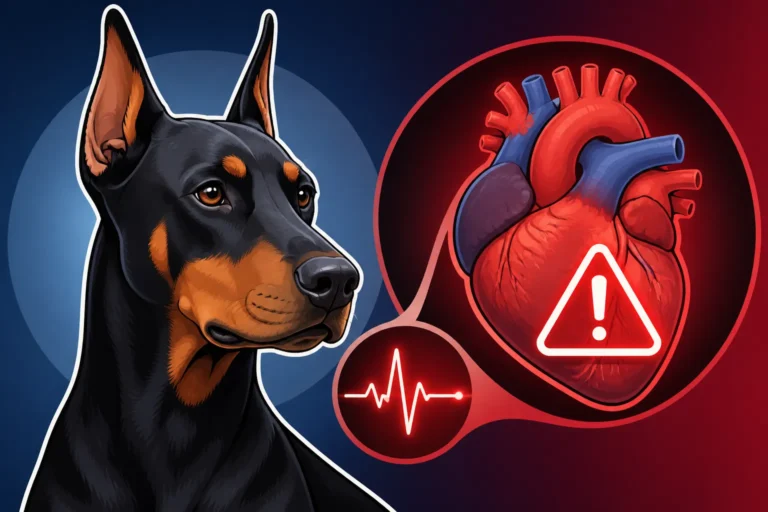
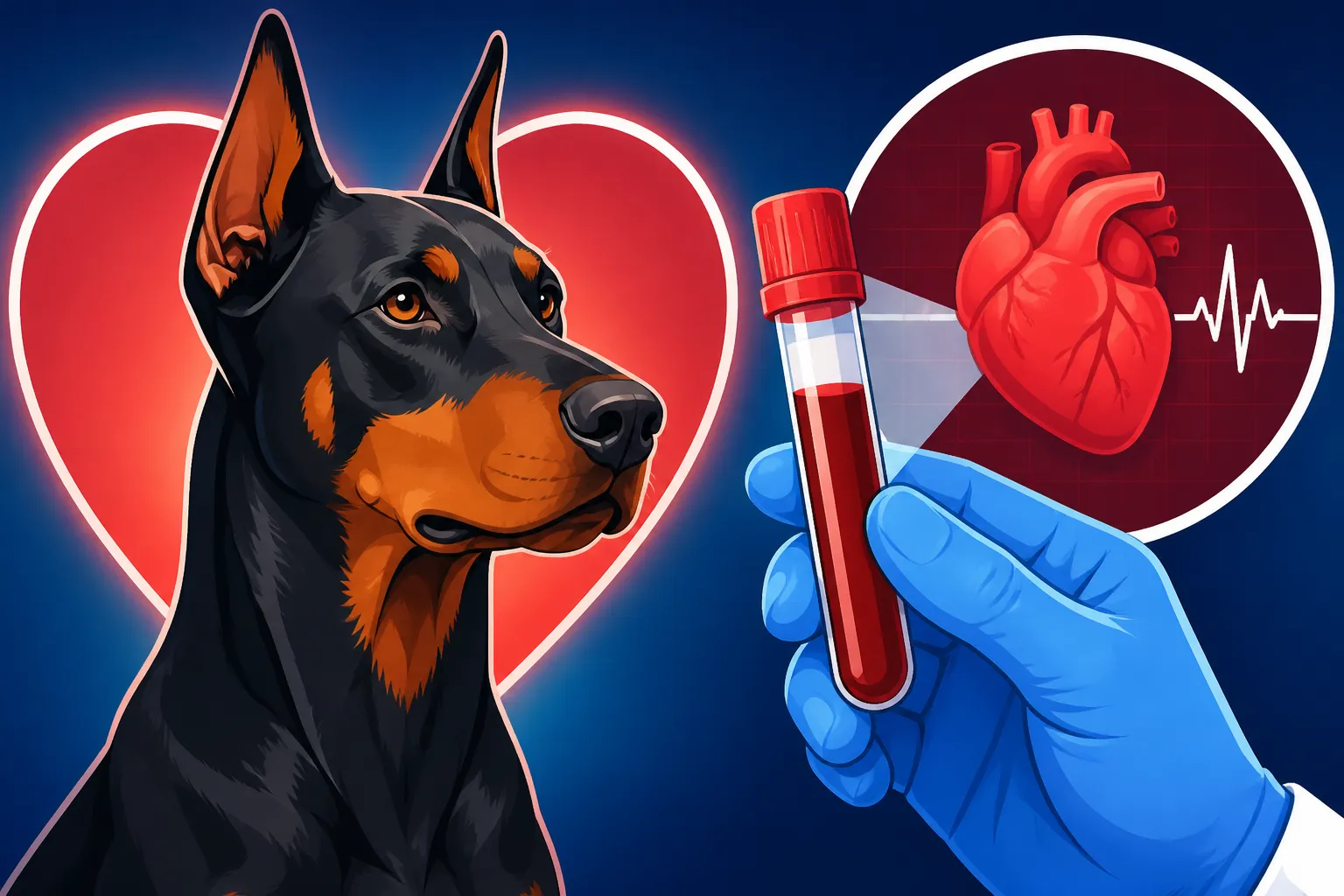
The terrifying reality for Doberman owners is the constant shadow of heart disease, specifically Dilated Cardiomyopathy (DCM). It's a silent predator, often progressing for years without any outward signs, leaving us to wonder if we're doing enough to protect our beloved companions. This guide aims to shed light on a vital tool in our arsenal: a specific blood test that can flag potential heart issues in your Doberman long before symptoms appear, giving you crucial time to act.
Understanding NT-proBNP in Dobermans: An Early Warning System
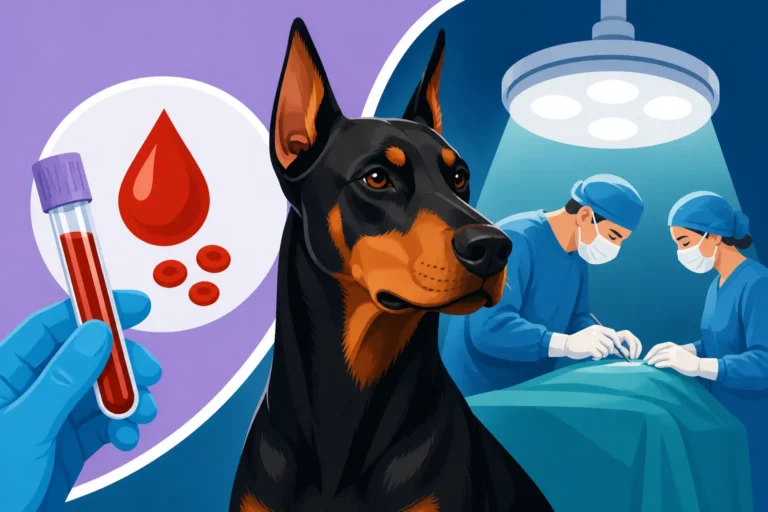
When you live with a Doberman, the word "heart" carries a heavy weight. We all know the statistics, the heartbreaking stories, and the constant underlying anxiety. That's why any test that can give us an early peek into our Doberman's cardiac health is invaluable. The NT-proBNP blood test is one such tool, and understanding what it is and what it measures can be a game-changer for proactive Doberman care. It’s not a diagnostic test in itself, but rather a screening tool that can indicate if further investigation is warranted.
What is NT-proBNP and Why Does It Matter for Dobermans?
NT-proBNP stands for N-terminal pro-B-type natriuretic peptide. Now, don't let the complicated name scare you off! In simpler terms, this is a hormone precursor that the heart releases when it's under stress or when the heart muscle walls are stretching more than they should. Think of it like this: your heart, when it's working harder or starting to remodel due to an underlying issue, sends out these tiny messengers into the bloodstream. The more stress or stretching, the more messengers it sends.
For Dobermans, who are notoriously predisposed to The Heart Disease That Reaches Most Dobermans, a condition where the heart muscle thins and chambers enlarge, these messengers become particularly important. The heart starts to work harder to pump blood, and the walls begin to stretch, releasing more NT-proBNP. This test offers a non-invasive way to detect this cardiac stress. While an echocardiogram (an ultrasound of the heart) provides a direct visual of the heart's structure and function, and a Holter monitor captures electrical activity, the NT-proBNP test gives us a biochemical marker. It's a snapshot of what the heart has been "saying" chemically, without the need for sedation or extensive specialist equipment right away. This makes it a really accessible first-line screening option for many owners who are understandably anxious about their dog's heart health.
How This Blood Test Flags Potential Heart Issues
The beauty of the NT-proBNP test lies in its ability to flag early changes. When a Doberman's heart begins to undergo the subtle remodeling associated with early DCM, even before any noticeable enlargement or arrhythmias appear, the stress on the heart muscle increases. This increased stress leads to higher levels of NT-proBNP circulating in the bloodstream. A rise in these levels, even if still within a broad "normal" range for the general dog population, can be a red flag for a Doberman.
It’s crucial to understand that this test isn't telling you what is wrong, but rather that something might be wrong. Imagine your Doberman, seemingly healthy and full of energy, but internally, its heart is starting to struggle. A routine NT-proBNP test could show an elevated level, signaling to your vet that, hey, maybe we need to dig a little deeper here. This is especially vital given Why a Doberman Heart Fails Before Anyone Notices, as the occult (hidden) phase of DCM can last for years. The goal is to catch these changes early, potentially allowing for interventions that could prolong a good quality of life. An elevated NT-proBNP doesn't mean your Doberman has DCM, but it strongly suggests that the heart is experiencing strain and requires further investigation with more definitive diagnostics like an echocardiogram and a Holter monitor.
Interpreting Your Doberman's NT-proBNP Results
Getting blood test results back for your Doberman can be nerve-wracking, especially when it concerns their heart. With NT-proBNP, understanding what the numbers truly mean for your specific Doberman, rather than just comparing them to a generic reference range, is absolutely key. It's not always a simple pass or fail, and context matters immensely.
What the Numbers Mean: High, Low, and Borderline
When your vet receives the NT-proBNP results, they will typically come with a reference range, often broken down into "normal," "gray zone," and "elevated" categories.
- Normal Range: If your Doberman's NT-proBNP level falls squarely within the normal range, it’s a wonderful sigh of relief. It suggests that, at the time of the test, their heart is not showing signs of significant stress or stretching. This is often good news, but it's important to remember that it's just one piece of the puzzle and does not negate the need for other screening methods over time, especially considering The Age Doberman Heart Disease Usually Starts. A normal result offers reassurance, but it's not a lifelong guarantee, and regular screening should still be part of your Doberman's health plan.
- Elevated Levels: A result significantly above the normal range is a serious indicator that your Doberman's heart is under considerable stress. This warrants immediate follow-up with a veterinary cardiologist. It suggests that there's cardiac remodeling or dysfunction happening, and it's time for more advanced diagnostics, such as an echocardiogram to visualize the heart's structure and function, and a 24-hour Holter monitor to assess for arrhythmias.
- Borderline or Gray Zone: This is where it gets a little trickier, and frankly, often the most frustrating for owners. A result in the "gray zone" or slightly above the normal threshold might not be definitively high, but it’s certainly not a clear "all-clear" for a Doberman, a breed so prone to heart issues. In these cases, your vet might recommend repeating the test in a few months, or, more proactively, suggest moving straight to a full cardiac workup with a specialist. It’s better to be safe than sorry when it comes to the Doberman heart. Some cardiologists might even consider a "high normal" for a Doberman to be more significant than it would be for other breeds.
It’s important to discuss the specific lab’s reference ranges and your Doberman’s individual circumstances with your vet. A rising trend in subsequent tests, even if still within a broad "normal," could also be a cause for concern.
Factors That Can Influence NT-proBNP Levels Beyond DCM
While we primarily associate elevated NT-proBNP with heart disease like DCM in Dobermans, it's not the only thing that can cause these levels to rise. This is a crucial point to understand to avoid unnecessary panic or misinterpretation of results.
- Other Cardiac Conditions: While DCM is the big one for Dobermans, other heart conditions can also elevate NT-proBNP. For example, severe valvular disease, although less common in Dobermans than DCM, could also lead to increased heart stress and therefore higher NT-proBNP.
- Systemic Illnesses: Conditions outside the heart can also impact NT-proBNP. Severe kidney disease, hyperthyroidism, or even severe anemia can put a strain on the cardiovascular system, leading to elevated levels. If your Doberman has other health issues, your vet will consider these when interpreting the blood test.
- Stress and Exercise: Surprisingly, even non-pathological factors like extreme stress during a vet visit or intense exercise before blood draws can transiently elevate NT-proBNP levels. This is why some vets prefer to collect samples when the dog is calm and rested. It’s always good practice to ensure your Doberman isn’t overly anxious or hasn’t just been on a strenuous walk before their blood draw.
- False Positives/Negatives: No test is 100% perfect. A Doberman with very early, subtle heart changes might still have a "normal" NT-proBNP, leading to a false negative. Conversely, a Doberman with another illness or high stress could have an elevated NT-proBNP without primary heart disease, a false positive. This is why the test is best used as a screening tool to guide further investigation, rather than a standalone diagnostic. It doesn't replace the critical need for regular Annual Echo and Holter Screening for a Doberman, especially once your Doberman reaches The Doberman Years When Everything Shows Up.
Understanding these nuances helps you and your vet make the most informed decisions about your Doberman's cardiac health, ensuring that any further testing is truly warranted and targeted.
Integrating NT-proBNP into a Comprehensive Doberman Heart Screening Protocol
For Doberman owners, comprehensive heart screening isn't a luxury; it's a necessity. The NT-proBNP test is a fantastic piece of the puzzle, but it’s crucial to understand where it fits within the larger picture of monitoring this breed's heart health. It works best when combined with other diagnostic tools, creating a robust early detection strategy.
Combining NT-proBNP with Echo and Holter Monitoring
Think of Doberman heart screening as a multi-pronged approach, and the NT-proBNP test is an excellent first filter. It's a non-invasive, relatively quick, and often more affordable blood test compared to specialist cardiac procedures. This makes it a great option for annual screening, especially in the years leading up to when Dobermans typically start showing signs of DCM. If the NT-proBNP level is consistently normal, it offers some reassurance and might allow you to space out more expensive specialist screenings like echocardiograms. However, if the NT-proBNP comes back elevated or in that ambiguous "gray zone," it becomes a strong indicator that it's time to seek out a board-certified veterinary cardiologist for a full workup.
This workup usually includes an echocardiogram, which is an ultrasound that lets the cardiologist visualize the heart's structure, measure chamber sizes, assess muscle thickness, and evaluate blood flow. This test provides a definitive diagnosis of structural heart disease like DCM. Alongside this, a 24-hour Holter monitor is often recommended. This is a portable ECG device that your Doberman wears at home for a full day, capturing every heartbeat. This is critical for detecting arrhythmias (irregular heartbeats), which are a hallmark of Doberman DCM, often appearing long before any structural changes are visible on an echo. For instance, knowing How Many Abnormal Beats Worry a Doberman Cardiologist from a Holter result is vital for early intervention. The NT-proBNP test doesn't replace these diagnostics; it complements them beautifully by indicating when to pursue them most effectively, especially during The Silent Years Before a Doberman's Heart Shows.
The Role of NT-proBNP in Monitoring Progression and Treatment Efficacy
Beyond initial screening, the NT-proBNP test also plays a valuable role in ongoing management. If your Doberman has received a DCM diagnosis, or if they are in the occult phase (pre-clinical, no symptoms yet), serial NT-proBNP tests can be used to track the progression of the disease. A significant increase in levels over time could signal that the disease is advancing, prompting your vet to re-evaluate treatment protocols or consider starting new medications. For example, drugs like Pimobendan Before a Doberman Shows Signs might be introduced to help support heart function, and subsequent NT-proBNP tests could help monitor their effectiveness.
This ability to track changes biochemically offers a convenient way to monitor your Doberman's heart health without the stress and expense of frequent specialist visits. While annual echoes and Holters remain the gold standard, quarterly or bi-annual NT-proBNP tests can give you valuable insights into how your Doberman's heart is coping between those more comprehensive check-ups. It's a less invasive way to keep a watchful eye, allowing for quicker adjustments to care if needed, and helping you and your vet manage the disease proactively to maximize your Doberman's comfort and lifespan, even as you grapple with the serious question of How Long a Doberman Lives After a DCM Diagnosis.
The Financial and Emotional Impact of Early Heart Detection
Caring for a Doberman means facing the very real possibility of significant health challenges, with heart disease being top of mind for many of us. The financial and emotional toll can be immense, but early detection tools like the NT-proBNP test can actually help soften the blow on both fronts. Being prepared, both mentally and practically, is one of the best gifts you can give your Doberman.
Budgeting for Regular Cardiac Screening
Let's be honest, Doberman ownership isn't for the faint of wallet. The cost of veterinary care, especially specialized cardiac screening, can quickly add up. A single NT-proBNP test is generally more affordable than an echocardiogram, which often costs several hundred dollars, or a 24-hour Holter monitor and its interpretation, which can be similar. This relative affordability means that incorporating the NT-proBNP test into your Doberman’s annual wellness bloodwork is a feasible initial screening step for many. Instead of perhaps skipping crucial screening because The Yearly Heart Bill for a Doberman feels overwhelming, this test provides a valuable first line of defense.
This staggered approach can help you manage costs without sacrificing proactive care. If the NT-proBNP comes back high, then you know the investment in the more expensive echo and Holter is likely warranted. This strategic approach to screening is something responsible Doberman owners factor into their budget from the start. Pet insurance providers, such as Healthy Paws, recognize the critical need for proactive Doberman health management. Many plans can help significantly offset the costs of diagnostic tests, specialist consultations, and ongoing medications once a condition is diagnosed. It's really worth looking into getting a robust policy while your Doberman is young and healthy, before any pre-existing conditions are identified, so that you're well-covered when the inevitable health challenges arise. Don't fall into the trap of thinking Whether One Clear Echo Is Enough for a Doberman; ongoing screening is key.
The Peace of Mind and Preparation Early Detection Offers
Beyond the financial aspects, the emotional impact of a Doberman heart disease diagnosis is profound. The thought of losing our vibrant, loving companions too soon is devastating. This is where early detection, facilitated by tests like NT-proBNP, offers invaluable peace of mind. Catching potential issues in their earliest stages, sometimes years before symptoms like coughing or fainting might appear, allows you to be proactive. You can consult with a cardiologist, learn about management strategies, and potentially start medications that can slow the disease's progression. This extended runway gives you more quality time with your Doberman.
Knowing what you might be facing allows you to mentally prepare, educate yourself about DCM, and make informed decisions about your Doberman's lifestyle and care. It shifts you from a reactive, crisis-management stance to a proactive, informed one. This empowers you to advocate for your dog's health effectively, working closely with your veterinary team to ensure they receive the best possible care. While no test can eliminate the heartbreak entirely, early detection helps you navigate the journey with more control, confidence, and most importantly, provides the best chance for your Doberman to live a longer, happier life.
Here's a quick comparison of the common Doberman heart screening tools:
| Test | What it Measures | Invasiveness & Stress | Cost (Approx. USD) | Primary Benefit for Dobermans | Limitations |
|---|---|---|---|---|---|
| NT-proBNP Blood Test | Levels of a hormone indicating cardiac stress/stretch | Low (blood draw) | $100-$200 | Early flag for cardiac strain, good for routine screening, relatively affordable | Not diagnostic, can be influenced by non-cardiac issues |
| Echocardiogram | Detailed heart structure, function, and blood flow | Low (non-invasive ultrasound) | $400-$800+ | Gold standard for diagnosing structural DCM, assesses heart chamber size, function | Requires skilled cardiologist, may miss early arrhythmias, higher cost |
| 24-Hour Holter Monitor | Electrical activity of the heart over a full day | Low (wearable device) | $300-$600+ | Gold standard for detecting arrhythmias (irregular heartbeats), crucial for occult DCM | Doesn't assess structural changes, interpretation requires cardiologist |
This table clearly illustrates how the NT-proBNP test fits into a layered screening approach. It's a fantastic, initial step to help guide whether those more intensive (and expensive) diagnostics are immediately necessary, especially in the early stages of a Doberman's life when The Silent Years Before a Doberman's Heart Shows are often at play. Many Doberman owners find value in this layered approach, allowing them to balance comprehensive care with practical considerations. Organizations like Healthy Paws are there to support these comprehensive care plans, helping families afford the best possible outcomes for their beloved Dobermans.
Disclaimer
This article is intended for informational purposes only and does not constitute veterinary medical advice. Always consult with a qualified veterinarian or veterinary cardiologist for any health concerns or before making any decisions about your Doberman's medical care.