Spaying a Doberman That Carries the Bleeding Gene
The decision to spay your beloved Doberman is a significant one, often accompanied by a mix of anticipation and anxiety. This worry only intensifies when you know your Doberman carries the Von Willebrand bleeding gene. The fear of excessive bleeding during or after surgery is a very real, valid concern that many Doberman owners face. This comprehensive guide is here to walk you through understanding the specific risks, navigating essential precautions, and empowering you with the knowledge to ensure your Doberman's spay procedure is as safe and stress-free as possible.
Navigating the Risks of Von Willebrand Disease in Dobermans
Von Willebrand Disease (vWD) is the most common inherited bleeding disorder in dogs, and unfortunately, Dobermans are disproportionately affected. It’s not just a minor inconvenience; it’s a condition that can turn a routine surgery into a life-threatening event if not properly managed. Understanding this disease and its implications is the first crucial step in protecting your Doberman.
Understanding Von Willebrand Disease Type 1
Von Willebrand Disease is caused by a deficiency in Von Willebrand factor (vWF), a protein crucial for normal blood clotting. In Dobermans, the most prevalent form is Type 1 vWD, which is characterized by a quantitative deficiency – meaning there's not enough of the factor, though what is present functions normally. A staggering number of Dobermans, potentially around 70%, are either carriers or affected by this gene. This isn't a rare anomaly; it's deeply ingrained in the breed's genetic makeup, a fact that can be truly disheartening for owners.
Many Dobermans who carry the gene, or even those classified as affected, may live their entire lives without ever showing outward signs of a bleeding problem. They might have a cut that takes a little longer to stop bleeding, or bruise more easily than another dog, but nothing alarming enough to flag a serious issue. The real danger often lurks silently until a significant event, like surgery or a major trauma, brings the clotting deficiency to the forefront. This hidden aspect is precisely why it causes so much worry—you might not know it’s an issue until it's too late. To learn more about this, you can read about The Bleeding Disorder Almost Every Doberman Line Carries.
Why Spaying Poses a Particular Challenge
For a Doberman with vWD, a routine spay, or ovariohysterectomy, transforms from a common procedure into one requiring meticulous planning and heightened vigilance. This isn't like a small skin incision where bleeding can be easily seen and controlled externally. A spay is an abdominal surgery that involves clamping, cutting, and ligating major blood vessels deep within the body.
The internal nature of the surgery means that any excessive bleeding might not be immediately obvious. A small trickle from a ligated vessel, which would be minor for a dog with normal clotting, can accumulate internally, leading to hematomas, organ compression, and even life-threatening hemorrhagic shock for a vWD Doberman. The thought of your dog bleeding internally without you knowing is terrifying, and it's a frustration shared by many Doberman owners. It highlights why proactive measures are not just recommended, but absolutely essential.
Essential Pre-Surgical Screening and Preparation
Given the silent nature of vWD, thorough pre-surgical screening and preparation are non-negotiable. This stage is where you, in close collaboration with your veterinary team, lay the groundwork for a safe outcome. It’s about taking control of what you can control to mitigate the inherent risks.
The Importance of Genetic and Functional Testing
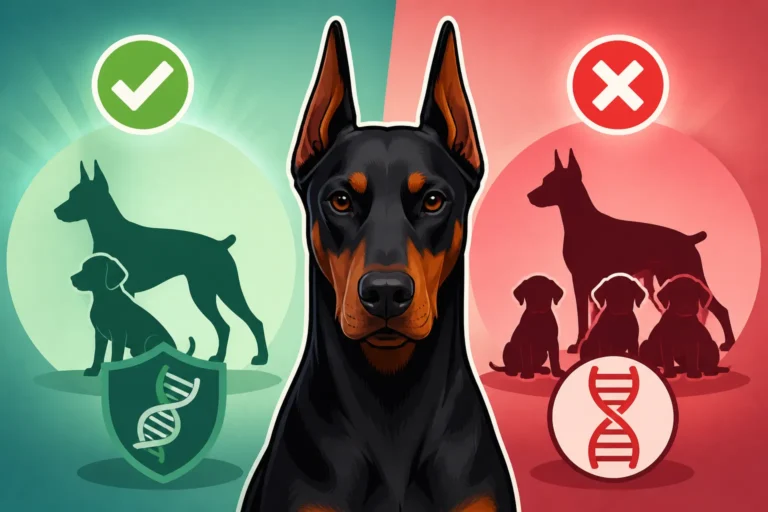
Before your Doberman goes under the knife, it's paramount to know her vWD status. The gold standard for this is The Von Willebrand DNA Test for Dobermans. This simple genetic test, usually done via a cheek swab or blood sample, can definitively tell you if your dog is "clear" (does not carry the gene), a "carrier" (carries one copy, usually doesn't show symptoms but can pass it on), or "affected" (carries two copies, more likely to show bleeding issues). Even if your Doberman is just a carrier, precautions are still warranted, as their vWF levels can still be lower than ideal.
Beyond genetic testing, your vet might recommend functional tests to assess your Doberman's current clotting ability. These can include a buccal mucosal bleeding time (BMBT), which measures how long it takes for a standardized small cut inside the lip to stop bleeding, or a von Willebrand factor antigen (vWF:Ag) test, which directly measures the amount of vWF in the blood. While a DNA test tells you genetic predisposition, the functional tests give a snapshot of current clotting factor levels, which can sometimes fluctuate.
Making sure your Doberman is Testing a Doberman for Von Willebrand Before Surgery is not merely a suggestion; it's a critical safety measure that could literally save her life. Knowing these results, and understanding what Clear, Carrier and Affected Doberman Results mean for your dog, allows your vet to tailor a preventative strategy. You’ll find that How Many Dobermans Carry the Bleeding Gene makes these tests incredibly important for the breed.
Communicating with Your Veterinary Team
Once you have your Doberman’s vWD status, open and detailed communication with your veterinary team is crucial. Don't just assume they know the specific risks associated with Dobermans and vWD; bring it to their attention directly. Ideally, seek out a veterinary clinic that has experience with Dobermans and managing bleeding disorders. If your regular vet isn’t familiar, don’t hesitate to ask for a referral to a specialty surgeon or an internal medicine specialist who can provide expert guidance.
When discussing the procedure, ask very specific questions:
- What specific protocols do they have in place for vWD patients during surgery?
- Do they have fresh frozen plasma (FFP) or cryoprecipitate readily available, or can they quickly obtain it? These blood products are vital for replacing the deficient clotting factors.
- What is their plan for monitoring blood loss during and after surgery?
- What are their contingency plans if excessive bleeding occurs?
This transparency is not about challenging their expertise but ensuring everyone is on the same page and fully prepared. It's also a good time to discuss potential costs. Specialized tests, pre-operative treatments, and potential transfusions can significantly increase the bill. While pet insurance like Healthy Paws can be a tremendous help for unforeseen emergencies, remember that vWD would likely be considered a pre-existing condition if your policy isn't in place well before diagnosis or if you didn't enroll your Doberman when she was a puppy. Always check your policy details.
Pre-Surgical Medical Management
For Dobermans confirmed to be carriers or affected by vWD, certain medical interventions can be implemented prior to surgery to reduce bleeding risks. One common approach is the administration of desmopressin acetate (DDAVP). This synthetic hormone can temporarily stimulate the release of stored vWF from endothelial cells, effectively boosting clotting factor levels for a few hours. It’s typically given shortly before surgery, but its effectiveness can vary between individual dogs and its effects are transient.
For Dobermans with more severe vWF deficiencies, or if DDAVP is deemed insufficient, a transfusion of fresh frozen plasma (FFP) or cryoprecipitate (a concentrated form of clotting factors derived from plasma) might be administered pre-emptively. This provides the missing Von Willebrand factor directly into the bloodstream. This step is a serious one, reserved for when the risks are high, and again, emphasizes the critical need for an experienced veterinary team.
Crucially, you must also be aware of Drugs a Doberman With Von Willebrand Should Avoid both before and after surgery. Certain medications, particularly non-steroidal anti-inflammatory drugs (NSAIDs) like carprofen or meloxicam, can interfere with platelet function and exacerbate bleeding. Your vet will provide a strict list of medications to avoid leading up to the procedure and during the recovery period.
Ensuring a Safe Spay Procedure and Recovery
The actual surgical day and the subsequent recovery period require continued diligence. Knowing what to expect and what to look for will empower you to provide the best possible care for your Doberman.
Surgical Protocols and During-Surgery Care
During the spay procedure, a Doberman with vWD will require an even higher level of surgical precision and vigilance than a dog with normal clotting. The surgical team will employ meticulous hemostasis techniques, carefully clamping and ligating blood vessels to prevent any unnecessary blood loss. Tissue handling will be as gentle as possible to minimize trauma.
The availability of blood products like fresh frozen plasma (FFP) or cryoprecipitate is critical. These may be administered during the surgery if excessive bleeding is observed or as a continued preventative measure. The ability to give Transfusions for a Doberman With a Clotting Disorder on demand is a cornerstone of safe surgery for these dogs. Anesthesia will also be carefully managed, and the surgical team will monitor your Doberman’s vital signs and estimated blood loss even more closely. This specialized approach underlines why Surgery on a Doberman With a Clotting Problem requires such careful consideration.
| Aspect | Doberman with Confirmed vWD (Carrier or Affected) | Doberman without vWD / Unknown Status |
|---|---|---|
| Pre-Surgical Testing | Mandatory vWD DNA test; possibly vWF:Ag/BMBT | General pre-anesthetic blood panel (CBC, chemistry) |
| Vet Communication | Extensive discussion on vWD protocols, blood product availability | Routine pre-op consultation |
| Medication Review | Strict avoidance of anti-platelet drugs (e.g., NSAIDs) | Standard medication review |
| Pre-Op Treatments | Desmopressin (DDAVP) or fresh frozen plasma (FFP) considered/given | Typically none specific to clotting |
| Cost Implications | Potentially higher due to specialized tests, treatments, longer monitoring. Pet insurance like Healthy Paws is highly recommended from an early age. | Standard spay costs |
| Post-Op Monitoring | Enhanced vigilance for bruising, bleeding, internal hemorrhage | Standard wound check, activity restriction |
Post-Operative Monitoring and Management
Once your Doberman is home, your role in vigilant post-operative monitoring is paramount. The risk of excessive bleeding doesn't end when she leaves the clinic; it continues for several days as her body heals. You’ll need to watch for several key indicators:
- Excessive Bruising or Swelling: While some bruising around the incision is normal, excessive discoloration, or a rapidly expanding, firm swelling, could indicate a hematoma or internal bleeding. Keep an eye out for Bruising and Bleeding in a Doberman that seems out of the ordinary.
- Persistent Bleeding: Any active bleeding from the incision site, or blood soaking through bandages, should be reported to your vet immediately.
- Lethargy and Pale Gums: These can be signs of significant blood loss. If your Doberman is unusually tired, weak, or her gums appear pale instead of a healthy pink, seek emergency veterinary care.
- Pain and Discomfort: While pain medication will be prescribed, a Doberman in severe pain might be indicating an underlying complication.
Strict activity restriction is essential. No running, jumping, or rough play for the duration your vet advises, usually 10-14 days. This helps prevent stitches from tearing and minimizes internal trauma that could trigger bleeding. For minor issues, Managing a Doberman Bleed at Home might be possible under vet guidance, but severe cases require immediate professional help. The peace of mind that pet insurance like Healthy Paws can offer in these moments, covering emergency vet fees for unexpected complications, truly cannot be overstated.
Long-Term Considerations and Quality of Life
The good news is that with careful management during critical periods like surgery, a Doberman that carries or is affected by vWD can absolutely live a normal, happy, and fulfilling life. Knowing their status simply means you and your vet are better prepared for any future situations that might involve bleeding, such as other surgeries or traumatic injuries. Whether an Affected Doberman Lives Normally is often a question of proactive management and awareness.
This newfound awareness means you'll always need to inform any new vet or emergency clinic about your Doberman's vWD status. It's a critical piece of medical history. You'll also need to remember the list of medications that interfere with clotting, avoiding them unless specifically advised by a vet who is fully aware of your dog's condition.
While the journey of spaying a Doberman with the bleeding gene might add an extra layer of complexity and worry, being informed and prepared is your strongest defense. With a knowledgeable veterinary team and your dedicated care, your Doberman can sail through her spay safely and continue to bring immense joy to your life.
Disclaimer
This article is intended for informational purposes only and does not constitute veterinary advice. Always consult with a qualified veterinarian for any health concerns or before making any decisions about your Doberman's care, particularly concerning medical conditions like Von Willebrand Disease and surgical procedures.