How Long a Tested Doberman Litter Is Booked Out
You've made the decision to bring a Doberman into your life, and after countless hours of research, you've realized that finding a truly reputable breeder with health-tested lines is paramount. But now you're faced with another challenge: these coveted litters often come with a significant wait. It's frustrating to be ready for your new companion only to discover you might be waiting months, or even a year or more, before a puppy is available. This guide will walk you through why these sought-after Doberman litters are booked out so far in advance, what factors influence those wait times, and how you can navigate the process with realistic expectations.
Why Health-Tested Doberman Litters Are Always in High Demand
It's no secret that the Doberman breed is susceptible to a number of serious health conditions. This unfortunate reality means that responsible breeding isn't just about pretty faces or show titles; it's fundamentally about trying to produce the healthiest puppies possible. When you come across a breeder who is diligent with health testing, you're looking at someone who is investing significant time, effort, and money into their program, and that dedication naturally translates into high demand.
The Non-Negotiable Value of Comprehensive Health Screening
For any prospective Doberman owner, the phrase "health-tested" should immediately grab your attention. This isn't just a buzzword; it's a critical commitment from a breeder to mitigate the genetic risks prevalent in the breed. Dobermans are prone to conditions like The Heart Disease That Reaches Most Dobermans, Dilated Cardiomyopathy (DCM), which is a leading cause of death in the breed. They can also carry genetic predispositions for The Bleeding Disorder Almost Every Doberman Line Carries, known as Von Willebrand's Disease (vWD), or suffer from debilitating neurological issues like Wobbler Syndrome in the Doberman. A responsible breeder will meticulously screen their breeding stock for these and other conditions, providing clear documentation of their results.
This screening process involves annual cardiac evaluations (Echocardiograms and Holter monitoring), DNA tests for vWD and known DCM genes, thyroid panels, and sometimes even cervical X-rays for Wobbler's. These tests aren't cheap, and the results dictate whether a dog is suitable for breeding. Breeders who regularly put their dogs through The Health Testing a Doberman Breeder Must Show are demonstrating a profound commitment to the future health of the breed and, by extension, the well-being of the puppies they produce. This meticulous approach gives prospective owners peace of mind, knowing they are investing in a puppy with the best possible start, and it's precisely why these litters are so highly sought after and booked well in advance. Everyone wants the best chance at a long, healthy life with their Doberman, and a health-tested lineage offers that hope.
Quality Over Quantity: Why Reputable Breeders Have Fewer Litters
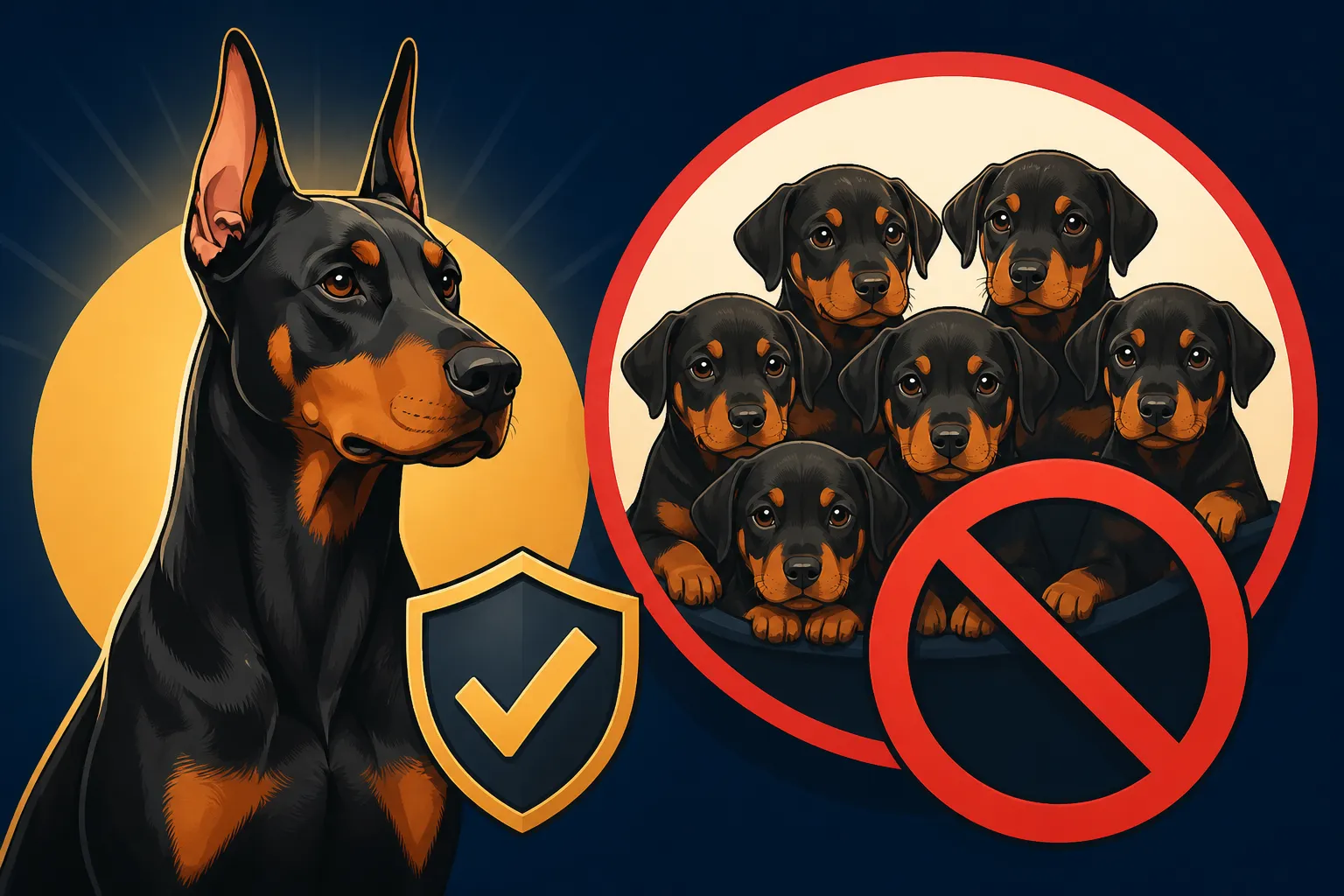
Unlike commercial breeders or "backyard breeders" who may churn out multiple litters a year, truly reputable Doberman breeders operate on a much smaller scale. Their primary motivation isn't profit, but the preservation and improvement of the breed. This means they are selective about when and to whom they breed their dogs. Often, they only breed when they intend to keep a puppy themselves for future showing, working, or breeding programs.
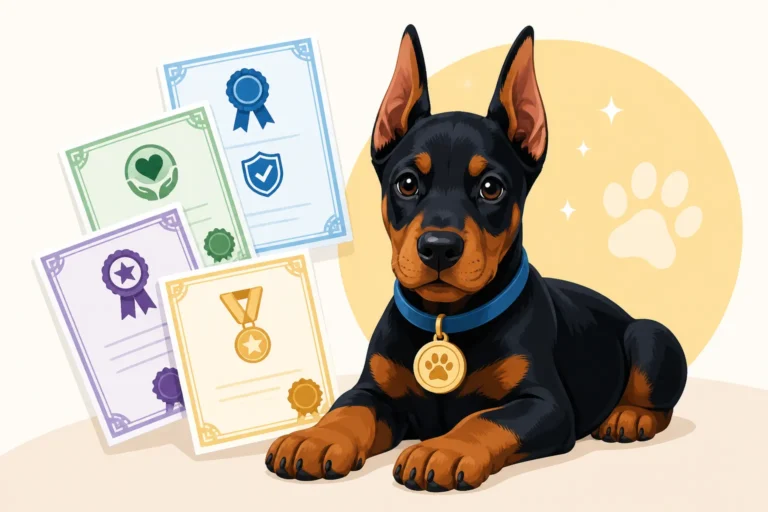
A breeder might only have one or two litters every year, or even every couple of years. This limited supply, coupled with the high demand for healthy, well-tempered puppies, creates the extended waiting lists we often see. They also dedicate immense time and resources to each litter, from careful planning and genetic research to meticulous puppy raising and socialization. This level of personalized care and attention ensures that each puppy gets the best possible foundation. When you’re looking at a breeder, don't be afraid to ask about their breeding philosophy and how often they have litters. You’ll find that the best ones prioritize quality over quantity every single time. It's not uncommon for a responsible breeder to have a waitlist that extends beyond the current litter, with people waiting for a future pairing because they trust the breeder's commitment to excellence and can attest to the positive experiences of others who have previously acquired puppies from them. Seeing Reading a Doberman Puppy's Test Certificates should be standard practice when evaluating any potential litter.
Understanding the Factors That Influence Wait Times
So, you're ready for your Doberman. You've done your homework, you've found a few amazing breeders, and now you're wondering, "Just how long will this take?" The answer isn't always straightforward, as several factors can significantly influence how long a tested Doberman litter is booked out. It’s not just about getting on a list; it’s about navigating the nuances that determine your specific wait.
Breeder Reputation and Experience
Without a doubt, the breeder's reputation is one of the biggest drivers of wait times. Breeders who have consistently produced healthy, stable-tempered, and successful Dobermans – whether in the show ring, working trials, or as beloved family companions – will always have longer lists. People are willing to wait years for a puppy from a breeder they implicitly trust, often having seen their dogs in person or heard glowing recommendations from previous clients.
Think about it: when you're making a decade-plus commitment to a living creature, you want to be sure you're getting it from the most knowledgeable and ethical source possible. These breeders often have decades of experience, intimate knowledge of their lines, and a strong network within the Doberman community. They've put in the work, and their puppies reflect that. The longer a breeder has been producing excellent dogs, the more likely they are to have a well-established and lengthy waiting list. This is why What Breeders Ask for a Doberman Puppy can be quite extensive; they're not just selling a dog, they're placing a carefully bred family member.
Specific Preferences: Gender, Color, and Working Lines
Your individual preferences for a Doberman puppy can dramatically affect your wait time. If you’re completely open to any healthy, well-tempered Doberman regardless of gender or color, your wait might be shorter. However, if you have very specific requirements, the wait can stretch out considerably.
For example, perhaps you have your heart set on a female fawn Doberman. Fawn is one of the dilute Doberman Colors and the Two That Cause Trouble, and not every litter will produce fawn puppies, let alone females. This immediately narrows your options and extends your wait. The same goes for gender preference; if a litter has more males than females, those wanting a female will either have to wait for the next litter or look elsewhere.
Furthermore, if you're seeking a Doberman from specific working lines, or perhaps a dog with a European Doberman background, your search becomes even more specialized. American Against European Dobermans can have distinct differences in temperament and build, and breeders specializing in one type may have different demand levels. Working lines are often bred for specific drives and temperaments, making them less common than companion-focused lines and thus leading to fewer available puppies and longer waits. Being flexible can be a huge advantage in reducing your wait, but if those specific traits are non-negotiable for you, prepare for a longer, more patient journey.
Litter Size and Unexpected Challenges
The size of a Doberman litter, and any unforeseen circumstances during its development, can also impact wait times. Doberman litters typically range from 6 to 10 puppies, but smaller litters do occur. If a breeder has a smaller litter than anticipated, or if certain puppies from a larger litter don't meet the breeder's standards (e.g., for health, temperament, or conformation), it can mean fewer puppies are available for placement. This can leave several eager families on the waiting list disappointed, pushing their anticipated puppy date back to the next breeding.
Additionally, unforeseen health issues with the dam (mother dog) can delay or even cancel planned breedings. Sometimes, a breeding might not "take," requiring the breeder to wait for the next heat cycle, which could be six months or more away. These are factors entirely outside the breeder's control, yet they directly impact the availability of puppies. Responsible breeders prioritize the health and well-being of their breeding dogs above all else, and will postpone or cancel breedings if it's not in the best interest of the dam or future puppies. This commitment, while delaying things, ultimately ensures a better outcome for everyone involved, especially for the future Doberman puppy.
| Factor | Typical Impact on Wait Time | Notes |
|---|---|---|
| Highly Reputable Breeder | 12-24+ months (or even longer) | These breeders are known for exceptional health, temperament, and adherence to breed standards. |
| Specific Gender/Color | Adds 3-12 months (or more) | Requesting a rare color (fawn, blue) or specific gender reduces availability. |
| Working Line Doberman | 6-18 months | Specific traits for protection sports or specific tasks are less common. |
| Open to Any Healthy Puppy | 6-12 months | Flexibility offers the best chance at a shorter wait from a good breeder. |
| Litter Size (smaller than avg.) | Can extend individual waits by 6+ months | Fewer puppies mean fewer placements from a given litter. |
| Breeding Delays/Cancellations | Indefinite extension | Mother's health issues or failed breedings are unpredictable. |
Navigating the Booking Process for Your Future Doberman
Once you've identified a reputable Doberman breeder whose values align with yours, the next step is to initiate contact and understand their specific booking process. This isn't like buying an item online; it's about forming a relationship and demonstrating that you're prepared to provide an excellent home. The process is designed to ensure the right puppy goes to the right family, and it requires patience and thoroughness.
Initial Contact and Application
Most reputable Doberman breeders don't just sell puppies to the first person who calls. They typically have a detailed application process designed to screen prospective owners. This application will ask about your living situation, family members, experience with dogs (especially Dobermans or similar breeds), your intentions for the puppy (pet, show, working dog), and how you plan to train and socialize your new companion. It might delve into your work schedule, your yard size, and your understanding of Doberman specific needs, such as their high exercise requirements and innate desire to be near their people – often referred to as a "Velcro dog" trait.
Be honest and thorough in your responses. Breeders are looking for responsible, committed individuals or families who understand the demands of a Doberman. They want to ensure their puppies go to "forever homes" where they will thrive. Think of this as your opportunity to show the breeder that you are indeed The Owner a Doberman Actually Needs. A thoughtful application can truly make you stand out. After reviewing your application, the breeder might schedule a phone interview or even an in-person visit to get to know you better and answer any questions you might have. This mutual vetting process is crucial for both parties.
Deposits and Contracts
Once a breeder feels you are a good match for one of their puppies, they will typically ask for a deposit to secure your place on their waiting list or to hold a specific puppy. This deposit signifies your serious commitment to acquiring a Doberman from them. The amount can vary, but it's usually a non-refundable sum that goes towards the total purchase price of the puppy. It's important to clarify the breeder's policy on deposits – under what circumstances, if any, is it refundable? What happens if there aren't enough puppies in the litter to go around, or if your gender/color preference isn't met?
Accompanying the deposit, you should expect a comprehensive contract. This legal document outlines the terms of sale and is designed to protect both the breeder and the buyer, and most importantly, the puppy. The contract should detail health guarantees, often specifying a timeframe during which the breeder will take responsibility for certain genetic health issues. It will likely include clauses regarding spay/neuter requirements, especially for pet-quality puppies, and a "return to breeder" clause, which states that if you ever need to rehome the Doberman, it must come back to the breeder, not be sold or given away. This is a hallmark of responsible breeding – they are committed to their dogs for life. Always read the contract carefully and don't hesitate to ask for clarification on any points. Knowing what to expect when Holding a Place in a Doberman Litter is critical for a smooth transaction.
Communication During the Wait
The period between placing your deposit and bringing your puppy home can feel like an eternity, but it's also a valuable time for building a relationship with your breeder. Reputable breeders are usually excellent communicators. They'll keep you updated on breeding plans, confirmed pregnancies, and once the puppies arrive, they'll often share "pupdates" with photos and videos. This transparency allows you to feel connected to the process and watch your future companion grow.
It's okay to check in periodically, but avoid being overly persistent. A good rule of thumb is to respond promptly to any communication from the breeder and perhaps send a polite, thoughtful email every few weeks or once a month, asking for updates if they haven't provided any recently. This demonstrates your continued enthusiasm without being demanding. Use this time to ask questions about puppy raising, nutrition, and early training. The breeder is an invaluable resource who can offer insights into the specific traits and needs of their lines. Think of them as your mentor in the Doberman journey, and foster a respectful, communicative relationship from the start.
Managing the Wait: What to Do While You're on the List
Waiting for your Doberman puppy can be an exercise in patience, but it doesn't have to be passive. This is actually a fantastic window of time to thoroughly prepare for your new family member. The more you learn and prepare now, the smoother the transition will be when your Doberman finally comes home.
Research and Preparation
Use this waiting period to become a Doberman expert! Dive deep into the breed's specific needs, training methodologies, and common health concerns. Understand that living with a Doberman means living with a highly intelligent, sensitive, and often "Velcro" companion. Learning about traits like Living With a Doberman That Follows You Everywhere will help you adjust your home and lifestyle.
Read books, watch reputable training videos, and join Doberman-specific online communities (but be discerning about the advice you take!). Focus on positive reinforcement training methods, as Dobermans thrive on clear communication and fair handling. Research local puppy classes and trainers who have experience with Dobermans, as early socialization and obedience are crucial. Understanding things like why a Doberman's deep, narrow chest can be prone to bloat or how their unique coat impacts their comfort in different weather will empower you to be a more proactive and knowledgeable owner.
Financial Planning and Budgeting
Dobermans are not an inexpensive breed to own, and the waiting period is the perfect time to get your finances in order. Beyond the initial purchase price, you need to budget for high-quality food, regular vet visits, preventative medications, and annual health screenings. For example, The Yearly Heart Bill for a Doberman can include annual echocardiograms and Holter monitors, which are vital for early detection of DCM. These specialized tests add up, and it's far better to anticipate these costs than to be surprised.
Consider pet insurance. Enrolling your Doberman early, ideally before any health conditions manifest, is incredibly important. Companies like Healthy Paws can provide a financial safety net against unexpected illnesses or accidents. Many Doberman owners secure insurance well before their dog's first cardiac screening, as some policies may exclude conditions like DCM if it's considered a pre-existing condition. Looking into Insuring a Doberman Before the Heart Turns is a smart move that can save you thousands in the long run. Create a detailed budget that includes monthly expenses for food (expect to spend a good amount on Feeding an Eighty-Pound Doberman Well), treats, toys, and training, as well as an emergency fund for unexpected veterinary needs. Understanding What a Doberman Costs Month to Month will prevent financial stress down the line.
Puppy-Proofing and Essential Supplies
While you wait, transform your home into a safe and welcoming environment for your Doberman puppy. This involves more than just picking up chewable items; it means thinking about hazards that a curious, intelligent puppy might find. Secure electrical cords, put away toxic chemicals, and ensure any delicate or valuable items are out of reach. Think about securing gates for areas you want to restrict access to.
Start compiling a list of essential supplies. You'll need a appropriately sized crate (Dobermans grow quickly!), food and water bowls, a comfortable bed that cushions their bony frame, a collar and leash, and a variety of chew-safe toys. Given their minimal body fat and short coats, investing in a good quality dog coat for colder weather might also be a wise choice. Many owners find great deals and a wide selection of high-quality products from retailers like Chewy. If you're considering premium food options, investigate brands like Ollie, which offers fresh, human-grade meals that can be beneficial for their overall health. Getting these items ready beforehand reduces stress during those first few busy weeks with your new puppy and allows you to focus purely on bonding and training.
Disclaimer
This article is intended for informational purposes only and does not constitute veterinary advice. Always consult with a qualified veterinarian or veterinary specialist for any health concerns or before making any decisions about your Doberman's care.