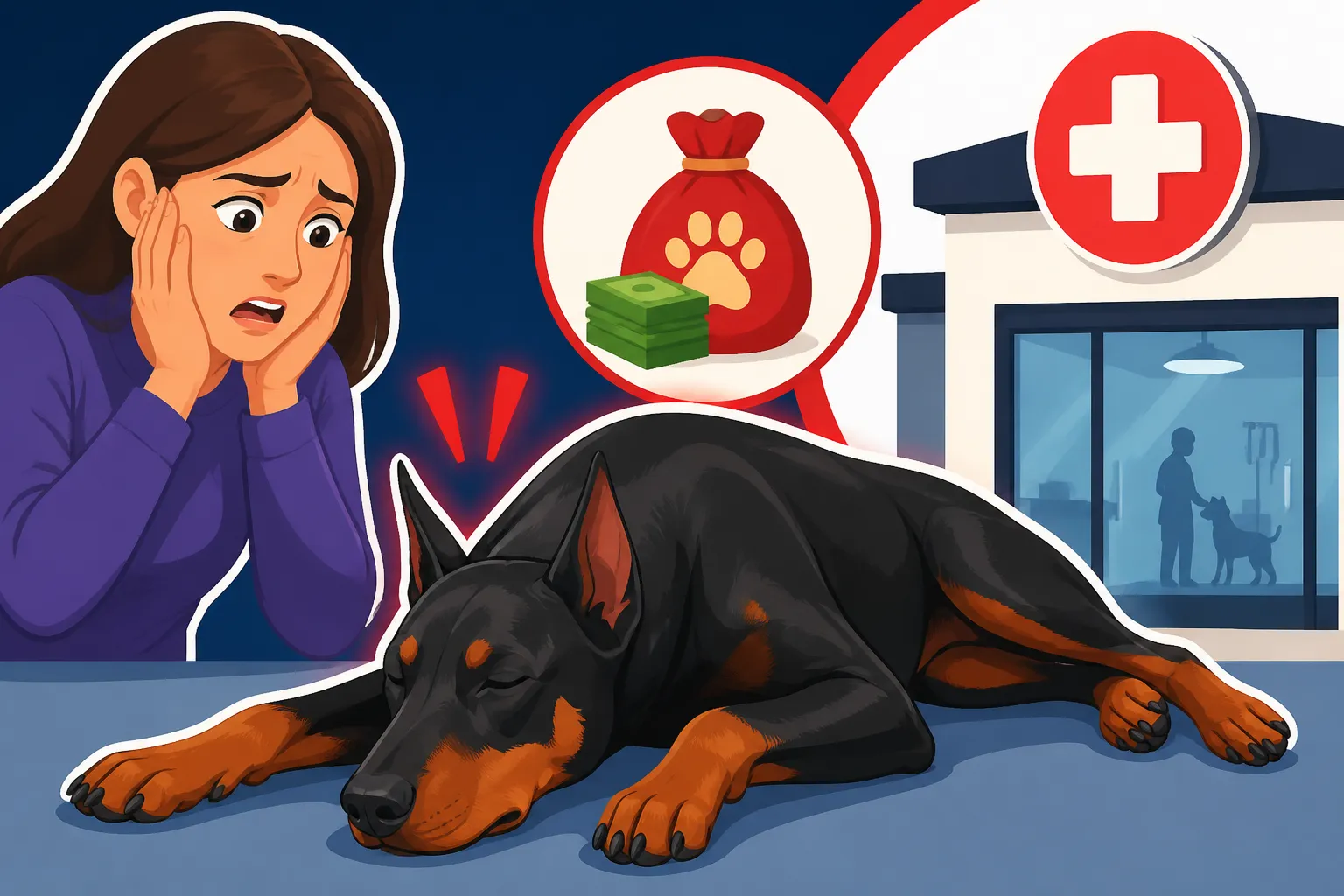
Emergency Vet Fees for a Collapsing Doberman
There are few moments more terrifying for a Doberman owner than watching their beloved companion suddenly collapse. One minute they're fine, the next they're down, unresponsive, or struggling. In that heart-stopping instant, your mind races with fear for their life and the overwhelming panic of what might be happening, combined with the daunting realization of the immediate, often astronomical, emergency veterinary fees that are about to hit. This guide will help you understand the financial realities of such a crisis and how to navigate them.
The Immediate Aftermath: What Happens When Your Doberman Collapses?
When your Doberman collapses, whether it's a sudden faint, a loss of consciousness, or an inability to stand, the first thing that happens is a rush to the emergency veterinary clinic. This isn't like a routine check-up; it's a critical situation where every second truly counts, and the initial assessment is aimed at stabilizing your dog and determining the life-threatening cause. The costs begin piling up from the moment you walk through those doors.
Initial Assessment and Stabilization at the Emergency Vet
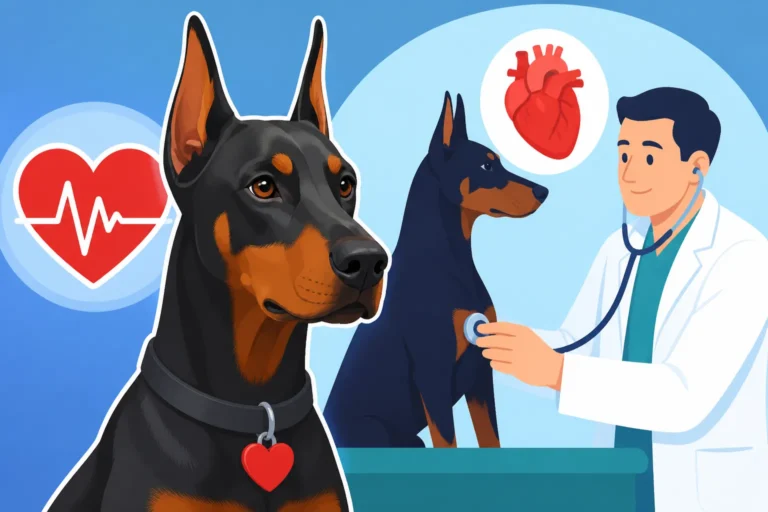
Upon arrival, your Doberman will be immediately triaged. This means a veterinary technician or veterinarian will swiftly check their vitals: heart rate, respiratory rate, pulse quality, mucous membrane color, and capillary refill time. They're looking for immediate threats to life, often referred to as the "ABCs" – Airway, Breathing, and Circulation. They'll ask you a flurry of questions about what happened, when, and any pre-existing conditions. This initial emergency examination fee is usually significantly higher than a standard office visit, reflecting the urgency and specialized care required.
Once vital signs are assessed, the vet will likely whisk your Doberman away for stabilization. This might involve placing an intravenous (IV) catheter to administer fluids and medications rapidly. If your dog is struggling to breathe, oxygen therapy will be started. These immediate, life-saving measures are essential, but they also come with their own line items on the bill. Blood work is almost always drawn at this stage—a complete blood count (CBC) to check for anemia or infection, a chemistry panel to assess organ function, and often electrolyte levels. For Dobermans, clotting times might also be run, especially if a bleeding disorder like The Bleeding Disorder Almost Every Doberman Line Carries is suspected or if internal bleeding is a concern.
Common Causes of Collapse in Dobermans
Dobermans, unfortunately, are predisposed to several serious conditions that can cause sudden collapse. Knowing these can help you understand why certain diagnostics might be prioritized by your vet, and why the urgency is so high.
One of the most devastating and common causes is Dilated Cardiomyopathy (DCM). This is The Heart Disease That Reaches Most Dobermans, a condition where the heart muscle thins and weakens, leading to an enlarged heart that struggles to pump blood effectively. Collapse in a Doberman with DCM is often due to a severe arrhythmia (irregular heartbeat) or sudden congestive heart failure. An emergency echocardiogram and ECG might be performed to quickly assess heart function and rhythm. You might not even know your Doberman had DCM, as often the condition remains silent for years. Sometimes, a Doberman can look fine and be critically ill. It's a cruel reality for the breed.
Another critical emergency, particularly for deep-chested breeds like Dobermans, is Gastric Dilatation-Volvulus (GDV), commonly known as bloat. This is where the stomach fills with gas and twists, trapping food and gas and cutting off blood supply. It's excruciatingly painful and rapidly fatal if not addressed surgically. If your Doberman's abdomen appears distended or they are retching unproductively, the vet will immediately suspect bloat and perform X-rays to confirm. Recognizing a Doberman Stomach Twist in Time is crucial because time is of the essence.
Other potential causes include severe pain, neurological events like seizures or strokes, severe hypoglycemia (low blood sugar), or internal bleeding from trauma or a ruptured mass. Each of these requires a specific diagnostic approach, and the emergency vet will be trying to narrow down the possibilities as quickly as possible. The fear is palpable for owners, and the financial pressure to find answers quickly only adds to it.
Understanding Emergency Vet Billing for Dobermans
Emergency veterinary care isn't just a regular vet visit with a higher price tag; it's a fundamentally different service model designed for immediate, critical interventions, often with highly specialized equipment and round-the-clock staffing.
The "Stat" Factor and After-Hours Charges
Emergency veterinary clinics operate 24/7, 365 days a year. This means they must cover staff salaries for nights, weekends, and holidays, along with maintaining specialized equipment, an in-house lab, and often specialists on call. When your Doberman collapses, everything is "stat" – immediately. This urgency is reflected in the costs. You're not just paying for the procedure; you're paying for the immediate availability of expertise, equipment, and staff when your regular vet's office is closed.
Expect an emergency exam fee to be higher than a typical daytime appointment. This fee covers the initial triage and stabilization, regardless of what treatments follow. If your emergency happens at night, on a weekend, or a holiday, a premium will almost certainly be added. This isn't a ploy to take advantage; it's the operational reality of providing critical care when most businesses are shut down. This can easily add hundreds of dollars to the initial bill before any diagnostics or treatments even begin.
Diagnostic Costs: The Race Against Time
Once your Doberman is stabilized, the next step is to accurately diagnose the problem, which often means a battery of diagnostic tests performed with incredible speed. These tests are essential to save your dog's life, but they are a significant portion of the emergency bill.
- Emergency Examination: As mentioned, this is the first charge, covering the immediate assessment and intake.
- Blood Panels: A comprehensive panel often includes a CBC, chemistry profile, and electrolytes. For Dobermans, specific tests like a prothrombin time (PT) and activated partial thromboplastin time (APTT) to check clotting ability are often added, especially with the breed's predisposition to Von Willebrand's disease. These panels can individually run into the hundreds.
- Imaging:
- X-rays: Chest X-rays are common to check heart size, fluid on the lungs (a sign of heart failure), or pneumonia. Abdominal X-rays are critical for diagnosing bloat or identifying internal masses. These often involve multiple views and can be pricey per set.
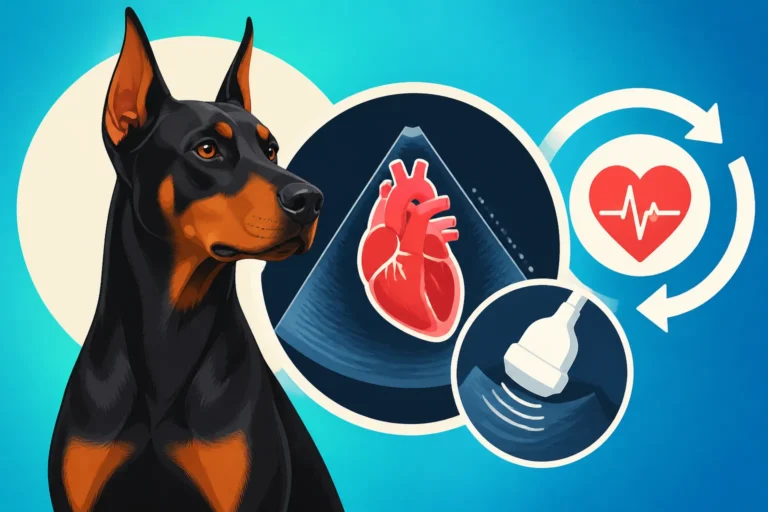
- Ultrasound: A focused assessment with sonography for trauma (FAST exam) might be performed quickly to look for free fluid in the abdomen (indicating internal bleeding) or around the heart. A full abdominal ultrasound is more detailed but may take longer. An emergency echocardiogram, if a cardiologist is on staff or available, is crucial for assessing heart function if DCM is suspected, and can identify valve issues or fluid around the heart.
- ECG/Holter Monitoring: If cardiac issues are suspected, an electrocardiogram (ECG) will be performed to check heart rhythm. For continuous monitoring, especially if arrhythmias are intermittent, a Doberman might be hooked up to Twenty-Four Hours of Holter on a Doberman once stable, which also adds to the cost.
The rapid succession of these tests, often overlapping, means that diagnostic fees alone can quickly climb into the low four figures, even before any treatment is initiated. It's a race against time, and these tools are the only way to quickly pinpoint the problem.
Treatment and Stabilization Expenses
Once a diagnosis is made, or even while diagnostics are ongoing, treatment to stabilize your Doberman is paramount. These interventions directly address the life-threatening aspects of the collapse.
- IV Fluids and Catheters: Maintaining hydration and blood pressure with IV fluids is fundamental. The cost includes the catheter insertion, the fluids themselves, and the pump used for precise delivery.
- Oxygen Therapy: If your Doberman is struggling to breathe, oxygen is critical. This involves using an oxygen cage, nasal cannula, or mask, and the cost is typically hourly or daily. This is often necessary if your Doberman is experiencing Coughing and Breathlessness in a Doberman due to heart failure.
- Medications: A range of emergency medications may be administered, including antiarrhythmics for irregular heartbeats, diuretics to remove fluid from the lungs in cases of heart failure, pain medication, anti-nausea drugs, and antibiotics. Each medication adds to the bill.
- Monitoring: Continuous monitoring of vital signs, including blood pressure, heart rate, and oxygen saturation, requires specialized equipment and constant nursing attention, billed hourly.
- Surgery: If your Doberman's collapse is due to a condition requiring immediate surgery, such as bloat (GDV) or internal bleeding, this will be the single largest component of the emergency bill. What Bloat Surgery Costs a Doberman Owner can be substantial, often involving not just the surgery itself but anesthesia, surgical supplies, and extensive post-operative care.
It's not uncommon for an emergency stabilization and treatment in the first 24-48 hours to range into the multiple thousands of dollars, depending on the severity and complexity of the condition.
Navigating the Financial Burden of a Doberman Emergency
The emotional toll of a collapsing Doberman is immense, and the shock of the associated veterinary bills only compounds the stress. Being prepared, or at least aware of the options, can make a difficult situation slightly more manageable.
The Shock of the Initial Estimate
When your Doberman is in critical condition, the veterinary staff will provide you with an estimate for the recommended diagnostics and treatment. It's usually a wide range, because they don't yet know the full extent of the problem or how your dog will respond. Seeing a four-figure estimate, possibly reaching five figures for complex surgeries or extended ICU stays, can be absolutely gut-wrenching, especially when you're already worried sick about your dog.
It's important to understand that this estimate is often just for the initial stabilization and diagnosis. If further complications arise, or if the underlying condition requires ongoing intensive care, the costs will continue to accumulate. Emergency vets are legally and ethically obligated to present these costs, but they also understand the immense pressure you're under. You'll be asked to sign off on treatments, and it's a moment of impossible decision-making under extreme duress.
Insurance and Payment Options
This is where planning ahead truly makes a difference.
- Pet Insurance: For Dobermans, given their genetic predispositions to serious conditions like DCM, pet insurance is highly recommended. Policies from providers like Healthy Paws can significantly mitigate the financial impact of emergencies. However, pet insurance generally operates on a reimbursement model (you pay upfront, they reimburse you later) and typically has waiting periods. Most importantly, pre-existing conditions are almost always excluded. This means it's vital to enroll your Doberman when they are young and healthy, ideally before they need Annual Echo and Holter Screening for a Doberman, to ensure coverage for potential future issues. Understanding Insuring a Doberman Before the Heart Turns is key to maximizing its benefits.
- Veterinary Financing: Services like CareCredit offer special financing options for healthcare expenses, allowing you to pay for bills over time, often with deferred interest for a promotional period. This can be a lifesaver in an emergency.
- Emergency Fund: A dedicated savings account for your pet's medical emergencies is invaluable. Setting aside even a small amount regularly can build up a substantial safety net for unexpected situations.
- Payment Plans/Assistance: While rare for initial emergency stabilization, some clinics may offer short-term payment plans for follow-up care or less critical situations. There are also a few breed-specific or general veterinary aid organizations that may offer assistance, but these often have strict criteria and limited funds.
- Crowdfunding: Platforms like GoFundMe have become a common way for pet owners to seek financial help from their communities, but this isn't a guaranteed solution and shouldn't be relied upon as your primary plan.
Post-Emergency Care and Ongoing Costs
The emergency vet visit is often just the beginning of your Doberman's medical journey. If the collapse was due to a chronic condition, such as DCM, there will be significant ongoing costs.
For a Doberman diagnosed with heart disease, this means a lifetime of medication, which can become Lifetime Heart Medication for a Doberman. Drugs like Pimobendan, often started even before symptoms appear (see Pimobendan Before a Doberman Shows Signs), diuretics, and antiarrhythmics are daily expenses. These medications alone can run into hundreds of dollars a month. Regular follow-up appointments with a veterinary cardiologist, including repeat echocardiograms and Holter monitoring, will be necessary to manage the condition.
If your Doberman underwent surgery for something like bloat, there will be post-operative pain management, follow-up visits, and potentially rehabilitation therapy. You might also need to adjust their diet or lifestyle. Companies like Chewy and Ollie offer convenient ways to source prescription diets or specialized foods that might be recommended for long-term health management, but these too are added monthly costs. The emotional and financial commitment extends far beyond that terrifying first night.
Preventative Measures and Preparedness
While you can't prevent every emergency, being proactive about your Doberman's health and financially prepared can make a world of difference when a crisis strikes.
Proactive Health Screening
Prevention and early detection are your best defenses against sudden, devastating events.
- Regular Veterinary Check-ups: Don't skip annual vet visits. Your vet can catch subtle changes in your Doberman's health that you might miss, or identify risk factors for potential problems.
- Breed-Specific Screenings: For Dobermans, regular heart screenings are paramount. This typically involves annual echocardiograms and 24-hour Holter monitoring starting at a young age, often between 2 and 4 years old. This is how you monitor for The Age Doberman Heart Disease Usually Starts and identify The Silent Years Before a Doberman's Heart Shows signs of trouble. Early detection of DCM, even in its occult phase, allows for treatment that can significantly extend quality of life. Ask your breeder about their testing protocols; The Health Testing a Doberman Breeder Must Show is a critical indicator of responsible breeding.
- Awareness of Early Signs: Educate yourself on the early signs of common Doberman illnesses. For example, slight changes in energy, a subtle cough, or increased breathlessness could be early indicators of heart disease. Understanding Why a Doberman Heart Fails Before Anyone Notices can prompt earlier vet visits. Similarly, knowing the signs of bloat means you can act immediately.
Financial Planning for the Unexpected
Even with the best preventative care, emergencies can and do happen. Having a financial plan in place offers immense peace of mind.
- Dedicated Emergency Fund: Beyond pet insurance, consider maintaining a separate "Doberman Emergency Fund." This is money specifically set aside for unexpected vet bills. Aim for enough to cover at least one major emergency, ideally several thousand dollars.
- Budgeting for Ongoing Care: Factor in the potential for ongoing medication and specialist visits into your monthly budget, especially as your Doberman ages. Screening an Older Doberman More Often means more regular costs.
- Responsible Sourcing: While not a financial planning tip in the moment of crisis, choosing a responsible Doberman breeder who performs extensive health testing on their breeding dogs can help reduce the likelihood of inherited diseases, though it doesn't eliminate all risks. Reading a Doberman Puppy's Test Certificates when you first bring them home is a great start.
- Nutritional Considerations: A high-quality diet, sourced from reputable providers like Chewy or Ollie, can support overall health and potentially mitigate some health risks, though it won't prevent genetic conditions. Ensuring your Doberman maintains a healthy weight and gets appropriate exercise can also contribute to their overall well-being, potentially reducing the incidence of certain issues that might lead to emergencies.
Being a Doberman owner means accepting a higher level of responsibility and commitment, both emotionally and financially. Preparing for the worst, while hoping for the best, is simply part of loving these incredible dogs.
| Emergency Care Stage | Description | Typical Actions & Diagnostics |
|---|---|---|
| Initial Assessment | Immediate evaluation upon arrival at emergency clinic. | Triage exam, vital signs check, medical history review, initial emergency fee. |
| Stabilization | Critical interventions to prevent immediate life-threatening harm. | IV catheter, fluids, oxygen therapy, initial pain relief, anti-nausea meds. |
| Diagnostic Phase | Tests to pinpoint the exact cause of collapse. | Blood panels (CBC, chemistry, electrolytes, clotting), X-rays, ultrasound, ECG. |
| Treatment & Monitoring | Addressing the diagnosed condition and continuously monitoring patient status. | Specific medications (e.g., antiarrhythmics, diuretics), surgery prep, ICU care. |
| Post-Emergency Care | Care after initial crisis, often requiring ongoing management. | Follow-up vet visits, specialist consultations, long-term medications, rehab. |
Disclaimer
This article is for general informational purposes only and does not constitute professional advice. Laws, prices and regulations vary by location and change over time. Consult a qualified professional for guidance on your specific situation.