Getting Started in Protection Sport With a Doberman
Bringing a Doberman into your life is an incredible experience, but many new owners, and even some seasoned ones, find themselves wrestling with the breed's intense drives and natural protective instincts. You might see videos of Dobermans excelling in protection sports and wonder if your own dog has that potential, or if it's even a suitable path. This guide is here to walk you through the realistic steps and considerations for getting started in protection sport with your Doberman, demystifying what it truly entails, and helping you decide if it's the right journey for both of you.
Understanding Protection Sport Beyond the Myths
Let's be honest, when most people hear "protection sport," their minds often jump to extreme, aggressive dogs, snarling and attacking. This common misconception does a huge disservice to the sport, the dogs, and the dedicated handlers involved. The reality is far more nuanced, built on control, discipline, and a deep partnership between dog and owner. It's not about creating a monster; it's about channeling natural instincts into a highly controlled, athletic, and mentally stimulating activity.
What Protection Sport Truly Is and Isn't
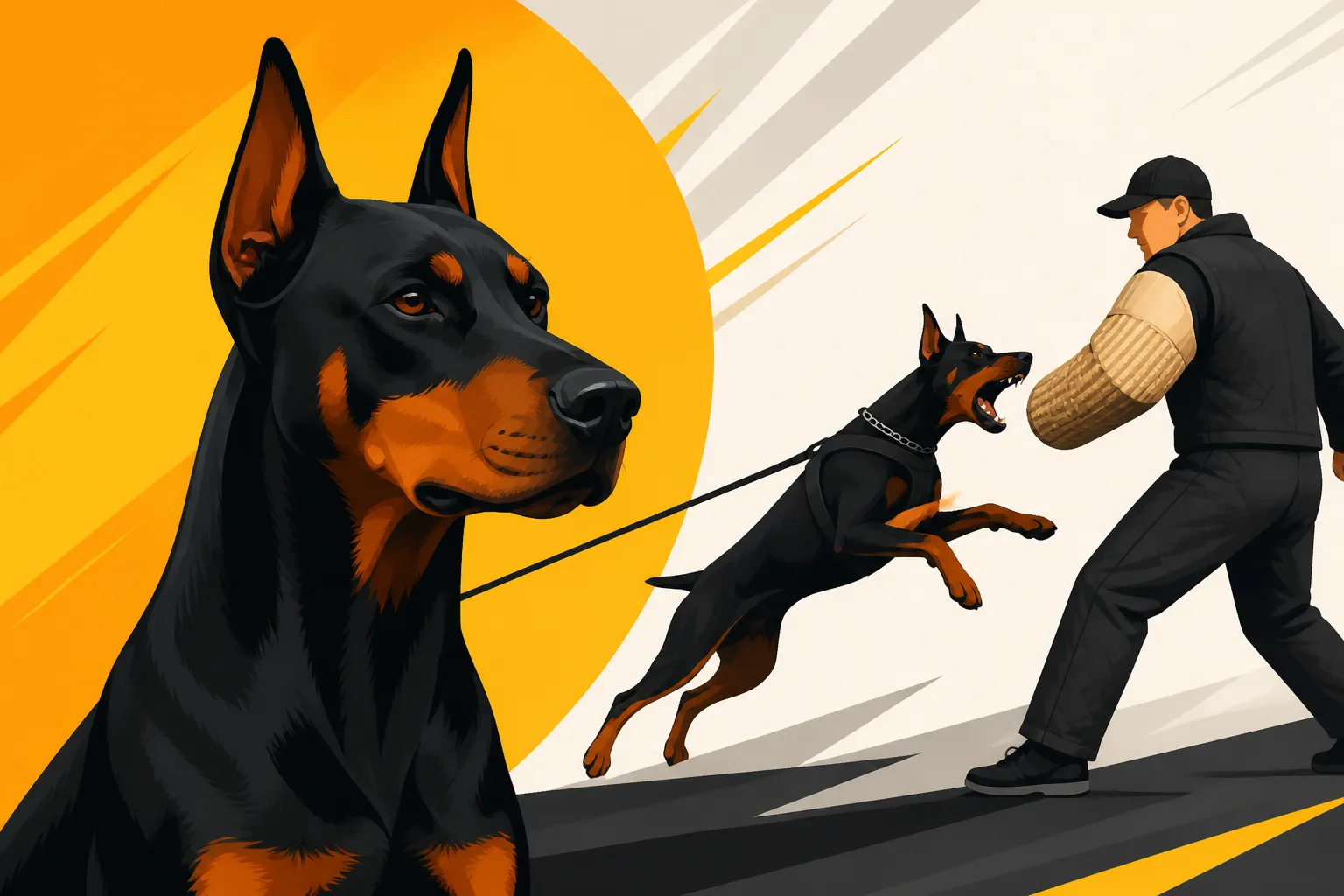
Protection sport, like Schutzhund (now officially known as IGP, International Gebrauchshund Pruefung) or French Ring, is a demanding three-phase discipline that tests a dog's tracking ability, obedience, and protective instincts. It's essentially a rigorous examination of a dog's temperament, trainability, physical soundness, and courage. Think of it as an advanced canine triathlon, not a free-for-all dog fight. The "bite work" portion, which is what most people focus on, is incredibly structured. Dogs are trained to bite a padded sleeve or suit worn by a decoy (a highly trained person playing a specific role), to hold the bite, and then, crucially, to release on command, even in high-stress situations. The emphasis is always on control. A dog that is out of control, overly aggressive, or unpredictable will not pass the sport's rigorous standards and certainly wouldn't be allowed to compete. This sport actually demands a very stable, confident, and biddable dog, quite the opposite of the "attack dog" stereotype. It builds incredible focus and a strong bond with the handler, as the dog learns to perform complex tasks under intense pressure.
The Ideal Doberman Temperament for Sport
Not every Doberman, despite the breed's reputation, is naturally suited for protection sport. The ideal Doberman for this kind of work possesses a very specific set of traits. They need to be confident, stable, and resilient, with a strong nerve. This means they shouldn't be easily spooked by loud noises, new environments, or strange people. A shy or nervous Doberman might snap or become overwhelmed under pressure, which is dangerous and counterproductive. Instead, you're looking for a dog with good "drives"—that natural instinct to chase, play tug, and be rewarded, which forms the foundation of bite work. They also need a high degree of biddability, meaning they are eager to please and receptive to training. A Doberman with a strong independent streak might struggle with the precision required in obedience and the immediate "out" command. You want a dog that, while possessing an innate desire to guard, is also incredibly responsive and trusts its handler implicitly. Doberman Temperament as the Standard Describes It highlights how the breed should be "fearless, loyal, and obedient," qualities that are absolutely paramount for success in protection sport.
Dispelling the Aggression Myth
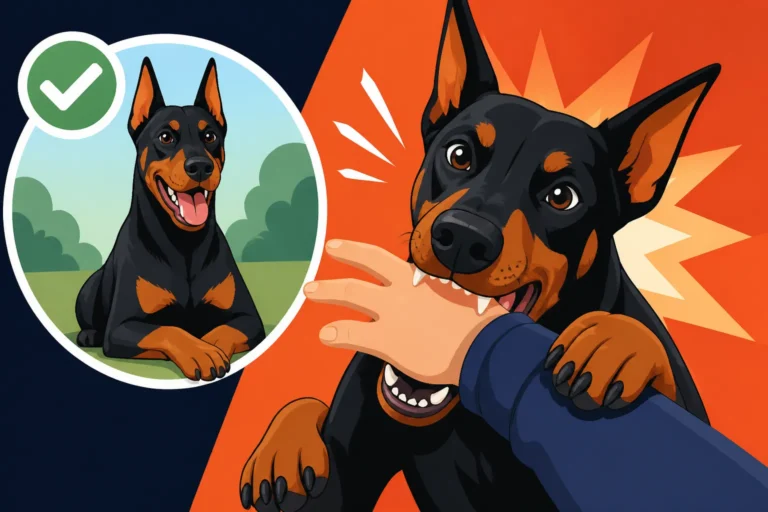
The biggest myth surrounding protection sport is that it makes dogs aggressive or dangerous. This couldn't be further from the truth. In fact, properly trained protection sport dogs are often some of the most stable and well-adjusted canines you'll meet. The training is all about control and discernment. Dogs are taught to engage with a decoy in a very specific, ritualized way, and to switch off that intensity on command. They don't see every stranger as a threat. The decoy is essentially a very animated toy, and the dog is playing a highly structured game. The risk of creating an indiscriminately aggressive dog comes not from proper sport training, but from untrained or poorly trained dogs whose natural guarding instincts have been encouraged without any control or discernment. Why Guard Training Ruins Most Pet Dobermans is a critical read if you're confusing actual protection sport with encouraging your dog to just be "mean." A Doberman involved in legitimate protection sport understands the rules of the game and can differentiate between a training scenario and everyday life. Their home life should be calm, friendly, and predictable, with the intensity reserved solely for the training field.
Is Your Doberman Suited for Protection Work?
Before you even think about signing up for a class, it’s vital to objectively assess your Doberman. Not every dog, even within a capable breed like the Doberman, has the mental and physical makeup for protection sport. This isn't a sport where you can force a square peg into a round hole; the dog needs to genuinely enjoy and thrive in the work.
Evaluating Natural Drives and Instincts
When considering protection sport for your Doberman, you need to look at their inherent drives. Are they wildly enthusiastic about playing tug-of-war? Do they have a strong "prey drive"—that instinct to chase and grab moving objects, like a flirt pole or a rag? This drive is crucial because the foundation of bite work starts with channeling this natural chasing and grabbing behavior onto a sleeve or suit. A Doberman that lacks this inherent drive, or is more interested in sniffing the ground than engaging with a moving toy, will likely struggle to find the motivation for bite work. It’s also important to observe their confidence. Do they back down easily from new situations or noises? Do they approach new objects or people with curiosity or fear? A Doberman that shows hesitation or fear in novel situations might not have the nerve required to excel, or even safely participate, in the sport. Building a Doberman Puppy That Is Confident, Not Sharp talks about setting up these foundations early. Even adult Dobermans can have their drives evaluated, but the earlier you notice these traits, the better.
The Importance of a Solid Foundation in Obedience
This cannot be stressed enough: protection sport dogs are, first and foremost, highly obedient dogs. Without a rock-solid foundation in obedience, you absolutely cannot proceed with bite work. Imagine a powerful Doberman, amped up and focused on a decoy, without a reliable "stay," "come," or "out" command. It's a recipe for disaster. Before engaging in any protection phase training, your Doberman should be consistently performing all basic obedience commands (sit, down, stay, come, heel) both on and off-leash, in distracting environments. The commands must be instant and unwavering. Many clubs will require you to demonstrate this level of control before allowing your dog to even sniff a sleeve. If your obedience needs work, consider investing in advanced obedience classes or online programs like those offered by BAXTER & Bella, which can help build that crucial foundation from the comfort of your home before you step onto a sport field. Training a Doberman That Is Smarter Than You Expect emphasizes the Doberman's intelligence, which makes them highly trainable, but also means they can exploit any inconsistencies in your commands.
Health and Physical Condition Considerations
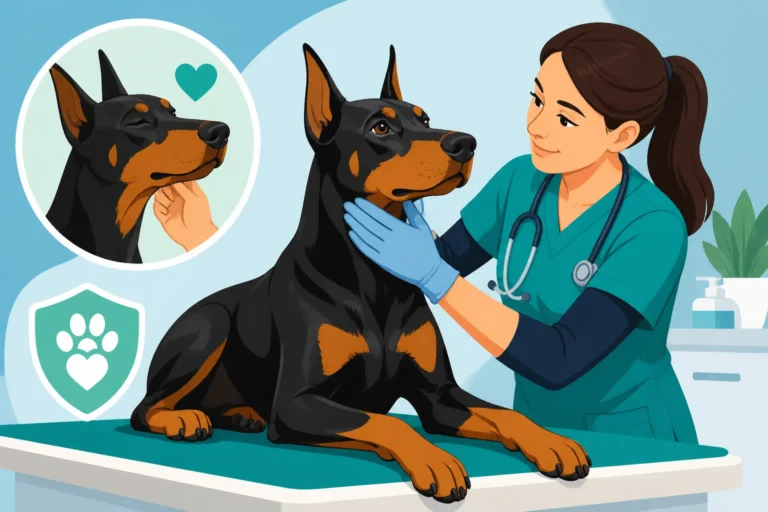
Protection sport is physically demanding. Dogs are required to run, jump, and engage with the decoy, often twisting and turning with significant force. Therefore, your Doberman must be in excellent physical condition and free from any underlying health issues that could be exacerbated by the sport. This means they should have current health clearances, especially for common Doberman ailments. For example, heart health is paramount for a Doberman undertaking strenuous activity; regular screenings are not just a good idea, they are essential. The Health Testing a Doberman Breeder Must Show gives you an idea of what tests are generally important for the breed. Hip and elbow evaluations are also crucial to ensure there are no structural weaknesses that could lead to injury. A Doberman with pain or discomfort will not perform well and could be put at risk. Consult with your veterinarian, and ideally a sports medicine vet, to get a thorough check-up before committing to this intensive activity. Remember, this is a long-term commitment, and maintaining physical well-being throughout their sporting career is vital.
Finding the Right Club and Decoy
Once you've determined your Doberman has the right temperament and a solid obedience foundation, the next, and arguably most critical, step is finding the right training club and decoy. This is not a sport you can, or should, attempt to learn from YouTube videos in your backyard. Professional guidance is non-negotiable for safety and success.
Researching Local Protection Sport Clubs
Finding a good club can make or break your protection sport journey. Start by looking for established Schutzhund (IGP) or Ring Sport clubs in your area. Don't just pick the first one you find; do your homework. Attend a few training sessions without your dog first. Observe how the trainers interact with the dogs and handlers. Do they prioritize safety, control, and positive motivation? Are the dogs happy and engaged, or do they appear stressed and shut down? Ask about their training philosophy and how they introduce new dogs to bite work. A reputable club will focus on building drive and confidence, not forcing a dog into aggression. Look for a club that emphasizes foundational work, ensuring dogs have a strong understanding of obedience before engaging in advanced bite work. Finding a Trainer Who Has Worked With Dobermans is crucial advice here; look for trainers with specific Doberman experience in protection sports, as they understand the breed's unique characteristics. Don't be afraid to ask for references from current members. The right club will be supportive, knowledgeable, and put the dog's well-being first.
The Critical Role of a Skilled Decoy
The decoy is not just a person in a big suit; they are an instrumental part of the training process, almost like a coach for your dog's bite work. A skilled decoy understands canine behavior, drives, and bite mechanics. They know how to "read" a dog, how to motivate them, how to challenge them appropriately, and how to build their confidence without pushing them over the edge. A good decoy makes the "bad guy" predictable and fair, building the dog's confidence in engaging, holding the bite, and then releasing cleanly on command. They understand how to control the dog's intensity and help reinforce the handler's commands. Conversely, a poor or inexperienced decoy can quickly ruin a dog, making them fearful, uncertain, or indiscriminately aggressive. You should observe the decoy's interaction with multiple dogs, noting their control, timing, and ability to adjust their technique to individual dogs. They should be calm, consistent, and always prioritize the safety of both dog and handler. The decoy is your partner in this journey, and their expertise is invaluable.
What to Look for in a Training Environment
Beyond the people, the training environment itself is important. Look for a club that provides a safe, secure, and appropriate training field. This means good fencing, suitable surfaces (grass or dirt, not concrete), and enough space for dogs to run and work without interference. The club should have a structured curriculum that progresses dogs safely and logically through the different phases of training. There should be clear communication between trainers, decoys, and handlers about goals and expectations. A healthy training environment is one where handlers support each other, share knowledge, and celebrate successes. It should feel like a community that shares a passion for the sport and the Doberman breed. Pay attention to how often training sessions are held and if they fit your schedule, as consistency is key. Additionally, observe how distractions are managed; a good club will gradually introduce increasing levels of distraction to ensure the dog's focus remains on the work, a skill that is paramount for a Doberman. Keeping a Doberman Mentally Tired is achieved not just through physical exercise, but through challenging mental work like that found in structured sport training, and the right environment facilitates this.
The Journey Through Foundation Training
Starting protection sport is a marathon, not a sprint. The initial phases are all about building solid foundations, ensuring your Doberman understands the game and develops the necessary confidence and drives without ever feeling pressured or confused. Patience is your most important virtue here.
Building Prey Drive and Confidence
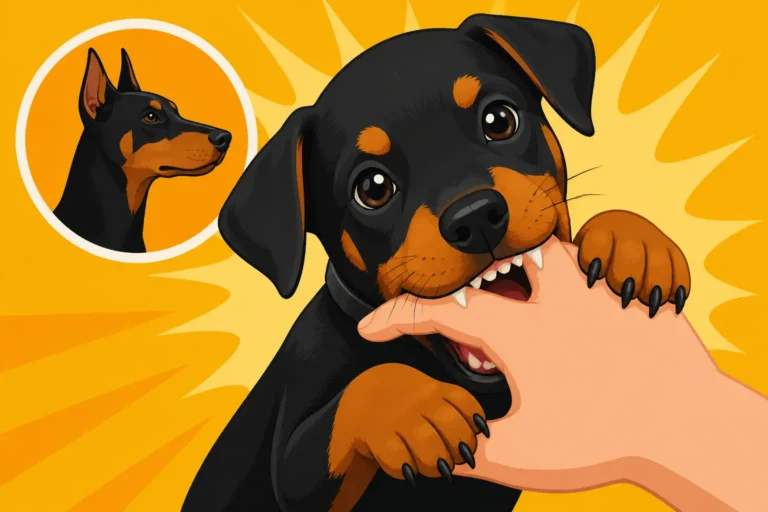
The very first steps in protection sport often involve focusing entirely on prey drive. This isn't about aggression; it's about harnessing your Doberman's natural instinct to chase, grab, and hold onto a moving object. Decoys will often start with a soft rag or a tug toy, moving it in a way that excites the dog and encourages them to bite and hold. The goal is to make this engagement incredibly rewarding for the dog, turning the decoy into the ultimate "fun maker." It's a game of chase and reward. The decoy will allow the dog to "win" the tug, building their confidence and making them eager for the next interaction. Gradually, this prey item might transition to a puppy sleeve, but the focus remains on building enthusiasm and a strong, full bite. You'll likely use positive reinforcement, lots of praise, and a happy, encouraging tone. This stage is critical for developing a fearless and enthusiastic approach to the bite work, ensuring the dog perceives it as a high-value game rather than a confrontation. Whether a Doberman Works Better for Food or Tug is relevant here, as many sport dogs are motivated by tug play.
Introducing the "Bite Work" Safely
As the dog's prey drive and confidence grow, the bite work itself is introduced, always with safety and control at the forefront. This involves moving from a simple rag or tug to a more structured sleeve. The decoy will teach the dog where to bite (typically a full, deep bite on the sleeve) and how to hold. Crucially, the "out" command, where the dog releases the sleeve on command, is taught from the very beginning. This is non-negotiable. Without a reliable "out," you cannot safely progress. The decoy and trainer work together to ensure the dog understands that engaging the sleeve is fun, but releasing it on command leads to even more fun, like praise or another chance to bite. This builds immense control. The training is progressive, gradually increasing the challenges, distractions, and duration of the bite, always under strict supervision. It's a precise dance between dog, handler, and decoy, where clear communication and consistency are paramount. Remember, this isn't about teaching your Doberman to randomly bite; it's about channeling their natural instincts into a highly disciplined and controlled behavior. For some supplemental training and obedience work at home, consider looking at equipment like long lines and durable tugs on Amazon.
Incorporating Obedience Under Distraction
One of the defining features of protection sport is that all aspects, including the bite work, are integrated with high-level obedience. It's not enough for your Doberman to perform obedience commands in a quiet living room; they must execute them perfectly on a busy training field, often right next to a barking dog or in view of a decoy. This is where the true partnership shines. Commands like "sit," "down," "stay," and "heel" are practiced relentlessly under increasing distractions. Imagine your Doberman heeling perfectly, then being asked to down-stay while the decoy moves around, presenting a potential "threat." The dog must maintain composure and remain in position until given the command to engage. This level of focus and control takes immense practice and patience. It reinforces the handler's authority and ensures the dog understands that you are in charge of when and how they engage. This dual focus on drive and control sets protection sport apart and showcases the Doberman's remarkable intelligence and biddability. The Doberman Years When Everything Shows Up emphasizes the developmental stages where these complex skills can be refined.
Progression and Long-Term Commitment
Embarking on protection sport with your Doberman is a significant long-term commitment. It's a journey that evolves through different levels, demanding continuous dedication, financial investment, and a deep understanding of your dog's capabilities.
Moving Through Different Levels and Titles
Protection sport, particularly IGP, is structured into various titles or levels (IGP1, IGP2, IGP3), each building upon the previous one with increasing difficulty and complexity in tracking, obedience, and protection phases. To earn a title, you and your Doberman must successfully pass rigorous tests administered by a certified judge. For instance, an IGP1 title requires a solid performance across all three phases, including a precise heeling pattern, various obedience exercises, and controlled bite work with specific criteria for engagement, courage, and release. As you progress to IGP2 and IGP3, the exercises become more challenging, requiring greater stamina, mental fortitude, and precision from both dog and handler. The decoy work becomes more dynamic, the obedience patterns more intricate, and the tracking longer and more demanding. It’s a rewarding ascent, but it requires consistent training, often multiple times a week, and a willingness to learn and refine your skills alongside your dog. Each title represents a significant achievement and a testament to the partnership you’ve built.
Maintaining Balance Between Sport and Pet Life
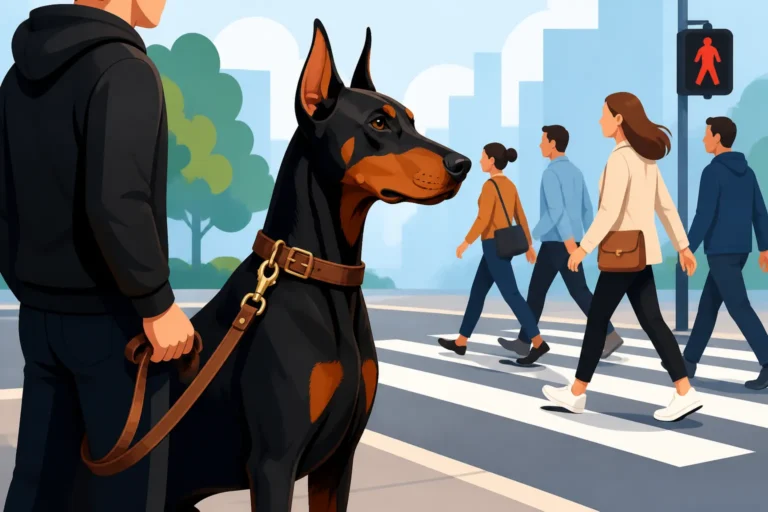
One of the most important aspects of long-term involvement in protection sport is ensuring your Doberman remains a well-adjusted, calm family pet outside of the training field. The intensity required for sport work needs to be contained and switched off in everyday life. A Doberman that is "on" all the time, constantly looking for a threat or an opportunity to engage, is not a balanced dog and can be a liability. Good sport training actually reinforces the ability to switch between intense work mode and relaxed pet mode. Your Doberman should be able to greet visitors calmly, walk politely on a leash in public, and enjoy quiet time at home without any lingering tension from their sport training. This balance is achieved through clear boundaries, consistent home rules, and a separation of contexts. The commands and expectations for sport work should be distinct from everyday life. For example, using different leashes or harnesses for sport versus casual walks can help your Doberman understand the context shift. Your Doberman needs to understand Whether a Doberman Guards Without Being Taught is okay in some contexts, but not always. Ultimately, the goal is to have a phenomenal sport dog and a beloved, reliable family member.
The Financial and Time Investment
There’s no sugarcoating it: protection sport is a significant investment of both time and money. On the time front, you can expect to dedicate several hours a week to training sessions at the club, plus additional time at home practicing obedience and conditioning exercises. This is a year-round commitment, regardless of weather. Attending seminars, trials, and potentially traveling for competitions will also consume weekends. Financially, the costs can add up. You'll have club membership fees, training session fees, equipment costs (sleeves, tugs, long lines, muzzles – often available on platforms like Amazon), entry fees for trials, and potentially travel and lodging for events. Don't forget the ongoing health costs for an active dog, including specialized food, supplements, and more frequent vet check-ups or preventative care to ensure they remain in top physical condition. The Yearly Heart Bill for a Doberman is a serious consideration for any Doberman owner, and even more so for a dog in strenuous sport. Before you start, have a frank conversation with yourself about whether you have the bandwidth and resources for this level of dedication. It's a lifestyle, not just a hobby.
Disclaimer
This article is for general informational purposes only and does not constitute professional advice. Laws, prices and regulations vary by location and change over time. Consult a qualified professional for guidance on your specific situation.