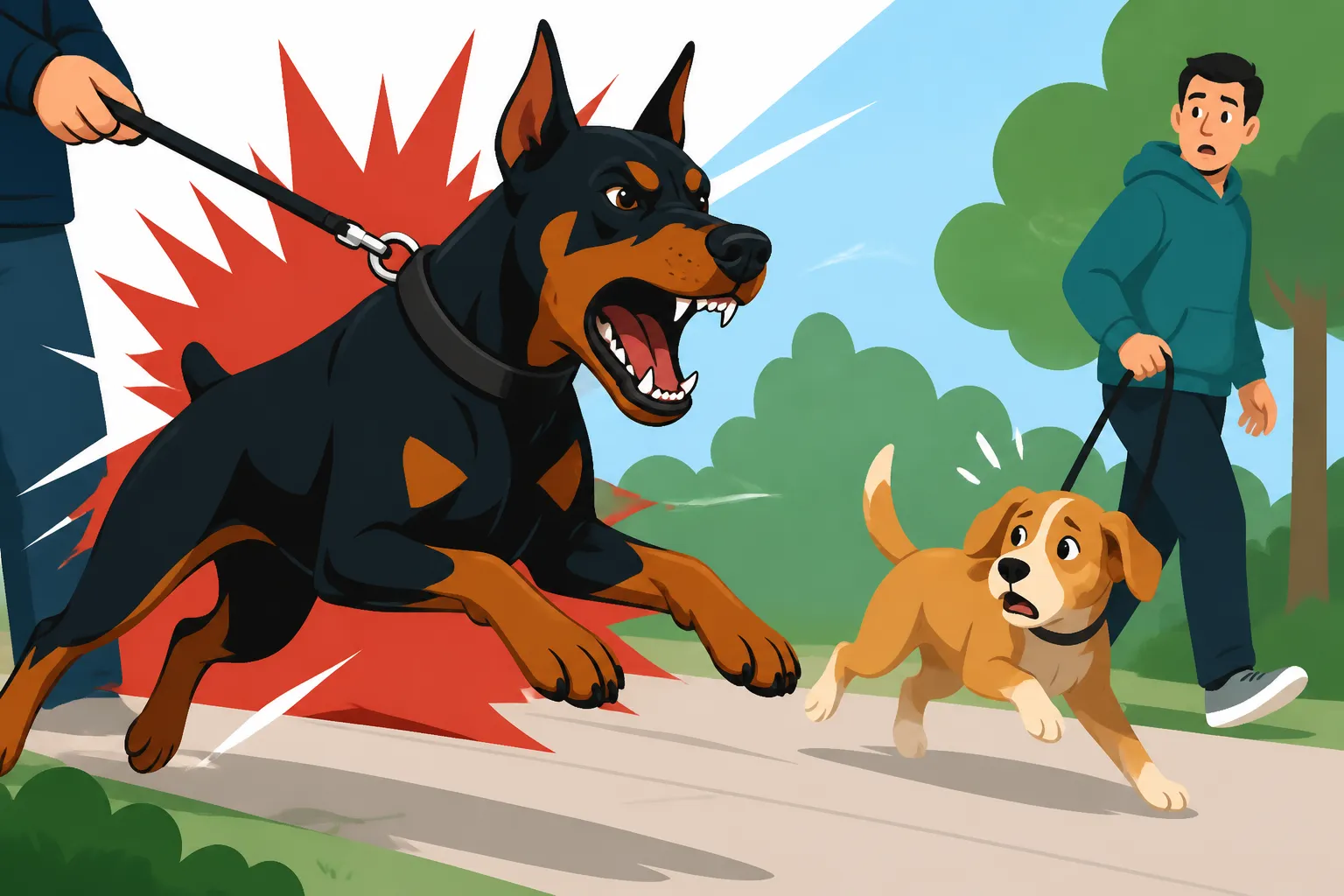
A Doberman That Lunges at Passing Dogs
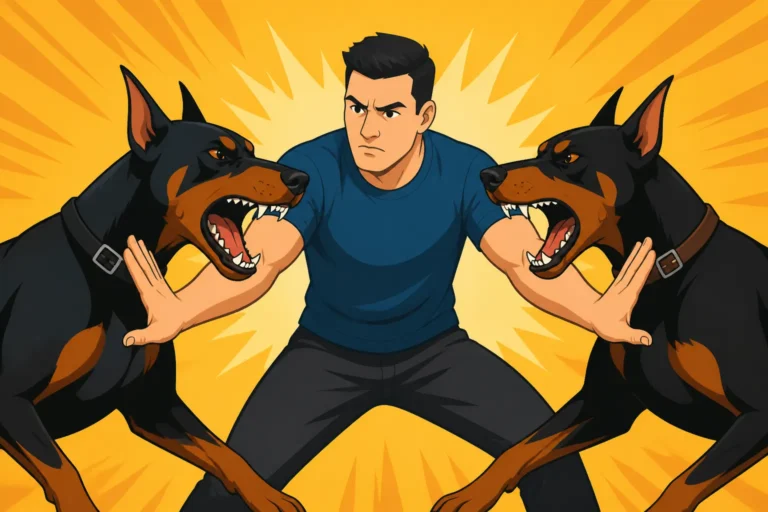
It's incredibly frustrating, and let's be honest, often downright embarrassing, when your otherwise wonderful Doberman suddenly transforms into a lunging, barking, leash-tugging maniac at the sight of another dog on a walk. You feel that flush of heat, the surge of adrenaline, and the quick glance around to see who's judging you and your beloved companion. You're not alone in this struggle; many Doberman owners experience this particular challenge. This guide will walk you through understanding why your Doberman reacts this way, and more importantly, give you actionable strategies to manage and ultimately change this difficult behavior so you can enjoy peaceful walks again.
Understanding Why Your Doberman Reacts to Other Dogs
Before we can even begin to think about solutions, we have to understand the 'why.' A Doberman lunging at another dog isn't doing it to spite you or because they're inherently "bad." There's always a reason, and it usually boils down to an underlying emotional state. Pinpointing that emotion is the first crucial step in helping your dog.
The Root Causes: Fear, Frustration, or Over-Excitement
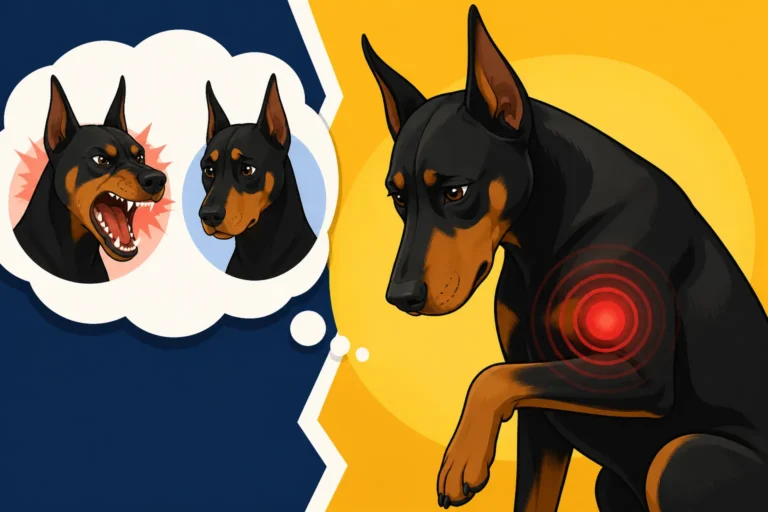
Think about what happens right before your Doberman reacts. Are they stiffening, freezing, trying to pull away, or even ducking their head? That might signal fear. A Doberman, despite its formidable appearance, can be quite sensitive and prone to anxiety, especially if not properly socialized. A dog that is fearful of other dogs might bark and lunge to create distance, essentially saying, "Stay away from me!" This isn't aggression for aggression's sake; it's a defensive strategy. It's tough when people see a Doberman reacting and immediately assume aggression, but often, it's a deeply uncomfortable dog trying to make the scary thing go away.
Alternatively, consider if your Doberman is straining on the leash, whining, pulling towards the other dog, and getting increasingly agitated. This could be pure frustration. Maybe your dog really wants to greet the other dog, but the leash prevents it. This pent-up energy and desire, blocked by the leash, boils over into a dramatic display. They might be thinking, "Let me go! I want to play!" but the inability to do so leads to an outburst. This can be especially true for young, energetic Dobermans who haven't quite learned impulse control.
Then there's over-excitement, which can look a lot like frustration. Some Dobermans are just so thrilled to see another dog that they can't contain themselves. Their excitement becomes overwhelming, and they lunge and bark in an attempt to get closer and interact. While this might seem less problematic than fear or frustration, it can still be incredibly disruptive and often frightening to other dog owners and their pets. It's also dangerous because it often escalates to a point where your Doberman isn't listening to you at all. Understanding these subtle differences in body language is vital. A Doberman's cropped ears, which are common, can sometimes make it harder to read their full emotional state, as you lose that crucial ear-flick information. What Cropped Ears Hide About a Doberman's Mood can be a real challenge for owners trying to interpret their dog's signals.
How Early Experiences Shape Reactivity
It's easy to blame yourself, but canine reactivity often has deep roots that might not be entirely your doing. The truth is, a Doberman's early experiences, or lack thereof, can significantly impact their behavior later in life. If a Doberman puppy didn't get sufficient, positive socialization during their critical developmental period – roughly between 3 to 16 weeks – they might grow up to be wary or reactive towards novel situations, people, or other dogs. The Sixteen Weeks That Set a Doberman Up highlights just how crucial this period is. A puppy mill or backyard breeder situation where pups are kept isolated can set a dog up for failure before they even come home with you.
Even with the best intentions, a single negative experience can leave a lasting scar. Maybe your Doberman was ambushed by an off-leash dog, or had a bad encounter at a dog park when they were younger. These incidents can quickly build a negative association in their minds: "Other dogs equal scary/bad/unpleasant." Genetics also play a role. Some Dobermans are simply born with a more sensitive or anxious temperament, making them more predisposed to reactivity, regardless of perfect upbringing. This doesn't mean it can't be managed, but it does mean you might have to work a bit harder and be more patient. It's about recognizing that sometimes, despite your best efforts, certain predispositions are just part of the package.
Practical Strategies to Manage On-Leash Reactivity
Managing a reactive Doberman on a walk can feel like navigating a minefield. The key is to start with management strategies to prevent the behavior from happening in the first place, then move into training that changes your dog's underlying emotional response. You want to set your Doberman up for success, not force them into situations where they're guaranteed to fail.
Equipment That Can Help (and What to Avoid)
When your Doberman lunges, they can pull with surprising force. Having the right equipment isn't about punishing them, but about safety and control for both of you. A sturdy, well-fitting harness is often a good starting point. Front-clip harnesses, which clip on the chest, can be particularly effective because they redirect your dog's forward momentum back towards you when they pull, making lunging less impactful and giving you more leverage. Many owners find these a lifesaver. You can find a wide range of options on platforms like Amazon, but always make sure to read reviews to ensure it's comfortable and secure for a powerful breed like a Doberman. Harnesses That Hold a Strong Doberman can offer excellent recommendations.
Head halters, sometimes called "gentle leaders," are another option that can provide excellent control by guiding your dog's head, much like a halter on a horse. When the head is controlled, the body tends to follow. Some Dobermans take to them quickly, while others need a slow, positive introduction to get comfortable wearing one. Whether a Doberman's Long Nose Fits a Head Halter is a common question, and yes, many are designed to fit their elegant muzzle. It’s critical to introduce these tools with positive reinforcement, making them associated with good things, not just restraint. Avoid traditional choke chains or prong collars, especially with a sensitive breed like a Doberman. While they might seem to offer immediate control, they work by pain or discomfort and can actually increase fear and reactivity, making the problem worse in the long run. They can also damage your dog's delicate neck and throat.
Creating Distance and Changing the Environment
This is perhaps the simplest and most effective management strategy: avoid your Doberman's triggers. If seeing another dog at 20 feet causes a meltdown, then don't let them get within 20 feet of another dog. This means being vigilant and proactive on walks. Scan ahead constantly. If you see another dog approaching, cross the street, turn around, duck behind a car, or step into a driveway. Your goal is to keep your Doberman under their "threshold"—the point at which they can still notice the other dog but not react.
Finding quieter walking routes, especially during off-peak hours, can be a game-changer. Instead of walking around the busiest park in town, explore industrial areas on weekends, nature trails early in the morning, or even large, empty parking lots. The less your Doberman practices the reactive behavior, the less ingrained it becomes. This isn't about avoiding the problem forever; it's about reducing stress for both of you while you work on building new, positive associations. Think of it as giving your Doberman a mental break from constantly being on edge. It allows them to relax and you to feel less anxious, which in turn helps your dog relax too. Remember, dogs are incredibly attuned to our emotions, so if you're stressed, they're likely to pick up on it.
Foundational Training: Leash Skills and Engagement
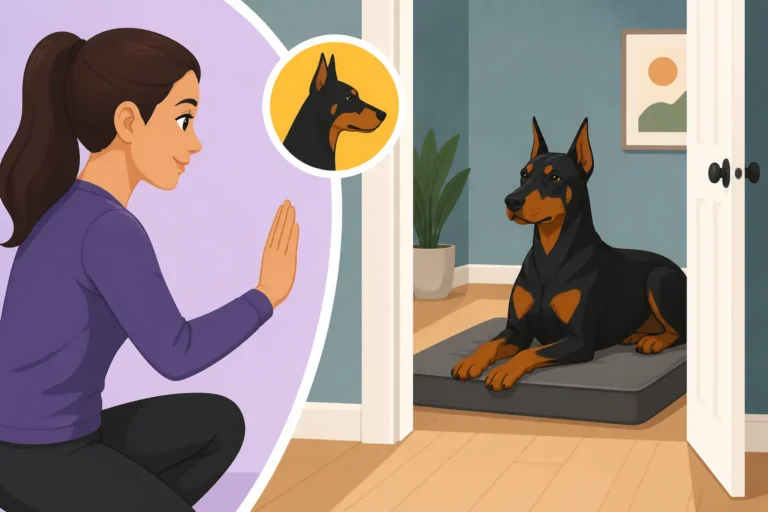
Beyond simply avoiding triggers, building a strong foundation of leash manners and engagement is crucial. Your Doberman needs to understand that you are the most interesting thing on the walk, even when other dogs are around. Start practicing "look at me" or "focus" cues in a quiet environment with minimal distractions. Reward heavily with high-value treats (like cooked chicken or cheese) whenever your Doberman makes eye contact with you. This teaches them to check in with you regularly.
Practice emergency U-turns and sudden changes in direction. When you see a potential trigger in the distance, before your Doberman notices it, give a cheerful "Let's go!" and make an abrupt turn, rewarding them for following you. This isn't about escaping; it's about teaching them to reorient to you as their leader and source of good things. A solid "heel" or "attention walk" can also be invaluable. Consistency is key here. Every single walk is a training opportunity. Leash Manners for an Eighty-Pound Doberman can feel like a Herculean task, but breaking it down into small, manageable steps will yield results. Don't be afraid to use a long line in a secure area to practice recall and engagement from a distance without the pressure of a tight leash. Many online resources, like those offered by BAXTER & Bella, emphasize building engagement and a strong relationship, which is fundamental for any training, especially reactivity.
Desensitization and Counter-Conditioning: Changing Your Doberman's Emotional Response
Once you've got management down and your Doberman isn't constantly practicing their reactive behavior, you can start the real work of changing their emotional response to other dogs. This is where desensitization and counter-conditioning come in. It's not about forcing them to "deal with it," but about gently shifting their feelings from negative (fear, frustration) to positive.
The "Look at That" Game
The "Look at That" (LAT) game is a classic and highly effective method for reactive dogs. The idea is simple: every time your Doberman notices another dog (before they react), you immediately say "yes!" or click, and give them a super high-value treat. The timing is crucial. You want to reward them for looking at the other dog, not for reacting. This creates a new association: "Other dog = yummy treat!"
Start this game at a distance where your Doberman can see another dog but is still calm and under their threshold. This might mean starting across a park, or even watching from inside your car. Gradually, over many, many sessions, you can decrease the distance, but only if your Doberman remains calm and receptive to treats. If they start to react, you've moved too close too quickly, and you need to increase the distance again. This is a marathon, not a sprint. The goal is that eventually, your Doberman will see another dog, look at you expectantly for a treat, rather than lunging. It's a fantastic way to Spotting the Moment a Doberman Is Uncomfortable and intervene positively.
Controlled Set-Ups and Professional Guidance
While you can certainly start working on LAT and management yourself, bringing in a qualified professional can accelerate your progress and provide invaluable guidance. A certified professional dog trainer or a veterinary behaviorist specializing in reactivity can help you fine-tune your techniques, read your Doberman's subtle body language more accurately, and design a tailored training plan. They can also arrange controlled set-ups where your Doberman can practice being around a calm, neutral dog at a safe distance.
Look for trainers who use positive reinforcement methods and have experience with reactive dogs and Dobermans specifically. Finding a Trainer Who Has Worked With Dobermans is essential because they understand the breed's nuances, intelligence, and sensitivity. Avoid anyone who suggests using harsh punishment, "alpha rolling," or confrontational methods, as these can severely damage your Doberman's trust in you and escalate their fear. A good trainer will help you build your confidence as well, which is just as important as building your dog's confidence.
Patience and Consistency: The Long Game
Let's be realistic: changing a deeply ingrained reactive behavior doesn't happen overnight. It takes immense patience, consistency, and a willingness to accept that there will be good days and bad days. You might have a fantastic walk where your Doberman ignores every dog, only to have a complete meltdown the next day because a squirrel startled them at the same time another dog appeared. These setbacks are normal, but they can be incredibly disheartening.
It's vital to celebrate every small victory: a polite sniff, a quick glance and check-in with you, or even just not reacting in a situation where they normally would. Consistency across all family members is also crucial. Everyone who walks the Doberman needs to be on the same page with the training methods and management strategies. Remember, you're not just training your Doberman; you're also retraining your own habits and reactions. Stay calm, stay positive, and remember why you embarked on this journey: for a more relaxed, happier Doberman and more enjoyable walks for both of you.
Addressing Specific Challenges and Common Mistakes
Reactivity is rarely a straightforward issue, and there are often layers of complexity. Knowing how to handle specific situations and avoiding common pitfalls can make a huge difference in your progress.
When Lunging Turns into Aggression
It's a scary thought, but sometimes, a Doberman's reactivity can escalate beyond mere lunging and barking to actual aggressive displays, such as snarling, snapping, or even attempting to bite. If you suspect your Doberman's behavior is veering into true aggression, safety becomes paramount. At this point, it's non-negotiable to consult with a veterinary behaviorist or a highly experienced certified professional dog trainer. They can help you determine the underlying cause of the aggression and develop a safety and behavior modification plan.
In these cases, muzzle training your Doberman is not a sign of failure, but an act of responsible ownership. A well-fitted basket muzzle allows your dog to pant, drink, and take treats, but prevents bites. It provides a vital safety net, allowing you to continue training in public without the constant fear of an incident. Muzzle Training a Doberman Before It Is Needed can be done positively, making the muzzle a non-threatening tool that simply means "good things happen" (like yummy treats!). Never use a muzzle as punishment, or only bring it out when a situation is already escalating.
The Impact of Owner Stress and Frustration
Let's be brutally honest: walking a reactive Doberman is stressful. The constant vigilance, the fear of judgment from others, the physical strain of being pulled, and the emotional toll of seeing your beloved dog so agitated can wear anyone down. And here's the kicker: your Doberman can absolutely pick up on your stress. If you tense up the moment you see another dog, your Doberman will sense that tension on the leash, through your body language, and even in your scent. This can inadvertently signal to them that there is something to worry about, confirming their own anxieties and potentially exacerbating their reaction.
It’s easier said than done, but try your best to remain calm and collected. Take a deep breath, consciously relax your shoulders, and keep your grip on the leash firm but not white-knuckled. Your calm demeanor can be a powerful signal to your Doberman that everything is okay. Don't be ashamed to Walking a Doberman Where People Cross the Street or do whatever it takes to manage the situation and keep your dog under threshold. Your mental well-being is important, too. If you're feeling overwhelmed, consider shorter, more frequent walks, or even working in your backyard for a few days to decompress.
Avoiding Punishment and Force
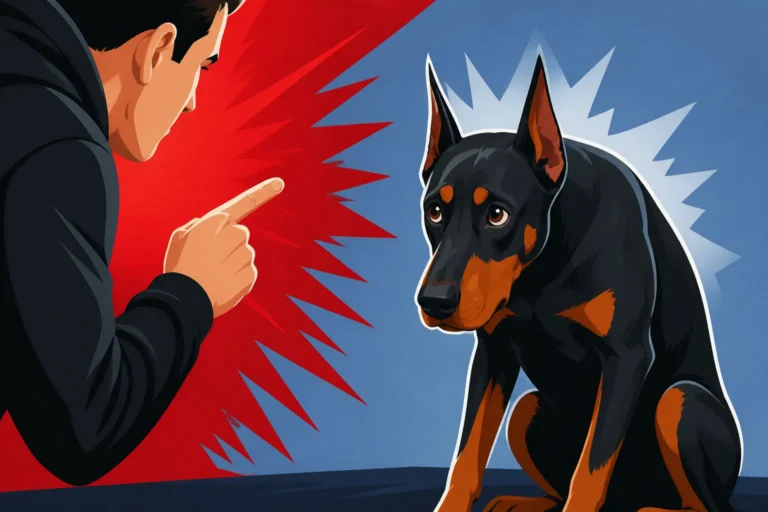
It’s tempting, in the heat of the moment, to resort to shouting, leash corrections, or other punitive measures when your Doberman lunges. After all, it's embarrassing and frustrating, and you just want the behavior to stop. However, using force or punishment with a reactive Doberman is almost always counterproductive and can be incredibly damaging. For a fearful dog, punishment only confirms their belief that the world (and other dogs) is a scary place, and you, their protector, are also a source of pain. This can lead to an escalation of fear-based aggression or a shutdown. Why Yelling Shuts a Doberman Down is particularly relevant here; they are sensitive dogs who respond best to clear, calm, and positive guidance.
For a frustrated or over-excited dog, punishment might suppress the outward display (the barking and lunging), but it doesn't change the underlying emotion. The dog is still frustrated or excited, but now they're also afraid of your reaction. This can lead to what's called a "silent react"—a dog that suddenly bites or snaps without the usual warning signs, because they've learned that warning signs get them into trouble. Tools like prong collars or e-collars (electronic collars) fall into this category of punitive tools. While some trainers advocate for them, for a reactive Doberman, they carry significant risks of increasing fear, anxiety, and potentially aggression. Whether an E-Collar Belongs on a Doberman is a highly debated topic, but for reactivity, most positive reinforcement trainers would strongly advise against it. You want to build trust and positive associations, not fear and suppression. A Doberman that has been harshly corrected might become A Doberman That Freezes When Corrected, shutting down instead of learning.
| Approach / Tool | Description | Pros | Cons | Best For |
|---|---|---|---|---|
| Front-Clip Harness | Harness with leash attachment on the chest. | Redirects pulling, prevents throat pressure, generally comfortable. | Can sometimes chafe, may not stop all pulling, dog can still lunge. | Most Dobermans, especially those with pulling issues or mild reactivity. |
| Head Halter | Straps around muzzle and behind ears, allows steering of the head. | Excellent control, prevents strong pulling and jumping. | Requires positive introduction, some dogs dislike the muzzle pressure. | Strong Dobermans, those needing precise control, good for fear-based reactivity. |
| "Look at That" Game | Rewarding dog for calmly looking at a trigger, then looking back at owner. | Changes emotional response, builds positive association, humane. | Requires patience and consistency, takes time, can be slow progress. | All forms of reactivity (fear, frustration, excitement). |
| Avoidance/Distance | Keeping dog below threshold by creating space from triggers. | Immediate stress reduction for dog and owner, prevents practice. | Doesn't solve the problem, requires vigilance, limits walking areas. | Initial management phase for all reactive Dobermans. |
| Professional Trainer | Guidance from a certified, experienced professional. | Tailored plan, expert advice, accelerated progress, safety. | Cost, finding the right trainer can be challenging. | Any Doberman with significant or escalating reactivity. |
| Muzzle Training | Positively conditioning dog to wear a basket muzzle. | Enhances safety, allows continued training in public. | Requires specific training, public perception can be negative. | Dobermans with aggressive tendencies or high bite risk. |
Dealing with a Doberman that lunges at passing dogs is a journey, not a destination. It's a testament to your commitment to your Doberman that you're seeking to understand and help them. Remember to be kind to yourself, too. You're doing important work that will ultimately lead to a happier, more confident Doberman and many more enjoyable walks together.
Disclaimer
This article is for general informational purposes only and does not constitute professional advice. Laws, prices and regulations vary by location and change over time. Consult a qualified professional for guidance on your specific situation.