Whether Sport Makes a Doberman More Dangerous
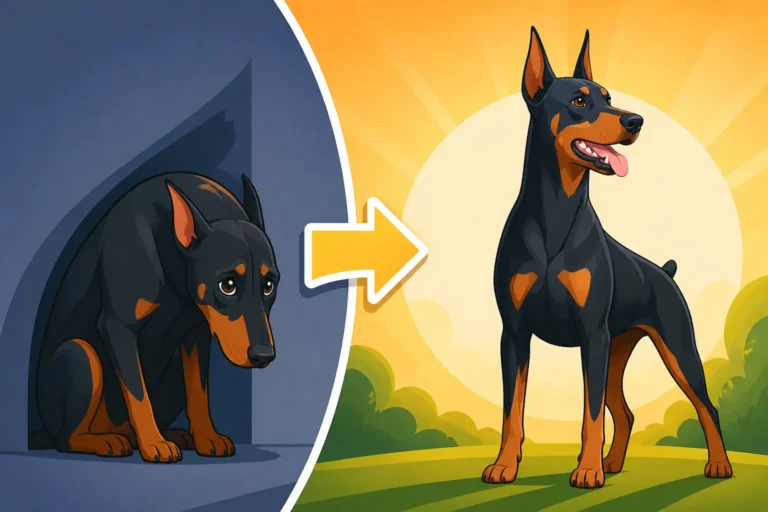
It's a really common fear, isn't it? Many Doberman owners, or those considering bringing one of these magnificent dogs into their lives, worry that engaging in high-level working sports might somehow turn their beloved companion into a ticking time bomb, making them more aggressive or dangerous. This guide aims to tackle that worry head-on, exploring the reality of what sport training truly means for a Doberman's temperament and public perception.
Understanding Doberman Sport Training: More Than Just "Attack Work"
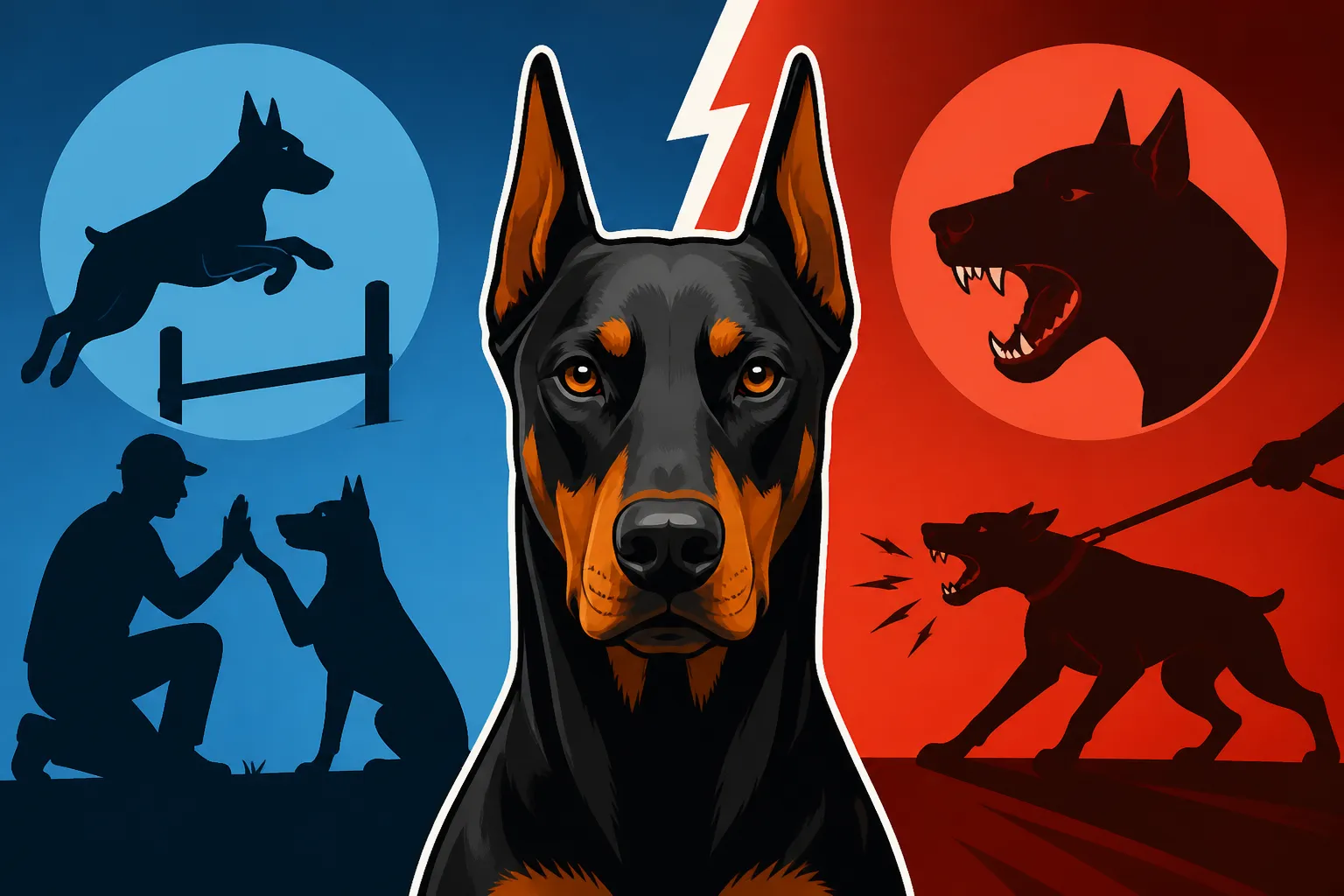
When most people hear "Doberman" and "sport," their minds often jump straight to images of highly trained police or military dogs, or perhaps protection sports that involve a dog biting a padded sleeve. And while protection work is indeed one facet of Doberman sports, it’s far from the whole picture, and often entirely misunderstood. The vast majority of dog sports, including those popular with Dobermans, are about much more than aggression; they’re about control, partnership, focus, and channeling natural instincts.
The Diverse World of Doberman Sports
Dobermans, with their incredible intelligence, athletic prowess, and strong desire to work alongside their human partners, excel in a wide array of canine activities. These aren't just about showing off; they're vital outlets for a breed that thrives on having a job to do.
Think about it: a Doberman that’s bored or under-stimulated is far more likely to develop behavioral issues than one whose physical and mental needs are consistently met. Sport training provides that vital stimulation in a structured, controlled environment. We’re talking about things like competitive obedience, where precision and immediate response to commands are paramount. Then there's agility, which demands incredible coordination, speed, and trust between dog and handler as they navigate obstacle courses. Nose work, or scent detection, taps into their incredible olfactory abilities, giving them a mentally exhausting and rewarding task. Even rally obedience, which is a bit more relaxed than traditional obedience, requires dogs to perform a series of exercises at different stations, always under the handler's guidance. These are all sports that build a stronger, more responsive, and more confident dog, not a more dangerous one. The Working Sports a Doberman Was Built For delves deeper into these activities.
The Misconception of Protection Sports
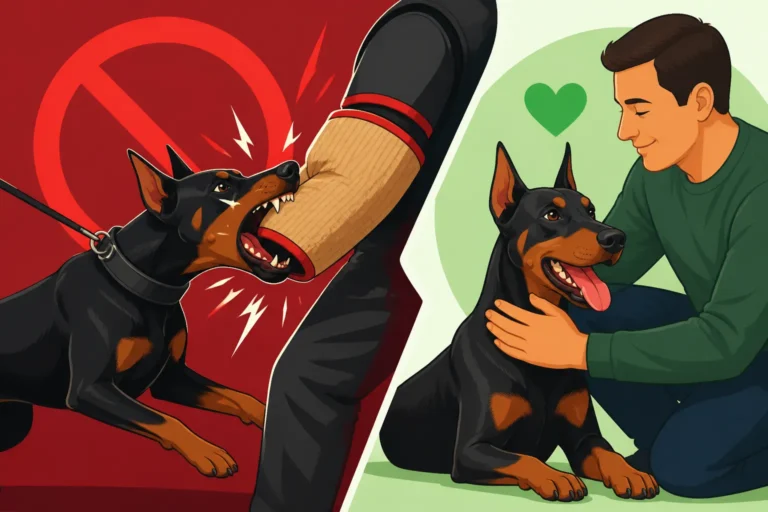
Now, let's talk about the elephant in the room: protection sports, often referred to as Schutzhund, IPO, or IGP. It’s easy to look at a Doberman engaging in bite work and assume the dog is being trained to be vicious or uncontrolled. This couldn't be further from the truth. Responsible protection sport training is highly specialized and focuses intensely on control and discernment.
A well-trained protection dog isn't just a dog that bites; it's a dog that understands precisely when to engage, how to engage, and most critically, when and how to disengage on command. The "bad guy" (decoys in padded suits) is part of a game, a carefully choreographed exercise designed to test the dog's courage, nerves, and obedience under pressure, all while remaining entirely under the handler's direction. It builds a dog's confidence and problem-solving skills, and its ability to respond to its handler even when highly aroused. The goal is always a dog that is stable, clear-headed, and trustworthy in everyday life, not one that is unpredictable or aggressive. What Protection Sport Involves for a Doberman covers this in more detail. In fact, many trainers would argue that a poorly trained, unmanaged dog with a natural guarding instinct is far more dangerous than a highly controlled, sport-trained Doberman.
Why the "Dangerous" Label Sticks to Sport-Trained Dobermans
It’s frustrating, isn't it? You pour your heart and soul into training your Doberman, providing them with mental and physical enrichment, and yet, the moment someone sees a video of a Doberman on a sleeve or hears you mention "protection sport," a look of apprehension often crosses their face. This perception is rooted in a few common misunderstandings and societal narratives that have unfortunately plagued the Doberman breed for decades.
Media Portrayals and Stereotypes
Let's be honest, Hollywood hasn't done the Doberman any favors. For years, Dobermans have been typecast in movies and TV shows as the villain's loyal, snarling henchman – aggressive, relentless, and always on the attack. These dramatic portrayals, while entertaining fiction, have deeply ingrained a stereotype in the public consciousness that Dobermans are inherently dangerous, especially if "trained for attack."
The reality of a Doberman in a sport context is very different from these sensationalized images. There's no maniacal glint in their eye, no uncontrolled frenzy. Instead, you see intense focus, precise movements, and a dog working in sync with its handler. Yet, the old stereotypes persist, making it hard for people to separate fact from fiction. It's a battle many Doberman owners face daily, simply trying to demonstrate that their well-adjusted, loving dog is nothing like the terrifying beasts on screen. This public perception can be a real challenge to navigate, especially when trying to advocate for the breed.
Confusing Natural Instinct with Trained Aggression
Dobermans were originally bred to be guardians, right? The Tax Collector Who Invented the Doberman needed a fearless companion for his rounds, so a certain level of natural guarding instinct is part of their DNA. This instinct often manifests as alertness, watchfulness, and a strong protective drive towards their family and home. When strangers interpret this natural vigilance, especially from a powerful-looking dog, as aggression, it's easy to see how misunderstandings arise.
However, there's a world of difference between a dog acting on raw, untrained instinct and one performing a highly conditioned behavior under strict control. Responsible sport training, especially in protection work, doesn't create aggression; it channels and refines an existing drive. It teaches the dog a highly specific set of rules for engagement and disengagement, ensuring that their protective instincts are used appropriately and only on command, rather than reacting haphazardly to every perceived threat. Without proper training and socialization, that natural guarding instinct can indeed "tip over" into problematic behavior, which is why early and consistent guidance is crucial. Doberman Guarding Instinct and Where It Tips Over is an important read on this topic.
How Sport Training Actually Builds a Better, Safer Doberman
It might sound counterintuitive to some, but far from making a Doberman more dangerous, proper and responsible sport training actually contributes to a more stable, confident, and ultimately, safer companion. The key word here is "proper" – not all training is created equal, and finding the right guidance is paramount.
Structure, Discipline, and Mental Engagement
One of the most profound benefits of sport training is the immense amount of structure and discipline it brings to a Doberman's life. These dogs are incredibly intelligent; Training a Doberman That Is Smarter Than You Expect is no exaggeration! They crave mental challenges and thrive on having a routine and clear expectations. Sport training provides this in spades.
Think of it like this: a Doberman learning a complex obedience routine isn't just learning to sit or stay; they're learning to focus under distraction, to think through sequences, and to maintain composure even when excited. This mental workout is just as important, if not more so, than the physical exertion. It means a Doberman is less likely to become bored, anxious, or destructive, behaviors that can certainly lead to problems in a home environment. A dog that is mentally stimulated and understands boundaries is a dog that is far more settled and less prone to reacting impulsively in everyday situations. This kind of mental engagement also builds incredible problem-solving skills that make a Doberman a more thoughtful and adaptable companion. Puzzle toys, readily available on platforms like Amazon, are a great way to start building this mental muscle even before sport training begins.
Enhanced Confidence and Impulse Control
A common misconception is that aggressive dogs are confident. In reality, true confidence in a dog leads to stability, not reactivity. Many dogs that display fear-based aggression do so because they lack confidence and feel the need to defend themselves. Sport training, when done correctly with positive reinforcement and clear guidance, actively builds a Doberman's self-assurance.
As a Doberman successfully navigates agility courses, masters obedience routines, or performs precise protection work, they gain a huge boost in confidence. They learn they can handle new situations, overcome challenges, and rely on their handler's cues. This isn't confidence that leads to arrogance; it's confidence that leads to composure. Alongside this, sport training is an intensive course in impulse control. Whether it’s waiting for a release cue before tackling an obstacle or holding a "send out" command in obedience, Dobermans learn to manage their excitement and channel their energy productively. This means a dog that's better able to control its impulses in public, around other dogs, or when guests come to the door – all crucial aspects of a truly safe dog.
The Deepening Bond and Communication
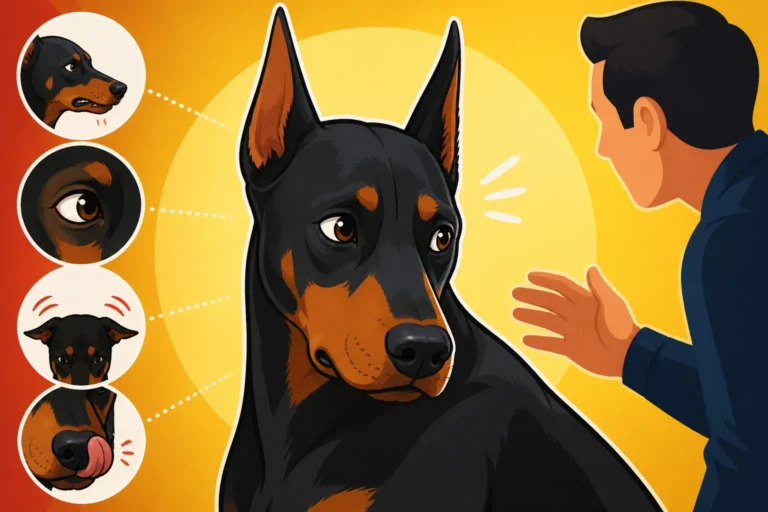
Perhaps the most understated benefit of participating in dog sports with your Doberman is the incredible strengthening of the bond between dog and handler. These activities require intense teamwork, clear communication, and mutual trust. You learn to read your Doberman’s subtle cues, and they learn to anticipate yours.
This isn't just about commands; it's about a shared experience, working towards a common goal. This deepened bond means your Doberman is more attuned to you, more willing to listen, and more eager to please in all aspects of life, not just on the training field. This strong partnership is the ultimate safety net. A Doberman that views you as a trusted leader and partner, and who understands your expectations through clear communication, is always going to be a safer and more reliable dog. Online training platforms like BAXTER & Bella can even help you lay the foundation for this kind of partnership from puppyhood, building strong communication skills early on.
Here's a quick comparison of common perceptions versus the reality of a responsibly sport-trained Doberman:
| Feature | Common Misconception | Reality of Responsible Sport Training |
|---|---|---|
| Danger Level | Increases aggression; makes dog unpredictable. | Channels natural drives; enhances control and predictability. |
| Temperament | Becomes "attack dog"; meaner. | Builds confidence, stability, and composure. Reduces anxiety. |
| Public Behavior | More reactive; likely to bite. | Teaches impulse control, focus, and responsiveness to handler. |
| Home Behavior | More demanding; harder to live with. | Provides mental/physical outlet; leads to a calmer, more settled dog. |
| Handler Relationship | Dog becomes independent; less reliant on owner. | Deepens bond, communication, and mutual trust. Strengthens partnership. |
Mitigating Risks and Ensuring Safety: Beyond the Sport Itself
Even with all the benefits of sport training, responsible Doberman ownership requires ongoing diligence and a clear understanding that no dog is ever truly "set and forget." Whether your Doberman is a couch potato or a world-class athlete, the core principles of safety remain the same.
The Importance of a Balanced Training Approach
Sport training should never exist in a vacuum. It needs to be part of a holistic, balanced approach to your Doberman's development. This means combining the intense focus of sport with consistent real-world socialization and foundational obedience. Your Doberman needs to be just as comfortable calmly greeting a new person in the park as they are executing a perfect send-out on the field.
Think about it: a dog that can perform amazing feats in a controlled environment but melts down at the vet's office or lunges at other dogs on leash isn't a truly balanced dog. It's about building a well-rounded companion. This also means understanding your individual Doberman. Some Dobermans might have an easier time with certain aspects of training than others. Always work with your dog's temperament, not against it, to Build a Doberman Puppy That Is Confident, Not Sharp. Don't push a shy dog into situations that overwhelm them, and conversely, don't allow an overly boisterous dog to run roughshod over boundaries.
Continued Socialization and Exposure
One of the biggest mistakes an owner can make, especially with a powerful breed like the Doberman, is to isolate them. Even if your Doberman is engaged in high-level sport, regular, positive exposure to a variety of people, places, sounds, and other dogs is non-negotiable.
This doesn't mean chaotic dog park visits, especially if your Doberman isn't a huge fan of other dogs. Instead, it means controlled exposures: walks in busy urban areas, quiet trips to pet-friendly stores (if appropriate), calm interactions with trusted friends and their well-behaved dogs. It’s about teaching your Doberman that the world is generally a safe and interesting place, not something to be constantly guarded against. Proper socialization from a young age is key to preventing reactivity and fear-based behaviors. Exposing a Doberman Puppy to Strangers should be a priority for every Doberman owner.
Choosing the Right Trainer and Club
This point cannot be stressed enough: the trainer and club you choose for any type of Doberman sport, especially protection work, are absolutely critical. A poor trainer can indeed foster negative behaviors and create a dangerous dog, regardless of the sport. Look for trainers who prioritize control, safety, and a dog's overall well-being above all else.
A good trainer will emphasize positive reinforcement, clear communication, and a deep understanding of canine behavior. They should be able to articulate their philosophy and show you examples of well-adjusted dogs they've trained. They should also be transparent about the goals of the training and how it contributes to a balanced family pet. Beware of anyone who encourages aggression, harsh corrections, or training methods that seem to intimidate or frighten your dog. Do your homework, ask for references, and observe sessions before committing. Finding a Trainer Who Has Worked With Dobermans is essential to ensuring a safe and rewarding experience for both you and your Doberman. The right guidance ensures that any protective drive is developed responsibly and never tips into unmanageable territory.
Ultimately, the inherent danger of a Doberman, whether sport-trained or not, lies less in the breed's potential and more in the hands of its owner. A Doberman, given proper training, socialization, and a loving, consistent home, is a loyal and devoted companion. Sport training, when done responsibly, only enhances these wonderful qualities, producing a highly capable, confident, and well-behaved member of society.
Disclaimer
This article is for general informational purposes only and does not constitute professional advice. Laws, prices and regulations vary by location and change over time. Consult a qualified professional for guidance on your specific situation.