Skin and Coat Care for a Blue or Fawn Doberman
If you’ve ever found yourself staring at your beautiful blue or fawn Doberman, admiring their unique coat color one minute, and then panicking over a sudden patch of thinning hair or flaky skin the next, you are absolutely not alone. The delicate nature of dilute Doberman coats presents a set of frustrating and often heartbreaking challenges that can leave even the most dedicated owner feeling lost. This comprehensive guide will walk you through everything you need to know about understanding, managing, and loving your dilute Doberman’s special skin and coat.
Understanding the Unique Challenges of Blue and Fawn Doberman Coats
Bringing home a blue or fawn Doberman is an exciting experience. Their unique, striking coloration is undeniably beautiful, setting them apart from the more common black or red Dobermans. However, with this beauty often comes a predisposition to specific dermatological issues that are crucial for owners to understand. These aren't just cosmetic quirks; they are rooted in the very genetics that give them their distinctive hues. It can be incredibly frustrating to discover that the very trait you admire also brings a host of potential health battles.
The Genetic Basis of Color Dilution Alopecia (CDA)
The primary antagonist in the story of dilute Doberman coats is a genetic condition known as Color Dilution Alopecia, or CDA. It’s important to understand right from the start that CDA isn't some random flaw; it's a direct, albeit unfortunate, consequence of the gene responsible for diluting a Doberman's base color from black to blue, or from red to fawn. You didn't ask for this problem when you fell in love with their gorgeous coloring, but it's part of the package.
At a cellular level, the faulty gene in dilute Dobermans causes the pigment granules, known as melanin, to clump together irregularly within the hair shaft. Instead of being evenly distributed, like tiny, uniform sprinkles, they form large, uneven clusters. This isn't just about how the color looks; it's about the structural integrity of the hair itself. These pigment clumps create weak points along the length of each hair.
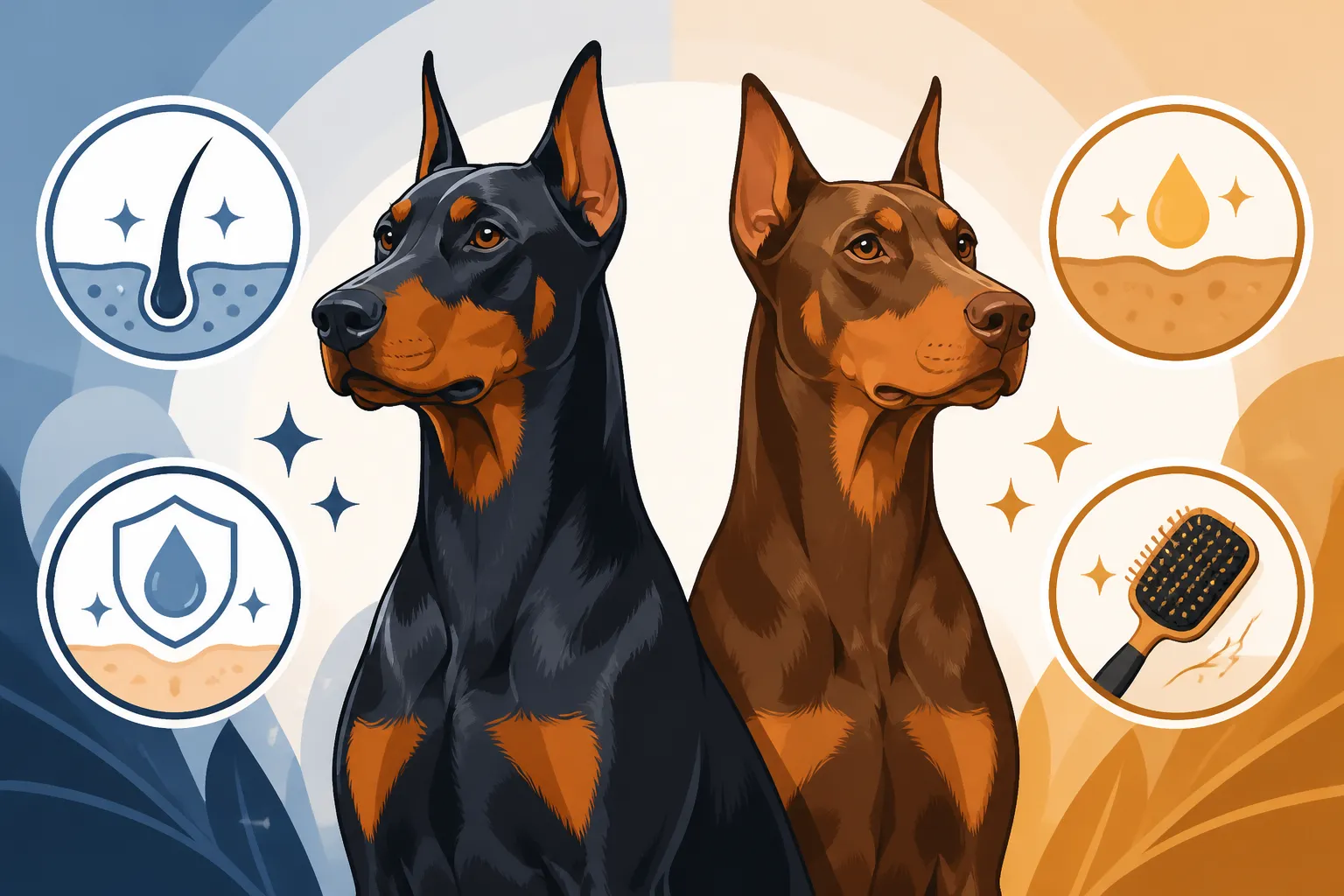
Because blue and fawn Dobermans are essentially genetically diluted versions of black and red, they are inherently more susceptible to this condition. A blue Doberman is a dilute black, and a fawn Doberman is a dilute red. The very genetic mechanism that gives them their lovely soft coloring is the same one that predisposes their hair shafts to become fragile and eventually break or fall out. It’s a bitter irony for owners who adore these colors.
While not every single blue or fawn Doberman will develop severe, widespread hair loss, they all carry the risk, and many will show some degree of thinning or fragility. CDA exists on a spectrum, from subtle, barely noticeable thinning to extensive baldness. This variability makes it particularly challenging for new owners to identify and understand, often leading to confusion and delayed intervention. Understanding this genetic predisposition is the first step in providing the best possible care for your unique companion. You can learn more about this specific condition in Color Dilution Alopecia in Blue and Fawn Dobermans.
Why Blue and Fawn Coats Are Inherently More Fragile
Expanding on the genetic basis, the irregular clumping of pigment granules within the hair shaft makes the hair inherently fragile. Imagine a chain where some links are robust and well-formed, while others are stretched thin and unevenly forged. That's essentially what happens with the hair of a dilute Doberman. These structurally compromised hairs are brittle and significantly more prone to breakage than the evenly pigmented hairs of a black or red Doberman. The constant struggle against this inherent fragility is a daily battle for owners, requiring extra vigilance and gentleness.
This increased fragility has a cascade of consequences. The hair easily snaps, often without much provocation, leading to diffuse thinning or noticeable bald patches. It’s not just normal shedding where old hairs are replaced by new, strong ones. Instead, the hair struggles to grow to its full length, often breaking before it reaches maturity, and the follicles themselves can become damaged over time, making regrowth difficult or impossible. This means your Doberman isn't just "losing" hair; their hair production system is fundamentally compromised.
Compare this to the strong, resilient coat of a black or red Doberman, where the uniform pigment allows for robust hair growth that can withstand normal wear and tear. Their coats have a natural shine and density that dilute coats often struggle to maintain. This contrast highlights that the issues with blue and fawn coats aren't due to poor care, but rather an inherent, genetic predisposition that no amount of perfect grooming can entirely overcome.
Furthermore, the skin accompanying these fragile coats is often also more sensitive. It can be drier, more prone to flaking, and less resilient to environmental irritants and infections. This means that caring for a dilute Doberman isn't just about hair; it's about managing a delicate skin ecosystem that requires a holistic approach. Owners often feel a deep sense of frustration, knowing they’re doing their best, yet their dog’s coat still struggles.
Common Misconceptions About Dilute Doberman Coats
One of the biggest hurdles dilute Doberman owners face is a barrage of misconceptions, often from well-meaning but uninformed sources. A common myth is that dilute coats are "just fine" or that CDA is a rare, obscure condition. This couldn't be further from the truth. While some dilute Dobermans may show minimal signs, CDA is a widespread and significant issue within these color lines, often minimized or dismissed by those who haven't experienced it firsthand. This can leave owners feeling isolated and unsupported when they see their dog's coat deteriorating.
Another prevalent misconception is that a "miracle shampoo" or a "special diet" can completely cure CDA. While targeted grooming products and nutritional support can absolutely help manage the symptoms and improve skin health, they cannot fix the underlying genetic issue. This can lead to false hope, wasted money on countless products, and ultimately, disappointment when the hair loss continues. It’s important to manage expectations and understand that management, not cure, is the goal.
Some people also mistakenly believe that responsible breeders can entirely avoid CDA. While ethical breeders rigorously health test and strive to produce the healthiest dogs possible, the dilution gene is pervasive, and even carefully bred lines can produce puppies that develop CDA, sometimes unexpectedly. It’s a complex genetic puzzle, and the widespread nature of the gene means it can manifest even with careful planning. This isn't to say all breeders are equal – always ask to see health clearances and understand a breeder's approach to dilute colors – but rather to highlight the inherent challenges.
Finally, there’s a misunderstanding that the "blue" or "fawn" color itself is the problem. It’s more accurate to say that the dilution gene that creates these colors is linked to the coat fragility. These colors are beautiful, and owning a dilute Doberman can be an incredibly rewarding experience. The key is understanding the genetic realities and committing to the specific care their unique coats demand. This knowledge empowers owners to provide realistic and effective care, rather than chasing elusive "cures." If you're considering a dilute Doberman, reading Whether to Buy a Blue Doberman At All might offer further perspective.
Recognizing the Early Signs of Coat and Skin Issues
Catching skin and coat problems early in a blue or fawn Doberman can make a world of difference in managing the condition and maintaining your dog's comfort. It's often not a sudden onset of baldness, but rather a gradual deterioration that can be easy to overlook if you're not specifically looking for it. As a Doberman owner, you become attuned to every nuance of your dog's appearance, and for dilute coats, this attentiveness is crucial.
Subtle Changes in Coat Texture and Luster
Before you see any obvious bald patches, you might start noticing changes in your Doberman's coat texture and its natural shine. The sleek, almost reflective quality that Dobermans are known for might begin to diminish. Their coat can start to look dull, lacking its usual vibrant luster, almost as if it's perpetually dusty even after a fresh bath. This can be incredibly subtle, easily dismissed as just "dry weather" or a trick of the light, but it’s often one of the very first indicators something is amiss.
The texture itself can also shift. Instead of feeling smooth and silky to the touch, you might find certain areas, particularly along the back, flanks, or neck, becoming coarser, rougher, or even a bit wiry. Running your hand over their body might reveal areas that feel different, less uniform than their healthy coat. This change in tactile quality is a direct result of the weakened hair shafts and the irregular pigment clumping.
You might also notice a slight thinning of the hair that isn't yet full-blown hair loss. This is like a fading photograph, where the image is still there but less vibrant. The skin might become more visible through the coat, especially when your Doberman moves or stretches, exposing areas that were previously covered. This isn't a bald spot, but a clear sign of reduced density.
Pay extra close attention to any increased shedding you observe. While Dobermans do shed, a dilute Doberman experiencing early CDA symptoms might shed an unusual amount of very fine, broken hairs. These aren't long, healthy hairs, but short, brittle fragments that seem to collect everywhere, from your sofa to their bedding. This excessive breakage is a key clue that their coat is becoming compromised.
Identifying Hair Loss Patterns and Breakage
Once the subtle changes start, identifying specific patterns of hair loss and breakage becomes critical. In dilute Dobermans, hair loss often begins on the back, along the spine, and on the sides of the body, sometimes extending to the outer thighs. It's rarely symmetrical at first, which can make it look a bit patchy and uneven, leading owners to wonder if it's just a localized issue rather than a systemic one.
A hallmark of CDA is that the hair often breaks off rather than falling out cleanly from the follicle. This leaves behind short, stubbly bits of hair in the affected areas, or very fine, brittle strands that are easily dislodged. If you gently run your fingers through a thinning area and notice small, broken hairs coming away easily, or if you see these tiny fragments on their bedding, it’s a strong indicator of the condition. Hair Loss on a Blue Doberman is a related article that delves into this further.
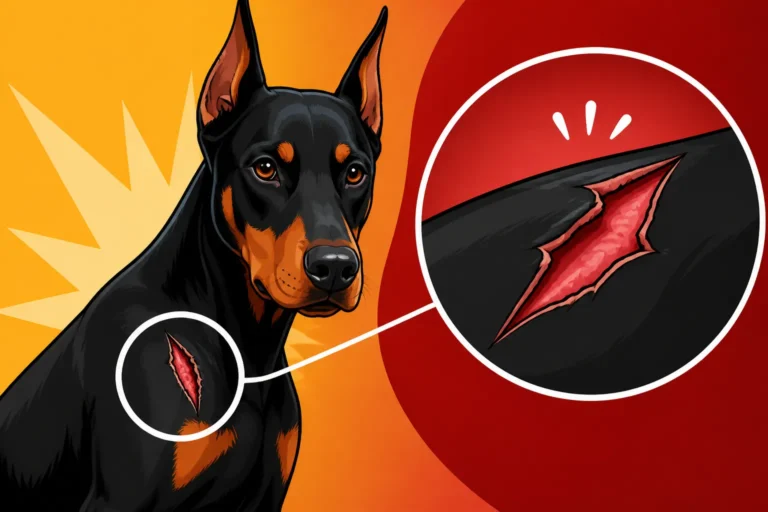
As the condition progresses, these thinning patches can become completely devoid of hair, leaving smooth, exposed skin. These bald spots are not only concerning visually but also render the skin underneath highly vulnerable to external factors like sunburn and environmental irritants. It's a sad sight for any owner who prides themselves on their Doberman's striking appearance.
While CDA can manifest at any age, it most commonly becomes noticeable between six months and three years of age, though some Dobermans may not show significant signs until much later in life. Early detection is vital, as it allows for the implementation of management strategies sooner, potentially slowing the progression and mitigating discomfort. Keep an eye out for these tell-tale signs, and if you have a fawn Doberman, How Common Coat Loss Is in Fawn Dobermans might provide additional context.
Spotting Skin Irritation and Secondary Infections
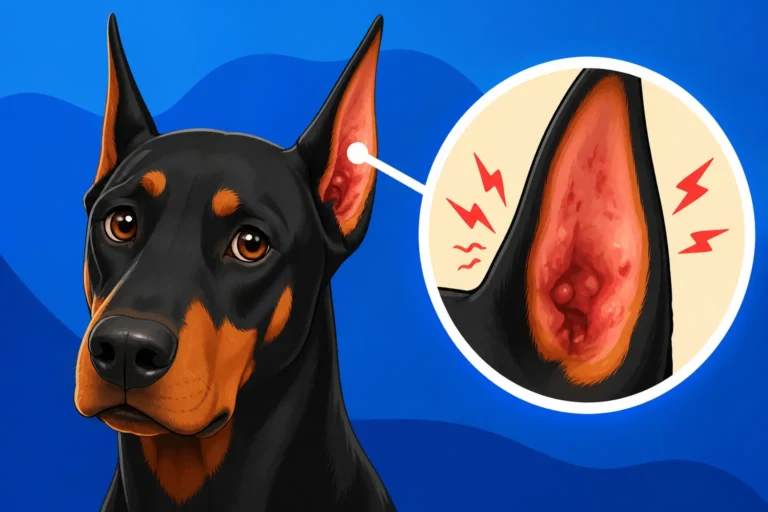
The exposed and fragile skin that accompanies hair loss in dilute Dobermans is not just prone to sun damage; it's also highly susceptible to irritation and secondary infections. This means you need to look beyond just the hair itself and examine the skin underneath. You might notice redness, a persistent pinkish hue in the thinning areas, or distinct flakiness, similar to dandruff, which indicates dryness and irritation. Sometimes, the skin might even feel a bit greasy to the touch, which can be a sign of yeast overgrowth.
Because the skin's natural barrier is compromised, it becomes an inviting environment for opportunistic bacteria and yeast to flourish. These secondary infections are incredibly common and can greatly exacerbate your Doberman's discomfort. Look for small red bumps, pustules (tiny pimples), scabs, or a strong, sometimes sweet or yeasty, odor emanating from the affected skin. These are all signs that an infection is taking hold and needs attention. Skin Infections in a Bald Doberman provides detailed information on this.
Itching is another significant symptom to watch for. If your Doberman is constantly scratching, licking, or rubbing themselves against furniture, it's a clear signal that their skin is uncomfortable. Excessive scratching can lead to further trauma to the already delicate skin, creating a vicious cycle of irritation and self-mutilation. Don't dismiss a little scratch here and there; investigate thoroughly.
In chronic cases of inflammation or infection, you might observe a darkening and thickening of the skin, a condition known as hyperpigmentation and lichenification. This indicates a long-standing issue and signifies that the skin has undergone significant changes in response to persistent irritation. Seeing these signs means it's definitely time to consult your veterinarian to get an accurate diagnosis and a tailored treatment plan.
Daily Grooming Routines for Delicate Dilute Coats
When you have a blue or fawn Doberman, "grooming" takes on a whole new meaning. It's not just about aesthetics; it's a critical part of managing their skin and coat health. The wrong approach can cause more harm than good, exacerbating their already delicate situation. Consistency and gentleness are your watchwords when establishing a daily routine for these special coats.
Gentle Brushing Techniques to Minimize Breakage
For a dilute Doberman, brushing is a delicate dance. While regular brushing is important for removing loose hair, stimulating circulation, and distributing natural oils, harsh tools or aggressive techniques can actually cause more breakage and irritate sensitive skin. Forget those intense de-shedding rakes or stiff wire brushes; they are absolutely not suitable for a fragile dilute coat and will only tear out more precious hair.
Instead, opt for tools designed for sensitive skin and fine hair. Soft-bristled brushes, rubber grooming mitts, or even a simple damp microfiber cloth are your best friends. The goal isn't to pull out hair, but to gently whisk away shedding strands and promote healthy skin. Many owners find good, gentle brushes available on platforms like Amazon that are perfect for this task.
When brushing, use short, light strokes, always moving in the direction of hair growth. Avoid pressing down too hard or repeatedly going over the same spot, which can cause friction and irritation. If your Doberman has any very fine, wispy hair that might develop tiny mats – though rare in Dobermans, it can happen – gently work them out with your fingers rather than trying to brush through them forcefully. Patience is key here.
Make brushing a positive and calming experience for your Doberman. Incorporate treats, gentle praise, and soft words. This not only makes the routine easier for both of you but also helps your Doberman associate grooming with comfort and affection. A relaxed dog is less likely to squirm, which further minimizes the risk of accidental hair pulling or skin irritation. Consistency in this gentle approach will go a long way in preserving what coat your Doberman has.
Choosing the Right Shampoo and Conditioner for Sensitive Skin
The choice of shampoo and conditioner for your dilute Doberman is paramount – arguably the most crucial aspect of their grooming routine. Their sensitive skin and fragile hair cannot tolerate the harsh chemicals, strong detergents, and artificial fragrances found in many standard dog shampoos. These ingredients will strip away essential natural oils, leading to excessive dryness, itching, and further irritation.
When selecting products, look for terms like "hypoallergenic," "for sensitive skin," or "oatmeal-based." Ingredients such as aloe vera, colloidal oatmeal, and ceramides can be incredibly soothing and hydrating. Avoid anything with sulfates, parabens, harsh dyes, or strong perfumes. Your veterinarian might even recommend specific medicated shampoos if your Doberman is prone to skin infections or severe dryness. Online pet supply retailers like Chewy often have a wide selection of gentle, veterinary-recommended shampoos specifically formulated for sensitive canine skin. You can find more targeted advice in Shampoo That Helps a Bald Doberman.
Always follow up with a high-quality, hydrating conditioner. Conditioning is not just about making the coat soft; it helps to seal moisture into the hair shaft and skin, providing an extra layer of protection. Look for leave-in conditioners or those designed to be left on for a few minutes before rinsing thoroughly. Applying conditioner liberally and allowing it to penetrate can significantly improve skin hydration and hair resilience.
The frequency of bathing should also be carefully considered. Too frequent bathing can strip natural oils, while too infrequent can allow the buildup of allergens, dirt, and yeast or bacteria. For most dilute Dobermans, a bath every 2 to 4 weeks is a good starting point, but this can vary based on their individual needs, activity level, and any specific skin conditions they might be managing. Always consult your vet for personalized advice on bathing frequency and product recommendations.
The Importance of Thorough Drying and Avoiding Harsh Heat
After a gentle bath, the drying process for a dilute Doberman is just as important as the washing itself. Vigorous towel rubbing can be too harsh, causing friction that damages fragile hair and irritates sensitive skin. Instead, gently pat your Doberman dry with soft, absorbent towels. Take your time, absorbing as much moisture as possible without harsh scrubbing.
If you choose to use a hairdryer, it is imperative to use it on the coolest or lowest heat setting. High heat can strip moisture from the skin, exacerbate dryness, and further damage the already delicate hair follicles. Always keep the dryer moving, never concentrating it on one spot for too long, and hold it at a safe distance from your Doberman's skin. The goal is gentle drying, not rapid, intense heat exposure.
Ensuring your Doberman is completely dry is crucial, especially before they go outside, particularly in cooler temperatures. Leaving a dilute Doberman damp can lead to chilling due to their lack of undercoat, and prolonged moisture on the skin can create an ideal breeding ground for bacterial and fungal infections. You want their skin and coat to be dry and comfortable, preventing any unnecessary complications.
For Dobermans with significant thinning or bald patches, air drying in a warm, draft-free room might be the safest and most comfortable option. You can continue to periodically pat them with a clean, dry towel to aid the process. Patience during drying prevents damage and contributes significantly to their overall skin health, completing the gentle grooming cycle. For a complete approach, consider reading Daily Skin Routine for a Thinning Blue Doberman.
Nutritional Support for Healthy Skin and Coat
While external care is vital, what goes into your Doberman's body is just as, if not more, important for managing their delicate skin and coat. Nutrition provides the building blocks for healthy cells, supports immune function, and helps maintain the skin's natural barrier. For blue and fawn Dobermans, who face inherent challenges, a well-thought-out diet can make a significant difference in their comfort and appearance.
Essential Fatty Acids: Omega-3s and Omega-6s
When it comes to skin and coat health, essential fatty acids are truly foundational, especially for dilute Dobermans prone to irritation and fragility. Specifically, Omega-3s and Omega-6s are non-negotiable components of a diet aimed at supporting healthy skin. These are "essential" because your Doberman's body cannot produce them on its own and must obtain them through diet.
Omega-3 fatty acids, commonly found in fish oil (like salmon, sardine, or anchovy oil) and flaxseed oil, are powerful natural anti-inflammatories. For a Doberman with sensitive, irritated skin, Omega-3s can significantly help in calming inflammation, reducing redness, and alleviating persistent itching. They work to modulate the body’s inflammatory responses, providing a soothing effect from the inside out.
Omega-6 fatty acids, prevalent in sources like poultry fat, vegetable oils (such as sunflower or safflower oil), are crucial for maintaining skin hydration and the structural integrity of the skin barrier. They help keep the skin supple and prevent excessive moisture loss, which is a common issue in dry, compromised dilute coats. The key is not just a high amount of Omega-6s, but a proper balance between Omega-3 and Omega-6 fatty acids. Too much Omega-6 without adequate Omega-3 can actually promote inflammation.
Many owners find adding a high-quality fish oil supplement to their Doberman's diet to be incredibly beneficial. When choosing a supplement, look for purity and potency, and always discuss appropriate dosing with your veterinarian. They can help you determine the right amount based on your Doberman's weight and specific condition. Remember, supplements complement a balanced diet; they aren't a replacement for quality food. You can learn more about these in Omega Oils for a Doberman With Coat Loss.
The Role of Vitamins and Minerals in Skin Health
Beyond the essential fatty acids, a robust intake of specific vitamins and minerals is equally crucial for maintaining skin and coat vitality in dilute Dobermans. These micronutrients play diverse roles in cellular repair, immune function, and the overall health of the dermal layers. If your Doberman's diet is lacking in these areas, you'll often see it reflected in their skin and coat.
Zinc, for instance, is a powerhouse mineral vital for countless enzymatic reactions in the body, including those involved in cellular repair, immune system function, and wound healing. It's a critical component for maintaining the integrity of the skin barrier and supporting healthy hair growth. Deficiencies in zinc can manifest as poor coat quality, skin lesions, and impaired immune responses.
Vitamins A, E, and C are potent antioxidants that serve as protective shields for skin cells, defending them against damage from environmental stressors and free radicals. Vitamin A plays a role in skin cell turnover and oil gland function, while Vitamin E is often lauded for its direct skin-nourishing properties, helping to maintain suppleness and elasticity. Vitamin C supports collagen production, a structural protein important for skin strength.
Biotin, a B vitamin, is frequently included in skin and coat-specific supplements because of its integral role in the production of keratin, the primary protein that constitutes hair, skin, and nails. While biotin isn't a miraculous cure for CDA, ensuring adequate levels can help support overall hair strength and skin health, potentially improving the quality of the fragile hair produced by affected follicles. As with all supplements, consult your vet before adding them to your Doberman's regimen.
Considering Specialized Diets and Supplements
Given the inherent challenges of dilute Doberman coats, some owners find immense value in exploring specialized diets and targeted supplements. These options can provide a nutritional edge, going beyond the basics to specifically address skin sensitivity and coat fragility. It’s not about finding a magic bullet, but rather optimizing every possible input for your Doberman's well-being.
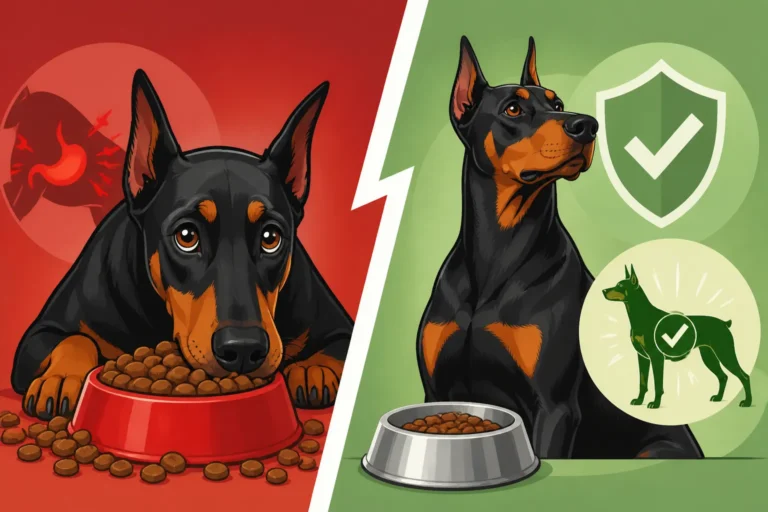
Many veterinarians might recommend specialized prescription diets formulated for skin sensitivities. These diets are typically designed with novel proteins (e.g., duck, venison, or hydrolyzed proteins) to reduce potential allergic reactions, highly digestible carbohydrates, and optimized levels of skin-supporting nutrients like essential fatty acids, zinc, and B vitamins. The idea is to minimize any dietary triggers while maximizing nutritional support for the skin barrier.
"Limited ingredient" diets (LIDs) are another avenue, particularly if you suspect your Doberman might have food sensitivities contributing to their skin irritation. By reducing the number of ingredients, it becomes easier to pinpoint potential allergens. While less common for primary CDA, food sensitivities can certainly exacerbate existing skin issues, making LIDs a valuable diagnostic and management tool. Always introduce new foods slowly over several days to avoid digestive upset.
For owners looking for fresh food options, services like Ollie provide carefully prepared, human-grade meals that can be a great choice. These diets are often free from the common fillers, artificial preservatives, and by-products found in some kibbles, offering easily digestible and nutrient-dense meals. For dilute Dobermans, the bioavailability of nutrients from fresh food can sometimes translate to better skin and coat health, though it's important to monitor their response closely.
Before making any drastic changes to your Doberman's diet or adding new supplements, a conversation with your veterinarian is essential. They can help assess your dog's current health status, rule out other conditions, and guide you toward the most appropriate nutritional plan. They might even recommend specific blood tests to check for nutrient deficiencies or underlying health issues that could be impacting skin and coat health.
| Nutrient Category | Key Benefits for Dilute Dobermans | Common Dietary Sources |
|---|---|---|
| Omega-3 Fatty Acids | Anti-inflammatory, reduce itching, support skin barrier | Fish oil (salmon, sardine), flaxseed oil |
| Omega-6 Fatty Acids | Maintain skin hydration, skin barrier integrity | Poultry fat, vegetable oils (sunflower) |
| Zinc | Cellular repair, immune function, healthy hair growth | Red meat, poultry, fortified kibble |
| Vitamin A | Skin cell turnover, oil gland function | Liver, sweet potatoes, carrots |
| Vitamin E | Antioxidant, skin nourishment, elasticity | Vegetable oils, leafy greens, nuts |
| Biotin (Vitamin B7) | Keratin production, hair strength | Egg yolks, liver, sweet potatoes |
Environmental Factors and Protection Strategies
Even with the best genetic makeup and an impeccable diet, a Doberman's skin and coat are constantly interacting with their environment. For blue and fawn Dobermans, whose coats are already compromised, environmental factors can either be a boon or a major bane. Proactive protection strategies are not just helpful; they are absolutely essential to minimize irritation and maintain comfort.
Sun Protection for Exposed Skin
For dilute Dobermans, especially those with thinning or bald patches, sun exposure isn't just a concern for aesthetic reasons; it poses a serious health risk. Their delicate, exposed skin is highly susceptible to sunburn, just like human skin. Unlike their black or red counterparts, who have more protective pigment, dilute Dobermans lack this natural defense, making them vulnerable to the sun's harsh UV rays.
Sunburn on a Doberman can lead to pain, redness, peeling, and further damage to the skin barrier. More gravely, chronic or severe sun exposure can increase their risk of developing skin cancers over time, including squamous cell carcinoma or melanoma. This is a crucial area where prevention is far better than reaction, and requires owners to be diligent about limiting exposure.
To protect your Doberman, consider applying dog-specific sunscreen to vulnerable areas. These include the bridge of their nose, the tips of their ears, their belly, and any existing bald or thinly coated patches. It is vital to use only sunscreens formulated for dogs, as human sunscreens often contain zinc oxide or para-aminobenzoic acid (PABA), which can be toxic if ingested by dogs. Many pet-safe options are available on online retailers like Chewy or Amazon.
Beyond sunscreen, limiting direct sun exposure during peak UV hours (typically 10 am to 4 pm) is paramount. If your Doberman enjoys outdoor time, ensure they have ample access to shade. Additionally, consider protective clothing, such as lightweight, breathable UV-blocking shirts or vests. These garments provide a physical barrier against the sun's rays and are especially useful during walks or extended outdoor play sessions. Proper Sun Protection for a Thin-Coated Doberman is a non-negotiable part of their care.
Managing Environmental Allergens and Irritants
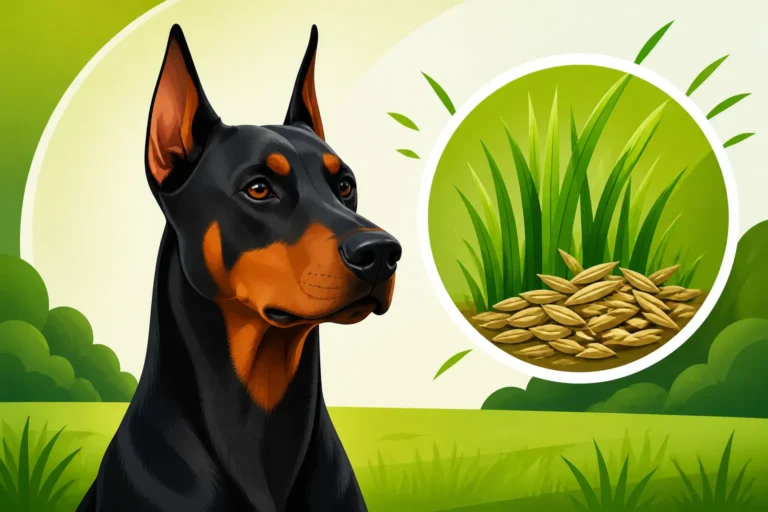
Dilute Dobermans often have more sensitive skin across the board, making them potentially more reactive to common environmental allergens and irritants. These can include anything from pollen and dust mites to specific grasses or household cleaning products. While not directly causing CDA, these irritants can significantly exacerbate existing skin fragility, leading to increased itching, redness, and a higher risk of secondary infections.
Within your home, regular cleaning is your ally. Frequent vacuuming, especially if your Doberman spends time on carpets or upholstered furniture, can significantly reduce the build-up of dust mites and other indoor allergens. Washing their bedding regularly in a gentle, unscented detergent is also crucial, as their sleeping areas can become reservoirs for irritants. Using an air purifier can also contribute to a cleaner, less irritating indoor environment for sensitive dogs.
After outdoor adventures, particularly during allergy seasons or if your Doberman has rolled in unfamiliar vegetation, consider wiping down their coat and paws with a damp cloth or a pet-safe wipe. This simple step can remove pollen, dust, and other irritants before they have a chance to settle on the skin and trigger a reaction.
If you suspect environmental allergies are playing a significant role in your Doberman's discomfort, a veterinary consultation is vital. Your vet might suggest allergy testing (either blood tests or intradermal skin tests) to pinpoint specific allergens. Management strategies can range from prescribed antihistamines and fatty acid supplements to more advanced immunotherapies or specialized allergy medications, all aimed at reducing your Doberman's reactivity and improving their quality of life.
Temperature Extremes and Their Impact on Dilute Coats
Dobermans, in general, are known for their sleek, short coats and lack of a thick undercoat, making them sensitive to temperature extremes. However, dilute Dobermans with thinning or compromised coats are even more vulnerable to both cold and heat. Their natural insulation is diminished, requiring extra consideration from their owners.
In cold weather, a dilute Doberman loses body heat much more rapidly than a typical dog. This isn't just about feeling a bit chilly; prolonged exposure can lead to hypothermia, discomfort, and increased energy expenditure to stay warm. A high-quality, insulated dog coat or sweater becomes a necessity, not just a fashion statement, for walks, outdoor potty breaks, and any time spent outside when temperatures drop. Ensure the coat provides good coverage over their chest and belly, as these areas are particularly exposed.
Conversely, while their thin coat might seem advantageous in hot weather, their delicate skin presents its own set of challenges. The thinning or bald patches are highly susceptible to sunburn, as discussed earlier. Furthermore, Dobermans are still a deep-chested breed and, like all dogs, can overheat. Always provide ample shade, ensure constant access to fresh, cool water, and avoid strenuous exercise during the hottest parts of the day to prevent heatstroke.
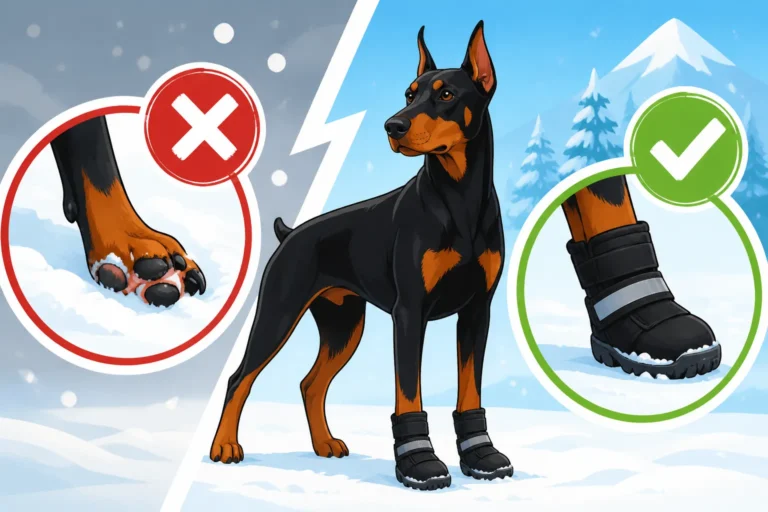
Beyond body temperature, extreme temperatures can also directly impact skin health. Very dry, cold air can exacerbate skin dryness and flakiness, while excessive heat and humidity can contribute to yeast or bacterial overgrowth in skin folds or compromised areas. Protecting their paw pads from hot pavement in summer and icy, salted sidewalks in winter is also crucial. Dog booties can offer an excellent solution, providing a barrier against both irritating substances and temperature extremes. Creating a stable, temperature-controlled indoor environment is always the best baseline for your dilute Doberman's comfort.
Addressing Specific Skin Conditions Beyond CDA
While Color Dilution Alopecia (CDA) is a primary concern for blue and fawn Dobermans, their sensitive skin can predispose them to other common dermatological issues. Understanding how to address these alongside CDA management is crucial for their overall comfort and health. It’s never just one thing; their delicate system can be a magnet for various skin woes.
Dealing with Dry Skin and Dandruff
Dry, flaky skin and dandruff are frustratingly common complaints among Doberman owners, and even more so for those with dilute-coated individuals. This isn't just an unsightly cosmetic problem; it can cause significant discomfort for your Doberman, leading to itching and a dull, unhealthy-looking coat. The compromised skin barrier associated with CDA often makes them more prone to this.
The first line of defense against dry skin and dandruff is a multi-pronged approach to hydration. Internally, ensuring your Doberman is well-hydrated through their diet and always has access to fresh water is key. Externally, the choice of moisturizing shampoos and conditioners, as discussed earlier, plays a crucial role. Avoid over-bathing, which can strip natural oils, and always use lukewarm water to prevent further drying of the skin.
Regular, gentle brushing with a soft brush or grooming mitt helps to stimulate the skin's natural oil production and distribute these oils evenly across the coat. This natural lubrication is vital for preventing dryness. During dry winter months, or in arid climates, consider using a humidifier in your home. This can add much-needed moisture to the air, benefiting not only your Doberman's skin but likely your own as well.
If dry skin and dandruff persist despite your best efforts, it's time for a vet visit. Your veterinarian can recommend medicated shampoos specifically designed to rehydrate the skin and control flaking. Sometimes, persistent dandruff can also be a symptom of underlying health issues like hypothyroidism, so a vet check-up can help rule out other causes and ensure a comprehensive approach. For more context, Flaky Skin Along a Doberman's Back might offer additional insights.
Managing Bacterial and Fungal Infections
The compromised skin barrier and fragile coat of dilute Dobermans make them highly susceptible to secondary bacterial infections (pyoderma) and fungal infections (often yeast or ringworm). These aren't pleasant to deal with and can cause intense itching, discomfort, and a worsening of their overall skin condition. You might notice tell-tale signs like red bumps, pustules (small pus-filled lesions), scabs, areas of hair loss, or a distinct, often greasy and yeasty, odor coming from their skin.
These secondary infections almost always require veterinary intervention. Your vet will likely want to examine your Doberman, possibly take skin scrapes or cultures to identify the specific pathogen, and then prescribe appropriate medications. This often involves oral antibiotics for bacterial infections or oral antifungals for yeast or ringworm, typically administered for several weeks.
Alongside oral medications, topical treatments are usually prescribed. This could include medicated shampoos, antiseptic sprays, or creams that are applied directly to the affected areas. It is absolutely crucial to follow your vet's instructions precisely, completing the full course of treatment even if the visible symptoms seem to improve quickly. Stopping treatment too soon can lead to a recurrence of the infection and can contribute to antibiotic resistance, making future treatments more challenging.
Preventing these infections in the first place hinges on diligent skin care. Maintaining good hygiene through appropriate bathing, regular gentle grooming, and providing a supportive, skin-healthy diet can significantly reduce the likelihood of these opportunistic pathogens taking hold. Addressing any underlying allergies or primary skin irritations is also key, as these often open the door for secondary infections. You can dive deeper into this topic with Skin Infections in a Bald Doberman.
When to Seek Veterinary Dermatologist Advice
While your regular family veterinarian is an invaluable resource for general pet health, there are times when a specialist’s expertise is truly warranted, especially when dealing with the complex skin issues of a dilute Doberman. If your Doberman's skin problems are chronic, stubbornly recurring, severe, or simply aren't responding to conventional treatments, it's a clear signal that a referral to a veterinary dermatologist might be the best course of action.
A veterinary dermatologist is a highly specialized professional who has undergone extensive additional training in diagnosing and treating complex skin, ear, and nail conditions. They possess advanced diagnostic tools and a depth of knowledge that goes beyond what a general practitioner can offer. They can perform specialized tests such as skin biopsies for histopathology, advanced allergy testing, in-depth cultures, and hormonal assays to precisely pinpoint the root cause of your Doberman's persistent skin woes.
These specialists can also offer cutting-edge treatment options and management plans that might not be available or familiar to a general vet. This can include novel medications, targeted immunotherapies, or highly individualized long-term management strategies tailored to your Doberman's unique genetic predispositions and symptomatic presentations. Their expertise can uncover nuances missed in a general examination.
It’s important to remember that seeking a specialist isn't a reflection of failing as an owner or a dismissal of your regular vet's abilities. Rather, it demonstrates your commitment to providing the best possible care for your Doberman, ensuring they receive the most expert attention available for their challenging condition. It can be an investment, but often, the clearer diagnosis and more effective treatment plans lead to a much better quality of life for your beloved companion. For more on treatment options, see Whether Coat Loss in a Doberman Can Be Treated.
Long-Term Management and Living Happily with a Dilute Doberman
Living with a blue or fawn Doberman, especially one prone to skin and coat issues, is a journey of continuous learning, adaptation, and unwavering dedication. It requires understanding that this is a marathon, not a sprint, and that long-term management is about creating a life of comfort and happiness for your unique companion. It’s a testament to the special bond you share, transcending any cosmetic challenges.
Creating a Comfortable and Low-Stress Environment
A dilute Doberman's sensitive skin and fragile coat aren't merely physical challenges; they can significantly impact their overall comfort and well-being. Therefore, thoughtfully creating a supportive and low-stress living environment is paramount. Every aspect of their surroundings should be considered to minimize potential irritants and maximize their physical ease.
Start with their sleeping arrangements. Provide soft, generously cushioned bedding that can be easily washed and kept clean. Avoid allowing them to lie for extended periods on rough surfaces, hard floors, or abrasive outdoor materials, as this can cause friction, pressure sores, and further hair thinning in vulnerable areas. Online retailers like Chewy and Amazon offer excellent orthopedic and soft beds that cater to a Doberman's lean frame.
Maintaining a consistent, comfortable indoor temperature is also vital. Protect your Doberman from drafts in winter, which can cause chilling for their minimally insulated coats. Conversely, ensure they have cool, shaded areas in summer to prevent overheating and sunburn on exposed skin. A stable home environment helps prevent skin flare-ups and reduces the physiological stress that temperature fluctuations can induce.
Beyond the physical, a calm and low-stress home life plays a significant role in overall health, including skin health. Stress can sometimes exacerbate existing skin conditions, leading to increased itching or reactivity. Ensure your Doberman has a predictable routine, plenty of positive interaction, and a safe, quiet space to retreat to if they feel overwhelmed. A happy, mentally content Doberman is often a physically healthier Doberman.
Regular Vet Check-ups and Proactive Care
For dilute Dobermans, regular veterinary check-ups become even more critical than for other dogs. Your veterinarian is your primary partner in managing their unique skin and coat challenges, and consistent monitoring allows for early detection of issues, timely intervention, and adjustments to their ongoing care plan as needed. Don't wait until a problem becomes severe to seek professional advice.
It's vital to openly discuss any changes you observe, no matter how minor they may seem. A slight increase in scratching, a new patch of flakiness, or a subtle change in coat texture could be an early warning sign of an impending flare-up or a new problem. Early intervention for skin irritation or a budding infection can prevent it from escalating into a more severe, painful, and difficult-to-treat condition.
Proactive care for a dilute Doberman involves consistent adherence to all aspects of their management plan: diligent grooming routines, carefully chosen dietary recommendations, and any prescribed supplements or medications. This means maintaining the routine even when their coat looks relatively good, as consistency is key to preventing setbacks. It’s about being one step ahead of potential problems.
Remember that conditions like Color Dilution Alopecia in Blue and Fawn Dobermans are chronic. There is no cure, only management. This makes the journey with your dilute Doberman a marathon, not a sprint. A strong, communicative partnership with your veterinarian, built on trust and mutual understanding, is your absolute best asset in navigating these challenges and ensuring your Doberman lives the most comfortable and healthy life possible. Investing in this proactive care is a true act of love.
Embracing Your Doberman's Unique Beauty
It’s easy to become consumed by the practical challenges of managing a dilute Doberman’s coat – the endless quest for the right shampoo, the vigilance against new bald patches, the worry about skin infections. However, it’s absolutely vital to step back and remember that their beautiful blue or fawn coloring is part of what makes them distinct and, to many, incredibly special. Their unique aesthetic is precisely what drew you to them in the first place.
While their coat might not always conform to the ideal of perfect density or unbroken sleekness, their spirit, unwavering loyalty, intelligence, and loving nature are what truly define a Doberman. Focus on their overall health, happiness, and well-being, rather than becoming overly fixated on their outward appearance. A Doberman with a slight bald patch is no less magnificent or deserving of love than one with a flawless black coat.
When questions or comments arise from others about your Doberman's coat, use it as an opportunity to educate rather than feeling defensive. Many people simply aren't aware of CDA or the specific needs of dilute-colored dogs. By calmly explaining the genetic basis and the diligent care you provide, you can help spread awareness and challenge misconceptions, ensuring people understand that a blue or fawn Doberman is still a magnificent companion, albeit one with a few special requirements. Whether a Blue Doberman Costs More to Keep is often a part of this conversation.
Ultimately, celebrate your Doberman for exactly who they are – a unique individual with an extraordinary presence. The extra care and attention their coat may require is a testament to your dedication and commitment as an owner. The profound bond you forge with your dilute Doberman, nurtured through thoughtful care and unconditional love, is truly something special and far outweighs any cosmetic imperfections. They are beautiful because they are yours.
Disclaimer
This article is for general informational purposes only and does not constitute professional advice. Laws, prices and regulations vary by location and change over time. Consult a qualified professional for guidance on your specific situation.