Feeding an Old Doberman That Is Losing Muscle
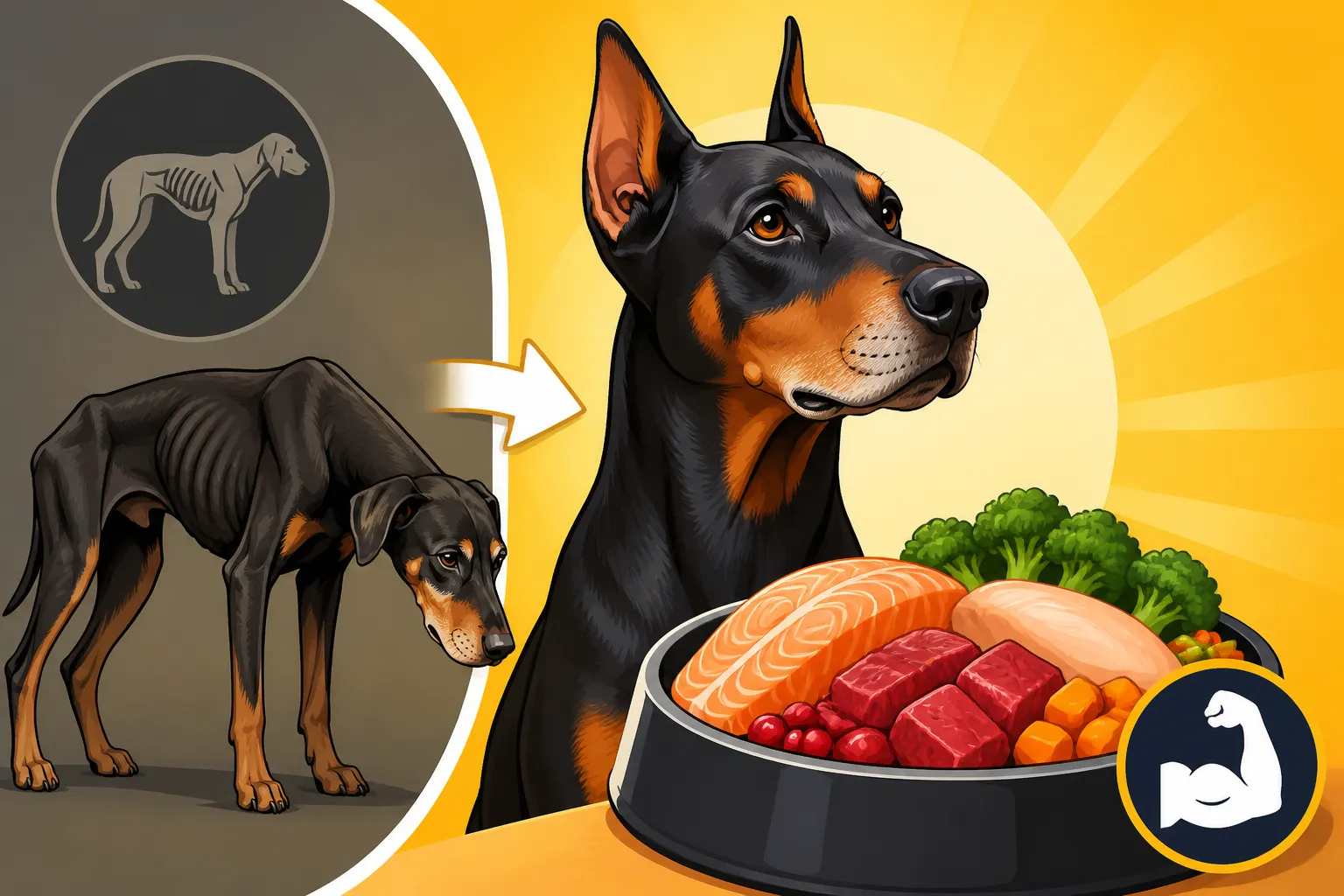
Watching your beloved Doberman start to lose that sleek, muscular definition as they enter their golden years can be incredibly disheartening. You remember the powerful, agile dog they once were, and seeing them thin out, with bony hips and prominent ribs, can make you worry you're doing something wrong. This guide is here to help you understand why this happens and what practical steps you can take to adjust their diet and care to support their strength and vitality for as long as possible.
Understanding Muscle Loss in Senior Dobermans
It's a tough reality that as our Dobermans age, their bodies go through changes, and one of the most visible is the loss of muscle mass, medically known as sarcopenia. This isn't just about them looking a little less "beefy" than in their prime; it impacts their overall mobility, balance, and quality of life. For a breed as naturally lean and athletic as the Doberman, these changes can be particularly noticeable and sometimes alarming.
The Natural Process of Canine Sarcopenia
Sarcopenia is a natural, progressive, and generalized skeletal muscle disorder characterized by the accelerated loss of muscle mass and function with aging. It's not just a Doberman thing; it happens in all older dogs, but it can be more pronounced in breeds with naturally lower body fat and high muscle mass. Imagine your Doberman's body becoming less efficient at maintaining and rebuilding muscle tissue. Even if they're eating well, their system just isn't processing proteins in the same way it used to, and the rate of muscle breakdown starts to exceed the rate of muscle synthesis. This is often an insidious process, starting subtly and progressing over time, making it hard to pinpoint exactly when it began.
One of the frustrating things about sarcopenia is that it often occurs even when your Doberman isn't suffering from any other obvious illness. It’s simply a part of getting older. You might notice them having a bit more trouble getting up from a lying position, or they might struggle with stairs that were once no problem. Their hindquarters might start to look a little weaker or less filled out. This isn't a reflection of your care, but rather the biological clock ticking for their muscles. Recognizing this as a normal part of aging helps us approach it with understanding and a proactive mindset, rather than self-blame.
When Underlying Health Issues Contribute
While sarcopenia is a natural part of aging, it's crucial to distinguish it from muscle loss caused by underlying health conditions. Sometimes, a sudden or excessive loss of muscle can be a red flag that something else is going on. Conditions like osteoarthritis, which makes movement painful and reduces activity, can exacerbate muscle atrophy. An older Doberman struggling with joint pain might naturally move less, leading to faster muscle loss. Similarly, chronic diseases such as kidney disease, liver disease, or even certain cancers can significantly impact a dog's metabolism and lead to wasting. Cancer Types That Reach Dobermans is a good read if you're concerned about broader health issues.
It's also worth considering metabolic disorders like hypothyroidism, which can cause lethargy and weight changes that might mask or contribute to muscle loss. Even dental issues can play a role; if your Doberman's teeth are sore, they might not be eating enough, leading to overall weight and muscle loss. This is why regular veterinary check-ups are so important for older dogs. Your vet can help rule out these other causes and ensure that what you're observing is indeed age-related sarcopenia, or if there's a treatable condition influencing their muscle mass. Don't hesitate to mention specific concerns about muscle loss during their annual exam or Screening an Older Doberman More Often.
Dietary Adjustments for Senior Doberman Muscle Support
Once you've ruled out significant underlying health issues, focusing on optimizing your senior Doberman's diet becomes paramount. Their nutritional needs shift as they age, and simply feeding them the same food they ate in their prime might not be enough to combat muscle loss. It’s about more than just calories; it’s about the quality and composition of those calories.
Prioritizing High-Quality Protein
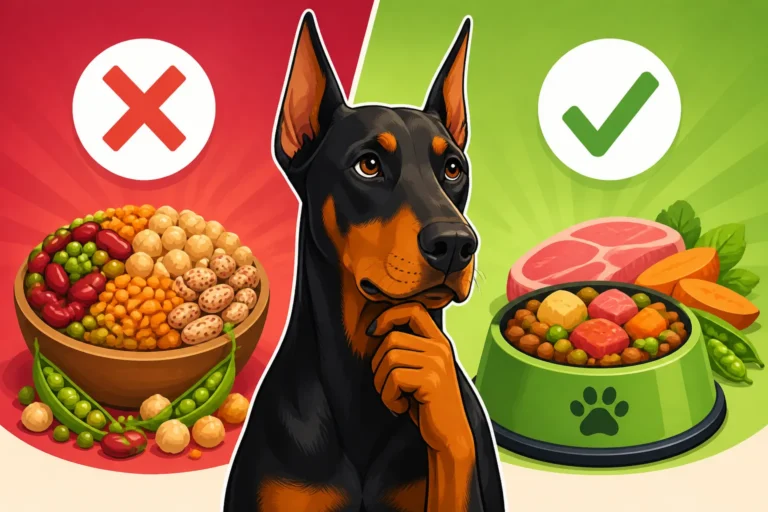
The most critical dietary adjustment for an aging Doberman losing muscle is to ensure they are getting enough high-quality protein. Many senior dog foods on the market actually reduce protein content, often based on outdated concerns about kidney health. However, recent research suggests that healthy senior dogs actually need more protein than younger adults to maintain muscle mass. Think about it: their bodies are less efficient at utilizing protein, so they need a higher intake to compensate.
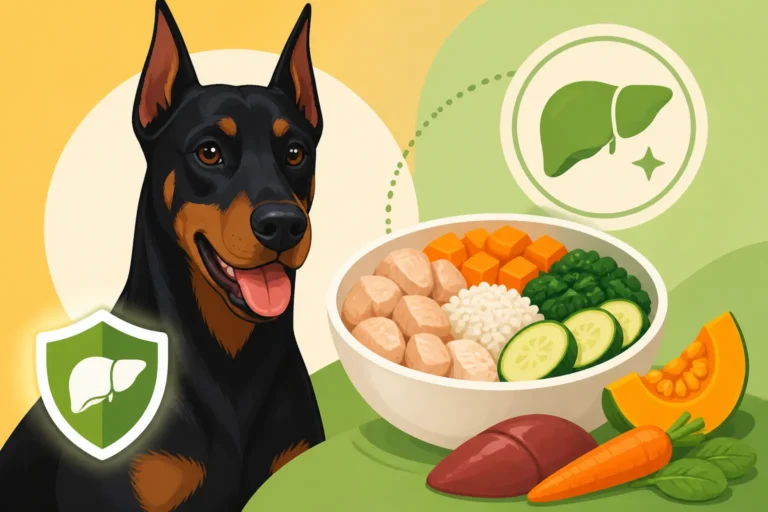
Aim for a diet where protein makes up a significant portion of the calories. Look for foods with at least 25-30% crude protein on a dry matter basis, and even higher can be beneficial for a Doberman with significant muscle loss, provided their kidneys are healthy. More importantly, focus on the source of that protein. Highly digestible animal proteins like chicken, turkey, beef, lamb, and fish are ideal. These provide a complete amino acid profile, which is essential for muscle repair and synthesis. If you're using kibble, check the ingredient list to ensure a named meat source is one of the first few ingredients. Some owners find that fresh or gently cooked food options, like those offered by companies such as Ollie, can be excellent for senior Dobermans because they often use whole, human-grade ingredients that are highly palatable and digestible, which can be a huge bonus if your Doberman's appetite isn't what it used to be.
Balancing Fats and Carbohydrates for Energy
While protein takes center stage, don't neglect healthy fats and easily digestible carbohydrates. Your senior Doberman still needs energy, and these macronutrients provide it. Fats are concentrated sources of energy and are important for nutrient absorption and overall health. Aim for moderate levels of healthy fats, such as those found in fish oil (rich in Omega-3 fatty acids), chicken fat, or flaxseed. These fats also contribute to skin and coat health, which can sometimes look dull as dogs age. Omega Oils for a Doberman With Coat Loss can give you more insights here.
Carbohydrates should be easily digestible to minimize stress on their aging digestive system. Ingredients like sweet potatoes, rice, and oats are generally well-tolerated and provide sustained energy without causing digestive upset. Avoid foods heavy in corn, soy, or wheat if your Doberman shows any signs of sensitivity, as these can sometimes be harder for older systems to process. The goal is to provide sufficient calories to prevent further weight loss, but in a form that's easy on their system. An older Doberman might also benefit from having their daily food ration split into smaller, more frequent meals, say three times a day instead of two, to aid digestion and nutrient absorption. This also helps with Meal Timing on a Deep-Narrow Doberman Chest to potentially reduce bloat risk.
Supplements to Support Muscle and Joint Health
Beyond the core diet, certain supplements can offer additional support for your senior Doberman's muscle and joint health. These aren't magic bullets, but they can definitely help create a more supportive internal environment.
- Creatine: While often associated with human bodybuilding, creatine can play a role in supporting muscle mass and function in dogs by aiding energy production in muscle cells. Discuss this with your vet, as dosage is key.
- L-Carnitine and Taurine: These amino acids are often discussed in relation to Doberman heart health, but L-Carnitine also plays a role in fat metabolism and energy production, which can indirectly support muscle function. Taurine and Carnitine in a Doberman Diet delves deeper into their benefits. Given the Doberman's predisposition to certain heart conditions, ensuring adequate levels of these is always a good idea. Many high-quality senior diets will fortify with these, but you might consider additional supplementation if your vet recommends it.
- Omega-3 Fatty Acids: Fish oil, rich in EPA and DHA, is a powerhouse for reducing inflammation throughout the body, including in joints and muscles. Reduced inflammation means less pain and discomfort, encouraging more movement, which in turn helps maintain muscle. It also supports cognitive function, which can decline in older dogs. You can find excellent quality fish oil supplements on platforms like Amazon or Chewy.
- Glucosamine and Chondroitin: These are staples for joint support, and healthy joints are critical for an active senior Doberman. If moving is painful, they won't use their muscles, leading to faster atrophy. Keeping their joints comfortable is a direct way to support muscle maintenance. Many senior dog foods include these, but separate supplementation often provides higher, more therapeutic doses.
Remember, always consult with your veterinarian before adding any new supplements to your Doberman's regimen, especially given their specific health profile and any medications they might be on.
Beyond the Bowl: Holistic Care for Aging Dobermans
While diet plays a monumental role in managing muscle loss, it’s not the only piece of the puzzle. A holistic approach that considers exercise, comfort, and regular veterinary oversight will give your senior Doberman the best chance at maintaining a good quality of life and muscle mass.
Gentle, Consistent Exercise
It might seem counterintuitive to talk about exercise when your Doberman is losing muscle, but appropriate, gentle exercise is absolutely vital. Muscles atrophy faster if they're not used. The key word here is "gentle." Forget the long, high-impact runs of their youth. Instead, think about shorter, more frequent walks on soft surfaces like grass, which are easier on their joints. Controlled leash walks are perfect. Swimming can also be a fantastic low-impact exercise that works muscles without stressing joints.
The goal isn't to build huge muscles, but to maintain existing muscle tone, improve circulation, and keep their joints mobile. Consider incorporating some simple physical therapy exercises at home, such as gentle stretches or controlled standing exercises. Even just encouraging them to stand and walk to their food bowl or out to the yard multiple times a day is beneficial. A consistent routine prevents muscles from wasting away from disuse. If your Doberman is stiff, even Stiffness in a Doberman That Used to Sprint can be managed with a combination of pain relief and adapted exercise.
Ensuring Comfort and Support
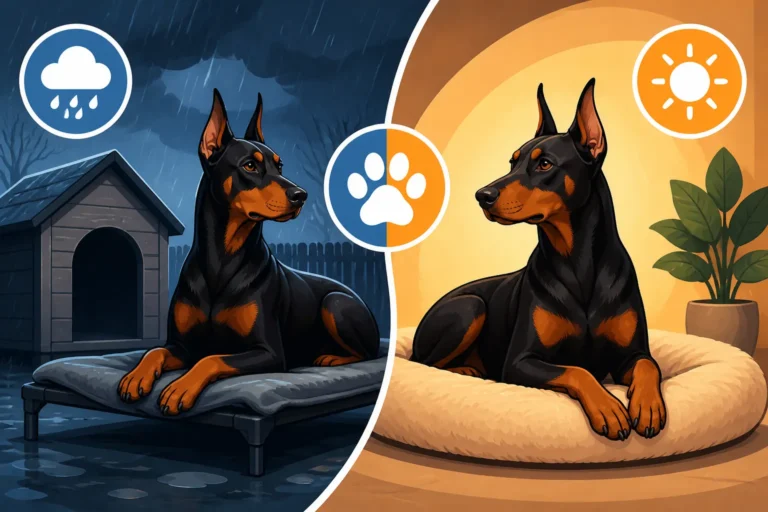
An aging Doberman, especially one losing muscle, will appreciate extra comfort measures around the house. Their leaner frame means less natural padding, so hard floors and thin beds can become quite uncomfortable, leading to pressure sores or reluctance to lie down. Invest in orthopedic beds with thick, supportive foam that distribute their weight evenly. You can find a wide range of supportive bedding options on Chewy or Amazon that are specifically designed for senior dogs. Bedding for an Old Doberman's Elbows is a crucial consideration to prevent calluses and discomfort.
Consider non-slip rugs on slick floors to help them gain traction and reduce the risk of slips and falls, which can cause injury and further deter movement. Ramps can be incredibly helpful for getting into and out of cars, or even onto furniture they once jumped onto with ease. For Dobermans struggling with hind-end weakness, a supportive harness with a handle over the hips can be invaluable for helping them up stairs or after a rest. Keeping them warm is also important, as their thin coats and reduced body fat make them more susceptible to cold. Winter Coats Sized for a Doberman can make a huge difference, especially during walks in colder weather.
Regular Veterinary Oversight and Screening
I can't stress this enough: regular veterinary check-ups are non-negotiable for a senior Doberman, especially if you're actively managing muscle loss. Your vet is your best partner in this journey. They can assess your Doberman's overall health, monitor for any developing conditions, and help you make informed decisions about diet and supplements. They might suggest blood work to check organ function, especially kidneys and liver, to ensure any dietary changes (like higher protein) are safe. Blood Panels Worth Running on an Old Doberman can catch issues early.
They can also evaluate your Doberman for pain, such as from arthritis, and prescribe appropriate pain management if needed. Managing pain is crucial because a dog in pain won't want to move, and lack of movement directly leads to muscle loss. Your vet can help you tailor an exercise plan, recommend specific physical therapy exercises, or even refer you to a canine rehabilitation specialist who can provide professional guidance and treatments like hydrotherapy or therapeutic laser. These professionals can be incredibly helpful in keeping your Doberman mobile and comfortable.
Monitoring Progress and Adapting the Plan
Helping an old Doberman manage muscle loss is an ongoing process, not a one-time fix. What works today might need slight adjustments in a few months, so keeping a watchful eye on your Doberman's condition and being ready to adapt is key.
Keeping a Watchful Eye on Weight and Body Condition
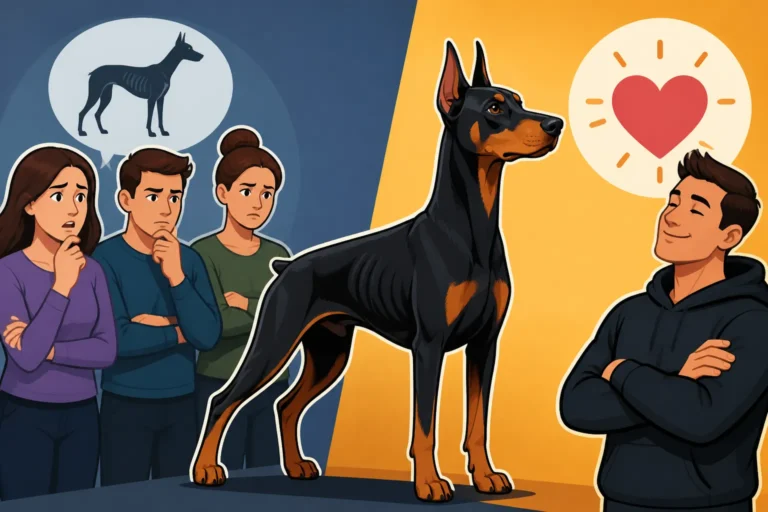
Regularly assessing your Doberman's body condition is essential. It's not just about the number on the scale, but how they look and feel. You should be able to easily feel their ribs, but not see them prominently. Their waist should still be tucked, and their spine should not be overly visible or bony. If you're struggling to accurately assess their condition, your vet can show you how to do a body condition score, which is a standardized way to evaluate their weight and muscle mass.
A consistent weekly or bi-weekly weigh-in at home can help you catch any significant weight drops early. If your Doberman is losing weight despite eating adequately, it's a clear signal to revisit your vet and potentially adjust their caloric intake or investigate further. Conversely, if they start to gain too much weight, it can put undue stress on their joints, so finding that sweet spot is crucial. Remember, The Waist a Doberman Should Show From Above is still important, even in old age.
Observing Mobility and Energy Levels
Beyond physical appearance, pay close attention to your Doberman's mobility and overall energy levels. Are they still eager for their walks? Are they struggling more with stairs or getting up? Do they tire faster than they used to on walks? These observations provide valuable clues about how your current plan is working. It's easy to dismiss subtle changes as "just old age," but sometimes these can indicate a need for a dietary tweak, a different supplement, or a pain management adjustment.
Consider keeping a small journal or using a simple app to track these observations over time. Noting down their daily activity, any struggles, and their general demeanor can help you identify trends and provide concrete information to your vet during visits. For instance, if you notice your Doberman A Doberman That Tires Faster Than It Used To, it might be time to discuss whether their diet needs more easily accessible energy or if an underlying issue is causing the fatigue. This proactive monitoring allows you to be an advocate for your Doberman's comfort and health.
Working With Your Veterinarian for Ongoing Support
Your veterinarian should be your most trusted resource throughout your Doberman's senior years. They can help you interpret changes, adjust medications, and fine-tune their nutritional plan. Don't be afraid to schedule follow-up appointments specifically to discuss their muscle loss and overall quality of life. They can recommend specific senior dog food brands or even formulate a home-cooked diet plan tailored to your Doberman's unique needs and any existing health conditions.
They can also guide you on specialist referrals, whether it's to a board-certified veterinary nutritionist to precisely dial in their diet, or a canine rehabilitation therapist for targeted physical exercise. Remember, a Doberman's lifespan is precious, and every effort you make in their senior years contributes to making those golden years as comfortable and joyful as possible. Deciding When a Doberman With DCM Has Had Enough or other difficult decisions are made easier when you have a strong veterinary partnership.
| Aspect | Younger Adult Doberman (2-6 years) | Senior Doberman (7+ years) |
|---|---|---|
| Protein Needs | Moderate to High (20-25% crude protein) | Higher (25-30%+, often more for sarcopenia) |
| Protein Source | Good quality animal protein | Highly digestible, premium animal protein |
| Fat Needs | Moderate (15-20%) | Moderate, focus on healthy Omega-3 rich fats |
| Carbohydrates | Balanced, complex carbs | Easily digestible, moderate complex carbs |
| Caloric Needs | Higher, depending on activity level | Often slightly lower due to reduced activity, but can increase if losing weight due to poor absorption |
| Joint Support | May benefit from preventative supplements | Crucial; Glucosamine/Chondroitin, Omega-3s |
| Muscle Support | Generally not a primary concern | Focus on protein quality/quantity, L-Carnitine, Creatine |
| Digestibility | Good | Enhanced digestibility, possibly smaller, more frequent meals |
| Hydration | Important | Even more critical, offer fresh water frequently |
| Monitoring | Annual check-ups | Biannual or more frequent check-ups and bloodwork |
Disclaimer
This article is for general informational purposes only and does not constitute professional advice. Laws, prices and regulations vary by location and change over time. Consult a qualified professional for guidance on your specific situation.