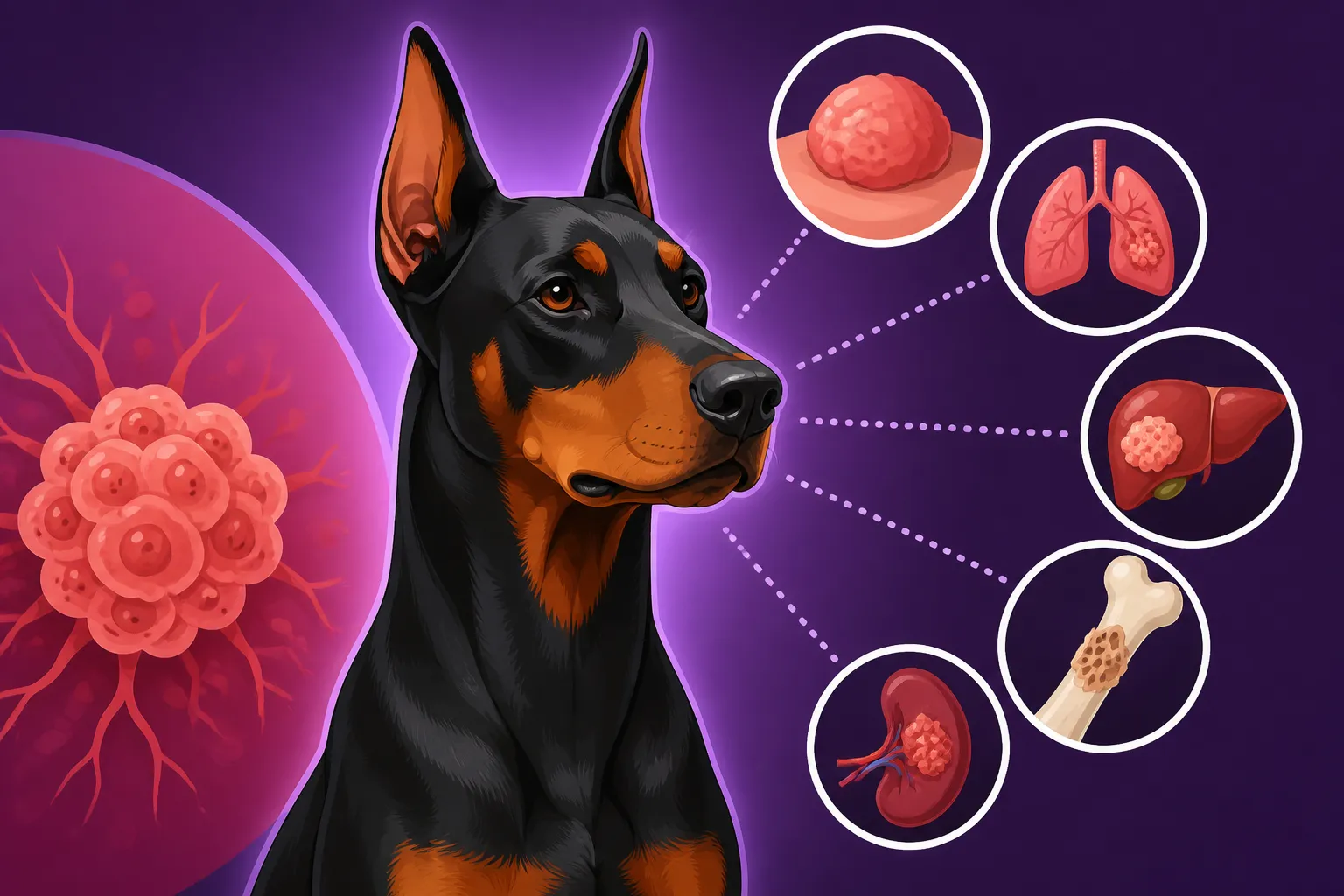
Cancer Types That Reach Dobermans
The thought of your Doberman facing a serious illness like cancer is one of those deeply unsettling worries that many of us try to push to the back of our minds. Unfortunately, for Doberman owners, this isn't an uncommon fear, as this noble breed is statistically more prone to certain aggressive forms of cancer than many others. It’s a truly devastating diagnosis that leaves us feeling helpless and overwhelmed, wondering what we missed or what we could have done differently. This guide is here to walk you through the most common types of cancer that affect Dobermans, how to spot the early signs, understand the diagnostic process, and explore the various treatment and management options available, offering some clarity and support during a challenging time.
Common Cancer Types That Affect Dobermans
This magnificent breed, while resilient in spirit, is unfortunately predisposed to several specific types of cancer, each with its own characteristics and typical presentation. Understanding these can help you be a more vigilant advocate for your Doberman's health. It's not about being paranoid or anticipating the worst, but about being informed and prepared, because early detection truly makes a difference in prognosis.
Lymphoma and Hemangiosarcoma: The Silent Threats
When we discuss the unfortunate reality of cancer in Dobermans, two types often emerge with alarming frequency and a truly insidious nature: lymphoma and hemangiosarcoma. These are incredibly aggressive cancers that can be devastating to both dog and owner.
Lymphoma is a cancer of the lymphatic system, a crucial network of vessels and nodes that plays a vital role in your Doberman’s immune system. This means it can affect various organs, including the lymph nodes, spleen, liver, and bone marrow. For a Doberman owner, the initial signs can be incredibly subtle, often just a slight, generalized lethargy or a decrease in appetite that might be dismissed as an off day. What often catches an owner's eye are swollen lymph nodes, particularly those in the neck (under the jaw), armpits, or behind the knees. These nodes might feel like firm, painless lumps under the skin. It’s a particularly cruel disease because it can progress rapidly, and by the time outward symptoms become obvious, it might already be advanced. Early detection is paramount, and regular physical exams where you specifically check these lymph node areas can make a profound difference. Many owners report a general feeling that "something isn't quite right" before any obvious physical signs appear. If you ever notice Swollen Nodes That Turn Out to Be Doberman Lymphoma, it's a terrifying moment, and it often comes out of nowhere, leaving you reeling.
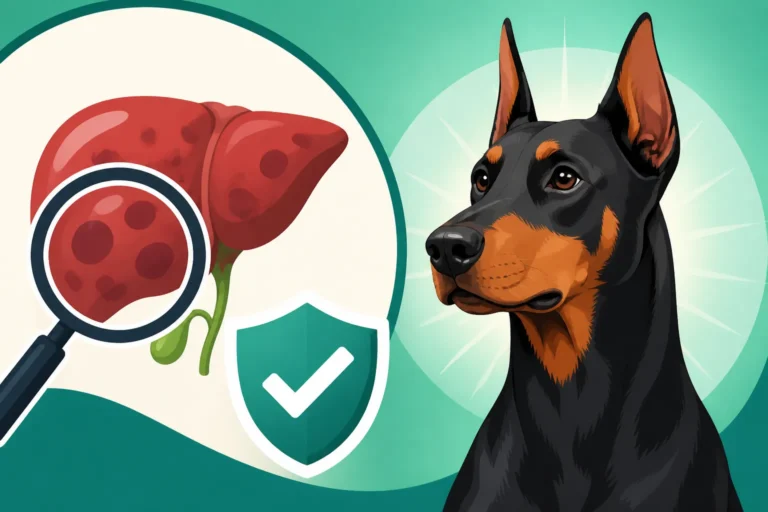
Hemangiosarcoma is another truly insidious and aggressive cancer, primarily affecting the cells that line blood vessels. It’s notorious for growing silently within the body, most commonly in highly vascularized organs like the spleen, heart, or liver. Here, it can reach a significant size before any external signs emerge. Because it involves blood vessels, these tumors are prone to rupturing, leading to sudden and life-threatening internal bleeding. A Doberman might suddenly collapse, become very pale around their gums and mucous membranes, or show signs of severe weakness and abdominal distension due to blood accumulation. This can happen during routine activity or even while sleeping, leaving owners completely blindsided and frantically rushing to the emergency vet. Imagine your energetic Doberman, who was just fine moments ago, suddenly unable to stand – it’s a terrifying scenario that unfortunately plays out too often. This is one of the primary reasons why the Doberman Lifespan and Why It Is Short is often prematurely ended, as these aggressive, fast-acting cancers can strike without much warning.
Osteosarcoma: The Bone Cancer Threat
Another formidable opponent in the Doberman’s fight against cancer is osteosarcoma, a highly aggressive and painful bone cancer. This type of cancer tends to favor large and giant breeds due to their rapid growth and bone structure, and sadly, Dobermans fit that profile all too well.
Osteosarcoma typically develops in the long bones of the limbs, often near a joint, such as the wrist, shoulder, or knee. The first symptom most owners notice is a subtle lameness or limping that doesn't resolve with rest or anti-inflammatory medication. This lameness might wax and wane initially, making it easy to mistake for a minor sprain, a minor athletic injury, or even age-related arthritis. However, as the tumor grows, the pain intensifies, becoming chronic and debilitating, and the affected limb may swell noticeably. The cancerous growth weakens the bone, making it highly susceptible to pathological fractures – breaks that occur with minimal trauma because the bone structure is compromised. Many Doberman owners describe their dog suddenly crying out during a normal movement, like jumping off a couch or simply turning, only to discover a painful swelling and inability to bear weight. It's crucial to have any persistent lameness or unexplained swelling investigated promptly. If you suspect Osteosarcoma in a Doberman Leg, time is of the essence, as this cancer is aggressive and can spread quickly to other parts of the body, particularly the lungs.
This cancer is not just physically painful; it's incredibly destructive. It can metastasize early, meaning it spreads to other areas of the body, often before the primary tumor even becomes overwhelmingly obvious. The rapid progression and debilitating pain make it an incredibly difficult diagnosis to face, as surgical options can be radical (like amputation) and the overall prognosis often remains guarded. Owners are often left grappling with the choice between aggressive, life-altering treatments and maintaining their beloved Doberman's quality of life in the face of excruciating pain. Pet insurance providers like Healthy Paws can be a lifeline in these situations, helping to cover the often astronomical costs associated with diagnostics and specialized treatments that can feel out of reach without financial support.
Mast Cell Tumors and Other Skin Cancers
While not always as immediately life-threatening as internal cancers, skin cancers are also a significant concern for Dobermans, with mast cell tumors being particularly prevalent and tricky due to their varied presentation. While some might seem innocuous, others can be very aggressive.
Mast cell tumors (MCTs) can appear in various forms, earning them the moniker of "the great imitators" in veterinary oncology. They can look like anything from a small, innocent-looking wart to a soft fatty lump, or even an angry, ulcerated, and red lesion. They are most commonly found on the skin, but can also occur internally in organs like the spleen or lymph nodes. The challenge with mast cell tumors on the skin is their unpredictable behavior. A small, benign-looking bump on your Doberman's flank could be a low-grade tumor that is easily removed and cured, or it could be a high-grade, aggressive tumor with a strong tendency to spread quickly to regional lymph nodes and beyond. Owners might notice these lumps swelling, becoming red, or itching intermittently – a phenomenon known as Darier's sign, caused by the release of histamine from the mast cells within the tumor. Regular thorough checks of your Doberman's skin during grooming or petting are essential. Any new lump, bump, or skin lesion should be monitored, and ideally, aspirated by a vet to determine its cellular makeup. Skin Lumps Worth Aspirating on a Doberman are incredibly common, and it’s always better to be safe than sorry, even if it turns out to be nothing.
Beyond mast cell tumors, Dobermans can also develop other forms of skin cancer, though perhaps less frequently. These can include squamous cell carcinoma, which often appears as raised, firm, and sometimes ulcerated lesions, particularly in areas with less hair or sun exposure. Melanomas can also occur, though in dogs, many melanomas on the skin (especially those covered by hair) are benign, unlike in humans. However, malignant melanomas, especially those found in the mouth, on the nail beds, or paw pads, are very aggressive and require urgent attention. Keeping an eye on any changes in moles, pigmented areas, or unhealing sores is crucial. Remember, your Doberman relies on you to notice these subtle shifts because they cannot tell you directly what they feel.
Recognizing the Early Warning Signs of Cancer in Dobermans
One of the most challenging aspects of cancer in dogs is how incredibly good they are at hiding discomfort and illness. As owners, we have to become keen observers and detectives, looking for those subtle cues and minor deviations from the norm that something isn't quite right. Your intuitive knowledge of your Doberman's personality and habits is your most powerful diagnostic tool.
Changes in Lumps, Bumps, or Skin Lesions
The most obvious signs of cancer often manifest on the skin or just beneath it, but their appearance can be deceivingly varied. It’s not just about finding a brand new lump; it’s equally important to observe and track any changes in existing ones too.
When you're petting, grooming, or even just cuddling your Doberman, make it a habit to thoroughly check their entire body. Pay close attention to areas that might be less visible, like armpits, groin, inside the thighs, between the toes, and even under their tail. Don't just feel for lumps; look for any skin discolorations, scabs that won't heal, or areas of thickened or flaky skin. A lump that appears suddenly, grows rapidly, changes in texture (becomes harder or softer), or becomes red, inflamed, or ulcerated definitely warrants immediate veterinary attention. Even if you've had a lump checked before and it was deemed benign, remember that things can change. A previously stable fatty lipoma might suddenly grow, or a new suspicious lump could appear right next to it. Taking photos and measuring lumps with a ruler can be a useful, objective way to track changes over time and provide concrete evidence for your vet. Your veterinarian will almost always recommend a fine needle aspirate (FNA) for any suspicious mass. This simple, relatively non-invasive procedure can sometimes provide immediate answers, or at least guide the next steps. It's always better to catch these things when they're small and localized, as surgical removal is often more successful at that stage.
Subtle Shifts in Behavior and Energy Levels
Dobermans are renowned for their intelligence, unwavering loyalty, and active, often intense nature. Therefore, any sustained and unexplained change in their usual demeanor or activity level should be a red flag that prompts concern. They are masters at masking their pain, making these behavioral shifts crucial indicators.
Have you noticed your Doberman, usually a constant shadow, spending more time alone, perhaps retreating to a quiet corner of the house? Is their tail wag a little less enthusiastic or is their posture more subdued? Are they less interested in their favorite toys, training sessions, or their beloved walks? These subtle behavioral changes can be incredibly telling. A sudden or gradual decrease in overall energy levels, a reluctance to play, or an unwillingness to go for walks they once adored could all indicate underlying pain or systemic illness. This isn't just about them being "lazy"; it's about their inherent drive and zest for life being dampened by discomfort or illness. For instance, if your Doberman that tires faster than it used to suddenly lags behind on a walk or wants to cut playtime short, it’s certainly worth investigating. Changes in appetite are also significant – a Doberman that suddenly stops eating or shows a persistent pickiness for more than a day or two could be signaling a problem. They might also become more irritable, sensitive to touch, or even show signs of aggression if they are in pain, especially if the pain is localized to an area you might inadvertently touch. Owners are the absolute best judge of their dog's baseline behavior, so trust your gut feeling if something feels off.
Digestive Issues and Unexplained Weight Loss
Gastrointestinal symptoms or unexplained weight changes can also be critical early indicators of internal cancers, especially those affecting the digestive system, liver, or causing widespread systemic effects that impact metabolism.
Persistent vomiting or diarrhea, especially if it's not clearly linked to a dietary change, eating something inappropriate, or an obvious infection, should never be ignored. While these can be signs of many different benign conditions, they can also point to tumors in the stomach, intestines, pancreas, or liver. Keep a close eye on the frequency, consistency, and any presence of blood in their stool or vomit. Unexplained weight loss, despite a normal or even increased appetite, is another significant red flag. Cancer cells consume a tremendous amount of energy to grow and multiply, and some tumors release substances that disrupt normal metabolism, leading to muscle wasting even if your Doberman is eating well. Conversely, a Doberman that experiences Weight Gain and Low Energy in a Doberman can sometimes indicate fluid retention (ascites) due to organ dysfunction or internal masses, which is also a serious concern. Bloating or a distended abdomen that doesn't resolve within a few hours could signal fluid accumulation or a mass in the abdominal cavity, as often seen with splenic tumors. Documenting these changes, even if they seem minor or intermittent, can provide your veterinarian with invaluable information for diagnosis. For instance, if your Doberman that suddenly stops eating for more than a day or two, it’s always a cause for immediate veterinary consultation.
Diagnosing and Understanding the Prognosis for Doberman Cancers
Receiving a cancer diagnosis for your Doberman is one of the most frightening and emotionally shattering moments an owner can face. Understanding the diagnostic process and what a prognosis means can help you navigate these incredibly difficult conversations with your veterinarian and make informed decisions for your beloved companion.
Diagnostic Tools: From Biopsies to Imaging
The journey to a definitive cancer diagnosis often involves a multi-pronged approach, utilizing various sophisticated tools to get a clear picture of what's happening inside your Doberman's body.
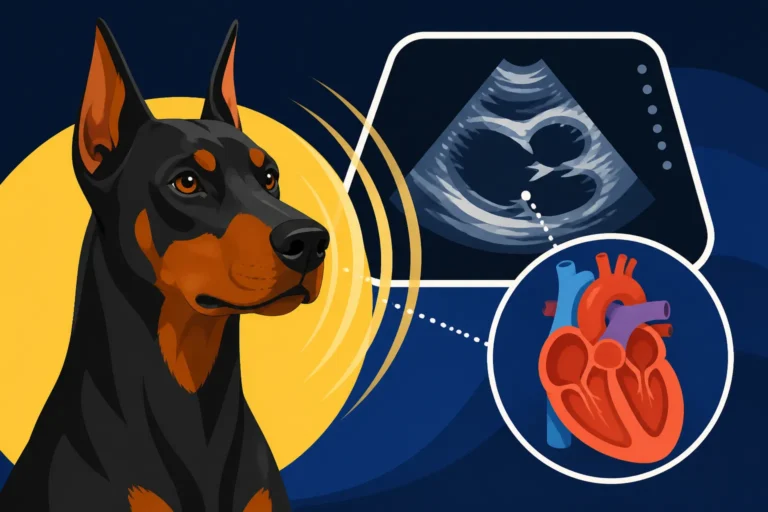
It usually starts with a thorough physical examination by your primary veterinarian, which might include palpating lymph nodes, feeling for abdominal masses, and listening to the heart and lungs. If a lump is found externally, a fine needle aspirate (FNA) is often the first step. This involves using a small needle to collect cells from the mass, which are then examined under a microscope by a veterinary pathologist. While FNAs are quick, minimally invasive, and can sometimes provide immediate answers, they don't always yield a definitive diagnosis, especially for certain tumor types. If the FNA is inconclusive or highly suspicious, a surgical biopsy might be necessary. This involves surgically removing a larger piece of tissue or the entire mass for histopathological examination by a specialist. This provides a more accurate diagnosis, determining the exact type and grade of cancer, which is critical for treatment planning. For internal cancers, various imaging modalities play a crucial role. X-rays can detect bone tumors like osteosarcoma, or reveal metastatic spread to the lungs. Ultrasounds are excellent for visualizing soft tissue organs in the abdomen, such as the spleen, liver, kidneys, and lymph nodes, which is vital for detecting hemangiosarcoma or abdominal lymphoma. For more detailed and precise imaging, advanced modalities like MRI or CT scans may be recommended, especially for tumors in complex areas like the brain, spine, or nasal cavity. Routine Blood Panels Worth Running on an Old Doberman, or any age for that matter, often include a complete blood count (CBC) and chemistry panel, which can reveal systemic effects of cancer, such as anemia, elevated liver enzymes, or changes in white blood cell counts, even if they don't diagnose cancer directly, they can point to underlying issues.
Staging Cancer and Understanding Prognosis
Once a cancer diagnosis is confirmed, the next critical and often daunting step is "staging." This comprehensive process determines how extensive the cancer is, whether it has spread from its primary site, and if so, where and how far it has spread throughout the body. Staging is absolutely vital for guiding appropriate treatment decisions and providing a more accurate prognosis for your Doberman.
Staging typically involves additional diagnostic tests beyond the initial confirmation. This might include further imaging (e.g., chest X-rays to check for lung metastasis from osteosarcoma or hemangiosarcoma, or abdominal ultrasound to look for spread from a mast cell tumor or lymphoma), more extensive blood tests, and sometimes even bone marrow biopsies for certain lymphomas. For some types of lymphoma, specialized flow cytometry tests can help classify the specific type of lymphoma and guide targeted therapy. The stage of cancer, along with the type of cancer and its histological grade (how aggressive the cancer cells appear under the microscope), forms the basis of the prognosis. A prognosis is an educated estimate of your Doberman's likely outcome, including expected survival time with and without treatment, and their likely response to various therapies. It’s fundamentally important to remember that a prognosis is not a guarantee; it’s a statistical prediction based on extensive data, and every dog is an individual. Factors like your Doberman's overall health, age, specific tumor biology, and individual response to therapy can significantly influence the actual outcome. Your veterinary oncologist will discuss these factors with you, outlining the best-case and worst-case scenarios, and what a realistic outlook might entail. It’s a heavy and emotional conversation, but vital for making truly informed decisions about your Doberman’s care path.
The Emotional Toll of a Cancer Diagnosis
Beyond the medical complexities and the daunting array of decisions, facing a cancer diagnosis for your Doberman brings an immense, crushing emotional burden. It’s absolutely okay to feel overwhelmed, heartbroken, angry, scared, and even profoundly confused.
Many Doberman owners describe a roller coaster of emotions, from denial and despair to fierce hope and grim determination. It's a journey often filled with difficult choices, from deciding on the most appropriate treatment paths to managing your dog's quality of life as the disease progresses. The bond we share with our Dobermans is often described as unique and profound, and the thought of losing them to this insidious disease is excruciating. You might find yourself questioning every single lump, every subtle cough, every moment your Doberman seems "off," replaying past events in your mind. It's crucial to allow yourself to feel these emotions and to seek support if you need it, whether from understanding friends, family members, online communities of Doberman owners, or even professional pet loss support groups. Veterinary professionals understand the depth of this human-animal bond and are there to offer not just medical advice, but also empathy and guidance through this harrowing time. When it comes to Deciding When a Doberman With DCM Has Had Enough, or any cancer for that matter, the conversations are incredibly difficult, but focusing on their comfort, dignity, and joy during their remaining time is always the paramount priority. Remember that caring for yourself emotionally during this time is just as important as caring for your Doberman; you simply cannot pour from an empty cup indefinitely.
Treatment Options and Management for Doberman Cancers
Once a cancer diagnosis has been definitively established and staged, the focus immediately shifts to treatment. Depending on the specific type and stage of cancer, a range of therapeutic options are available, often used in combination, to give your Doberman the best possible chance at remission, extended lifespan, or an improved quality of life. Navigating these options with your veterinary oncologist is a critical step.
Surgery, Chemotherapy, and Radiation Therapy
These three modalities represent the cornerstones of conventional cancer treatment in both human and veterinary medicine, and they are frequently employed to combat the various Doberman cancers.
Surgery is often the first and most effective line of defense, especially for localized tumors like many mast cell tumors, where complete surgical removal with wide, clean margins can be curative. For aggressive bone cancers like osteosarcoma, amputation of the affected limb is often recommended to remove the primary tumor, eliminate the source of excruciating pain, and improve comfort. While this sounds drastic, many dogs, including Dobermans, adapt remarkably well to three legs and can enjoy a good quality of life. For internal tumors, such as those on the spleen (hemangiosarcoma) or liver, surgical removal might be attempted if the tumor hasn't spread widely to other organs. The primary goal of surgery is to remove as much of the cancerous tissue as possible, ideally with wide, tumor-free margins to prevent local recurrence.
Chemotherapy uses powerful drugs to kill cancer cells or inhibit their uncontrolled growth. A common misconception is that canine chemotherapy is as debilitating as human chemotherapy. However, veterinary chemotherapy protocols are typically designed to minimize side effects and prioritize the dog's quality of life. Dobermans generally tolerate chemotherapy well, often experiencing mild, transient side effects like decreased appetite, mild nausea, or temporary lethargy, rather than the severe hair loss seen in humans. Chemotherapy is frequently used for systemic cancers like lymphoma, where it can achieve remission and significantly extend life, or as an adjunctive therapy after surgery to kill any remaining microscopic cancer cells or to slow the spread of metastatic disease. For some aggressive cancers, like hemangiosarcoma, chemotherapy might be recommended even after surgical removal of a primary tumor to extend life expectancy.
Radiation therapy uses high-energy radiation to shrink tumors and destroy cancer cells. It's often employed for tumors that are difficult or impossible to remove surgically due to their location, or to reduce pain and improve comfort associated with bone tumors, even if a cure isn't achievable. It can also be used after surgery to target any microscopic cancer cells that might have been left behind. Radiation therapy typically requires multiple sessions, often daily for a few weeks, with each session requiring general anesthesia, which can be a significant commitment for owners. The type of radiation therapy, whether it’s curative intent or palliative (focused on pain relief), will determine the frequency and duration of treatment. These advanced treatments are available at specialized veterinary oncology centers, and your primary veterinarian will likely refer you to an expert in this field.
Palliative Care and Quality of Life
There are heartbreaking instances where a cure isn't possible, or the aggressive nature and potential side effects of curative treatments might not be in your Doberman's best interest given their age, overall health, or the advanced stage of the cancer. In these challenging situations, the focus shifts entirely to palliative care, aiming to maximize comfort, alleviate pain, and maintain an excellent quality of life for as long as possible.
Palliative care involves comprehensive symptom management, focusing on controlling pain, nausea, vomiting, and other discomforts to ensure your Doberman remains comfortable and enjoys their remaining time. This might include a regimen of regular pain medication, anti-inflammatory drugs, anti-nausea medications, and appetite stimulants. Dietary adjustments might also be made to ensure they are getting adequate nutrition and maintaining muscle mass. For bone cancers, localized, lower-dose radiation therapy (called palliative radiation) can be used to significantly reduce pain, even if it doesn't cure the cancer, allowing for more comfortable movement. Owners often grapple with the profound and difficult decision of whether to pursue aggressive, curative treatments or opt for palliative care. It's a deeply personal choice, and your veterinary team, including specialists, will help you weigh the pros and cons of each path, always keeping your Doberman's well-being and happiness at the forefront. The ultimate goal of palliative care is to ensure every day is a good day, filled with joy, comfort, and the ability to engage in activities they still love, even if it's just a gentle walk in the yard or cuddling on the couch.
Navigating the Financial Realities of Cancer Treatment
Let's be brutally honest and realistic: cancer treatment for a Doberman is expensive, often shockingly so. This is a financial reality that many owners are simply not prepared for, and it can add an immense layer of stress to an already emotional situation.
The costs for diagnostics, surgery, chemotherapy cycles, radiation therapy, and ongoing medications can quickly climb into the thousands, or even tens of thousands, of dollars. For example, an osteosarcoma diagnosis might involve initial radiographs, a biopsy, potential amputation, and then follow-up chemotherapy, each step adding substantially to the overall bill. Medications for managing side effects, pain, and long-term supportive care also accumulate over time. This financial strain can unfortunately force heartbreaking decisions based on ability to pay rather than what's inherently best for your beloved companion. This is precisely where having pet insurance, especially a comprehensive plan from a reputable provider like Healthy Paws, can be an absolute game-changer. Enrolling your Doberman when they are young and healthy, well before The Doberman Years When Everything Shows Up or any major health issues arise, is crucial, as most policies consider conditions present before enrollment as pre-existing and will not cover them. If your Doberman already has an existing condition, finding Which Insurers Still Take a Doberman might be challenging, but it's always worth exploring all available options. It’s vital to have open and honest conversations with your veterinary team about the anticipated costs from the outset and to explore payment plans, financing options, or even charitable financial aid programs if needed.
Prevention and Risk Factors for Doberman Cancers
While we can't completely prevent cancer in Dobermans, as genetics and sheer bad luck play significant roles, understanding the known risk factors and taking proactive steps can potentially reduce the likelihood of certain cancers or, more importantly, allow for earlier detection, which often dramatically improves outcomes and extends quality of life.
Genetics and Breeding Considerations
The inherent genetic predisposition of Dobermans to certain cancers is a significant factor that responsible breeding practices aim to address and mitigate.
Just like with The Heart Disease That Reaches Most Dobermans, some cancers, such as hemangiosarcoma and lymphoma, are believed to have a hereditary component in Dobermans. There's ongoing research into identifying specific genetic markers that might indicate a higher risk. A reputable and ethical breeder should be transparent about the health history of their breeding lines, including any instances of cancer in the parents, grandparents, and siblings. While it's impossible to guarantee a cancer-free dog (just as it is in humans), choosing a puppy from lines with documented longevity and a lower incidence of common Doberman cancers can potentially reduce your dog's risk. It’s also important to note that certain physical traits, like the genes responsible for Color Dilution Alopecia in Blue and Fawn Dobermans, are linked to health issues, although not directly cancer in this particular case. Responsible breeders prioritize overall health, longevity, and temperament above all else. When considering a Doberman, do not hesitate to ask breeders detailed questions about their health testing protocols and the history of cancer in their dogs' pedigrees. The Health Testing a Doberman Breeder Must Show should encompass more than just cardiac and Von Willebrand testing; they should be willing and able to discuss cancer prevalence in their lines.
Environmental Factors and Lifestyle Choices
Beyond genetics, certain environmental factors and your Doberman's lifestyle choices can also play a role in influencing cancer risk. While the exact correlations are often complex and not fully understood, these are areas where owners can make practical and positive differences.
Exposure to certain environmental toxins, such as herbicides, pesticides, and secondhand tobacco smoke, has been anecdotally and, in some studies, statistically linked to increased cancer risk in dogs, including lymphoma. Being mindful of the chemicals you use in your yard and home, or choosing pet-safe and organic alternatives, can significantly contribute to a healthier environment for your Doberman. Ensuring your Doberman has a healthy, balanced diet, avoiding obesity, and providing regular, appropriate exercise are fundamental to overall health and can support a strong immune system, which is crucial for fighting off disease. While the direct connection between specific diets and cancer is complex and still being researched (think of the grain-free diet and DCM controversy), Feeding an Eighty-Pound Doberman Well with high-quality, nutritionally complete food is always recommended. Some research also suggests that certain chronic inflammatory conditions can increase cancer risk, so managing chronic inflammation through diet, supplements, or veterinary care might be beneficial. Limiting excessive sun exposure for Dobermans with thin coats or light pigmentation can also help reduce the risk of skin cancers.
The Role of Regular Veterinary Checks and Screening
Perhaps the most powerful and accessible tool in your arsenal against Doberman cancer is proactive, consistent, regular veterinary care and diligent screening. Your vigilance combined with professional medical oversight creates the strongest defense.
The general recommendation for most adult Dobermans is an annual veterinary check-up, but as your Doberman enters their senior years, perhaps around the age of six or seven, your vet might recommend Screening an Older Doberman More Often, typically twice a year. These routine visits are not just for vaccinations; they are a critical opportunity for your veterinarian to perform a thorough physical examination, looking and feeling for any subtle changes, new lumps, or signs of discomfort that you might have missed. Early detection truly makes a profound difference in cancer prognosis, often allowing for more effective and less invasive treatments. For example, regular comprehensive blood panels can sometimes flag abnormalities that warrant further investigation, like unexplained anemia or unusual white blood cell counts. Some veterinary oncologists recommend annual abdominal ultrasounds for breeds like Dobermans that are prone to hemangiosarcoma, though this is not yet a universal standard for every general practice. You, as the owner, are also an absolutely crucial part of this screening process. Be vigilant about performing regular at-home checks, feeling for new lumps, inspecting your Doberman's mouth, and observing any changes in their behavior, appetite, or energy levels. Keeping a detailed record of any unusual observations can be incredibly helpful for your vet during their examination. If you’re asking yourself Whether Doberman Cancer Rates Are High, the unfortunate answer is yes, which profoundly underscores the importance of these routine checks. Your attentiveness combined with your veterinarian's expertise creates the strongest and most proactive defense against this challenging disease.
| Cancer Type | Common Locations | Early Signs | Typical Aggressiveness | Key Diagnostic Methods |
|---|---|---|---|---|
| Lymphoma | Lymph nodes, spleen, liver, bone marrow | Enlarged, firm lymph nodes (neck, armpits, behind knees), lethargy, decreased appetite, weight loss | High | Fine Needle Aspirate (FNA), Biopsy, Bloodwork, Flow Cytometry |
| Hemangiosarcoma | Spleen, heart, liver, skin, subcutaneous tissue | Sudden collapse, pale gums, weakness, abdominal distension/bleeding, lameness (if bone) | Very High | Ultrasound, X-ray, Biopsy, Abdominocentesis (fluid tap) |
| Osteosarcoma | Long bones (limbs, ribs, spine) | Persistent lameness, swelling of affected limb, pain, reluctance to bear weight, pathological fractures | High | X-ray, Biopsy, CT Scan |
| Mast Cell Tumor | Skin, subcutaneous tissue, internal organs | Lumps (can vary greatly in appearance, often itchy, red, or swollen intermittently), changes in size/texture | Variable (Low to High) | Fine Needle Aspirate (FNA), Biopsy |
| Melanoma | Mouth, nail beds, skin, paw pads | Pigmented or non-pigmented lumps, sores that don't heal, lameness (if on paw), oral masses | Variable (Low to High) | Biopsy, Histopathology |
Disclaimer
The information provided in this article is for general informational purposes only and is not a substitute for professional veterinary advice. Always consult with a qualified veterinarian for any health concerns or before making any decisions related to your Doberman's health and treatment.