A Doberman That Bleeds Too Long From a Cut
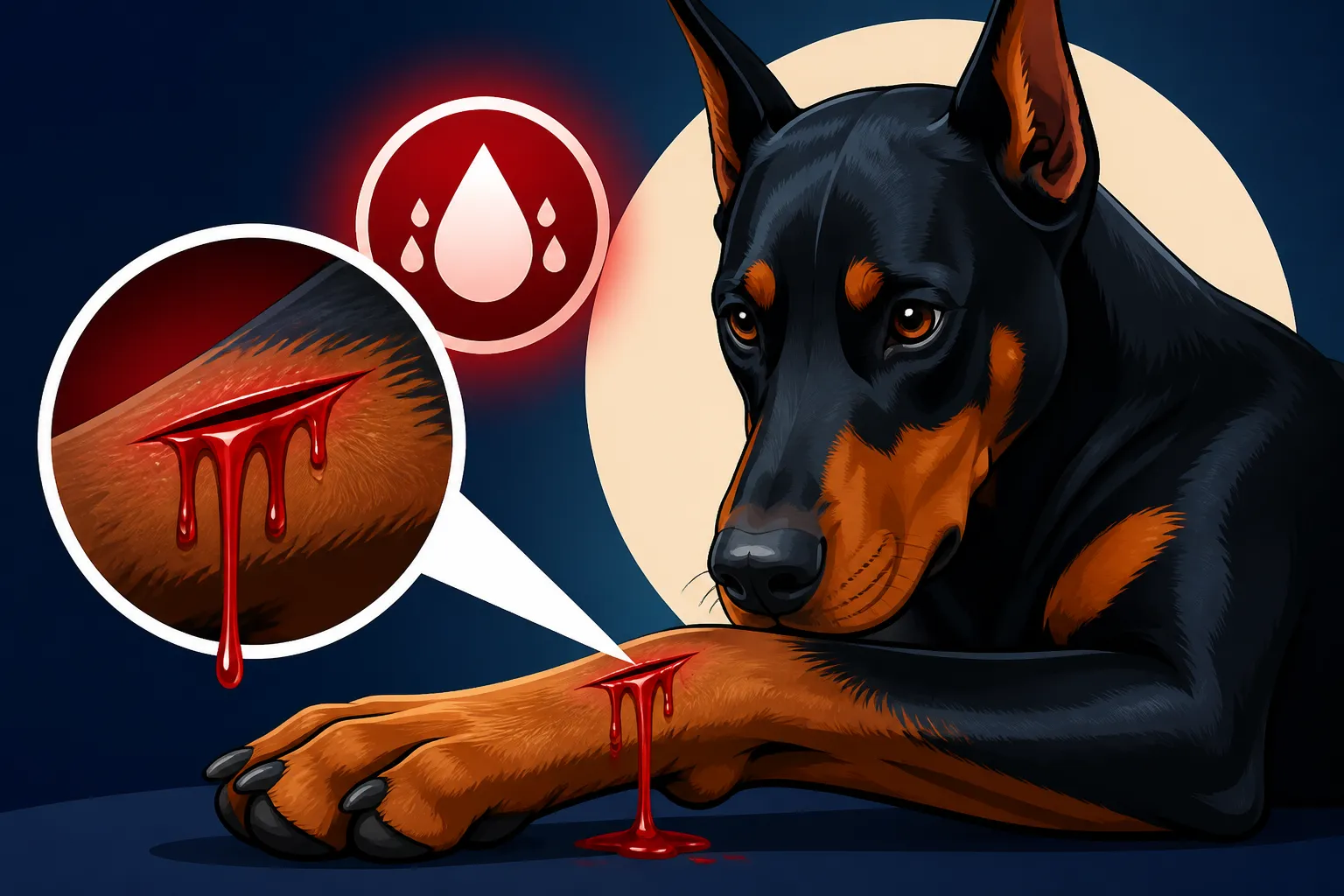
It’s truly unsettling, isn't it? One moment, your beloved Doberman gets a small scrape or a tiny nick, the kind that any active dog experiences, and the next you find yourself panicking because the bleeding just won't stop. It’s a frustrating and often scary situation that leaves many Doberman owners feeling helpless and worried. This guide is here to shed light on why your Doberman might be bleeding excessively from what seems like a minor cut, exploring the underlying health conditions that could be at play, and equipping you with the knowledge to act swiftly and confidently.
Understanding Why Your Doberman Might Bleed Excessively
When a minor cut on your Doberman just keeps weeping, or a simple nail trim turns into a bloody ordeal, it's a huge red flag that something more significant might be going on beneath the surface. It's not just about the size of the wound; it's about your dog's ability to form a clot, which is a complex process involving several components of their blood. If any part of that system isn't working correctly, even the smallest injury can become a significant concern.
The Doberman breed, as wonderful and majestic as they are, comes with a predisposition to certain health conditions that can affect their blood clotting abilities. It's a genetic lottery that unfortunately many in the breed lose, and being aware of these possibilities is the first step in protecting your furry family member. Understanding the "why" behind the prolonged bleeding can help you advocate for your dog and seek the right veterinary care.
The Hereditary Factor: Von Willebrand Disease
Hands down, the most common culprit behind a Doberman that bleeds too long from a cut is Von Willebrand Disease (vWD). This inherited bleeding disorder is rampant in the breed, affecting a significant portion of Dobermans. It’s a bit like hemophilia in humans, where the blood simply doesn't clot as it should. The problem lies with a deficiency or defect in Von Willebrand factor, a protein that plays a crucial role in primary hemostasis – the initial plug formation to stop bleeding. Without enough functional vWF, platelets can't stick together properly or adhere to the injured blood vessel wall, making even small cuts a big deal.
In Dobermans, the most prevalent form is Type 1 vWD, which means they have reduced levels of functionally normal Von Willebrand factor. This isn't usually a complete absence, which is why some Dobermans might have very mild symptoms or only show signs under stress or after injury. Imagine a leaky faucet: sometimes it's a slow drip, sometimes it's a steady stream, but it's always leaking. That's what it can feel like when your Doberman has vWD and a small wound won't stop oozing. It’s a condition that truly illustrates how The Bleeding Disorder Almost Every Doberman Line Carries.
The genetic nature of vWD means it’s passed down from parent to offspring. A Doberman can be "clear" (two normal genes), a "carrier" (one normal, one affected gene), or "affected" (two affected genes). While affected dogs are most likely to show symptoms, carriers can also have slightly lower vWF levels and still pass the gene on. This is why genetic screening is so vital for responsible breeders. It’s not just about stopping the bleeding once it starts; it’s about understanding the predisposition and taking proactive steps to manage it, and ideally, prevent it in future generations.
Other Potential Causes of Prolonged Bleeding
While Von Willebrand Disease often takes center stage when discussing Dobermans and bleeding issues, it's essential to remember that it's not the only reason your dog might be struggling to clot. The body's clotting cascade is incredibly intricate, and a malfunction in any part of it can lead to problems. Ruling out other conditions is a critical part of the diagnostic process to ensure your Doberman gets the correct treatment.
One category of concern includes platelet disorders. Platelets are tiny blood cells that are the first responders to an injury, forming a plug. If your Doberman has a low platelet count (thrombocytopenia) or if their platelets aren't functioning correctly (thrombocytopathia), clotting will be impaired. Thrombocytopenia can be caused by various factors, including immune-mediated diseases where the body attacks its own platelets, certain infections, or even some cancers. Platelet dysfunction can sometimes be inherited, or acquired due to certain drugs.
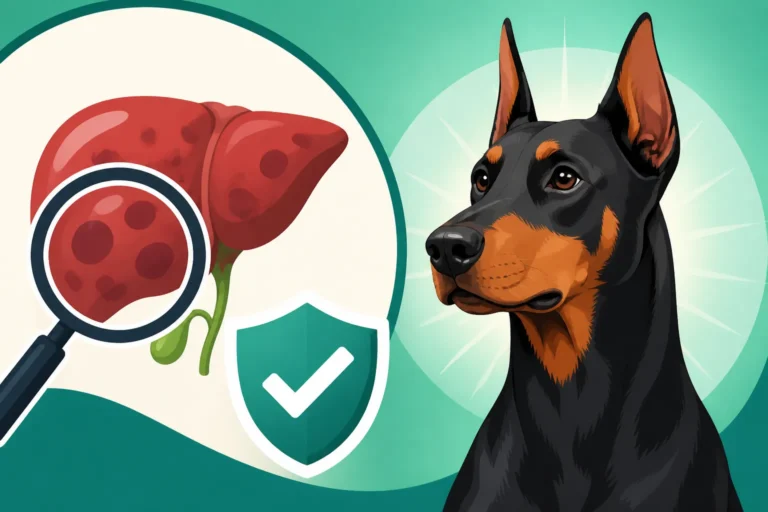
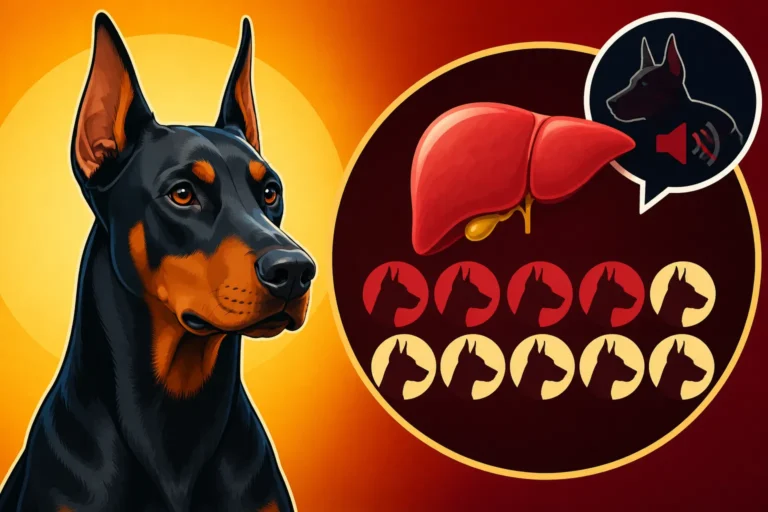
Liver disease is another serious consideration. The liver is a powerhouse organ responsible for producing many of the clotting factors essential for proper blood coagulation. If the liver is diseased or damaged, it may not be able to produce these factors sufficiently, leading to a tendency to bleed. Dobermans, unfortunately, are also prone to certain liver issues, like copper storage hepatopathy. If your Doberman has elevated Liver Enzyme Results in a Doberman, it could point to a liver problem affecting clotting. This means that a seemingly simple cut could indicate a much deeper, systemic issue that needs immediate attention.
Lastly, certain medications or toxins can also interfere with normal clotting. Common anti-inflammatory drugs (NSAIDs) like Rimadyl or Metacam, while helpful for pain, can inhibit platelet function. Some antibiotics can also impact clotting. More acutely, exposure to rat poison (which often contains anticoagulants) can lead to severe, life-threatening bleeding episodes, presenting as unexplained Bruising and Bleeding in a Doberman, Nosebleeds and Gum Bleeding in a Doberman, or prolonged bleeding from minor wounds. Always be vigilant about what your Doberman might ingest, both inside and outside the home.
Recognizing the Signs and When to Seek Veterinary Care
It’s easy to dismiss a small cut as "just a cut," especially if your Doberman is generally healthy and active. However, when that cut continues to bleed or shows other unusual signs, it’s a clear signal that you need to pay close attention. Early recognition of symptoms can make a world of difference in the prognosis for many bleeding disorders, giving your vet a head start on diagnosis and treatment. Don’t ever feel like you're overreacting when it comes to your Doberman's health, especially with a breed so prone to these silent conditions.
Knowing what to look for, beyond just the obvious blood, can empower you to make informed decisions and seek professional help at the right moment. The signs of a clotting problem aren't always dramatic, but they are often persistent and concerning once you know what they mean. Trust your gut instinct if something feels off about your dog.
Common Symptoms Beyond Just a Cut
While a prolonged bleed from a minor cut is the most direct indication of a clotting issue, it's rarely the only symptom. Many owners will start noticing other subtle, or sometimes not-so-subtle, signs that their Doberman's blood isn't clotting correctly. These can range from internal bleeding to issues with mucous membranes. Paying attention to these various manifestations is crucial for connecting the dots.
One of the most common signs, as we've mentioned, is prolonged bleeding after minor trauma or procedures. This could be excessive bleeding after a nail trim (a common complaint for Doberman owners), or a tooth extraction. Spaying or neutering a Doberman with an undiagnosed bleeding disorder can lead to life-threatening complications, highlighting the importance of Testing a Doberman for Von Willebrand Before Surgery. Beyond cuts, spontaneous bleeding can occur, such as unexpected Nosebleeds and Gum Bleeding in a Doberman that are difficult to stop. You might also notice blood in their urine or stool, which would obviously be quite alarming.
Another significant indicator is unexplained bruising or hematomas. Dobermans are lean dogs with short coats, so a bump or scrape might easily show up as a bruise. However, if your Doberman seems to develop large, dark bruises (hematomas) with minimal trauma, or if these bruises don't resolve normally, it's a strong sign of a clotting problem. These might appear on their belly, inside their thighs, or anywhere they might have bumped themselves. Sometimes, internal bleeding can occur, forming hematomas in muscles or joints, which can cause pain, lameness, or swelling. This is why any significant Bruising and Bleeding in a Doberman warrants veterinary investigation.
Emergency vs. Non-Emergency Situations
Determining whether a bleeding incident is an emergency or something you can monitor at home with first aid can be stressful. Your Doberman's well-being relies on your ability to make this distinction, and sometimes, a few minutes can make all the difference. It's always best to err on the side of caution, but understanding the severity can help you stay calm and act effectively.
When to consider it an emergency: Any instance of uncontrolled, heavy bleeding that doesn't slow down or stop within a few minutes of applying firm pressure is an emergency. This includes deep wounds, significant blood loss from the nose or gums, blood in vomit or diarrhea, or any bleeding accompanied by signs of weakness, pale gums, rapid breathing, or collapse. These symptoms suggest significant blood loss or internal bleeding, which can quickly become life-threatening. If your Doberman is faint or has collapsed on a walk due to blood loss, get to an emergency vet immediately.
In these emergency scenarios, your primary goal is to get your Doberman to the nearest veterinary emergency clinic as quickly and safely as possible. While en route, continue to apply direct, firm pressure to any external bleeding sites. If you suspect internal bleeding, there's little you can do at home other than try to keep your dog calm and still. Remember that conditions like vWD can cause sudden, severe internal bleeds that might not be immediately obvious, so a change in demeanor, sudden weakness, or abdominal swelling alongside other bleeding signs needs urgent attention. Insurance providers like Healthy Paws can be a lifesaver in these unexpected, high-cost emergency situations, helping to cover significant vet bills.
When observation and first aid might be sufficient (with caution): For very minor scrapes or small nicks that are only oozing slightly, and your Doberman is otherwise behaving normally, you can attempt first aid at home. Apply direct pressure with a clean cloth or gauze for at least 5-10 minutes without peeking. Elevating the limb if possible can also help. If the bleeding slows significantly or stops, you can then clean the wound and apply a pet-safe antiseptic ointment. However, if the bleeding restarts easily, or if you have any doubt about your Doberman's overall condition, it's always best to contact your veterinarian. Even what seems like a minor, controlled bleed could be a symptom of an underlying issue that needs to be diagnosed, especially in a Doberman.
Diagnosing and Managing Bleeding Disorders in Dobermans
When you suspect your Doberman has a bleeding disorder, the path forward involves a systematic approach to diagnosis, followed by tailored management strategies. It’s not a one-size-fits-all situation, and getting an accurate diagnosis is paramount to ensuring the best quality of life for your furry friend. Navigating the tests and treatments can feel overwhelming, but remember that your veterinary team is there to guide you every step of the way.
The goal is not just to stop the immediate bleeding but to understand the root cause so you can prevent future episodes and properly manage the condition long-term. This often involves a partnership between you and your vet, potentially even a veterinary specialist like a internal medicine doctor or a veterinary hematologist, especially if the case is complex.
The Diagnostic Process
The first step in diagnosing a bleeding disorder usually begins with a thorough physical examination by your veterinarian and a detailed history from you. Be prepared to answer questions about when the bleeding started, how often it occurs, what types of incidents trigger it, and any other symptoms you've observed. Your vet will look for signs of bruising, petechiae (tiny pinpoint hemorrhages), and assess your Doberman's overall health.
After the initial assessment, your vet will likely recommend a series of diagnostic tests. For Dobermans specifically, the Von Willebrand DNA test is often a primary recommendation. This simple genetic test can be done with a cheek swab or a blood sample and will definitively tell you if your Doberman is clear, a carrier, or affected by vWD. Companies like Embark Veterinary or VetGen offer these genetic panels, and they are invaluable tools for breed-specific health. Understanding your Doberman's genetic status is key, especially if you have a puppy, and can be part of Reading a Doberman Puppy's Test Certificates. Knowing How Many Dobermans Carry the Bleeding Gene highlights why this test is so important.
Beyond genetic testing, several coagulation tests can evaluate the blood's clotting ability. These typically include:
- Complete Blood Count (CBC): To check platelet count and rule out anemia from blood loss.
- Prothrombin Time (PT) and Activated Partial Thromboplastin Time (aPTT): These tests assess different parts of the clotting cascade.
- Buccal Mucosal Bleeding Time (BMBT): A practical test where a small incision is made on the inside of the lip, and the time it takes for bleeding to stop is measured. A prolonged BMBT often suggests a problem with platelet function or vWF.
- Von Willebrand Factor Antigen (vWF:Ag) test: A blood test that measures the amount of vWF protein in the blood. This helps confirm the diagnosis of vWD, and typically correlates with the genetic test results.
Understanding Clear, Carrier and Affected Doberman Results from these tests is vital. For instance, a Doberman that tests clear for the vWD gene is unlikely to develop the condition, but an affected Doberman will have significantly reduced vWF levels and is at high risk for bleeding episodes. Even carriers might have slightly lower vWF and can pass the gene to their offspring.
Treatment and Management Options
Once a bleeding disorder is diagnosed, your vet will discuss a tailored treatment and management plan. This plan aims to both address active bleeding episodes and minimize the risk of future problems. The specific approach will depend entirely on the underlying cause and the severity of your Doberman’s condition.
For Dobermans with Von Willebrand Disease, direct treatment to replace the missing factor isn't always feasible in an emergency, but certain medications can help. Desmopressin acetate (DDAVP) is sometimes used before planned surgeries or in cases of minor bleeding. It works by stimulating the release of stored Von Willebrand factor from endothelial cells. However, its effectiveness can vary, and it's not a cure. For severe, acute bleeding episodes, blood transfusions are often necessary. These transfusions provide the missing clotting factors and red blood cells, which can be life-saving. Knowing about Transfusions for a Doberman With a Clotting Disorder can prepare you for potential emergency treatments.
A critical aspect of managing any Doberman with a bleeding disorder is avoiding certain medications. Many common drugs, including non-steroidal anti-inflammatory drugs (NSAIDs) like aspirin, ibuprofen, carprofen (Rimadyl), and meloxicam (Metacam), can inhibit platelet function and worsen bleeding. It's imperative to discuss all medications, even over-the-counter ones or supplements, with your vet. A comprehensive list of Drugs a Doberman With Von Willebrand Should Avoid should be kept on hand and shared with any veterinarian or emergency clinic that treats your Doberman.
Beyond medication, practical steps for Managing a Doberman Bleed at Home include applying direct pressure, keeping your dog calm, and having a well-stocked first-aid kit. For planned surgeries, rigorous pre-surgical screening and preparation are essential. This might include administering DDAVP beforehand or having blood products on standby, as outlined in Surgery on a Doberman With a Clotting Problem. It’s a lot to consider, but proactive planning makes a huge difference.
Living with a Doberman That Has a Bleeding Disorder
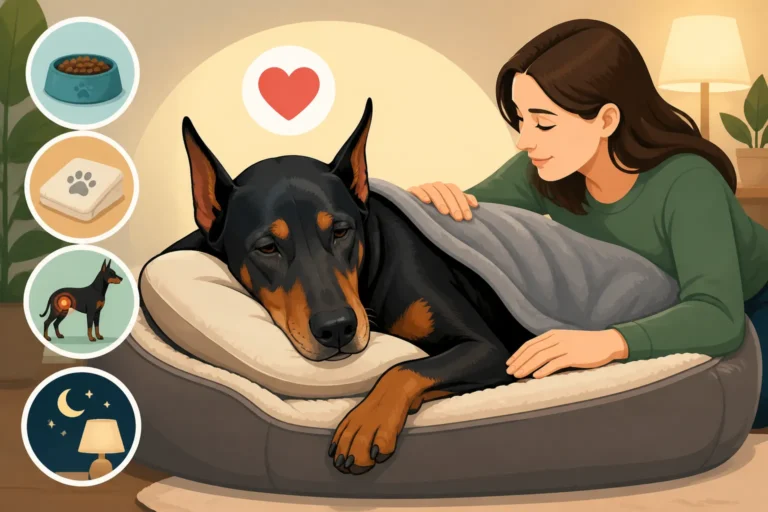
Living with a Doberman diagnosed with a bleeding disorder requires vigilance, awareness, and a bit of lifestyle adjustment, but it doesn't mean your dog can't live a full and happy life. It means you become an even more informed and attentive advocate for their health. The key is to minimize risks and be prepared for potential incidents.
One of the most important aspects is daily precautions. This involves avoiding situations where your Doberman might easily get injured. While you can't bubble-wrap them, you can be mindful during playtime, choose safer toys, and supervise interactions with other dogs to prevent roughhousing that could lead to injury. For an active Doberman, this can be a challenge, but careful management makes it possible. Regular nail trims performed carefully can also prevent accidental quicking, which can be a prolonged bleed for an affected Doberman.
Regular veterinary check-ups are non-negotiable. Your vet will monitor your Doberman's overall health, review their medication regimen, and discuss any new symptoms or concerns. Maintaining open communication with your veterinary team is crucial. It’s also vital to inform all caregivers – dog walkers, boarders, pet sitters, and especially any new veterinary clinics – about your Doberman's condition. Having their medical records readily available, perhaps even a printed summary with emergency contacts, is an excellent practice.
Regarding costs, managing a chronic condition like a bleeding disorder can be expensive. This is where pet insurance, like Healthy Paws, can provide immense peace of mind. While pet insurance typically doesn't cover pre-existing conditions, if you enrolled your Doberman before any symptoms or diagnosis of a bleeding disorder, it could help cover the costs of emergency treatments, medications, and ongoing care. It’s always worth investigating different plans and their coverage. Fortunately, Whether an Affected Doberman Lives Normally is often yes, with proper management.
Proactive Steps for Doberman Owners
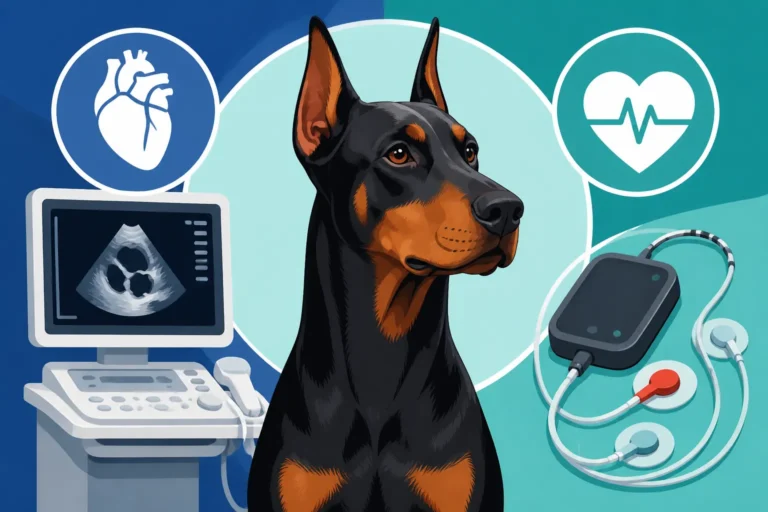
Being a Doberman owner means being proactive about their health. Given the breed’s genetic predispositions, particularly to bleeding disorders and cardiac issues, education and prevention are your strongest tools. You have the power to influence not just your dog’s well-being but also the health of the Doberman breed as a whole through responsible choices.
It can feel overwhelming to navigate all the potential health issues, but remember, every small step towards informed ownership contributes to a better, healthier life for these magnificent dogs. Don't shy away from asking tough questions and demanding transparency, especially when bringing a new Doberman into your home.
Genetic Testing and Responsible Breeding
The single most impactful proactive step against inherited bleeding disorders like Von Willebrand Disease is genetic testing for breeding stock. Responsible Doberman breeders understand the prevalence of vWD in the breed and make it a priority to test their adult dogs before breeding them. The Von Willebrand DNA Test for Dobermans is a straightforward procedure that can prevent the passing on of this debilitating condition.
When looking for a Doberman puppy, always ask to see the vWD test results of both parents. A reputable breeder will be transparent and proud to show you certificates demonstrating that their breeding dogs are clear or, at the very least, carriers bred to clear dogs to avoid producing affected offspring. This diligence helps to reduce the incidence of the disease in future generations. You should expect to receive copies of these health certificates for your puppy’s parents. This level of transparency is a hallmark of a breeder truly dedicated to the health of their lines. Without this kind of testing, we wouldn’t be able to effectively combat such widespread genetic issues within the breed.
Awareness and Preparedness
As a Doberman owner, fostering an attitude of awareness and preparedness is crucial. This means not just knowing about conditions like vWD but also understanding what to do should an emergency arise. Having a plan in place before something happens can reduce stress and allow for faster, more effective action.
Educating yourself about common Doberman health issues is an ongoing process. Reading articles like The Bleeding Disorder Almost Every Doberman Line Carries helps build your knowledge base. Familiarize yourself with the signs of various health problems so you can spot them early. Keep your vet's contact information, and the number for the nearest 24-hour emergency veterinary clinic, readily accessible. Consider putting together a pet first-aid kit that includes items specific to managing bleeding, such as sterile gauze, cohesive bandages, and a styptic powder or pencil for nail bleeds.
Finally, always maintain open communication with your veterinarian. Don't hesitate to discuss any concerns, no matter how minor they seem. If your Doberman shows any unusual signs, even if it’s just one instance of A Doberman That Bleeds Too Long From a Cut, it's worth a conversation with your vet. They are your most valuable resource in ensuring your Doberman lives a long, healthy, and happy life.
Disclaimer
The information provided in this guide is intended for educational purposes only and should not be considered a substitute for professional veterinary advice. Always consult with a qualified veterinarian for any health concerns or before making any decisions related to your Doberman's care.