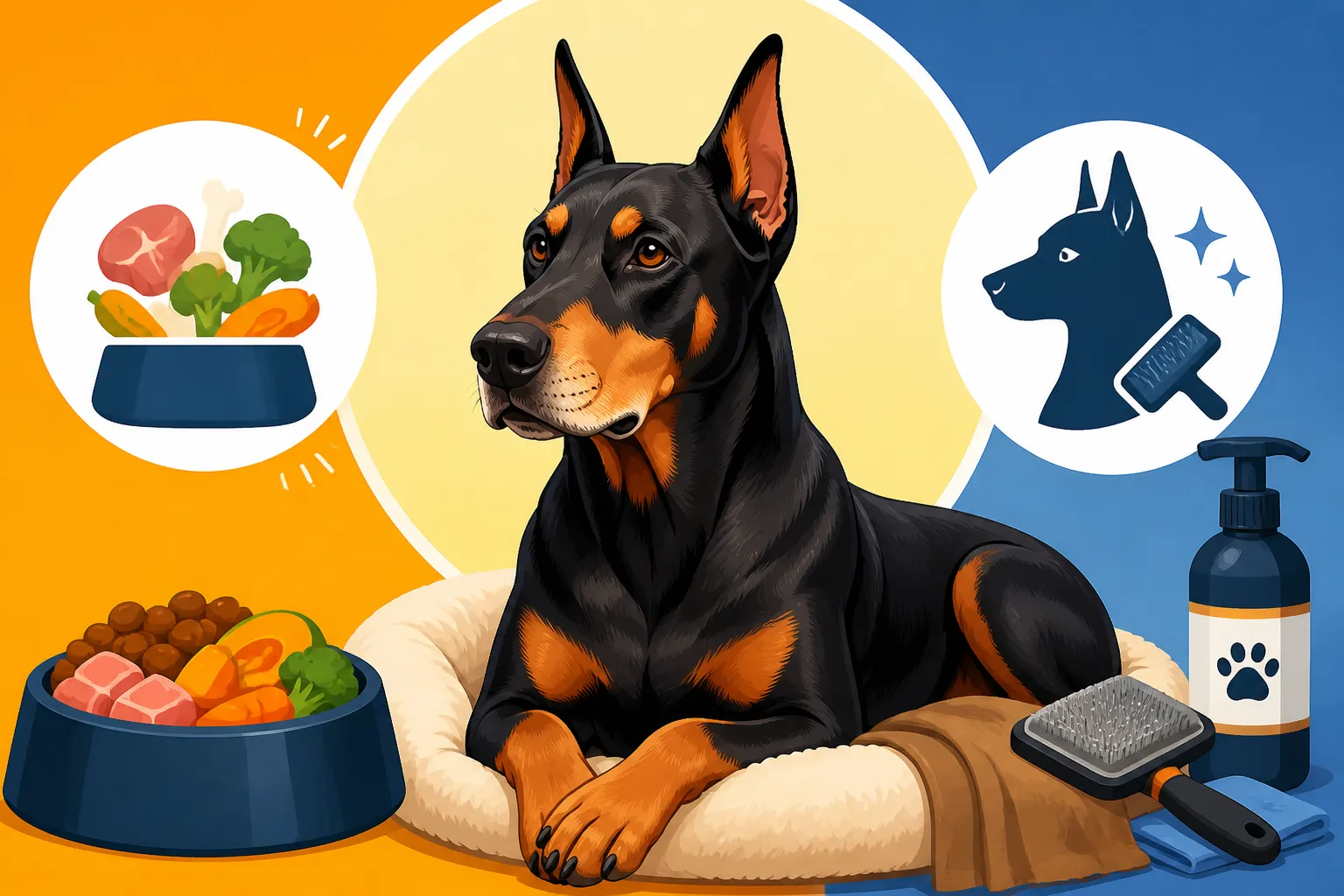
Feeding and Grooming a Doberman Past Eight
Watching your beloved Doberman transition into their senior years can bring a mix of emotions. On one hand, you cherish every gray hair and the wisdom in their eyes; on the other, you start noticing changes—they might be slowing down, their appetite isn't quite the same, or grooming has become a little more challenging. This guide is here to help you navigate the specific nutritional and grooming needs of your Doberman once they hit that "past eight" milestone, ensuring their golden years are as comfortable and joyful as possible.
Navigating the Nutritional Shifts in an Aging Doberman
Just like us, Dobermans experience a shift in their bodies as they age, and their dietary needs change right along with them. What worked for a spry young adult often isn't the best fit for a senior who’s enjoying a slower pace. It’s not just about reducing portions; it’s about adjusting the type of nutrition to support their aging systems and maintain their quality of life. Understanding these shifts is the first step in keeping your senior Doberman thriving.
Adjusting Calorie Intake for a Slower Metabolism
One of the most common changes you'll notice in an older Doberman is a drop in their energy levels. They might not be sprinting across the yard with the same vigor, or their walks might become shorter and less intense. This reduced activity directly impacts their metabolic rate, meaning they don't burn as many calories as they used to. If their diet remains the same, those extra calories can quickly lead to weight gain, which puts undue stress on their aging joints and organs. You really want to avoid extra pounds on a Doberman.
It’s crucial to observe your Doberman's body condition regularly. Can you feel their ribs easily without seeing them jutting out? Is there a noticeable waistline when you look down at them from above? A Doberman should maintain a lean, athletic physique throughout their life, even into their senior years. If you notice a softening around their middle or difficulty feeling their ribs, it's time to re-evaluate their food portions. Gradually reducing their calorie intake, perhaps by a small percentage at first, and monitoring their weight over a few weeks, is a gentle way to manage this. Remember, it's a marathon, not a sprint, when it comes to weight management for an aging dog.
Sometimes, it’s not just about cutting back; it's about shifting the density of their food. Some senior-specific foods are formulated with fewer calories per cup but still offer all the essential nutrients. This allows you to feed a similar volume of food, which can be psychologically satisfying for dogs who love their meals, while still reducing their overall caloric intake. Always check with your vet before making drastic changes, especially if your Doberman has any underlying health conditions. They can help you calculate a target weight and daily caloric goal.
The Importance of Protein for Maintaining Muscle Mass
This is a big one that often catches owners by surprise. Many people assume that older dogs need less protein, perhaps because of concerns about kidney health, but for most healthy senior Dobermans, the opposite is true. As dogs age, they are prone to sarcopenia, which is the age-related loss of muscle mass. This isn't just about looking a little thinner; it impacts their strength, balance, and overall mobility, making everyday activities like getting up from a nap or navigating stairs much harder.
To combat sarcopenia, senior Dobermans actually benefit from a higher intake of high-quality protein. This protein provides the necessary amino acids to help maintain their existing muscle mass and even build some back. Look for foods where a significant portion of the protein comes from animal sources like chicken, beef, lamb, or fish, rather than relying heavily on plant-based proteins, which aren't as bioavailable for dogs. The quality really matters here because their bodies are less efficient at utilizing nutrients as they age.
Choosing the right protein source also means considering digestibility. Leaner protein sources can be easier on an aging digestive system. For instance, some premium senior dog foods, and even fresh food services like Ollie, focus on human-grade, easily digestible proteins that can be gentle on sensitive stomachs while providing that crucial muscle support. Don't fall into the trap of severely restricting protein unless explicitly advised by a veterinary specialist due to a specific medical condition. For most senior Dobermans, robust protein intake is a key factor in keeping them strong and active.
Essential Supplements for Joint and Cognitive Health
When your Doberman is past eight, their joints have seen a lot of action. Years of running, jumping, and just living life take their toll, and you might start noticing a bit of stiffness, particularly after resting. This is where supplements can truly make a difference in their comfort and mobility. Ingredients like glucosamine and chondroitin are widely recognized for their role in supporting cartilage health, while omega-3 fatty acids, often derived from fish oil, are powerful anti-inflammatories that can help reduce joint pain and improve overall mobility.
Beyond physical comfort, cognitive health is another area where senior Dobermans can benefit from targeted supplementation. Just like people, older dogs can experience cognitive decline, sometimes manifesting as disorientation, altered sleep patterns, or a decrease in interaction. Supplements containing antioxidants like Vitamin E and C, as well as medium-chain triglycerides (MCTs) found in coconut oil, can help support brain health and potentially slow cognitive aging. Some veterinary neurologists also recommend specific formulations designed to combat "doggy dementia."
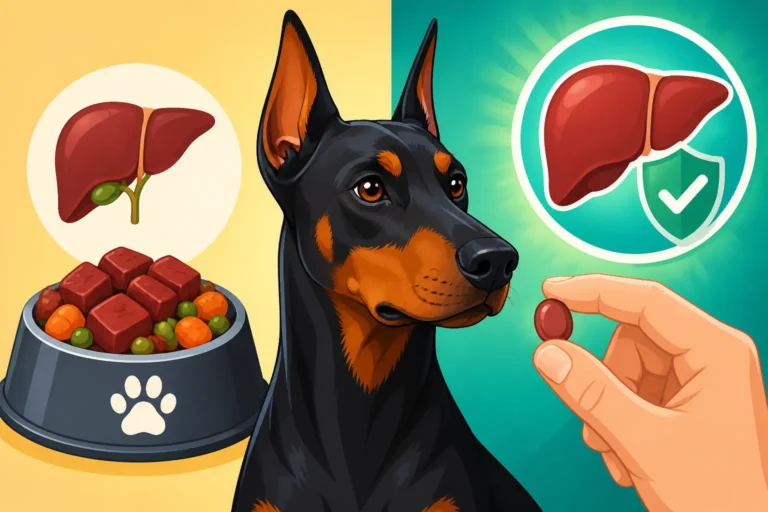
It’s important to remember that supplements are just that—supplements to a balanced diet, not replacements. Always discuss any new supplements with your veterinarian to ensure they are appropriate for your Doberman's specific health profile and won't interact negatively with any medications they might be taking. A good vet can help you choose reputable brands and the correct dosages, ensuring you're investing in products that genuinely support your Doberman's unique needs as they age.
Adapting Mealtime Routines for Senior Comfort and Digestion
Mealtime is a ritual in most Doberman households, and as they age, these rituals might need a little tweaking. What was once a quick gobble might become a slower, more deliberate affair, and certain physical challenges can arise that make eating uncomfortable or difficult. Adapting how and what you feed them can make a huge difference in their enjoyment and ability to properly digest their food.
Softening Food for Dental Health and Easier Chewing
One of the most common issues in senior dogs is dental disease. Years of chewing, even on hard kibble, can lead to plaque buildup, gum recession, and even painful tooth loss. Imagine trying to crunch a dry biscuit with a sore tooth or sensitive gums! This discomfort can lead to a reduced appetite or a reluctance to eat their usual food. You might notice them dropping kibble, chewing on one side of their mouth, or simply taking much longer to finish their meal.
To make eating more comfortable, consider softening their food. This can be as simple as adding warm water or low-sodium broth to their kibble and letting it sit for a few minutes until it's softened. Many Doberman owners also transition to canned food, which is naturally softer and often more palatable, or explore fresh food options. Services like Ollie deliver fresh, gently cooked meals that are easy to chew and highly digestible. Even a mix of wet and dry food can provide a softer texture while retaining some of the crunch they might still enjoy.
Beyond softening, regular dental check-ups become even more critical. Your vet might recommend more frequent dental cleanings, or discuss options for pain management if extractions aren't feasible for a senior Doberman. Maintaining good oral hygiene, even if it's just wiping their teeth with a dental wipe daily, can help prevent further issues and make mealtimes a happier experience. Remember, a healthy mouth is key to a happy senior Doberman. Tartar on an Older Doberman's Molars delves deeper into managing dental health as they age.
Managing Digestion and Preventing Bloat in Older Dobermans
The digestive system can become a bit more sluggish as a Doberman ages, leading to issues like constipation, diarrhea, or just general stomach upset. On top of that, Dobermans are a deep-chested breed, which makes them highly susceptible to Gastric Dilatation-Volvulus (GDV), or bloat – a life-threatening condition where the stomach twists. While bloat can happen at any age, some factors associated with aging, like a weaker stomach ligament, might increase the risk. You should certainly know how to react in case of Recognizing a Doberman Stomach Twist in Time.
To support their digestion and minimize bloat risk, consider feeding smaller, more frequent meals throughout the day rather than one or two large ones. This reduces the amount of food and gas in the stomach at any given time, making it easier to digest and less prone to distention. For example, instead of two big meals, try three smaller ones. Avoiding strenuous exercise immediately before or after meals is also crucial for Dobermans, regardless of age, but especially for seniors. A gentle stroll is fine, but intense play should wait.
Some owners use elevated food bowls, believing they can help prevent bloat, though scientific evidence on this is mixed and some studies even suggest a slightly increased risk with elevated bowls. Discuss this with your vet, considering your individual Doberman’s eating habits and posture. What's more universally accepted is ensuring your Doberman eats slowly. Using slow-feeder bowls or putting a large, non-chokeable object (like a Kong or a clean rock) in their bowl can help them pace themselves, reducing the amount of air they gulp down with their food. If your Doberman has had bloat surgery in the past, often involving a gastropexy, which permanently tacks the stomach to the abdominal wall, you'll still want to be mindful of mealtime practices, even though the risk of twisting is significantly reduced. You can learn more about this procedure in Tacking a Doberman's Stomach While It Is Under.
Hydration Strategies to Support Kidney Function
Hydration is always important, but it becomes absolutely critical for senior Dobermans, especially as kidney function can naturally start to decline with age. Dehydration can exacerbate kidney issues, lead to constipation, and generally make them feel unwell. You might not always notice them drinking less, but it's essential to proactively encourage water intake.
One of the easiest ways to boost hydration is by adding water, low-sodium broth, or even goat milk to their regular meals. If you’re feeding dry kibble, soaking it helps significantly. Another effective strategy is to have multiple water bowls available throughout the house, ensuring there’s always fresh water within easy reach, especially near their favorite resting spots. Some Dobermans are also enticed by pet drinking fountains, as the moving water can be more appealing than a still bowl.
Keep a close eye on their urine output and color. Dark, concentrated urine can be a sign of dehydration. If you notice a significant change in their drinking habits—either drinking much more or much less—it’s always worth a vet visit. Increased thirst can sometimes be a sign of underlying health issues like kidney disease or diabetes. Proactive hydration management is a simple yet powerful tool in keeping your senior Doberman healthy and comfortable.
Grooming with a Gentle Touch: Special Care for Senior Dobermans
Grooming isn’t just about making your Doberman look good; it’s a vital part of their health routine, offering an opportunity to check their skin, coat, and overall well-being. As Dobermans age, their skin can become more delicate, their coat might thin, and mobility challenges can make regular grooming sessions a bit more involved. Approaching these tasks with patience, understanding, and a gentle touch is paramount.
Brushing and Skin Health: Addressing Thinning Coats and Dryness
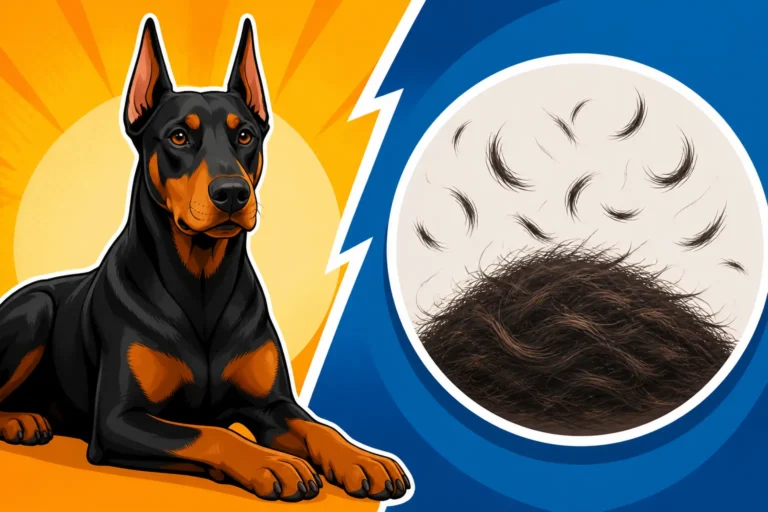
As your Doberman ages, you might notice changes in their beautiful, sleek coat. It could become a bit thinner, especially in areas like their flanks, or you might see more dandruff and general dryness. Their skin can also become more fragile, prone to dryness, and slower to heal. This means brushing, while still important for circulation and removing loose hairs, needs to be done with extra care.
Opt for a very soft brush, like a rubber curry brush or a soft bristle brush, rather than anything with stiff bristles that could irritate their delicate skin. Gentle, short strokes are better than long, aggressive ones. This also gives you a chance to inspect their skin for any new lumps, bumps, or dry patches that could indicate a problem. Dobermans have a single coat, meaning no insulating undercoat, so their skin is already more exposed than many other breeds. Seniority can amplify this sensitivity.
To combat dryness, consider adding a high-quality omega-3 supplement to their diet, which can nourish their skin and coat from the inside out. Shampoos formulated for sensitive skin or those with moisturizing ingredients like oatmeal or aloe vera can also be beneficial. Just be mindful not to over-bathe, as this can strip natural oils and worsen dryness. A bath once every few months, or only when truly necessary, is often sufficient for a senior Doberman's short coat. If you start seeing significant hair loss or persistent skin irritation, it's always best to consult your vet, as it could be a sign of an underlying health issue like thyroid problems.
Nail Trimming and Paw Care for Less Mobile Dobermans
This is an area where seniors often need more assistance. As Dobermans become less active, their nails don’t wear down naturally as much as they used to. Overly long nails can cause significant discomfort, push their toes out of alignment, and even make walking painful, exacerbating any existing joint issues. Imagine trying to walk comfortably when your shoes are too small and push your toes back with every step – that's what long nails can feel like for a dog. This is especially true for Dobermans, who often have strong, black nails that can be tricky to trim. Many owners struggle with Cutting Nails a Doberman Will Not Show You.
Regular, even more frequent, nail trimming is essential. If your Doberman is sensitive about their paws, consider using a Dremel or a battery-operated nail grinder. It can be less jarring than clippers and allows you to take off small amounts at a time, gradually shortening the quick. Learning to correctly use a grinder, especially on black nails where the quick isn't visible, is a skill worth developing, as discussed in Grinding a Doberman Nail You Cannot See Through. If your Doberman finds this stressful, don’t hesitate to ask your vet or a professional groomer for help. Sometimes, a calm, experienced hand can make all the difference.
Beyond trimming, inspect their paw pads regularly. Senior Dobermans might develop thicker, drier pads, or be more prone to cracks and sores if they're dragging their feet slightly due to weakness or neurological issues. Moisturizing paw balms can help keep pads supple. Also, check between their toes for any matting (though rare in Dobermans, it can happen if they step in something sticky) or foreign objects that could cause irritation. If you notice any scuffing on their nails or toes, it can be a sign of a neurological issue like Wobbler Syndrome, so bring it to your vet’s attention immediately.
Ear and Dental Hygiene for a Less Cooperative Senior
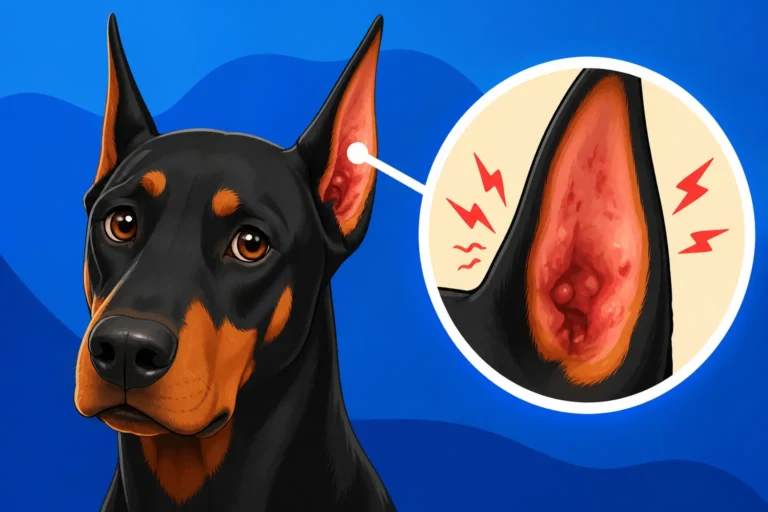
Maintaining ear and dental hygiene in a senior Doberman can sometimes feel like a wrestling match, especially if they’re a bit more stubborn or experiencing discomfort. However, these areas are hotspots for infections and pain, so consistent care is crucial. Older Dobermans, especially those with cropped ears, can still develop wax buildup or yeast infections in the ear canal if not cleaned regularly. Similarly, dental disease can lead to serious health problems beyond just mouth pain, affecting organs like the heart and kidneys.
For ear cleaning, try to make it a calm, positive experience. Use a vet-approved ear cleaner and cotton balls or gauze, avoiding cotton swabs that can push debris further into the ear. If your Doberman flinches or cries during ear cleaning, it could indicate an underlying infection or pain, warranting a vet visit. For uncropped Dobermans, ensure their ear flaps are regularly lifted to allow airflow, as moist, warm environments are perfect breeding grounds for bacteria and yeast.
Dental care for seniors might shift from aggressive brushing to more gentle methods. If daily brushing is too much, try dental wipes or adding dental rinses to their water. Regular professional dental cleanings under anesthesia are often recommended, but your vet will assess if your senior Doberman is a good candidate, given any other health conditions. If a professional cleaning isn't an option, focus on managing plaque and pain through other means, including potentially soft diets that don’t aggravate existing dental issues. The goal is comfort and preventing further infection.
Creating a Comfortable and Accessible Environment
As Dobermans age, their world can shrink. They might not be able to navigate stairs as easily, jump onto the couch with the same grace, or tolerate cold weather as well. Making small adjustments to their living environment can dramatically improve their comfort, safety, and overall quality of life, allowing them to continue enjoying their home and family.
Specialized Bedding and Support for Aching Joints
One of the most immediate and impactful changes you can make for a senior Doberman is investing in high-quality orthopedic bedding. Those bony Doberman joints, especially hips, elbows, and shoulders, become more sensitive with age and arthritis. A thin blanket on a hard floor just won't cut it anymore. Orthopedic beds are designed with dense foam that contours to their body, providing superior support and alleviating pressure points. This can make a huge difference in their ability to get a good night's sleep and reduce stiffness upon waking. Bedding for an Old Doberman's Elbows highlights the importance of this.
Consider having multiple comfortable resting spots strategically placed around the house. If your Doberman loves being near you in the living room, place an orthopedic bed there. Another in the bedroom, and perhaps one near a sunny window for a warm nap. Make sure these spots are in low-traffic areas where they won't be constantly disturbed. If they struggle with getting up from slick floors, consider placing non-slip rugs in key areas where they walk or need to push off from.
You might also consider ramps or steps for accessing furniture if your Doberman was accustomed to joining you on the sofa or bed. While some Dobermans are too proud for this initially, persistent, positive training can help them adapt. Preventing jumps down, which can be hard on aging joints, is just as important as helping them get up. The goal is to minimize strain and make their favorite activities accessible without pain.
Managing Mobility Challenges During Grooming
Grooming a less mobile senior Doberman can present a unique set of challenges. Lifting them into a tub, getting them to stand still for brushing, or simply maneuvering them can be difficult, not only for them but for you too. This is where patience, planning, and a few modifications can make the process much smoother.
For bathing, consider a walk-in shower or a large utility sink if you have one, to avoid lifting them high. Using a non-slip mat in the tub is essential for their safety and confidence. A handheld shower sprayer makes rinsing much easier. If lifting is truly difficult, professional groomers often have hydraulic tables and walk-in tubs that can accommodate large, less mobile dogs, making it a safer and less stressful experience for everyone involved. Sometimes a mobile groomer who comes to your home can be a lifesaver.
When brushing or trimming nails, choose a time when your Doberman is relaxed and comfortable. Lay them down on their orthopedic bed or a soft rug. Offer high-value treats to create a positive association. If they can only stand for short periods, break grooming sessions into smaller chunks. Do their nails one day, their ears another, and a quick brush later in the week. The key is to avoid causing stress or pain, as this will only make future grooming sessions even harder.
Temperature Regulation and Comfort in Cooler Climates
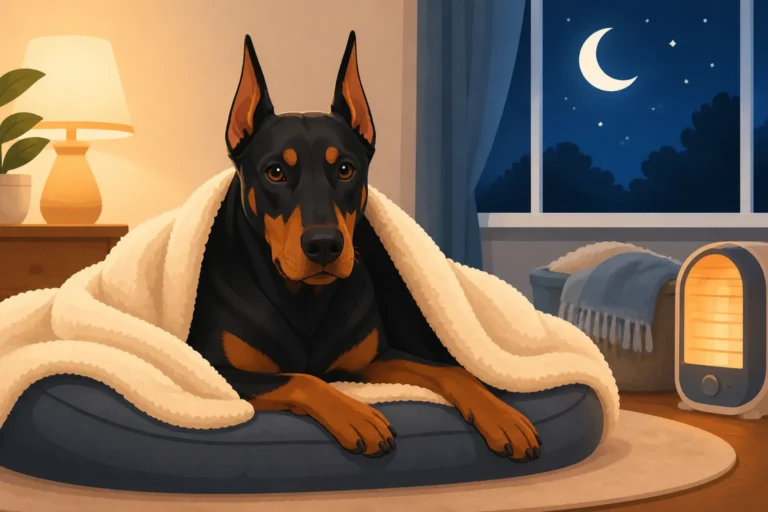
Dobermans, with their short, single coat and lean body mass, are notoriously sensitive to cold. As they age, their ability to regulate body temperature can further diminish, making them even more susceptible to chills and discomfort, particularly in cooler climates or during winter months. You'll likely notice them seeking out sunny spots, burrowing under blankets, or shivering more readily.
Investing in high-quality dog coats and sweaters is essential for your senior Doberman, especially for walks outdoors when temperatures drop. Look for options that cover their chest and belly, as these are areas where heat loss can be significant. Brands like Ruffwear or Hurtta offer excellent, well-fitting coats that can stand up to the elements and provide much-needed warmth. You can explore a variety of options on Chewy or Amazon. Knowing when to layer up is important, and you'll find more specific guidance in Winter Coats Sized for a Doberman.
Indoors, ensure their sleeping areas are warm and draft-free. A heated dog bed or a self-warming mat can be a game-changer for arthritic joints and overall comfort. These beds provide a gentle, consistent warmth that can soothe aches and help them get a deeper, more restful sleep. Just be sure to choose reputable brands and follow all safety instructions. You'll definitely want to check out Heated Beds for a Doberman in Winter for more insights on keeping them cozy. Even just having plenty of soft blankets available for them to burrow into can make a significant difference.
When to Consult Your Vet: Signs Your Senior Doberman Needs More Support
While many changes in senior Dobermans are a normal part of aging, it's crucial to distinguish between typical senior slowing down and signs of underlying health issues that require veterinary attention. Dobermans are stoic by nature, and they often try to hide discomfort, making it even more important for owners to be vigilant. Never hesitate to reach out to your vet if you notice anything out of the ordinary; early intervention can make a world of difference. The Doberman Years When Everything Shows Up reminds us that this is often the time when complex health issues emerge.
Recognizing Subtle Changes in Appetite or Weight
One of the most telling indicators of a Doberman's overall health is their appetite and weight. While we discussed calorie adjustments for slower metabolism, any unexplained or sudden change in appetite, whether an increase or decrease, warrants a vet visit. A Doberman who suddenly stops eating their favorite meal, or a Doberman that seems perpetually hungry despite appropriate feeding, could be signaling a problem. A Doberman That Suddenly Stops Eating explores this further.
Weight loss, particularly if it's unintentional and rapid, is a red flag for senior dogs. It could indicate dental pain, digestive issues, kidney disease, thyroid problems, or even certain types of cancer. Conversely, sudden or rapid weight gain, despite no change in diet, could point to hormonal imbalances or fluid retention related to heart conditions like The Heart Disease That Reaches Most Dobermans. Dobermans are predisposed to this, and monitoring their weight and overall body condition is a simple, yet powerful, screening tool.
Keep a log of your Doberman's weight and appetite. Note down how much they eat each day and if there are any specific foods they refuse. This detailed information can be incredibly helpful for your vet in diagnosing potential issues. Don't dismiss these changes as "just old age"; often, there's an underlying treatable cause that can significantly improve their comfort and extend their healthy lifespan.
Persistent Skin or Coat Issues
While some thinning of the coat or dryness is common in older Dobermans, persistent or severe skin and coat problems are not normal. If you notice chronic flaking, excessive hair loss in patches (beyond general thinning), recurrent skin infections, a dull and brittle coat, or persistent itching that doesn't resolve with basic care, it’s time to consult your veterinarian. These issues can be incredibly uncomfortable for your Doberman and are often symptomatic of deeper health concerns.
Skin problems in senior dogs can stem from a variety of causes, including allergies that have worsened with age, hormonal imbalances (like hypothyroidism, which is common in Dobermans and can cause coat changes and Weight Gain and Low Energy in a Doberman), kidney disease, liver issues, or even immune-mediated conditions. Parasites, while less common in well-cared-for indoor dogs, can also become a bigger issue if a senior Doberman's immune system is compromised.
Your vet will likely perform a thorough physical exam, and may recommend blood tests to check organ function and hormone levels, or skin scrapings and biopsies to rule out other dermatological conditions. The good news is that many skin and coat issues are highly treatable once the underlying cause is identified, leading to a much more comfortable senior Doberman.
Difficulty During Grooming or Eating
Any new or worsening difficulty during previously routine activities like eating or grooming should prompt a call to your vet. If your Doberman starts to shy away from having their ears cleaned, cries out when you touch a certain area, or struggles to chew their food, it’s a clear sign of pain or discomfort. They might not be able to articulate it, but their body language speaks volumes.
For instance, if brushing a certain part of their back elicits a yelp, it could indicate spinal pain or arthritis. If they struggle to lift a paw for nail trimming, it might be due to hip, knee, or ankle pain. Difficulty chewing or dropping food could point to severe dental pain, a jaw issue, or even a neurological problem impacting their ability to use their mouth properly. These are not just "old dog quirks"; they are often cries for help.
Observing these changes is especially important because they directly impact your Doberman's daily comfort and ability to sustain themselves. Your vet can conduct a comprehensive physical exam, palpate joints, check their teeth and ears, and potentially recommend imaging like X-rays or even blood work to pinpoint the source of their discomfort. Addressing pain, whether through medication, supplements, or environmental modifications, is one of the kindest things you can do for your aging Doberman. We want them to enjoy every last meal and cuddle session, and ensuring their comfort is central to that goal. It's often at this stage that we also see the reality of How Many Dobermans Develop DCM and how it impacts their overall health and mobility.
Disclaimer
This article is for general informational purposes only and does not constitute professional advice. Laws, prices and regulations vary by location and change over time. Consult a qualified professional for guidance on your specific situation.