Putting Weight on an Underweight Doberman
It can be incredibly disheartening, even worrying, when your beloved Doberman starts looking a bit too lean, with ribs showing more prominently than you'd like. Many Doberman owners fret over whether their dog is simply "fit" or genuinely underweight, battling the breed's naturally sleek physique against concerns for their health. This guide will walk you through understanding what a healthy weight looks like for a Doberman, identifying the signs of being underweight, and developing a practical plan to help your lean companion thrive and fill out appropriately.
Recognizing and Understanding Underweight in Dobermans
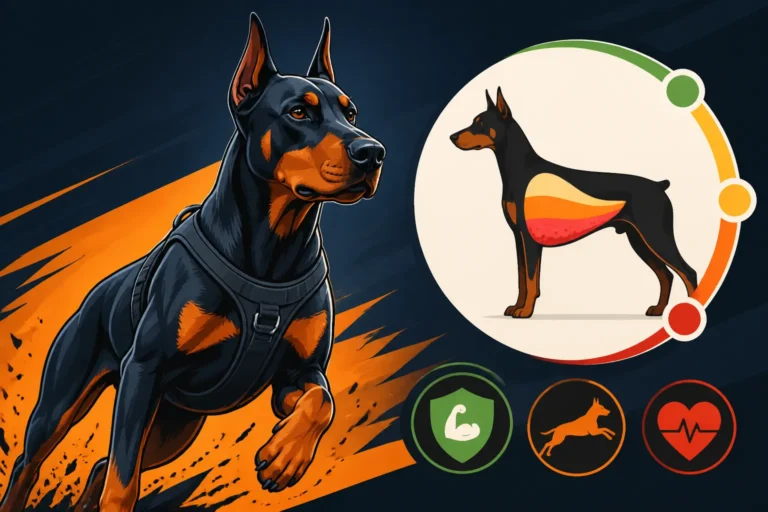
There’s a fine line between a Doberman that’s in peak athletic condition and one that’s actually too thin. Dobermans are known for their elegant, muscular build and often have a leaner appearance compared to some other breeds. But this natural leanness can sometimes mask an underlying issue if they’re actually underweight. It’s not just about aesthetics; being underweight can significantly impact your Doberman's energy levels, immune system, and overall longevity.
What "Underweight" Truly Means for a Doberman
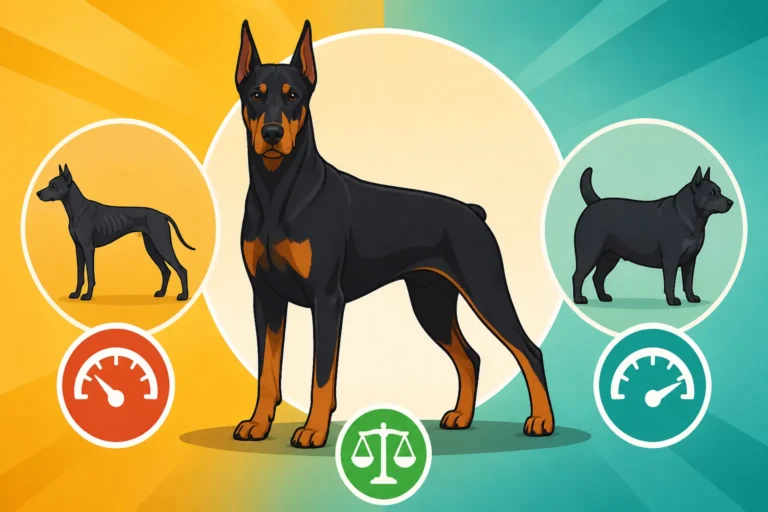
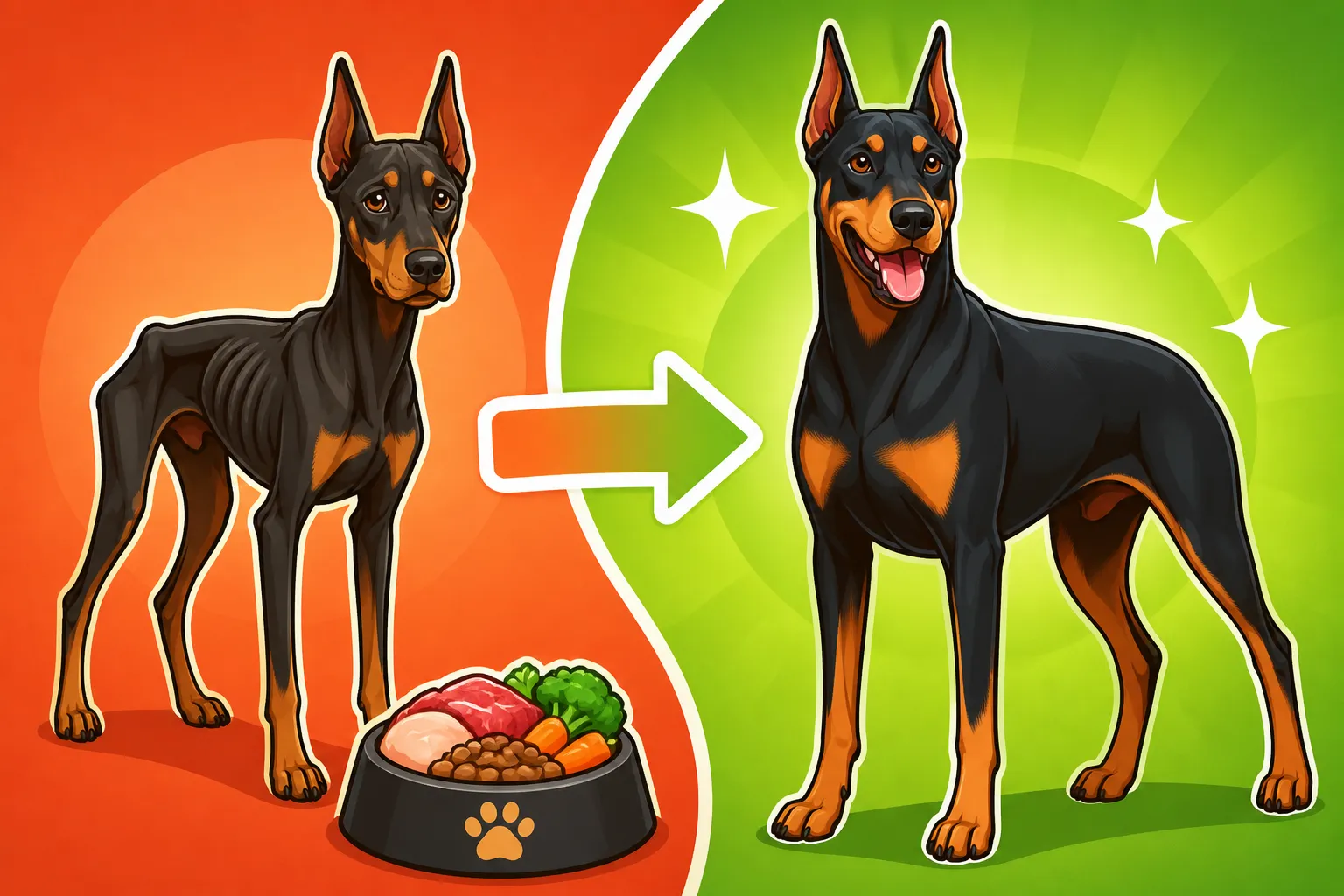
For us Doberman enthusiasts, we often hear that our dogs are "too skinny" from people unfamiliar with the breed. Dobermans are supposed to be lean, with defined musculature and a tucked abdomen. They aren't meant to be bulky or heavy-boned like a Rottweiler or a Mastiff. However, there's a point where "lean" crosses over into "underweight," and that's what we need to watch for. A truly underweight Doberman will show more than just a hint of rib; you might see hip bones, shoulder blades, and even vertebrae protruding sharply. The muscle mass will appear diminished, and they might lack the powerful, smooth movement that defines the breed.
A helpful tool is the Body Condition Score (BCS), which vets often use. It's usually a 1-5 or 1-9 scale. On a 5-point scale, a Doberman is ideally a 3. On a 9-point scale, a 4 or 5 is generally considered ideal. Below these numbers, your Doberman is likely underweight. You should be able to feel their ribs easily, but not necessarily see them prominently without deep palpation. Their waist should be clearly defined when viewed from above, and there should be an abdominal tuck when viewed from the side. If those ribs, hips, and spine are clearly visible from a distance, or feel like sharp edges with no cushioning, it's time for concern. You can read more about what's considered a healthy appearance in Reading Ribs and Hip Points on a Doberman and The Waist a Doberman Should Show From Above.
Common Reasons a Doberman Might Be Underweight
It’s easy to jump to conclusions, but an underweight Doberman isn’t always about not getting enough food. There's a whole host of reasons why your dog might be struggling to maintain a healthy weight. Sometimes it’s simply a metabolic quirk; some Dobermans are just naturally high-energy burners. They're like those people who can eat anything and never gain a pound.
However, other causes can be more serious. Intestinal parasites are a common culprit, as they steal nutrients from your dog’s food before their body can absorb them. Dental issues can make eating painful, leading to a reduced intake, even if the food is available. More concerning are underlying health conditions like malabsorption disorders, inflammatory bowel disease, or even chronic kidney disease. And, heartbreakingly, Dobermans are prone to certain breed-specific conditions that can cause weight loss, such as heart disease (dilated cardiomyopathy or DCM) or thyroid issues. A Doberman with an underactive thyroid, for example, might seem to have low energy and a dull coat, but some may also struggle with weight due to metabolic changes, although weight gain is more common. It's why regular vet checks are so vital. You might also want to read The Thyroid Numbers That Slow a Doberman Down.
The Risks of Allowing Your Doberman to Stay Too Thin
Leaving an underweight Doberman untreated can lead to a cascade of health problems that are far more serious than just looking a bit bony. Their immune system can weaken, making them more susceptible to infections and illnesses. Imagine their body constantly fighting just to keep warm or to fuel basic functions – there's less left in the tank to fight off a virus or heal from an injury.
Muscle wasting is another significant concern. Dobermans rely on their powerful musculature for their distinctive gait, athleticism, and even just getting around comfortably. If they're underweight, they'll lose vital muscle mass, which can lead to weakness, joint problems, and a reduced quality of life. Think about an older Doberman struggling to get up from a lying position, or a younger one that tires too easily on walks. Beyond the physical, there’s an impact on their energy and overall vitality. A dog that isn’t properly nourished simply won't have the mental sharpness or physical stamina to enjoy life to the fullest. They might seem lethargic, withdrawn, or even more anxious because their body isn't able to support their mental well-being.
Initial Steps and Veterinary Consultation
Before you start adding extra scoops to the food bowl, the absolute first and most important step is to involve your veterinarian. This isn’t a situation to tackle with guesswork, especially with a breed as prone to specific health issues as the Doberman. They can help you determine if the leanness is normal for your dog, or if there's a medical reason for the weight loss that needs addressing first.
The Crucial First Vet Visit
When you notice your Doberman looking too thin, the vet is your first and best resource. Don't delay. Your veterinarian will perform a thorough physical examination, checking everything from their teeth to their tail. They'll assess their body condition score, feel their abdomen for any abnormalities, and listen to their heart and lungs. This initial check-up is designed to rule out obvious health concerns. It’s also your chance to discuss your Doberman's diet, exercise routine, and any changes in their behavior or bathroom habits. Be prepared to share details about what they eat, how much, and how often.
Sometimes, just a deworming might be all that's needed if parasites are the culprit. Other times, the vet might suspect something more. It's also important to consider if your Doberman shows any signs of heart trouble, as Dobermans are famously predisposed to Dilated Cardiomyopathy (DCM). Weight loss, especially if accompanied by a cough, lethargy, or reduced exercise tolerance, can sometimes be a sign of underlying cardiac issues. A vet might suggest screening for conditions like The Heart Disease That Reaches Most Dobermans if they hear a murmur or suspect an issue.
Diagnostic Tests Your Vet Might Recommend
Depending on what your vet finds during the physical exam, they might recommend further diagnostic tests. These aren’t just to rack up bills; they’re vital detective work to pinpoint the exact cause of your Doberman's weight loss.
Here's a table outlining common tests and what they might reveal:
| Test Type | What It Involves | What It Can Detect |
|---|---|---|
| Fecal Exam | Stool sample analysis | Intestinal parasites (worms, giardia), bacterial imbalances |
| Bloodwork | Complete Blood Count (CBC) and Chemistry Panel | Anemia, infection, inflammation, liver/kidney disease, pancreatitis, thyroid issues |
| Urinalysis | Urine sample analysis | Kidney function, urinary tract infections, diabetes |
| Thyroid Panel | Specific blood test for thyroid hormone levels | Hypothyroidism (underactive thyroid) or hyperthyroidism (less common in Dobermans causing weight loss) |
| Cardiac Screening | Echocardiogram (ultrasound of the heart) and Holter monitor (24-hour ECG) | Dilated Cardiomyopathy (DCM) or other heart conditions |
| Imaging | X-rays or Ultrasound | Tumors, foreign bodies, inflammatory bowel disease, organ enlargement |
These tests help your vet create a targeted treatment plan. For instance, if your Doberman tests positive for certain genetic markers, like the ones associated with DCM, your vet will discuss specific management strategies. Knowing whether your Doberman carries The DCM1 Gene Test Explained for Doberman Owners or The DCM2 Titin Variant in Dobermans can guide future health monitoring, even if not directly causing current weight loss. Remember, addressing the root cause is always more effective than just trying to pile on extra food without knowing why the weight was lost in the first place.
Debunking Myths: When "Lean" Becomes "Unhealthy"
It’s easy to fall into the trap of thinking a Doberman should be super skinny because they are a naturally lean breed. While it's true they're not supposed to be chunky, there's a difference between a healthy, athletic build and a visibly underweight dog. Many times, well-meaning friends or even casual observers will comment that your Doberman looks "skinny," but that doesn't automatically mean they're unhealthy. We Doberman owners often deal with this perception that our dogs are starving, when in reality, they're perfectly conditioned. However, you, as the owner, know your dog best. You interact with them daily, you feel their ribs, you see their energy levels.
The "unhealthy" point is reached when you can easily see prominent bony structures like ribs, hips, and spinal processes without even touching them. When their waist is severely pinched, almost appearing concave, and there's a noticeable lack of muscle definition, particularly over the hindquarters and topline, that’s when "lean" has become "too thin." A healthy, lean Doberman will have a smooth, powerful look, with muscles that ripple under a taut coat, not bones that stick out sharply. If you're seeing signs that make you think "malnourished" rather than "athletic," trust your gut feeling and consult your vet. They can help you discern between Whether a Doberman Is Meant to Look Thin and when it's genuinely a problem.
Crafting a Tailored High-Calorie Diet
Once any underlying medical conditions have been addressed or ruled out, the next step is to adjust your Doberman's diet to safely and effectively put on weight. This isn't just about feeding more; it's about feeding smarter. You want to ensure they're getting nutrient-dense calories that support healthy weight gain, not just empty fillers.
Increasing Calorie Density Safely
The goal is to provide more calories without overwhelming your Doberman's digestive system or causing them to feel excessively full and lose their appetite. Look for foods specifically designed for "high-energy" or "working" dogs, as these often have a higher fat and protein content, meaning more calories per cup. You can explore options from reputable brands available on platforms like Chewy or Amazon.
When choosing a food, focus on ingredients. High-quality animal proteins (like chicken, beef, or lamb) should be among the first ingredients. Healthy fats, such as chicken fat, salmon oil, or flaxseed, are excellent sources of concentrated calories and can also improve coat health. Be mindful of sudden changes, though. A rapid switch to a much richer food can cause stomach upset. Always transition gradually over 7-10 days, mixing increasing amounts of the new food with decreasing amounts of the old. You can get a better idea of how many calories your Doberman needs in Daily Calories for an Adult Doberman and Feeding an Eighty-Pound Doberman Well.
Strategic Meal Timing and Frequency
Dobermans, with their deep, narrow chests, are predisposed to bloat (Gastric Dilatation-Volvulus), a life-threatening condition. Feeding large meals, especially immediately before or after exercise, can increase this risk. Therefore, when you're trying to add weight, it's crucial to break their daily food allowance into multiple smaller meals throughout the day, rather than just two big ones.
Aim for 3-4 meals per day. This approach helps prevent their stomach from becoming overly distended, improves digestion and nutrient absorption, and keeps their metabolism ticking over. For example, a morning meal, a midday meal, an afternoon meal, and then a final meal in the evening. This also helps with consistent energy levels. Avoid feeding right before a walk or strenuous play. A general rule of thumb is to wait at least an hour after eating before significant exercise, and likewise, wait about 30 minutes after vigorous activity before offering a meal. This strategy is vital and is why Why a Doberman Is Never Fed One Big Meal is such an important consideration for the breed.
Considering Supplements and Additives
Sometimes, even with a high-quality, calorie-dense food, your Doberman might need a little extra boost. This is where supplements and additives come in, but always discuss these with your vet first to ensure they're appropriate and won't interfere with any existing conditions or medications.
- Healthy Fats: Adding extra healthy fats to their meals can be a simple way to increase calories. Fish oil (like salmon oil) is rich in Omega-3 fatty acids, which not only provide calories but also support skin, coat, and joint health. You can also add a small amount of cooked, lean ground meat (drained of excess fat) or cottage cheese, but in moderation to avoid upsetting their digestion.
- Weight Gain Supplements: There are commercially available weight gain supplements formulated for dogs, often containing a blend of fats, proteins, and carbohydrates. Brands like Tomlyn or Nutri-Cal offer calorie-dense pastes or powders. Just be sure to read labels carefully and follow dosage instructions.
- Digestive Enzymes/Probiotics: If your Doberman has difficulty absorbing nutrients (which can be a reason for being underweight), your vet might recommend digestive enzymes or probiotics. These can help improve gut health and nutrient assimilation.
- Taurine and Carnitine: While not directly for weight gain, these amino acids are often recommended for Dobermans due to the breed's predisposition to DCM. Some cardiologists recommend supplementation. If your Doberman is struggling with weight and you’re concerned about heart health, discussing Taurine and Carnitine for a Doberman Heart with your vet is a good idea. Remember, these are to support overall health, not solely to add weight.
Be cautious not to overdo it with human foods or too many fatty scraps, as this can lead to pancreatitis or other digestive issues. The goal is steady, healthy weight gain, not a quick fix that could cause other problems.
Monitoring Progress and Adjusting the Plan
Putting weight on an underweight Doberman is a process, not a one-time event. It requires patience, consistent effort, and regular monitoring to ensure your strategies are working and to make adjustments as needed. Don't expect dramatic changes overnight; slow and steady wins the race when it comes to healthy weight gain.
Regular Weigh-Ins and Body Condition Scoring
Once you've started your weight gain plan, establishing a routine for monitoring your Doberman's progress is critical. This means regular weigh-ins and consistent body condition scoring.
- Weigh-Ins: Aim to weigh your Doberman weekly or bi-weekly. Use the same scale if possible, and weigh them at the same time of day (e.g., first thing in the morning before breakfast). Keep a simple log of their weight. You can weigh yourself, then weigh yourself holding your Doberman, and subtract the difference. As your Doberman gains weight, you'll see those numbers slowly climb.
- Body Condition Scoring (BCS): This is just as important, if not more so, than the number on the scale. While weight tells you a quantity, BCS tells you the quality of that weight (muscle vs. fat). Regularly palpate your Doberman's ribs, spine, and hips. Observe their waistline and abdominal tuck. You're looking for ribs that are easily felt but not visibly seen without firm pressure. The spine and hip bones should no longer protrude sharply. Revisit resources like Reading Ribs and Hip Points on a Doberman to guide your assessment. Take photos every couple of weeks from the side and above. These visual comparisons can be incredibly motivating and helpful to track subtle changes that you might miss day-to-day.
If you're unsure about your BCS assessment, have your vet or a trusted veterinary technician demonstrate it for you. Their experienced eye can often spot nuances we might miss.
Troubleshooting Plateaus and Setbacks
It’s normal to hit a plateau or experience a setback during your Doberman's weight gain journey. Don't get discouraged! This is simply a sign that you might need to tweak your approach.
- Re-evaluate Food Intake: If weight gain stalls, first consider if your Doberman is actually eating all the food you're offering. Sometimes, increasing volume too quickly can lead to them leaving food behind. If they are eating it all, you might need to slightly increase the portion size or switch to an even higher-calorie food. Always make gradual changes.
- Revisit Exercise: Are they burning too many calories? While exercise is essential for muscle development and overall health, an underweight Doberman might need a temporary reduction in high-intensity activities. Focus on moderate, consistent exercise that builds muscle without excessively depleting calorie reserves. You want to maintain fitness, not necessarily train for a marathon during this phase.
- Rule Out New Issues: Sometimes a plateau can indicate a new underlying health issue or a flare-up of a previous one. If your Doberman suddenly stops gaining weight, or worse, starts losing it again, and you've adjusted their diet appropriately, it’s time for another vet check. Conditions like A Doberman That Suddenly Stops Eating or Chronic Ear Infections in a Cropped Doberman (if secondary infection is causing discomfort and reduced appetite) can impact their ability to put on weight. It’s better to be safe than sorry and rule out medical causes first.
- Food Aversion: Some Dobermans can become picky or develop food aversions if they're eating the same thing day in and day out, especially if they associate the food with discomfort. Try rotating protein sources if their current food isn't novel enough. You could also try adding a small amount of a high-value topper, like a spoonful of plain canned pumpkin, cooked chicken, or a little bit of the fresh, human-grade dog food offered by services like Ollie, to make mealtime more appealing. Just ensure the toppers don't upset their stomach or add too much-unbalanced nutrition.
Long-Term Maintenance for a Healthy Weight
Once your Doberman reaches a healthy weight, the work isn't over. The challenge shifts from gaining weight to maintaining it. This is where consistency in diet, exercise, and ongoing monitoring truly pays off.
Continue to follow the principles that led to their successful weight gain: multiple small meals, high-quality, calorie-appropriate food, and regular, consistent exercise. Their calorie needs might slightly decrease once they're no longer actively gaining weight, so you'll need to fine-tune portion sizes based on their activity level and ongoing BCS. Keep up with your regular vet check-ups, even if your Doberman seems perfectly healthy. This allows your vet to catch any subtle changes that might indicate a creeping weight loss before it becomes a major problem. Remember that Dobermans, especially as they age, might experience changes in metabolism or develop conditions that could impact their weight. Being proactive with health testing and dietary adjustments will help ensure your Doberman lives a long, healthy life at their ideal weight.
Addressing Specific Dietary Needs and Challenges
Every Doberman is an individual, and their dietary needs can vary significantly, especially when trying to gain weight. What works for one might not work for another. Understanding these nuances and being prepared to tailor your approach is key to success.
High-Energy Dobermans and Their Unique Demands
Some Dobermans are just bundles of perpetual motion. They seem to burn calories faster than you can feed them, constantly pacing, playing, or just vibrating with energy. If you have one of these high-octane Dobermans, you know the struggle of keeping weight on them. Their caloric demands can be surprisingly high, often exceeding standard recommendations for their size.
For these energetic dogs, you really need to prioritize calorie-dense foods that pack a punch. This often means kibbles with a higher fat content. You might also find success with a combination approach: a high-quality kibble as the base, supplemented with healthy wet food or fresh food components. Services like Ollie, which provide customized fresh meals, might be worth exploring, as they can be very palatable and nutrient-dense. Always ensure any additions contribute to their overall nutritional balance. You'll likely need to consistently feed more than the "recommended" amount on the bag for their weight. Focus on foods that are not only high in calories but also easily digestible to maximize absorption. And ensure they are still getting Protein and Fat for a Lean Working Doberman to fuel their muscles and activity.
The Role of Specific Nutrients: Protein, Fat, and Carbs
When it comes to putting on healthy weight, it's not just about total calories, but the source of those calories. Each macronutrient plays a critical role:
- Protein: Essential for building and repairing muscle tissue. For an underweight Doberman, high-quality protein sources are paramount. Look for foods with at least 25-30% crude protein, with animal-based proteins listed as the first few ingredients. Good protein helps them build lean mass, not just fat.
- Fat: This is your primary source of concentrated calories. Fat provides more than twice the calories per gram compared to protein or carbohydrates. Look for foods with 15-20% crude fat. Healthy fats like chicken fat, beef fat, fish oil, and flaxseed are excellent. They are also crucial for a healthy coat and skin. However, too much fat introduced too quickly can cause digestive upset or pancreatitis, so increase gradually.
- Carbohydrates: Provide energy and dietary fiber. Good carbohydrate sources include whole grains (like brown rice, oats, barley) and vegetables (like sweet potatoes, peas). While important for energy, they should complement the protein and fat, not replace them. Avoid foods with excessive fillers or poor-quality carbs that offer little nutritional value.
A balanced approach that prioritizes high-quality protein and healthy fats, supported by digestible carbohydrates, will be most effective in helping your Doberman gain muscle and healthy fat reserves.
When a Doberman Rejects Food
It's incredibly frustrating when you're trying to put weight on your Doberman, and they just turn their nose up at their bowl. Food rejection can be a sign of many things, from simple pickiness to a serious underlying medical condition.
- Rule Out Medical Causes (Again): If your Doberman suddenly starts rejecting food, especially after previously eating well, this warrants an immediate vet visit. Pain (dental, joint, or internal), nausea, fever, or any new illness can cause a loss of appetite. Conditions like Why a Doberman Can Look Fine and Be Ill can manifest as a subtle disinterest in food.
- Palatability: Sometimes, it's simply that your Doberman doesn't like the taste or texture of the food. Try adding a little warm water or low-sodium chicken broth to kibble to soften it and release aromas. A small amount of plain, cooked, shredded chicken or boiled egg can make the meal more appealing. You can also try rotating protein sources in their food if they're bored of the same flavor.
- Stress or Anxiety: A Doberman's appetite can be affected by stress, changes in routine, or anxiety. Ensure they have a quiet, safe place to eat away from distractions or other pets. If separation anxiety is an issue, they might not eat when you're gone. A Doberman That Cannot Cope When You Go Out can also exhibit reduced appetite.
- Feeding Environment: Check their bowl. Is it clean? Is it too low or too high? For deep-chested breeds, some find raised bowls more comfortable, but research on their effect on bloat risk is mixed, so discuss with your vet. Ensure they have fresh, clean water available at all times.
- Don't Beg or Coax Too Much: While it's natural to worry, constantly coaxing or offering endless alternatives can sometimes create a picky eater. Give them 15-20 minutes to eat, then pick up the bowl. They'll learn that mealtime is finite. If they consistently skip meals, then it's definitely a sign to seek veterinary advice.
Lifestyle Factors Supporting Weight Gain
While diet is paramount for weight gain, it's not the only piece of the puzzle. A Doberman's overall lifestyle plays a huge role in their metabolism, muscle development, and ability to thrive. Optimizing their environment and routine can significantly support their journey to a healthy weight.
Optimizing Exercise Routines
It might seem counterintuitive to talk about exercise when your goal is to add weight, but appropriate exercise is crucial. You want to build lean muscle mass, not just fat. Excessive, high-impact exercise can burn too many calories and strain an already thin dog. Instead, focus on moderate, consistent activity.
Think controlled walks, light jogging, and engaging mental activities rather than long, grueling runs or intense agility sessions while they're underweight. Swimming can be excellent as it's low-impact and builds muscle. Short, frequent play sessions can keep them active without over-exerting them. As your Doberman starts to gain weight and strength, you can gradually increase the intensity and duration of their exercise. Always pay attention to their energy levels; if they're exhausted after a short walk, scale back. The goal is to stimulate appetite and build muscle, not to deplete their energy reserves further.
Reducing Stress and Promoting Rest
Stress, like illness, can burn extra calories and interfere with digestion and nutrient absorption. A Doberman that is constantly anxious, pacing, or experiencing separation distress may struggle to gain weight.
Creating a calm, predictable environment is vital. Stick to a consistent daily routine for feeding, walks, and playtime. Ensure your Doberman has a quiet, comfortable place to rest and sleep, away from household hustle and bustle. Adequate sleep is incredibly important for recovery and metabolism. If your Doberman exhibits signs of significant anxiety or stress, discuss this with your vet or a certified professional dog trainer. Addressing these behavioral issues can have a positive impact on their physical health and ability to gain weight. They won't thrive if they're constantly on edge.
Providing a Comfortable Environment
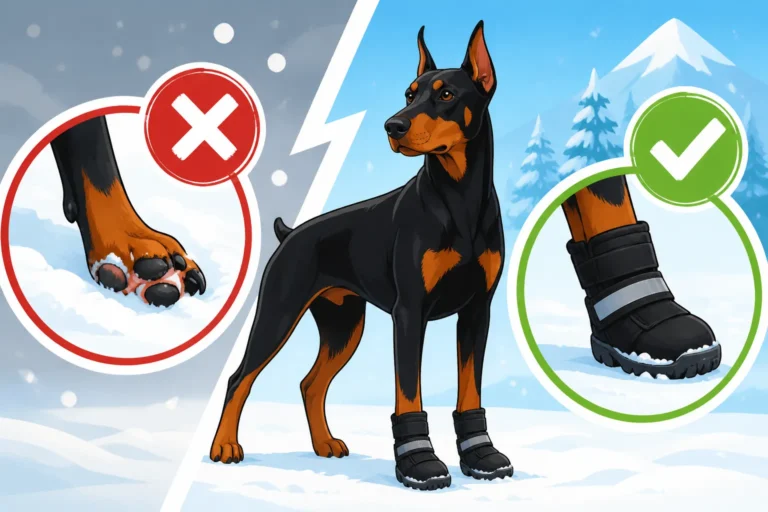
Dobermans have very little body fat and a short, single coat, which means they feel the cold much more acutely than many other breeds. If your Doberman is constantly shivering or trying to conserve heat, they're burning precious calories just to stay warm. This is a common struggle, and it's why Why a Doberman Feels the Cold Before Other Dogs is a crucial consideration for their care.
Ensure your Doberman has warm, soft bedding, especially in cooler weather. A supportive, orthopedic bed can also provide comfort for their lean, bony frame. In colder climates or during winter months, a warm dog coat or sweater is not a luxury, but a necessity, even indoors. Keeping their living environment at a comfortable temperature means they don't have to expend extra energy trying to regulate their body heat, allowing those calories to go towards weight gain and overall health. Providing a truly comfortable and warm resting place is a simple yet effective way to support your Doberman's weight gain efforts.
Disclaimer
This article is for general informational purposes only and does not constitute professional advice. Laws, prices and regulations vary by location and change over time. Consult a qualified professional for guidance on your specific situation.