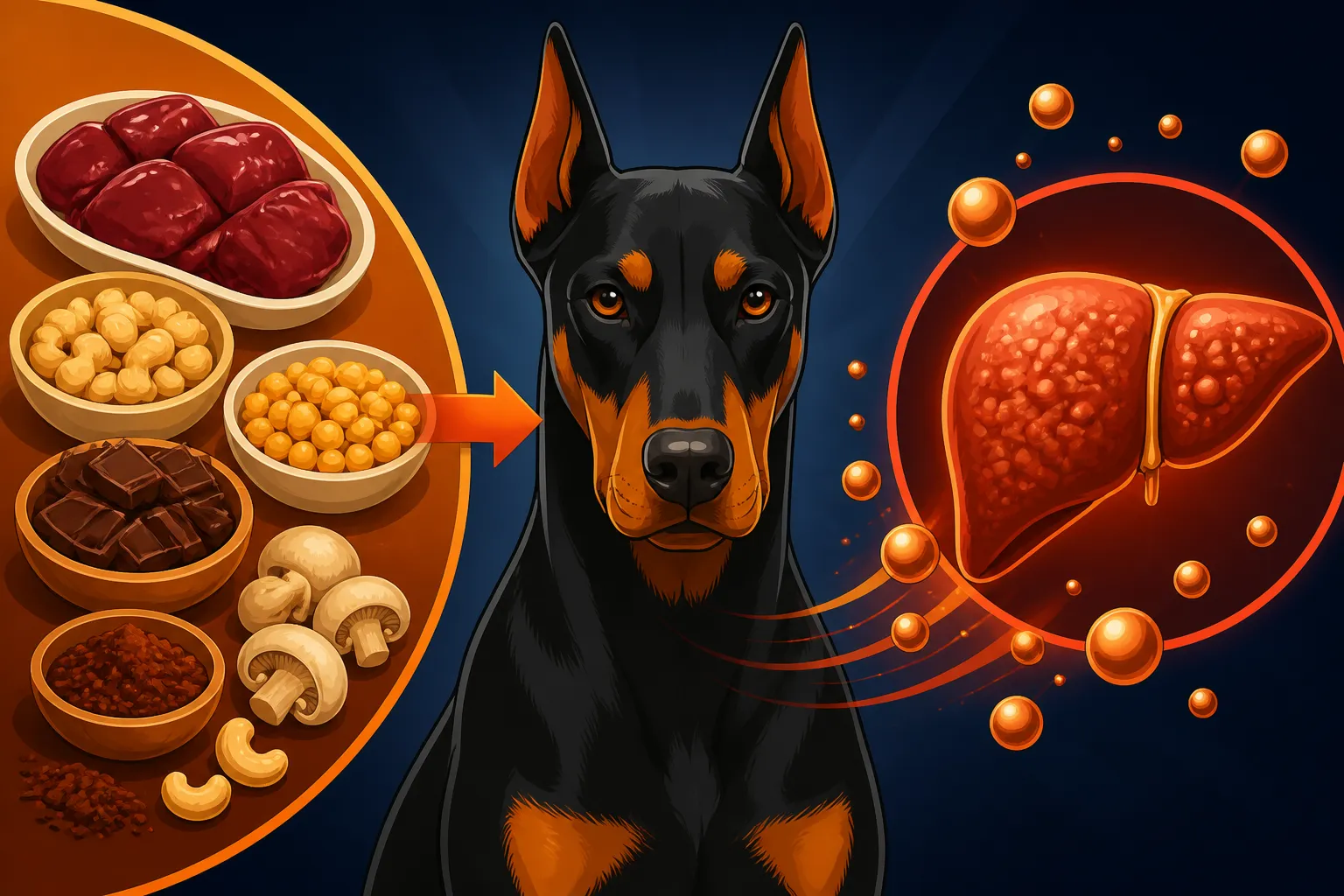
Foods That Load a Doberman Liver With Copper
One of the most concerning silent threats Doberman owners face is the potential for copper storage disease, a condition where this essential trace mineral accumulates to toxic levels in the liver. It's a heartbreaking reality that many Dobermans are unknowingly exposed to diets that exacerbate this genetic predisposition, leading to serious health complications down the line. This comprehensive guide will walk you through which specific foods and ingredients can contribute to dangerous copper build-up in your Doberman's liver, how to read food labels effectively, and what steps you can take to protect your beloved companion.
Understanding Copper Storage Disease in Dobermans
It’s truly a frightening thought to know that something as vital as a nutrient can become a silent killer, especially when your Doberman appears perfectly healthy on the outside. But with copper storage disease, that’s precisely what happens. This isn't just a random ailment; it's a deeply rooted genetic vulnerability in our Dobermans that makes understanding their diet absolutely critical.
What is Copper Storage Disease?
Copper storage disease, often referred to as copper-associated hepatopathy, is a genetic disorder where the liver is unable to properly excrete excess copper. Normally, copper is absorbed from food, used by the body for various metabolic processes, and then the surplus is wisely excreted through bile. In Dobermans susceptible to this condition, that excretion pathway is faulty, leading to a slow, insidious accumulation of copper within the liver cells. Imagine a drain that's constantly clogging, slowly backing up until it overflows – that’s what’s happening in your Doberman’s liver.
Over time, as more and more copper builds up, it starts to cause oxidative damage to the liver cells. This damage leads to inflammation, scarring (fibrosis), and eventually, irreversible liver failure. The cruel irony is that copper is an essential nutrient for many bodily functions, including red blood cell formation, iron metabolism, and nervous system health. It's only in excess, and when the body can't manage it, that it becomes toxic. This makes balancing the diet incredibly tricky for an affected Doberman, demanding a delicate hand and expert guidance.
Why Dobermans Are Prone to It
The Doberman breed carries a specific genetic predisposition for copper storage disease, making them one of the breeds most commonly affected, right alongside Bedlington Terriers and West Highland White Terriers. While research is ongoing to pinpoint all the exact genetic markers involved in Dobermans, it's widely accepted that there's an inherited component that impairs their ability to regulate copper metabolism efficiently. This isn't something that happens to all Dobermans, but the risk is significantly higher compared to the general canine population.
What this means for us as Doberman owners is that we can't afford to be complacent. Even if your Doberman comes from lines with no known history of liver issues, the genetic lottery can still deal a challenging hand. It underscores why careful dietary management and proactive screening are not just good ideas, but absolute necessities. It's about acknowledging a known vulnerability in the breed and taking every possible step to mitigate the risk. You might be interested in reading more about Copper Liver Disease in Doberman Females which discusses specific predispositions.
The Silent Threat: Early Signs and Progression
The most terrifying aspect of copper storage disease in Dobermans is its stealthy nature. It often progresses silently for years, with no outward symptoms whatsoever. Your Doberman can appear perfectly healthy, full of life, and yet, inside, their liver is slowly succumbing to the toxic build-up. This "silent phase" can last for a significant portion of their lives, making early detection incredibly challenging without specific testing.
When symptoms finally do emerge, they are usually indicative of significant liver damage and can include general signs of illness such as lethargy, loss of appetite, vomiting, diarrhea, increased thirst and urination, and weight loss. In more advanced stages, you might notice jaundice (yellowing of gums and eyes), fluid accumulation in the abdomen, or even neurological signs if the liver failure is severe enough to cause hepatic encephalopathy. By the time these signs are obvious, the disease is often well-advanced, underscoring the critical need for proactive dietary management and regular monitoring, especially for How Many Dobermans Have Silent Liver Disease.
Identifying High-Copper Ingredients in Dog Food
Navigating the world of dog food labels can feel like deciphering a secret code, and when you're specifically trying to manage copper levels for your Doberman, it becomes an even more daunting task. Many ingredients that are generally considered healthy and nutritious for dogs can, unfortunately, be copper powerhouses. It’s about balance, and for a Doberman with this predisposition, a standard balance might actually be an overload.
Common Sources of Copper in Commercial Diets
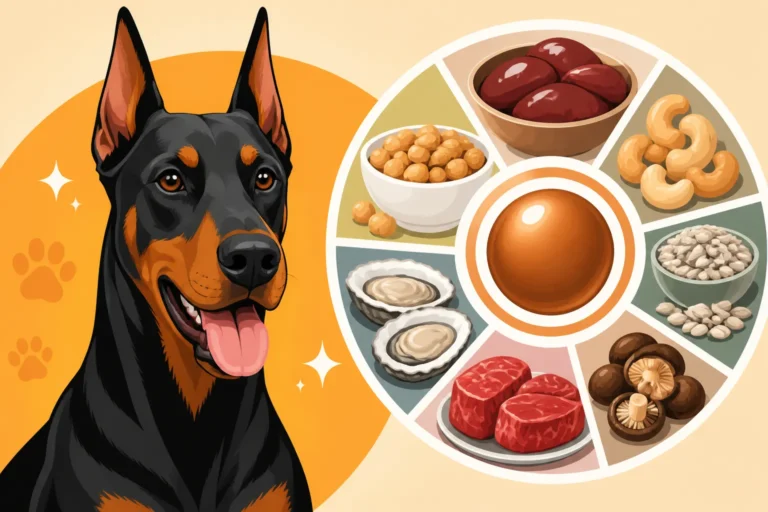
When you look at a dog food label, you'll find copper listed as a trace mineral, usually in the guaranteed analysis, but that doesn't tell the whole story of its source. Many common and otherwise beneficial ingredients are naturally rich in copper. Organ meats, especially liver and kidney, are notoriously high, which makes sense as the liver is the body's processing plant for these nutrients. Beef, lamb, and chicken by-products can also contain significant levels, particularly if they include liver or other organs.
Beyond meats, certain plant-based ingredients also contribute to the copper load. Legumes like peas, lentils, and chickpeas, often used in grain-free diets, can be surprisingly high in copper. Whole grains such as oats, barley, and brown rice also contain copper, though typically in lower concentrations than organ meats or legumes. Even some supplements added to commercial diets, like yeast or certain vitamin and mineral premixes, can boost the overall copper content. Understanding these common culprits is the first step in making informed choices for your Doberman.
Decoding Dog Food Labels
Reading dog food labels requires a sharp eye, particularly when you’re on the hunt for a low-copper option. The guaranteed analysis section will list the minimum or maximum percentage of certain nutrients, but typically copper is listed in parts per million (ppm) or mg/kg. For a Doberman at risk of copper storage disease, ideally, you want a diet with copper levels on the lower end, often below 10-12 mg/kg, but this is a discussion you absolutely need to have with your veterinarian or a board-certified veterinary nutritionist. Some prescription diets for copper storage can go as low as 2-5 mg/kg.
Beyond the numbers, pay close attention to the ingredient list. Ingredients are listed by weight, so those appearing higher up the list are present in greater quantities. If you see liver, kidney, or even 'meat by-products' (which can include organs) high on the list, or a long list of copper-rich legumes, it's a red flag. Look for formulations where these are either absent or very low on the list. Unfortunately, many "all life stages" or "adult maintenance" foods don't consider this specific genetic risk, so it falls to us, the owners, to be diligent. If you're shopping on a site like Chewy or Amazon, you can often filter by ingredient or look for specific veterinary prescription diets.
Supplements and Treats: Hidden Copper Traps
It's easy to focus solely on your Doberman's main meals and forget about the extras, but supplements and treats can be sneaky sources of unwanted copper. Many general-purpose vitamin and mineral supplements include copper to ensure dogs meet their nutritional needs. While good for a healthy dog, this can push an at-risk Doberman over the edge. Always check the label of any supplement you give – joint supplements, skin and coat supplements, even some probiotics might contain trace amounts that add up over time.
Treats are another major area to scrutinize. Many commercially available treats, especially those made with organ meats, are packed with copper. Liver treats, for instance, are incredibly popular and palatable but can be problematic for a Doberman with copper issues. Even certain dental chews or long-lasting chews can have ingredients that contribute to the overall copper load. Always assume that if it's palatable and smells 'meaty,' it could be high in copper. When in doubt, lean towards simple, low-copper treats like plain cooked chicken breast (in moderation) or specific low-copper options recommended by your vet. Remember that every little bit adds up when it comes to managing this sensitive condition.
Specific Food Types to Approach with Caution
When managing your Doberman's diet for copper storage disease, it's not just about avoiding certain ingredients; it's about understanding which categories of food are most likely to be problematic. This takes us beyond just reading labels and into a more holistic understanding of dietary composition.
Organ Meats and By-Products
This is probably the biggest and most important category to be cautious with. Organ meats are nutrient-dense powerhouses, rich in vitamins and minerals, which is why they are often included in high-quality dog foods and praised by nutritionists for healthy dogs. However, for a Doberman with a copper metabolism issue, their very richness becomes their downfall. Liver, kidneys, and sometimes even heart are particularly high in copper.
Consider liver: it's the body's filter and storage unit for many nutrients, including copper. So, when an animal consumes copper, a significant portion of it ends up in the liver. Feeding your Doberman food where liver is a primary ingredient, or regularly offering liver treats, is like intentionally adding fuel to a fire if their body can't process it. By-products, while sometimes containing less desirable parts, can also include various organ meats, so they warrant scrutiny. If your Doberman has been diagnosed or is considered high-risk, organ meats, particularly liver, should be drastically limited or completely eliminated from their diet.
Certain Grains and Legumes
The rise of grain-free diets in recent years, often driven by marketing trends, inadvertently brought forth another copper concern: legumes. While not inherently bad, ingredients like peas, lentils, chickpeas, and soybeans are frequently used as protein sources and fillers in grain-free formulations. What many owners don't realize is that these legumes can contain relatively high levels of copper.
This isn't to say all grains are safe or that all legumes are bad, but it adds another layer of complexity. Some grains, like oats and barley, also contain copper, though generally less concentrated than in certain legumes or organ meats. The key is balance and moderation within the entire diet. If a food heavily relies on legumes as its primary non-meat ingredient, it's worth checking its copper content carefully. Discussing Whether Grain-Free Food Adds to Doberman DCM is also important, as diet can impact various Doberman health concerns.
Fish and Shellfish
While generally considered healthy sources of protein and omega fatty acids, certain types of fish and shellfish can also contribute to a Doberman's copper intake. While not as universally high as liver, some varieties like salmon, cod, and particularly shellfish such as oysters, mussels, and shrimp, contain notable levels of copper. For most healthy dogs, this isn't an issue. However, for a Doberman already struggling with copper regulation, these foods can add to the overall burden.
This doesn't necessarily mean all fish is off-limits, but it does mean being mindful. If you're considering a fish-based diet or supplementing with fish oil (which usually contains negligible copper but should still be checked), it's crucial to confirm the overall copper content with your vet or a veterinary nutritionist. Every little bit counts when you're trying to keep the liver from becoming overloaded.
Raw and Home-Cooked Diets: The Copper Calculation
Many Doberman owners prefer raw or home-cooked diets, believing them to be more natural or beneficial. While these diets can offer control over ingredients, they also present a significant challenge when trying to manage copper levels. It is incredibly difficult to formulate a nutritionally complete and balanced home-cooked or raw diet, let alone one that specifically restricts a trace mineral like copper, without expert guidance.
A common component of many raw feeding protocols is organ meat, specifically liver, which, as we've discussed, is a primary copper concern. If you're preparing your Doberman's meals at home, you need to be acutely aware of the copper content of every single ingredient you add. This often requires precise calculations and a deep understanding of nutritional chemistry, something far beyond what the average pet owner possesses. Without the guidance of a board-certified veterinary nutritionist, home-cooked or raw diets for a Doberman with copper storage disease risk can inadvertently do more harm than good. It's truly a minefield, and for this reason, they are generally not recommended without professional oversight for Dobermans with this condition, as maintaining a proper Zinc and Copper Balance in a Doberman Bowl is complex.
| Food Type/Ingredient | Copper Content (General Range) | Notes for Dobermans |
|---|---|---|
| Beef Liver | Very High (15-50+ mg/kg) | Avoid or strictly limit. Major contributor. |
| Chicken Liver | Very High (10-30+ mg/kg) | Avoid or strictly limit. Major contributor. |
| Lamb Liver | Very High (15-40+ mg/kg) | Avoid or strictly limit. Major contributor. |
| Peas, Lentils, Chickpeas | Moderate to High (5-15 mg/kg) | Use with caution, especially if high in ingredient list. |
| Soybeans | Moderate to High (10-20 mg/kg) | Use with caution, often in plant-based proteins. |
| Whole Grains (Oats, Barley) | Low to Moderate (2-8 mg/kg) | Generally safer than organs/legumes, but still contribute. |
| Beef Muscle Meat | Low to Moderate (1-5 mg/kg) | Generally acceptable as a main protein source. |
| Chicken Muscle Meat | Low (0.5-3 mg/kg) | Generally acceptable as a main protein source. |
| White Rice | Very Low (<1 mg/kg) | Often used in low-copper prescription diets. |
| Fish (Salmon, Cod) | Low to Moderate (1-5 mg/kg) | Can contribute, discuss with vet if major component. |
| Shellfish (Oysters, Shrimp) | High (5-20+ mg/kg) | Avoid or strictly limit. Very concentrated. |
Note: Copper content can vary widely based on sourcing, processing, and specific preparation. Always consult with a veterinary professional for precise dietary recommendations for your Doberman.
Choosing a Low-Copper Diet for Your Doberman
Once you understand the risks, the next logical step is figuring out how to feed your Doberman safely and effectively. This isn't just about picking any dog food; it requires a targeted approach, often involving specialized diets and professional guidance. It's about protecting their liver, which is already working overtime to manage its inherent genetic challenge.
Commercial Low-Copper Prescription Diets
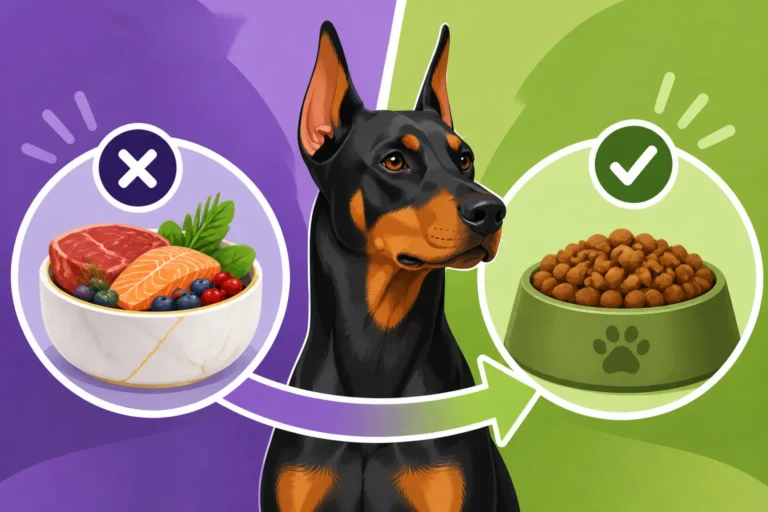
For Dobermans diagnosed with copper storage disease or those identified as being at high risk, commercial low-copper prescription diets are often the safest and most effective choice. These diets are specifically formulated to have tightly controlled copper levels, often significantly lower than typical maintenance dog foods. They are also balanced in all other essential nutrients, taking the guesswork out of home preparation. Brands like Hill's Prescription Diet, Royal Canin Veterinary Diet, and Purina Pro Plan Veterinary Diets offer hepatic formulas that are designed for liver support and copper restriction.
These diets are not something you can just pick up off the shelf; they require a veterinary prescription, as they are considered medical management. Your vet will assess your Doberman’s condition, and liver enzyme results Liver Enzyme Results in a Doberman, and then recommend the most appropriate formula. While they might be more expensive than regular dog food, the peace of mind and the health benefits they offer are invaluable. Many of these can be purchased through your vet's office or online retailers like Chewy with a prescription. For specific guidance on Low-Copper Diets for a Doberman, your vet is your best resource.
Working with Your Vet and a Veterinary Nutritionist
This is paramount. You simply cannot navigate copper storage disease effectively without the expertise of your veterinarian. They are your primary resource for diagnosis, monitoring, and prescribing the right course of action, whether it's through dietary changes or medication. Blood tests, including liver panels and sometimes specialized copper levels, are crucial for assessing the current state of your Doberman's liver.
For a truly tailored and precise approach, particularly if your Doberman has an active disease or you're considering a home-cooked diet, consulting with a board-certified veterinary nutritionist is highly recommended. These specialists have advanced training in animal nutrition and can formulate precise diets to meet your Doberman's individual needs while strictly controlling copper intake. They can help you understand the nuances of Feeding a Doberman Whose Liver Stores Copper and ensure overall nutritional balance, which is incredibly difficult to achieve on your own.
Tips for Home-Cooked Low-Copper Meals
If, after consulting with your vet and potentially a veterinary nutritionist, a home-cooked diet is deemed appropriate for your Doberman, there are crucial guidelines to follow to ensure it's low in copper and nutritionally complete. This is not a task to undertake lightly; improper formulation can lead to other nutrient deficiencies or, conversely, continued copper overload.
Generally, home-cooked low-copper diets will focus on lean muscle meats like chicken breast, white fish (check copper content), or very lean beef as primary protein sources. Carbohydrates typically include white rice or potatoes, which are very low in copper. Vegetables that are lower in copper, such as carrots, green beans, or sweet potatoes, can be included in moderation. Crucially, organ meats are usually strictly avoided. You will almost certainly need to add a specific veterinary-formulated vitamin and mineral supplement that does NOT contain copper to ensure your Doberman gets all other necessary nutrients. Remember, this isn't just "cooking for your dog"; it's a therapeutic diet, and precision is key.
Monitoring and Management Beyond Diet
Diet is a huge piece of the puzzle when it comes to copper storage disease in Dobermans, but it's not the only piece. Effective management requires ongoing vigilance, regular veterinary care, and sometimes, medical intervention. It's a lifelong commitment to ensure your Doberman lives as comfortably and healthily as possible.
Regular Veterinary Check-ups and Bloodwork
Because copper storage disease is often silent until advanced stages, regular monitoring is absolutely vital. This means consistent veterinary check-ups, typically every six to twelve months, depending on your Doberman's age and health status. During these visits, your vet will perform physical exams and, critically, order bloodwork. Key indicators to watch are liver enzyme levels, such as ALT (alanine aminotransferase) and ALP (alkaline phosphatase). Elevated levels can be a sign that the liver is under stress or damaged, prompting further investigation.
Beyond standard liver enzymes, your vet might recommend specific tests for copper levels in the blood or even a liver biopsy for definitive diagnosis and to assess the extent of copper accumulation. Liver Biopsy in a Doberman is the gold standard for diagnosis and often gives the most accurate picture of the disease's progression. These regular checks are the best way to catch any issues early, before significant, irreversible damage occurs, and to help determine Whether Doberman Liver Disease Can Be Caught Early.
Medication and Chelation Therapy
If your Doberman is diagnosed with significant copper accumulation in the liver, diet alone may not be enough to resolve the issue. In such cases, your vet will likely prescribe medication. The primary treatment involves chelating agents, which are drugs that bind to excess copper in the body and help facilitate its excretion. Common chelators include D-penicillamine or trientine. These medications essentially act as "copper magnets," helping to pull the toxic mineral out of the liver and reduce its levels.
Often, these chelating drugs are prescribed for an initial intensive period, followed by a maintenance dose once copper levels are reduced. Your Doberman might also be prescribed supportive medications, such as anti-inflammatories, antioxidants (like S-adenosylmethionine or SAMe), or liver protectants, to help mitigate the damage already done and support liver function. It's a multi-pronged approach, tailored to the individual Doberman's needs. For more specific details, you might want to look into Copper Chelation for a Doberman Liver and Medication for a Doberman With Hepatitis.
Long-Term Outlook and Quality of Life
The long-term outlook for a Doberman with copper storage disease varies greatly depending on how early it's diagnosed and how consistently it's managed. If caught early and managed diligently with a strict low-copper diet and, if necessary, chelating medication, many Dobermans can live a good quality of life for many years. Regular monitoring is key to adjusting treatment as needed and staying ahead of any potential flare-ups.
However, if the disease is diagnosed in advanced stages with significant liver damage or cirrhosis, the prognosis can be guarded. Even with aggressive treatment, the liver may not fully recover, and managing symptoms becomes the priority. This is why vigilance in diet and regular vet visits from a young age are so crucial for Dobermans. It's about giving them the best possible chance against a challenging genetic hand. Understanding How Long a Doberman Lives With Liver Disease depends heavily on early intervention and dedicated ongoing care.
Disclaimer
This article is for general informational purposes only and does not constitute professional advice. Laws, prices and regulations vary by location and change over time. Consult a qualified professional for guidance on your specific situation.