The Temperature a Doberman Needs a Coat
It's a familiar sight for many Doberman owners: you're bundled up for a crisp autumn walk, but your sleek, short-coated Doberman is already shivering, looking at you with those pleading eyes. Deciphering exactly when your Doberman genuinely needs a coat, rather than just tolerating the chill, can be a real head-scratcher. This comprehensive guide is here to help you understand your Doberman's unique susceptibility to cold and navigate the often-confusing world of canine winter wear, ensuring your loyal companion stays warm and comfortable no matter the weather.
Understanding Your Doberman's Unique Cold Sensitivity
Dobermans, with their elegant, streamlined physiques, are not built for harsh winters. Unlike many other breeds that boast thick double coats or ample body fat, Dobermans possess a single, short coat and a very lean body composition. This combination makes them particularly vulnerable to cold temperatures, often much more so than their owners might initially assume. It’s not just about looking stylish in a coat; it’s about their fundamental comfort and health.
Why Dobermans Get Cold So Easily
The primary reason our Dobermans feel the cold so acutely lies in their genetics and physical build. Imagine standing outside in a t-shirt when everyone else has a heavy jacket on – that’s essentially what your Doberman experiences in cool weather. They lack the insulating undercoat found in breeds like Huskies or German Shepherds, which acts as a natural thermal barrier. Their sleek, close-lying topcoat offers minimal protection against wind, rain, or snow, meaning that cold air penetrates directly to their skin. It's a design flaw, perhaps, for dogs bred to work in warmer climates, but a reality we, as their caregivers, must acknowledge.
Furthermore, Dobermans typically have very little subcutaneous fat. They are athletic, muscular dogs, built for speed and agility, not for storing blubber to keep them warm. This low body fat percentage, while contributing to their striking appearance, means they have fewer natural reserves to draw upon to maintain their core body temperature. When you combine their thin coat with a lack of insulating fat, you quickly understand why they can start to shiver even when the air feels merely "cool" to us. It's a stark contrast to a fluffy retriever or a stout bulldog; our Dobermans are simply not equipped to brave the elements unprotected. This is a point many new Doberman owners discover the hard way, often feeling a pang of guilt when their beloved companion is visibly uncomfortable, leading them to search for information on Why a Doberman Feels the Cold Before Other Dogs.
The Role of Body Fat and Coat Type
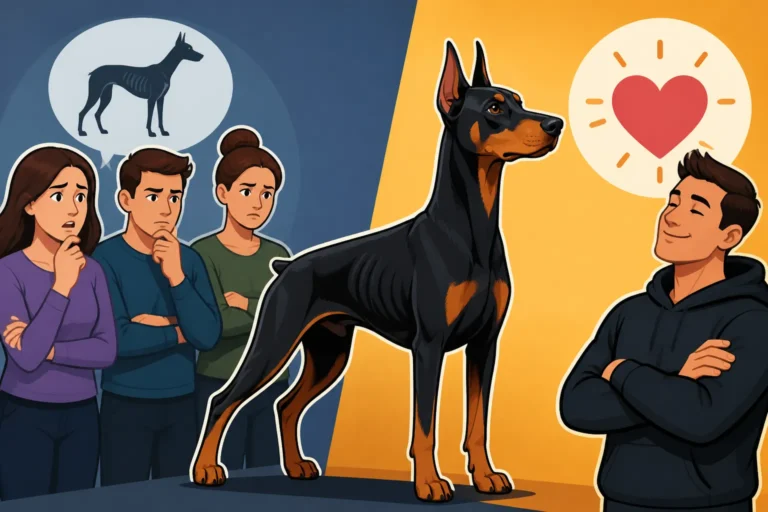
As mentioned, a Doberman's lack of substantial body fat and their single, short coat are the chief culprits in their cold intolerance. While a healthy Doberman should be lean, with ribs just palpable but not visible, an exceptionally thin Doberman might feel the cold even more acutely. Sometimes, people mistakenly believe a Doberman should be very bony, but there's a fine line between lean and underweight. An underweight Doberman will have an even harder time regulating their body temperature. Think of it this way: their skin is their first line of defense, and if that defense is thin fur with no fatty insulation beneath, they're exposed.
Their coat type, specifically, is a short, hard, thick, and close-lying one. It sheds dirt easily and looks incredibly sleek, but it’s utterly useless against sustained cold. It doesn't trap warm air like a longer, denser coat would. This means that a slight breeze can cut right through their fur, dropping their skin temperature rapidly. You might notice your Doberman seeking out sunbeams or burrowing into blankets indoors, even when you're perfectly comfortable. This isn't just a quirk; it's an instinctual response to their body's need to conserve warmth. Recognizing this inherent vulnerability is the first step in providing them with appropriate protection, like the right Winter Coats and Cold-Weather Gear for a Doberman.
Age and Health Factors in Cold Tolerance
It’s also crucial to remember that a Doberman's ability to withstand cold isn't static; it changes throughout their life and can be affected by their health. A young, robust adult Doberman might tolerate slightly cooler temperatures better than a fragile puppy or an older senior dog. Puppies, with their underdeveloped thermoregulation systems and smaller body mass, chill very quickly. It's not uncommon to see a Doberman puppy shivering violently in temperatures that an adult might manage for a short period.
Similarly, senior Dobermans often have reduced muscle mass, slower metabolisms, and can develop health issues that impact their body temperature regulation. An older Doberman with conditions like hypothyroidism or even early stages of heart disease might feel the cold more severely than a healthy counterpart. For instance, a Doberman facing The Thyroid Numbers That Slow a Doberman Down will often have a harder time staying warm. It’s imperative to consider their overall health and age when deciding if they need an extra layer. If your Doberman is recovering from an illness, has a compromised immune system, or is simply getting on in years, they will likely need a coat at higher temperatures than a healthy adult. Always err on the side of caution with puppies and seniors, as their health can decline rapidly if they become too cold.
Identifying the Critical Temperature Threshold
So, you understand why your Doberman gets cold, but the burning question remains: at what specific temperature do they need a coat? Unfortunately, there isn't a single magic number that applies to every Doberman in every situation. It's a combination of factors, including the actual temperature, wind chill, precipitation, and your dog's individual resilience. However, we can establish some general guidelines and, more importantly, teach you how to read your Doberman's subtle cues.
General Guidelines for When a Coat is Essential
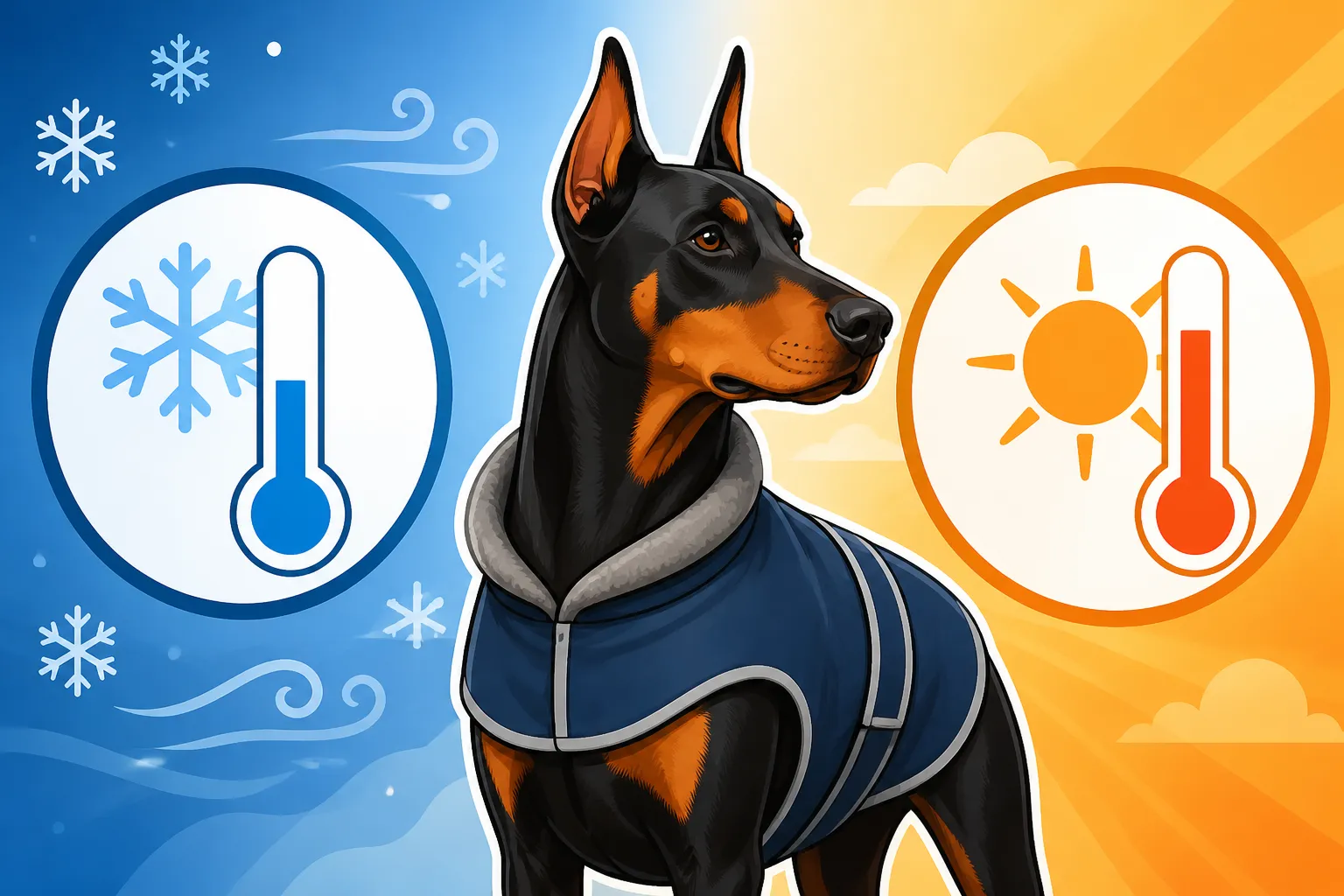
While every Doberman is an individual, there are some commonly accepted temperature ranges that serve as helpful benchmarks. For most Dobermans, once the temperature drops below 45°F (7°C), it's a good idea to start thinking about a light coat, especially for extended outdoor periods or if there's any wind or dampness. Below 32°F (0°C), a warm, insulating coat becomes practically non-negotiable for all but the shortest potty breaks, even for healthy adult Dobermans. Anything below 20°F (-7°C) is considered potentially dangerous for Dobermans, and walks should be extremely brief and accompanied by maximum protection.
It’s not just the number on the thermometer, though. Consider your own comfort level. If you're stepping outside and immediately feel a noticeable chill, your Doberman is likely feeling it even more acutely. Many owners find it helpful to use the "rule of thumb" where if you need a jacket, your Doberman probably needs a coat. This isn't a hard and fast scientific rule, but it helps adjust your human perception to their canine reality. A Doberman truly needs assistance in regulating their body temperature far more often than breeds with denser coats.
| Temperature Range | Doberman Comfort Level | Recommendation for Outdoor Exposure (Healthy Adult) |
|---|---|---|
| Above 50°F (10°C) | Generally comfortable | No coat typically needed |
| 45°F – 50°F (7°C – 10°C) | Mildly cool | Light coat recommended for prolonged exposure |
| 32°F – 44°F (0°C – 6°C) | Noticeably cold | Insulated coat almost always recommended |
| Below 32°F (0°C) | Very cold, risk of hypothermia | Warmest coat for short durations only, minimize time outdoors |
| Below 20°F (-7°C) | Dangerous, high risk of frostbite | Avoid outdoor exposure unless absolutely necessary, very brief potty breaks with full gear |
Note: These are general guidelines. Individual Dobermans, especially puppies, seniors, or those with health conditions, may need protection at higher temperatures.
Observing Your Doberman's Behavior in Cooler Weather
Your Doberman will tell you when they're cold, if you know what to look for. They might not be able to verbalize it, but their body language speaks volumes. The most obvious sign is shivering or trembling, often starting in their legs or flanks. This is their body's attempt to generate heat through muscle contractions. However, don't wait for shivering to start; look for earlier, more subtle cues.
Other signs of being cold include hunching their back, tucking their tail tightly between their legs, lifting paws off the ground alternately, or actively trying to seek shelter or warmth, perhaps by trying to walk closer to you or by ducking under your arm. You might also notice them moving more slowly or becoming reluctant to engage in their usual playful activities. If your Doberman is usually a spirited walker but is now plodding along with a worried expression, chances are they're feeling the chill. Pay close attention to these signals, especially during your Winter Walks With a Thin-Coated Doberman. It’s far better to put a coat on them proactively than to wait until they are visibly uncomfortable and cold, potentially risking their health.
Adjusting for Wind Chill and Precipitation
The actual air temperature is only part of the equation. Wind chill can dramatically increase how cold your Doberman feels, just as it does for humans. A breezy 40°F (4°C) day can feel like a freezing 25°F (-4°C) to their exposed skin, stripping away body heat at an alarming rate. Imagine the wind cutting through their thin coat – it's like an ice pick. Always check the "feels like" temperature, not just the raw temperature, when planning outdoor activities.
Precipitation, whether it's rain, sleet, or snow, adds another layer of challenge. A wet coat loses its minimal insulating properties completely, and moisture against their skin draws heat away incredibly quickly. Even a light drizzle can make a moderately cool day feel bone-chilling to a Doberman. If there's any chance of rain or snow, a waterproof and ideally insulated coat is absolutely essential. This isn't just about comfort; it's about preventing hypothermia. A Doberman can quickly become dangerously cold if wet and exposed, so always be prepared to provide adequate protection, as discussed in How Long a Doberman Can Be Out at Thirty-Five Degrees. Living in an area with harsh winters requires extra diligence, and you'll want to seriously consider Whether a Doberman Manages a Northern Winter without comprehensive protection.
Choosing the Right Coat for Your Doberman
Once you've determined that your Doberman needs a coat, the next step is selecting the right one. This isn't a one-size-fits-all situation. The ideal coat depends on your local climate, your Doberman's specific needs, and the activities you'll be doing together. A coat for a quick potty break in light drizzle will be very different from one needed for an hour-long walk in freezing, windy conditions.
Material Matters: Waterproof, Insulated, or Fleece
The material of your Doberman's coat is paramount to its effectiveness.
- Waterproof/Water-Resistant Outer Shells: If you live in an area prone to rain, sleet, or wet snow, a coat with a waterproof or highly water-resistant outer layer is non-negotiable. This shell prevents moisture from penetrating to your Doberman's skin, which is vital for preventing rapid heat loss. Many quality coats will specify their waterproof rating. Look for fabrics like ripstop nylon with a DWR (durable water repellent) finish.
- Insulated Fillings: For genuinely cold temperatures, insulation is key. This usually comes in the form of synthetic batting, fleece lining, or even down alternatives. These materials trap air, creating a thermal barrier against the cold. The thicker the insulation, generally the warmer the coat. Fleece-lined options are popular for their softness and warmth, but ensure the outer layer offers adequate protection against moisture if needed.
- Fleece Only: For slightly cooler, dry days, or for indoor warmth, a simple fleece jacket can be perfect. It’s breathable and comfortable, providing a cozy layer without being too bulky. However, fleece offers little to no wind or water resistance, so it's not suitable for harsh outdoor conditions. Many Doberman owners use fleece pajamas indoors for older dogs or those with Bedding a Doberman With No Body Fat who need extra warmth overnight.
When browsing online retailers like Amazon or Chewy, you'll find a vast array of options. Pay close attention to the product descriptions to understand the material composition and intended use. Don't just pick the cutest one; prioritize function over fashion, especially when the mercury drops.
Fit and Comfort: Ensuring Mobility and Safety
A coat, no matter how warm, is useless (or even detrimental) if it doesn't fit properly. Dobermans have a distinctive body shape: deep chests, lean waists, and relatively long legs. This can make finding a well-fitting coat a challenge. A coat that is too tight can restrict movement, chafe their skin, or be uncomfortable. One that is too loose can shift around, snag on things, or allow cold air to sneak in.
Look for coats specifically designed for deep-chested breeds, or those with adjustable straps around the chest and belly. The coat should cover the dog's back from the base of the neck to the tail, and ideally cover a good portion of their belly to protect vital organs. Make sure it doesn't impede their leg movement or interfere with potty breaks. Many Doberman owners swear by companies that offer specific sizing for athletic, deep-chested dogs. Measuring your Doberman accurately (back length, chest girth, neck girth) is essential before ordering online. A poorly fitting coat can make your Doberman miserable, and you’ll quickly realize the importance of Coats That Actually Fit a Doberman's Chest.
Features to Look for: Neck Coverage, Leg Straps, Reflectivity
Beyond material and fit, certain features can enhance a coat's functionality and your Doberman's safety.
- Neck Coverage: Many Dobermans benefit from coats that offer a high collar or even a snood-like extension that covers part of their neck. This area is often exposed and can lose a lot of heat.
- Leg Straps: Elastic leg straps (often for the hind legs) help keep the coat from shifting or blowing up in windy conditions, ensuring better coverage.
- Reflectivity: For walks during darker winter months, reflective strips or piping on the coat are a huge safety bonus. They make your Doberman much more visible to drivers, cyclists, and pedestrians, which is crucial for early morning or evening outings.
- Leash Opening: A practical design feature is a leash opening or harness attachment point that allows you to secure your leash without having to pull the coat out of the way, which can be a hassle, especially with layered clothing.
- Ease of Use: Think about how easy it is to put on and take off, especially if your Doberman isn't keen on dressing up or if you're fumbling with gloves in the cold. Velcro closures, buckles, or simple step-in designs are often preferred over complicated zippers or snaps.
Brands like Hurtta or Ruffwear, often available on sites like Chewy or Amazon, are well-regarded for designing durable, functional coats with these considerations in mind. For high-quality, long-lasting gear, sometimes paying a bit more upfront saves you money and hassle in the long run.
Beyond the Coat: Comprehensive Cold Weather Care
While a good coat is a critical piece of the puzzle, keeping your Doberman warm and healthy in cold weather involves a more holistic approach. It’s about creating a warm environment, adjusting their routine, and paying attention to their overall well-being.
Indoor Warmth and Bedding Considerations
Even when indoors, Dobermans can feel the chill, especially if your home tends to be on the cooler side or if they spend time in unheated areas like basements or garages. Their thin coats and low body fat mean they lack natural insulation, so providing ample indoor warmth is just as important as outdoor gear. Consider drafts, especially near doors and windows, and make sure their primary resting spots are away from these cold zones.
Proper bedding is crucial for a Doberman's comfort and joint health year-round, but it becomes even more vital in colder months. A thin blanket on a hard floor simply won't cut it. Look for elevated beds that keep them off cold floors, or thick, well-padded orthopedic beds that provide insulation from below. Many Doberman owners find that Heated Beds for a Doberman in Winter are a game-changer, offering a consistent source of soothing warmth. If a heated bed isn't an option, a thick, plush dog bed combined with several soft blankets that your Doberman can burrow into will make a huge difference. Encouraging them to Keeping a Doberman Warm Overnight Indoors ensures they wake up rested and warm, rather than stiff and chilled.
Winter Exercise and Paw Protection
Dobermans are active dogs that need regular exercise, even when it's cold. However, modifications to their winter exercise routine are often necessary. Short, brisk walks are generally better than long, slow strolls, as sustained movement helps them generate and maintain body heat. On truly frigid days, consider shorter, more frequent outdoor trips or supplement with indoor games and mental enrichment activities to keep them stimulated without prolonged exposure to the cold. Don't push them to exercise if they're clearly uncomfortable or shivering, as this can lead to exhaustion and a dangerous drop in core temperature.
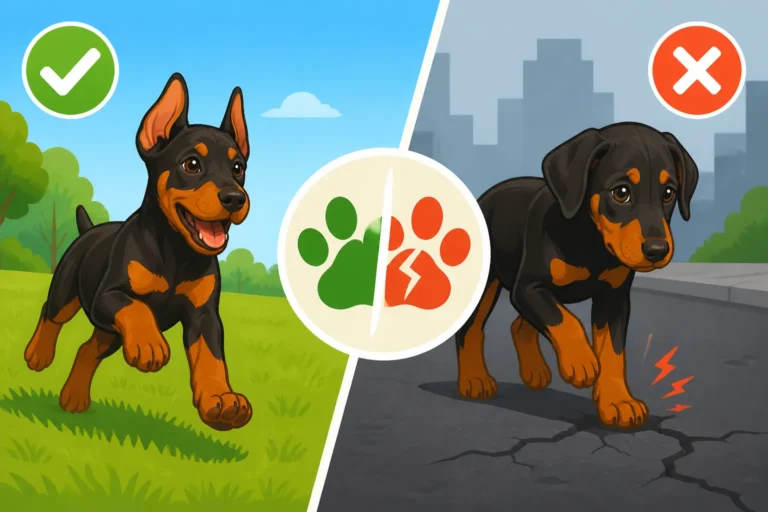
Paw protection is another critical, often overlooked, aspect of winter care. Cold pavement, ice, rock salt, and de-icing chemicals can all be detrimental to your Doberman's paws. The pads can become dry, cracked, and painful, and chemicals can cause irritation or be ingested when they lick their paws. Dog boots or booties are an excellent solution, providing both insulation and a barrier against harsh elements. If boots aren't an option or your Doberman simply won't tolerate them, a paw balm or wax (like Musher's Secret, available on Chewy or Amazon) applied before walks can offer some protection, and always be sure to wipe their paws thoroughly with a damp cloth after every outing to remove any salt or chemicals.
Nutrition Adjustments for Cold Weather
While not every Doberman will need a drastic dietary overhaul in winter, some adjustments can be beneficial, especially for highly active dogs or those that tend to run a bit colder. Maintaining a healthy weight is always important, but an underweight Doberman will struggle even more in cold weather. If your Doberman spends more time outdoors in active pursuits, they might burn more calories to stay warm, and a slight increase in their daily food intake could be warranted.
Consult with your veterinarian before making significant dietary changes, but generally, ensuring they receive high-quality nutrition will support their overall health and energy levels. Some owners also consider adding a bit more healthy fats to their Doberman's diet during colder months, as fat is a dense source of calories that can help with warmth. Again, this should be done cautiously and under veterinary guidance to avoid upsetting their digestive system or contributing to unhealthy weight gain. For an aging Doberman, particularly, you might want to consider What an Old Doberman Should Eat Differently to ensure they're getting adequate nutrients to combat the cold and maintain muscle mass. Regardless of the season, a balanced diet is foundational for good health, and brands like Ollie offer fresh, customized meal plans that can be tailored to your dog's specific needs.
Common Myths and Mistakes About Dobermans and Cold
There are a lot of misconceptions floating around about dogs and cold weather, and Dobermans, with their imposing appearance, often fall victim to these misunderstandings. It's important to debunk these myths to ensure your Doberman receives the appropriate care.
The "Tough Dog" Misconception
One of the most pervasive myths is that Dobermans, being "tough" or "working" dogs, are inherently resilient to cold. This couldn't be further from the truth. While they are indeed strong, intelligent, and courageous, their physical build—short coat, minimal body fat—makes them incredibly vulnerable to low temperatures. Their mental toughness does not translate to physical imperviousness to cold. It's easy to assume that because they are a protection breed, they should be able to handle anything, but that's a dangerous oversimplification.
This misconception can lead owners to underestimate the need for coats or to leave their Dobermans outside for too long in cool weather, thinking they'll be fine. In reality, a Doberman left in the cold without protection can quickly develop hypothermia, which is a serious and potentially fatal condition. Just because they don't complain vocally doesn't mean they aren't suffering. We, as Doberman owners, have a responsibility to look past their "tough" image and see them for the sensitive, short-coated creatures they truly are. Their stoicism can sometimes work against them, as they might not outwardly show distress until they are already quite cold.
Overdressing vs. Underdressing: Finding the Balance
While the emphasis here has been on ensuring your Doberman is warm enough, it's also possible to overdress them, though this is far less common than underdressing. On milder cool days, putting a thick, heavily insulated coat on your Doberman could lead to them overheating, especially if they are actively exercising. Signs of overheating include excessive panting, lethargy, or seeking cool spots to lie down.
The key is finding the right balance for the specific conditions and your Doberman's activity level. For a brisk walk in 40°F (4°C) weather with no wind, a medium-weight fleece-lined jacket might be perfect. For a slower walk in 25°F (-4°C) with some wind, a heavier, insulated, and waterproof coat would be more appropriate. Think of it like dressing yourself: you wouldn't wear your heaviest winter parka for a cool autumn stroll. Pay attention to the nuanced weather conditions and your Doberman's individual needs. It's always better to have a range of coat options, from light fleece to heavy-duty parkas, to cover all your bases, rather than relying on a single, all-purpose coat.
Not All Coats Are Created Equal
Finally, a common mistake is assuming that any dog coat will do. As we've discussed, Dobermans have a very specific build, and a generic coat designed for a flatter-chested, more barrel-bodied breed simply won't fit well or offer adequate protection. A coat that gapes open at the chest or leaves their belly exposed defeats the purpose entirely.
Investing in a quality coat designed with Doberman-like proportions in mind is worth the cost. Look for brands that offer detailed sizing charts and perhaps even models specifically cut for deep-chested dogs. Materials and construction also vary wildly; a cheap, flimsy coat might tear easily, offer minimal insulation, or quickly lose its water resistance. Consider the longevity and effectiveness of the coat. A good coat is an investment in your Doberman's comfort and health, allowing them to enjoy walks and outdoor time even when the weather isn't perfectly warm and sunny. Just like you wouldn't buy the cheapest, thinnest raincoat for yourself in a downpour, don't skimp on your Doberman's essential winter gear.
Disclaimer
This article is for general informational purposes only and does not constitute professional advice. Laws, prices and regulations vary by location and change over time. Consult a qualified professional for guidance on your specific situation.