Insuring a Doberman Before the Heart Turns
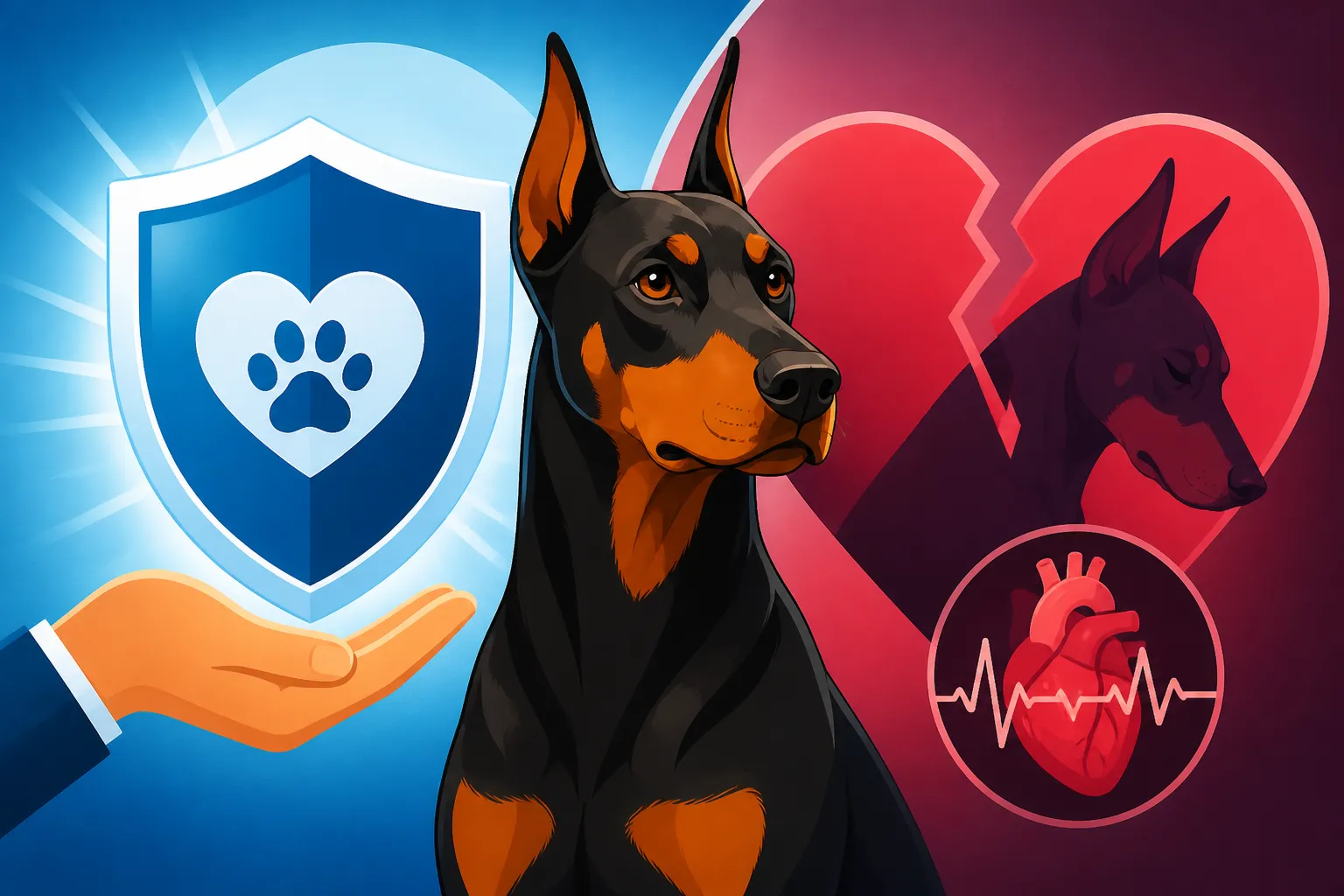
Bringing a Doberman into your life is an incredible experience, but it comes with a unique set of heart-wrenching realities, chief among them being the looming threat of Dilated Cardiomyopathy (DCM). The thought of this silent killer striking, and the massive financial burden that follows, is enough to keep any devoted Doberman owner up at night. This guide isn't just about understanding pet insurance; it's about strategically protecting your Doberman and your wallet before the unthinkable happens, giving you peace of mind and your beloved companion the best chance at a longer, healthier life.
Understanding the Doberman's Heartbreaking Reality
Let's be brutally honest: Dobermans are prone to heart disease, specifically Dilated Cardiomyopathy (DCM). This isn't a secret, and if you're a Doberman owner or considering becoming one, it's a truth you absolutely must face head-on. It’s not a matter of "if" for many, but "when." This predisposition adds a layer of anxiety to Doberman ownership that isn't always present with other breeds, and it directly impacts how you should think about their healthcare and, crucially, their insurance.
The Shadow of DCM
Dilated Cardiomyopathy, or DCM, is a progressive disease where the heart muscle becomes thin and weak, losing its ability to pump blood efficiently. Over time, the heart chambers enlarge, and fluid can back up into the lungs and abdomen, leading to congestive heart failure. What makes this so particularly insidious for Dobermans is how silently it often progresses. Your energetic, playful Doberman might appear perfectly healthy for years, all while their heart is slowly failing from within. Owners frequently recount stories of their seemingly vibrant dogs suddenly collapsing or showing subtle signs of fatigue that, in hindsight, were red flags. This silent progression is terrifying because it means that by the time overt symptoms appear—like coughing, breathlessness, or fainting spells—the disease is often quite advanced, making treatment more challenging and outcomes less favorable. It’s this hidden nature of The Heart Disease That Reaches Most Dobermans that makes proactive measures so vital.
The statistics are grim; a significant percentage of Dobermans are affected, and it remains the leading cause of death in the breed. This isn't just an anecdotal fear; it's a scientifically recognized, heartbreaking reality that every Doberman parent grapples with. The breed's genetic makeup makes them highly susceptible, with researchers actively studying the specific genes involved. It's not fair, it's gut-wrenching, but it's the truth we operate within. Facing this head-on means understanding that you need a robust plan in place, not just for treatment, but for the financial burden that comes with it.
Why Early Detection Matters But Isn't a Cure-All
Given the silent nature of DCM, early detection through regular screening is absolutely paramount. Vets and cardiologists recommend annual cardiac evaluations for Dobermans, typically starting around two or three years of age, because this is The Age Doberman Heart Disease Usually Starts. These screenings usually involve two main components: an echocardiogram (echo) and a 24-hour Holter monitor. An echo is essentially an ultrasound of the heart, allowing a specialist to visualize the heart's structure and function, measure chamber sizes, and assess pumping ability. It’s a non-invasive, painless procedure that can identify early changes in the heart muscle before any clinical signs manifest.
The Holter monitor, on the other hand, is a portable ECG device that your Doberman wears for 24 hours at home. It records every heartbeat during their normal activities, allowing the cardiologist to detect arrhythmias (irregular heartbeats) that might not be present during a brief exam at the clinic. These arrhythmias, especially ventricular premature contractions (VPCs), are often early indicators of DCM in Dobermans, even before structural changes are visible on an echo. While these Annual Echo and Holter Screening for a Doberman are invaluable tools for detection, they are not a cure. They simply provide crucial information, allowing for potential early intervention with medications that can sometimes slow the disease's progression and improve quality of life. The cost of these annual screenings, typically hundreds of dollars each, adds up quickly, highlighting why a financial strategy, including insurance, is so important.
The Critical Window for Doberman Pet Insurance
When it comes to Dobermans and their predisposition to health issues, particularly DCM, timing is everything with pet insurance. Many owners find themselves in a frustrating bind: they realize the need for insurance only after their beloved Doberman starts showing subtle signs of illness, or worse, receives a diagnosis. By then, it’s often too late for comprehensive coverage for that specific condition.
The 'Pre-Existing Condition' Trap
This is where the term "pre-existing condition" becomes a painful reality for many Doberman owners. In the world of pet insurance, a pre-existing condition is generally defined as any illness or injury that your pet had before their coverage started, or before the end of a specific waiting period. This could be a diagnosed condition or even symptoms that were noted in their veterinary records, whether or not a formal diagnosis was made. For a Doberman, if an echocardiogram reveals early signs of heart enlargement, or a Holter monitor picks up an abnormal number of arrhythmias before you enroll them in a policy, or during the waiting period, then any future treatment for DCM will almost certainly be excluded from coverage. This is a common and incredibly frustrating scenario that leaves owners grappling with the immense financial burden of lifelong cardiac care on their own.
Imagine your Doberman, let's call him Rex, is four years old and you decide to get him insured. You take him for his initial vet check, and the vet notes a slight murmur or perhaps an occasional cough that you hadn't paid much mind to. Even if the cardiologist later confirms early DCM, the insurance company might consider those initial vet notes as evidence of a pre-existing condition, denying coverage for heart-related treatments. It’s a cruel twist of fate, but it’s how these policies are structured to protect insurers. This reality is why the timing of enrollment is so critically important for Doberman owners. Don't wait until you suspect a problem; by then, the "trap" may have already sprung.
The Ideal Age to Enroll Your Doberman
Given the unforgiving nature of pre-existing conditions and the genetic predisposition of Dobermans to DCM, the absolute best time to enroll your Doberman in pet insurance is when they are a young puppy, ideally before their first annual heart screening and certainly before any potential symptoms or veterinary observations of heart issues. Many experts recommend getting coverage in place as soon as you bring your Doberman puppy home, often around 8 to 12 weeks of age. At this stage, your puppy’s veterinary records are typically clean, minimizing the chances of any cardiac-related issues being flagged as pre-existing.
Think about it: a Doberman puppy, while adorable, is a blank slate in terms of health history. As they grow, they will undergo various health checks, vaccinations, and perhaps even early cardiac screenings if your breeder is proactive. The goal is to have a robust insurance policy fully active and past its initial waiting periods before any of these critical screenings could potentially reveal an issue. Some breeders even perform very early preliminary health checks, and having insurance already established can make a world of difference. This proactive approach ensures that if and when The Doberman Years When Everything Shows Up for heart disease, your coverage is firmly in place. This includes situations where Doberman breeders demonstrate The Health Testing a Doberman Breeder Must Show for the parents, giving you a better starting point, but it doesn't remove the need for individual puppy coverage.
Navigating Insurance Policies and Doberman Health
Choosing the right pet insurance policy for a Doberman is far from a one-size-fits-all decision. The breed's unique health profile, particularly the high incidence of DCM, means you need to scrutinize policies with a magnifying glass, looking specifically at how they handle genetic conditions and long-term care. It's not just about the cheapest premium; it's about the coverage you'll actually receive when you need it most.
Decoding Policy Terms for Genetic Conditions
This is arguably the most crucial section for Doberman owners. Many standard pet insurance policies have clauses related to hereditary or genetic conditions, and how these are defined and covered can vary wildly. Some policies might cover hereditary conditions but only up to a certain annual limit, or they might exclude them entirely if they are considered "breed-specific." For Dobermans, DCM is undeniably a breed-specific, hereditary condition. You need a policy that explicitly states it will cover hereditary conditions, including DCM, provided it is not pre-existing. It's not enough for a policy to generally state it covers "illnesses"; you need to dig deeper.
Look for policies that don't cap payouts for hereditary conditions or that offer unlimited annual benefits. A condition like DCM, once diagnosed, often requires lifelong medication, regular specialist visits, and potentially emergency care. These costs can easily exceed typical annual limits. For example, if your Doberman needs daily medication like Pimobendan, Monthly Pimobendan Costs for a Doberman can be hundreds of dollars, not to mention the ongoing cardiology appointments, blood tests, and follow-up echos. A policy with a low annual cap might seem affordable upfront, but it could leave you stranded financially when the bills for a chronic condition like DCM really start to accumulate. Always read the fine print or, even better, call the insurance provider directly and ask pointed questions about Doberman DCM coverage.
The Importance of a Waiting Period
Every pet insurance policy comes with a waiting period – a specified amount of time that must pass after you enroll your pet before certain conditions or treatments become eligible for coverage. These waiting periods vary depending on the insurer and the type of coverage (e.g., accidents vs. illnesses). Typically, waiting periods for accidents are shorter (a few days), while those for illnesses can be longer, often 14 to 30 days. Some policies even have extended waiting periods, sometimes up to six or twelve months, for specific orthopedic conditions like hip dysplasia or cruciate ligament injuries.
For Doberman owners, understanding and planning around these waiting periods is critical. If your Doberman shows any symptoms of illness or receives a diagnosis during the waiting period, that condition will be deemed pre-existing and excluded from coverage, even if the policy would otherwise cover it. This is why the advice to enroll your Doberman as a young, healthy puppy is so important. By Getting a Doberman Covered Before the First Echo and well before any potential health concerns arise, you can ensure that the waiting periods have passed while your Doberman is still considered "clean" from a medical standpoint. This offers the best chance for full coverage should DCM or another condition manifest later in life. Don't underestimate this timeframe; a few weeks can make all the difference between covered care and out-of-pocket expenses.
Routine Screening vs. Diagnostic Coverage
This is a common area of confusion for pet owners. Most pet insurance policies are designed to cover the costs associated with diagnosing and treating unexpected illnesses and accidents. This means if your Doberman develops symptoms and needs a diagnostic echocardiogram or Holter monitor to determine the cause, those costs are typically covered (assuming no pre-existing conditions). However, routine preventative screenings, such as the annual echo and Holter monitoring recommended for Dobermans even when they are asymptomatic, are often not covered under standard accident and illness plans.
These preventative screenings are generally considered "wellness" or "preventative care" and typically fall under optional add-on packages. If you want your annual Doberman heart checks to be partially reimbursed, you would likely need to purchase a separate wellness plan in addition to your primary accident and illness policy. It's crucial to clarify this distinction with any potential insurer. While the primary policy will be your lifeline if your Doberman is diagnosed with DCM, covering ongoing treatments and specialist visits, a wellness add-on can help offset the recurring cost of those crucial early detection screenings. Remember, the cost of these annual checks for a Doberman can be substantial over their lifetime, so budgeting for them is a must, whether through a wellness plan or dedicated savings.
Choosing the Right Insurance Provider for Your Doberman
Selecting a pet insurance provider for your Doberman is a decision that requires careful thought, as the implications of a good or bad choice can literally be life-changing for your dog and your finances. Not all providers are created equal, and some may be a better fit for the specific health profile of a Doberman than others.
Researching Doberman-Friendly Insurers
When you have a breed like the Doberman with known genetic predispositions, you need an insurer that understands and appropriately covers these risks. The key is to find providers who offer comprehensive coverage for hereditary and chronic conditions without overly restrictive clauses or low benefit caps. Look for companies that have a good reputation for paying claims related to complex conditions. It’s worth checking reviews specifically from owners of Dobermans or other large, predisposed breeds. Some providers might be more flexible or have plans explicitly designed to cover a wider range of hereditary conditions.
For instance, companies like Healthy Paws are often praised for their unlimited annual benefits, which can be a game-changer for a Doberman with a chronic condition like DCM that requires lifelong, expensive treatment. Other providers might have different strengths, perhaps in their wellness packages that can help with the cost of those crucial annual heart screenings. Always compare several providers side-by-side. Don't just settle for the first quote you get. Talk to other Doberman owners, ask your vet or cardiologist for their recommendations, and don't hesitate to call the insurance companies directly with your specific questions about DCM coverage. It’s vital to be an advocate for your Doberman and ensure they get the best possible safety net.
Comparing Deductibles, Reimbursement, and Premiums
These three financial components are the bedrock of any insurance policy and need to be carefully balanced.
- Premiums: This is the monthly or annual fee you pay for coverage. Lower premiums might be attractive, but often come with higher deductibles, lower reimbursement percentages, or more exclusions. For a Doberman, a slightly higher premium for more comprehensive coverage is usually a worthwhile investment.
- Deductibles: This is the amount you pay out-of-pocket before your insurance coverage kicks in. Deductibles can be annual (you pay it once per year regardless of how many claims you make) or per-incident (you pay it for each new condition). For a Doberman, especially one with a chronic condition like DCM, an annual deductible is generally more favorable, as you only have to meet it once a year, no matter how many times you visit the vet for heart-related issues.
- Reimbursement Percentage: This is the percentage of eligible vet bills the insurance company will pay after you've met your deductible. Common percentages range from 70% to 90%. Opting for a higher reimbursement percentage (e.g., 90%) means you'll pay less out-of-pocket when a major claim arises. While it might increase your premium slightly, it provides much greater financial relief for expensive treatments.
Let's consider an example: You have a policy with a $250 annual deductible and 90% reimbursement. Your Doberman, Thor, needs $5,000 worth of DCM treatment in a year. You first pay the $250 deductible. Of the remaining $4,750, the insurance pays 90% ($4,275), and you pay 10% ($475). Your total out-of-pocket for that $5,000 bill is $725 ($250 deductible + $475 co-pay). If your reimbursement was only 70%, your co-pay would be $1,425, bringing your total to $1,675. This difference highlights how crucial a higher reimbursement rate is for significant medical costs. When Picking a Deductible When Doberman Claims Repeat, annual deductibles and higher reimbursement rates are often the most sensible choice.
Understanding Policy Exclusions and Add-ons
Every pet insurance policy will have exclusions, and it's your job to understand what they are. Beyond the common pre-existing condition clause, some policies might exclude certain treatments or services. For Dobermans, specifically ask if the policy has exclusions for:
- Preventative care: As mentioned, this is often an add-on.
- Elective procedures: Things like ear cropping or tail docking, though these are typically done before insurance enrollment.
- Specific breed conditions: While most good policies cover hereditary conditions, always double-check.
- Behavioral issues: If your Doberman develops anxiety or reactivity, check if behavioral therapy is covered.
On the flip side, many insurers offer various add-ons that can enhance your Doberman's coverage.
- Wellness Plans: These typically cover routine exams, vaccinations, heartworm medication, and sometimes even a portion of annual bloodwork or preventative screenings. For Dobermans, a wellness plan that helps with the cost of Repeat Heart Scans Every Year for a Doberman can be highly beneficial.
- Rehabilitation Therapy: If your Doberman ever suffers an injury or needs post-surgical recovery (e.g., from Wobbler Syndrome in the Doberman surgery), rehab can be vital. This is often an add-on.
- Alternative Therapies: Acupuncture, chiropractic care, and hydrotherapy might be covered if you opt for this add-on.
It's tempting to skip add-ons to keep premiums low, but for a Doberman, carefully consider which ones might provide peace of mind and financial relief down the line. Sometimes, the peace of mind knowing you're fully covered for almost anything is worth the extra few dollars a month.
What Happens When a Doberman's Heart Turns Ill
The day you receive a DCM diagnosis for your Doberman is truly heartbreaking. It’s a moment of profound sadness and fear for your beloved companion’s future. Beyond the emotional toll, however, there’s an immediate and significant financial reality that hits hard. This is precisely when having robust pet insurance, put in place early, makes all the difference.
The Financial Onslaught of a DCM Diagnosis
Let's not sugarcoat it: treating Doberman DCM is incredibly expensive, and it’s an ongoing commitment. Once DCM progresses to the point of clinical signs or requires medication, the veterinary bills can quickly escalate into the thousands, and sometimes tens of thousands, of dollars over the lifetime of the disease. Here’s a breakdown of the typical costs you might face:
- Specialist Consultations: Regular visits to a board-certified veterinary cardiologist. Each visit can cost several hundred dollars.
- Diagnostic Tests: Repeat echocardiograms and Holter monitoring (e.g., What a Doberman Holter Reading Costs) to monitor disease progression, adjust medication, and identify new arrhythmias. These are usually required every 6-12 months.
- Medication: Once in the occult (pre-symptomatic) or clinical phase, Dobermans typically require multiple medications, often for the rest of their lives. These can include:
- Pimobendan: A cornerstone drug for DCM, it improves heart function. Monthly Pimobendan Costs for a Doberman can range from $100-$300 or more, depending on your dog's size and dosage.
- Antiarrhythmics: Drugs like sotalol or mexiletine to control dangerous heart rhythms. These can also be costly and may require frequent adjustments based on Holter results.
- Diuretics: If the Doberman develops congestive heart failure and fluid in the lungs (Fluid on a Doberman's Lungs and How It Is Cleared), diuretics are essential.
- ACE Inhibitors: Medications like enalapril or benazepril to help manage blood pressure and reduce the heart's workload.
- Emergency Care: A Doberman with DCM is always at risk of sudden collapse, severe congestive heart failure, or life-threatening arrhythmias, requiring Emergency Vet Fees for a Collapsing Doberman. Emergency visits, overnight hospitalization, oxygen therapy, and intensive care can easily run into thousands of dollars in a single incident.
- Supplements: While not always medically proven to alter disease progression, many cardiologists might recommend supplements like taurine or carnitine.
Without insurance, facing this barrage of costs can be overwhelming, leading to agonizing decisions about your Doberman's care. This financial strain is a huge part of the heartbreak.
How Insurance Supports Ongoing Care
This is where your foresight in Insuring a Doberman Before the Heart Turns truly pays off. A comprehensive pet insurance policy, secured before any cardiac issues arose, acts as a crucial financial buffer against these overwhelming costs. Once your deductible is met, your insurance company will reimburse you for a significant percentage of all eligible veterinary bills related to your Doberman's DCM treatment.
Imagine this scenario: Your Doberman, who you insured as a puppy, is diagnosed with DCM at age five. Because the policy was in place and the waiting periods were long passed, the diagnosis is covered. Every cardiology visit, every echo, every Holter, and all those lifelong medications (Pimobendan, sotalol, etc.) become eligible for reimbursement. If your policy has a 90% reimbursement rate and no annual cap, you only pay 10% of those eligible bills after your deductible. This drastically reduces your out-of-pocket expenses, making it feasible to provide your Doberman with the best possible care for as long as needed. Without that insurance, many owners would struggle immensely to afford the recommended treatments, potentially having to make difficult choices based on financial limitations rather than what’s best for their dog. Insurance allows you to focus on your Doberman's well-being and comfort, alleviating a huge portion of the financial stress during an already difficult time.
Practical Steps for Insuring Your Doberman
Getting pet insurance can seem like a daunting task, but with a Doberman, it's a non-negotiable step toward responsible ownership. Knowing what to expect and what you'll need can streamline the process and ensure you get the best coverage for your beloved companion.
Gathering Necessary Documentation
Before you even start comparing policies, it's wise to gather all your Doberman's existing veterinary records. Even for a young puppy, this would include:
- Puppy Vaccination Records: Proof of initial health and preventative care.
- Initial Health Check-ups: Any vet visits that document a clean bill of health.
- Breeder Health Clearances: While not directly for your puppy, having proof of parental health testing (e.g., for DCM, Von Willebrand's) can indirectly demonstrate a commitment to health.
- Spay/Neuter Certificate (if applicable): While not health-related, it's standard information.
The insurance company will often request these records to review your pet's medical history and identify any pre-existing conditions. The cleaner and more comprehensive your Doberman's records are before enrollment, the smoother the process will be and the less likely you are to encounter issues with pre-existing exclusions. If your Doberman comes from a reputable breeder, they should have documentation of parental health testing as outlined in The Health Testing a Doberman Breeder Must Show, which speaks to your puppy's genetic background, though your puppy's own medical record is what truly counts for insurance.
For an older Doberman, gathering all vet records from their entire life is crucial. This can be a pain, but it's vital. Every visit, every observation, every test result will be scrutinized. Any mention of a cough, a skipped beat, or an abnormal lab value could potentially be flagged. This further underscores the importance of enrolling early in life when records are minimal and likely pristine.
Tips for a Smooth Enrollment Process
Once you've done your research and chosen a provider, a few tips can help make the enrollment process as smooth as possible:
- Be Transparent: Always be honest and thorough when filling out applications. Providing incomplete or false information could lead to denied claims or policy cancellation later.
- Request All Records in Advance: Before applying, call your vet and ask them to send you a full copy of your Doberman's medical records. This way, you can review them yourself and know exactly what the insurance company will see. You might even catch an innocent but ambiguous note that you can clarify with your vet before submitting.
- Start Early: As hammered home throughout this guide, the younger and healthier your Doberman is when you enroll, the better. This minimizes the risk of pre-existing conditions and ensures waiting periods pass while your dog is asymptomatic. You want your Doberman fully covered and past all waiting periods before their first annual heart screening.
- Confirm Coverage Details in Writing: After enrolling, ensure you receive and understand your policy documents. Double-check the reimbursement percentage, deductible, annual limits, and, most importantly, how hereditary conditions like DCM are specifically covered. Don't be afraid to call customer service again if anything is unclear. For instance, if you're looking at a brand like Ollie for their fresh food, remember that food costs and general wellness plans are separate from critical illness insurance.
- Understand Claims Procedures: Familiarize yourself with how to submit a claim, what documentation is required (itemized invoices, vet notes), and the typical processing time. Some providers, like Chewy through their pet insurance offerings, make claims submission quite streamlined through their online portals or apps. Knowing this ahead of time reduces stress when you actually need to file one.
- Budget for Premiums: Ensure the monthly premium fits comfortably into your budget. Consistent payment is vital to maintain continuous coverage. Remember that What a Doberman Costs Month to Month is more than just food and toys; insurance is a significant and necessary line item.
By taking these steps, you’re not just buying a policy; you're investing in your Doberman's future health and providing yourself with invaluable peace of mind.
Beyond Heart Disease: Other Doberman Health Concerns to Insure Against
While DCM casts a long shadow over the Doberman breed, it’s not the only health concern Doberman owners need to be aware of. A good pet insurance policy offers a comprehensive safety net, protecting your companion from a wider array of breed-specific issues, as well as the universal threats of accidents and unexpected illnesses that can strike any dog.
Wobbler Syndrome and Bleeding Disorders
Dobermans are regrettably prone to several other significant health issues that can incur substantial veterinary costs. Two prominent examples are Wobbler Syndrome and Von Willebrand Disease.
- Wobbler Syndrome (Cervical Spondylomyelopathy): This neurological condition affects the neck and spinal cord, leading to an unsteady, "wobbly" gait, especially in the hind legs. It's caused by compression of the spinal cord and/or nerve roots in the neck. Diagnosis often requires advanced imaging like an MRI (What a Doberman Neck MRI Costs), and treatment can range from medication and strict rest to complex and expensive surgery (Wobbler Surgery Prices for a Doberman). The recovery and Rehabilitation Costs After Doberman Spinal Surgery can also be significant. Having insurance that covers neurological conditions and specialized surgeries is crucial if your Doberman ever shows signs of A Doberman That Wobbles on Its Back Legs.
- Von Willebrand Disease (vWD): This is a genetic bleeding disorder, similar to hemophilia in humans, where the blood lacks a specific protein necessary for clotting. Dobermans have the highest incidence of vWD among all breeds, with The Bleeding Disorder Almost Every Doberman Line Carries. While many Dobermans are carriers and show no symptoms, affected dogs can experience prolonged bleeding from minor cuts, nosebleeds, or excessive bleeding during surgery (e.g., spaying/neutering). Diagnosing vWD involves specific blood tests (Price of a Doberman Clotting Test Before Surgery), and managing an affected dog requires careful planning, especially around any surgical procedures. A good insurance policy will cover diagnostic tests and emergency care related to bleeding episodes, provided the condition wasn't pre-existing.
These conditions, alongside others like hypothyroidism, copper storage hepatopathy (Copper Liver Disease in Doberman Females), and certain cancers (Cancer Types That Reach Dobermans), underscore why a comprehensive, breed-aware insurance policy is a smart investment. Each of these can lead to expensive diagnostics, medications, and treatments, making the argument for broad coverage even stronger.
Accidents, Injuries, and Unexpected Illnesses
Beyond the breed-specific genetic predispositions, Dobermans, like all dogs, are susceptible to everyday accidents and unexpected illnesses. This could be anything from a broken bone from a playful romp, an allergic reaction, an ingested foreign object requiring emergency surgery, or a sudden bout of pancreatitis.
- Accidents: Dobermans are active, athletic dogs. They can tear a cruciate ligament, get hit by a car, or suffer lacerations. These incidents often require immediate veterinary attention, emergency room visits, diagnostics (X-rays, ultrasounds), and potentially costly surgeries and post-operative care.
- Injuries: Even something as simple as stepping on glass during a walk can lead to a deep cut requiring stitches and antibiotics.
- Sudden Illnesses: A Doberman can unexpectedly develop gastroenteritis, a urinary tract infection, or an ear infection. While these might seem minor, repeated vet visits, diagnostics, and medications can still add up.
- Bloat (Gastric Dilatation-Volvulus): While not exclusively a Doberman issue, this life-threatening condition disproportionately affects deep-chested breeds. It's a true emergency requiring immediate surgery to untwist the stomach. Recognizing a Doberman Stomach Twist in Time and prompt treatment are crucial, and the surgery is incredibly expensive.
A robust pet insurance policy covers these unpredictable events, providing peace of mind that you can afford the best care should your Doberman face an emergency. It’s not just about guarding against the known breed risks; it’s about having a safety net for all of life's unpredictable moments, allowing you to say "yes" to necessary treatment without crippling financial stress.
Doberman Pet Insurance Considerations
Here's a quick overview of key factors to consider when selecting pet insurance for your Doberman:
| Feature | Consideration for Dobermans | Why It Matters |
|---|---|---|
| Pre-Existing Conditions | Enroll as a puppy before any health issues appear. Any noted symptoms in records can lead to exclusions for life. | DCM often begins silently. Once a vet notes a murmur or arrhythmia, it may become an exclusion. |
| Hereditary Condition Coverage | Policy must explicitly cover breed-specific genetic conditions like DCM, vWD, Wobbler Syndrome. Look for no specific caps on these. | These are common Doberman health problems; without specific coverage, you'll be footing large bills. |
| Annual Benefit Limit | Opt for high or unlimited annual limits. | Chronic conditions like DCM require lifelong, expensive care (medication, cardiology visits) that can quickly exceed lower annual limits. |
| Deductible Type | Annual deductible is generally preferred over per-incident. | For chronic conditions, you only pay the deductible once per policy year, regardless of how many claims you make for the same condition. |
| Reimbursement Rate | Aim for 80-90% reimbursement. | High vet bills mean even a small percentage difference in reimbursement can save you thousands. |
| Waiting Periods | Understand and ensure these periods pass while your Doberman is healthy, especially for illnesses and orthopedic conditions. | Crucial to avoid conditions being deemed pre-existing due to symptoms arising during this time. |
| Wellness Add-Ons | Consider adding a wellness plan to help cover the cost of annual preventative heart screenings (echo, Holter). | Most standard policies do not cover routine preventative care, but these screenings are vital for Dobermans. |
| Exclusions | Carefully read the policy for any exclusions related to breed, specific conditions, or treatments. | Avoid surprises later if a critical treatment is not covered. |
| Policy Flexibility | Look for options to adjust deductible/reimbursement as your Doberman ages, or if your financial situation changes. | Allows you to tailor coverage as your Doberman enters their senior years and health needs change. |
| Reputation of Insurer | Research customer reviews, particularly regarding claim processing for complex, chronic conditions. | You need an insurer that is reliable and fair when it comes time to file a claim for significant expenses. |
Disclaimer
This article is for general informational purposes only and does not constitute professional advice. Laws, prices and regulations vary by location and change over time. Consult a qualified professional for guidance on your specific situation.