What the Dilution Gene Does to a Doberman
Many Doberman owners fall head over heels for the striking blue or fawn colors, only to discover later that these unique hues come with a hidden genetic truth and potential health challenges. It’s not just about a pretty coat; it’s about understanding the genetics at play that can affect your Doberman's health and daily life. This guide will walk you through exactly what the dilution gene does to a Doberman, explaining how these colors appear and, more importantly, the specific health concerns you need to be aware of if you have or are considering one of these beautiful dogs.
The Science Behind Doberman Coat Colors and Dilution
Understanding Doberman coat colors starts with a little bit of genetics. Think of it like a recipe where different genes are ingredients, and they all work together to create the final coat color. For Dobermans, the primary colors are black and red, which are determined by genes at what we call the 'B' locus (Black/Brown). But then, there's another crucial set of genes that acts as a sort of "dimmer switch" for these colors – that's the dilution gene, located at the 'D' locus.
The 'D' Locus and Pigment Production
Every Doberman inherits two copies of each gene, one from each parent. For the dilution gene, these copies are represented as 'D' (for dense or full color) and 'd' (for diluted color). The 'D' allele is dominant, meaning if a dog has even one 'D' allele, it will have a dense, full-pigment coat. The 'd' allele is recessive, so a dog needs two copies of 'd' (genotype 'dd') to display a diluted coat color.
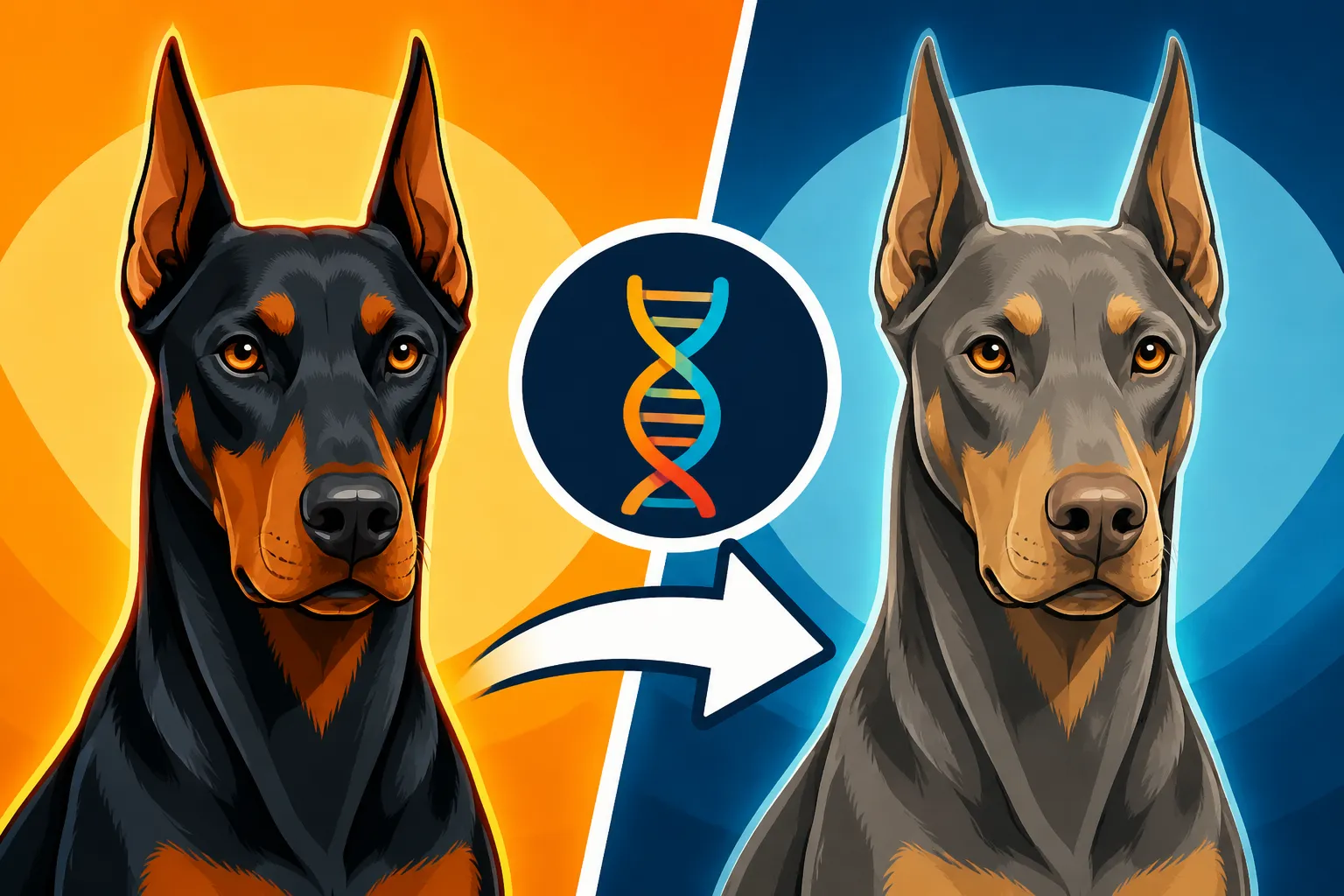
When a Doberman inherits two 'D' alleles (DD genotype), it will be full-colored, either black and rust or red and rust, depending on its 'B' locus genes. If a Doberman inherits one 'D' and one 'd' allele (Dd genotype), it is still full-colored because the 'D' allele is dominant. However, this dog is a "carrier" of the dilution gene and can pass the 'd' allele on to its offspring. This is incredibly important for breeders because two carrier dogs (Dd x Dd) can produce diluted puppies (dd). Finally, if a Doberman inherits two 'd' alleles (dd genotype), the dilution gene kicks in, affecting the pigment granules in the hair shaft and creating those beautiful, yet sometimes problematic, blue or fawn colors. It essentially clumps the pigment, making it appear lighter.
How Dilution Transforms Primary Colors
The dilution gene doesn't create new colors; it modifies the existing ones. So, a Doberman must first have the genetic predisposition for black or red, and then the dilution gene acts upon that. It’s a common misconception that blue and fawn are separate colors entirely, but they are genetically diluted versions of black and red, respectively.
Here’s a quick breakdown of how the 'd' gene works with the primary colors:
| Original Color Gene (B Locus) | Dilution Gene (D Locus) | Resulting Coat Color | Common Terms for Rust Markings |
|---|---|---|---|
| Black (BB or Bb) | DD or Dd | Black and Rust | Rust |
| Black (BB or Bb) | dd | Blue and Rust | Blue Rust (appears muted) |
| Red (bb) | DD or Dd | Red and Rust | Rust |
| Red (bb) | dd | Fawn (Isabella) and Rust | Fawn Rust (appears muted) |
This table illustrates that the dilution gene at the 'D' locus is what dictates whether the black or red base color appears in its dense form or a diluted form. It's a subtle but powerful genetic switch.
The Distinct Appearances of Diluted Dobermans: Blue and Fawn
When the dilution gene is at work, the rich, dense colors we typically associate with Dobermans take on a softer, more muted hue. These aren't just lighter shades; they're genuinely different visual presentations caused by the way pigment is distributed in the hair shaft. For many, these unique colors are incredibly appealing, making blue and fawn Dobermans highly sought after. But it’s crucial to understand what you’re truly seeing.
Blue Dobermans: Diluted Black
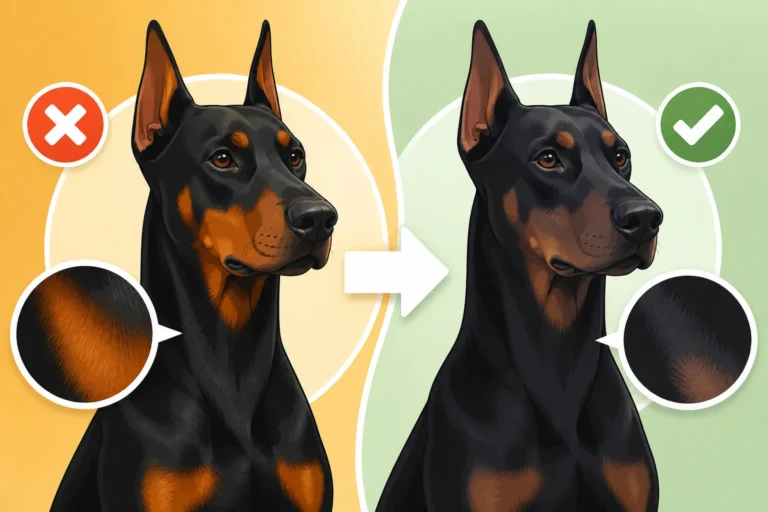
A blue Doberman is, genetically speaking, a black Doberman whose black pigment has been diluted. Instead of a deep, inky black, their coat appears as a soft, slate grey or charcoal blue. The rust markings that are usually a vibrant tan or deep mahogany on a black Doberman also become muted and lighter, sometimes almost silvery or a pale fawn against the blue coat. You might notice these dogs glistening with a subtle blue sheen in certain lighting.
It's important to remember that this isn't a true "blue" in the sense of a vibrant crayon color, but rather a descriptive term for the greyish-blue tint. The nose leather, paw pads, and eye rims will also be diluted to a similar blue-grey shade, rather than the solid black seen in undiluted black Dobermans. The overall impression is one of elegance and softness, which is why they often catch the eye of potential owners. However, many breeders will caution about Whether to Buy a Blue Doberman At All due to the associated health risks.
Fawn Dobermans: Diluted Red
Following the same logic, a fawn Doberman is a red Doberman whose red pigment has been diluted. Instead of the rich, often chocolatey red, their coat takes on a light, sandy beige or an almost silvery-tan color. This color is sometimes referred to as "Isabella" – a historical term that often sparks confusion but refers to this specific diluted red. Just like with blue Dobermans, the rust markings on a fawn Doberman will also be significantly lighter and more muted, blending almost seamlessly into the fawn body color.
The nose leather, paw pads, and eye rims on a fawn Doberman will also reflect this dilution, appearing as a lighter brown or even a pale pinkish-tan, rather than the dark brown of an undiluted red Doberman. This lighter pigmentation can also make their eyes appear lighter than the typically dark eyes of black and red Dobermans. Both blue and fawn Dobermans are explicitly mentioned when discussing Doberman Colors and the Two That Cause Trouble.
It's this beautiful, unique appearance that often draws people in, but the key is to be informed about the whole picture, especially the potential health implications that come hand-in-hand with this genetic dilution.
The Health Realities: Color Dilution Alopecia (CDA)
While the diluted blue and fawn coats are undeniably striking, they often come with a significant downside: a genetic condition known as Color Dilution Alopecia (CDA). This isn't just about a bit of shedding; it's a chronic, progressive skin and coat disorder that is directly linked to the dilution gene. It's the primary reason these beautiful colors are often considered "troublesome" in the Doberman breed.
What is Color Dilution Alopecia?
CDA is an inherited condition that affects dogs with diluted coat colors, primarily blue and fawn Dobermans, though other diluted breeds can also be affected. The 'dd' genotype, which causes the diluted color, is also responsible for this skin and coat fragility. The hair shafts in these dogs are structurally weaker and prone to breakage because the pigment granules within the hair are clumped abnormally. This clumping leads to fragile hairs that break easily and often don't grow back correctly, if at all.
Symptoms of CDA typically begin to show in early puppyhood or adolescence, often between 6 months and 3 years of age, though it can appear later. Owners might first notice a thinning coat, especially over the trunk and sides of the body, and the skin in affected areas may become scaly, dry, or even prone to secondary bacterial infections. The fur can also develop a dull, brittle appearance. Many people describe seeing Hair Loss on a Blue Doberman or How Common Coat Loss Is in Fawn Dobermans starting with patchy areas that gradually expand.
Progression and Secondary Issues
Unfortunately, CDA is usually progressive. What starts as a thinning coat can often lead to significant, widespread hair loss, leaving large bald patches. The skin in these areas becomes increasingly sensitive. Because the skin barrier is compromised and the hair follicles are damaged, affected Dobermans are highly susceptible to recurrent skin infections, like bacterial folliculitis, which can be itchy, painful, and require ongoing veterinary treatment. These Skin Infections in a Bald Doberman can be a major source of discomfort for the dog and frustration for the owner.
There is no cure for CDA, and Whether Coat Loss in a Doberman Can Be Treated focuses more on management than a definitive fix. Treatment primarily involves supportive care aimed at managing symptoms and preventing secondary infections. This can include specialized shampoos, topical treatments, antibiotics for infections, and supplements to support skin and coat health. It's an ongoing commitment that can become quite costly and time-consuming. Understanding Color Dilution Alopecia in Blue and Fawn Dobermans is perhaps the most critical aspect of owning a diluted Doberman.
Living With a Diluted Doberman: Care and Consideration
Bringing a Doberman with the dilution gene into your home means preparing for specific care routines and being proactive about their health. It’s not just about aesthetics; it’s about providing comfort and preventing complications for your beloved companion.
Proactive Skin and Coat Management
For a Doberman with a diluted coat, especially one showing signs of CDA, daily care becomes paramount. You'll need to develop a consistent Daily Skin Routine for a Thinning Blue Doberman or fawn. This often involves:
- Gentle Bathing: Using specialized, moisturizing shampoos is key. Harsh shampoos can strip natural oils, exacerbating dryness and irritation. Your vet might recommend Medicated Baths for a Doberman With Coat Loss to control bacterial or fungal overgrowth if infections are present. When selecting shampoos or conditioners, look for reputable brands available at pet supply stores like Chewy that offer sensitive skin formulas, or consult with your veterinarian for prescription options.
- Moisturizing: After bathing, applying leave-in conditioners or skin-specific lotions can help maintain skin hydration and reduce flakiness.
- Sun Protection: Dogs with thinning or absent coats are much more vulnerable to sunburn. If your diluted Doberman spends time outdoors, especially during peak sun hours, you might need to apply dog-specific sunscreen to exposed areas or invest in lightweight, protective clothing. Thinking about Sun Protection for a Thin-Coated Doberman isn't something many owners of black or red Dobermans need to consider seriously, but it's essential for those with CDA.
- Regular Brushing: Gentle brushing with a soft brush can help distribute natural oils and remove loose hair without irritating sensitive skin. Avoid brushes that could scratch or pull on fragile hair.
- Dietary Support: Some owners find that supplementing their dog's diet with omega-3 fatty acids or other skin-supportive nutrients can improve skin and coat health. Always discuss any dietary changes or supplements with your veterinarian. High-quality dog foods, often found at places like Chewy, can provide a good base for skin health.
Breeder Responsibility and Ethical Considerations
Given the strong link between the dilution gene and CDA, responsible breeding practices are critical. Ethical breeders will understand The Health Testing a Doberman Breeder Must Show, including transparency about the genetic risks associated with diluted colors. They should be testing their breeding stock for the dilution gene (Dd carriers) and making informed decisions to avoid producing affected puppies (dd) that are likely to develop CDA. While a 'dd' Doberman is registered, many breed clubs discourage their breeding due to the health implications.
If you are considering a blue or fawn Doberman puppy, it is absolutely essential to thoroughly research the breeder. Ask about their experience with diluted colors, what health guarantees they offer regarding CDA, and whether they DNA test their breeding dogs for the dilution gene. A reputable breeder will prioritize the health and well-being of their puppies over desirable aesthetics and will be open and honest about potential issues. They should be able to clearly explain Blue and Fawn Dobermans and the Dilution Gene and the implications for the puppies.
In essence, while the beauty of a blue or fawn Doberman is undeniable, the potential for lifelong skin and coat challenges requires owners to be well-informed and committed to proactive, attentive care.
Disclaimer
This article is for general informational purposes only and does not constitute professional advice. Laws, prices and regulations vary by location and change over time. Consult a qualified professional for guidance on your specific situation.