Feeding a Doberman Puppy Through a Fast Growth Curve
Bringing home a Doberman puppy is an incredibly exciting time, filled with dreams of a loyal, majestic companion. But many new owners quickly realize that these puppies grow at an astonishing rate, sometimes feeling like they're sprouting inches overnight. This rapid development isn't without its challenges, and improper feeding during this crucial period can set the stage for serious health issues down the line. This guide will walk you through everything you need to know about nourishing your Doberman puppy through its intense growth curve, helping you avoid common pitfalls and lay the foundation for a long, healthy life.
Understanding the Doberman Growth Spurt
It’s almost astounding how quickly a Doberman puppy transforms from a tiny, clumsy fluffball into a sleek, powerful adolescent. One day you’re carrying them, the next they’re practically pulling you down the street! This explosive growth phase is a hallmark of large and giant breeds, but it also carries unique considerations that need careful attention.
The Race to Full Size: Why Dobermans Grow So Quickly
Dobermans are bred for athleticism and speed, and their physical development reflects this. They pack on significant height and weight in a relatively short timeframe compared to smaller breeds, often reaching most of their adult height by 8-12 months and continuing to fill out in muscle and chest depth until 18-24 months. Think about it: a tiny eight-week-old Doberman pup, perhaps weighing 15-20 pounds, will easily hit 60-80 pounds, or even more for males, within its first year. This isn't just a simple increase in size; it's a complex process involving bone elongation, muscle development, and organ maturation, all happening at warp speed. It demands a lot from their developing bodies, particularly their skeletal structure.
The Risks of Too-Fast Growth: Joint and Bone Health
While it might be tempting to "power feed" your Doberman puppy to achieve maximum size as quickly as possible, this is a dangerous misconception. Excessive growth, especially during the first six months, is one of the biggest risk factors for orthopedic problems in large breeds like Dobermans. Conditions such as hip and elbow dysplasia, osteochondritis dissecans (OCD), and panosteitis (growing pains) are exacerbated by puppies growing too quickly. When a puppy's bones grow faster than their connective tissues and muscles can keep up, it puts immense stress on their developing joints. This can lead to malformations, inflammation, and irreversible damage. It's not about how big your Doberman gets, but how they get there – a slow, steady growth rate is always preferable to an accelerated one, even if it means they don't look quite as chunky as some other puppies.
Genetics and Environment: Factors Influencing Growth
Your Doberman puppy’s eventual adult size and the speed at which they reach it are a complex interplay of genetics and environmental factors. Obviously, genetics lay the blueprint: if both parents are on the larger side, your puppy is more likely to be a bigger adult. However, even with excellent genetics, environmental factors, especially nutrition and exercise, play a massive role. A puppy with good genetics can still develop orthopedic issues if fed an inappropriate diet or allowed excessive, high-impact exercise during critical growth phases. Conversely, a genetically smaller Doberman won't become a giant just by eating more. Understanding your puppy's lineage, knowing the size of their parents and grandparents, can give you a good indication of their growth potential, but proper management of diet and activity is key to unlocking that potential healthily. This balance is crucial for avoiding issues like Whether Stairs Hurt a Doberman Growing Fast or other developmental problems.
Choosing the Right Puppy Food
Navigating the seemingly endless aisles of dog food can feel like a labyrinth, especially when you're trying to make the best choice for a fast-growing Doberman puppy. It’s not just about brand loyalty or the prettiest packaging; it’s about understanding what your Doberman needs to thrive without growing too fast.
Large Breed Puppy Formulas: What Makes Them Different?
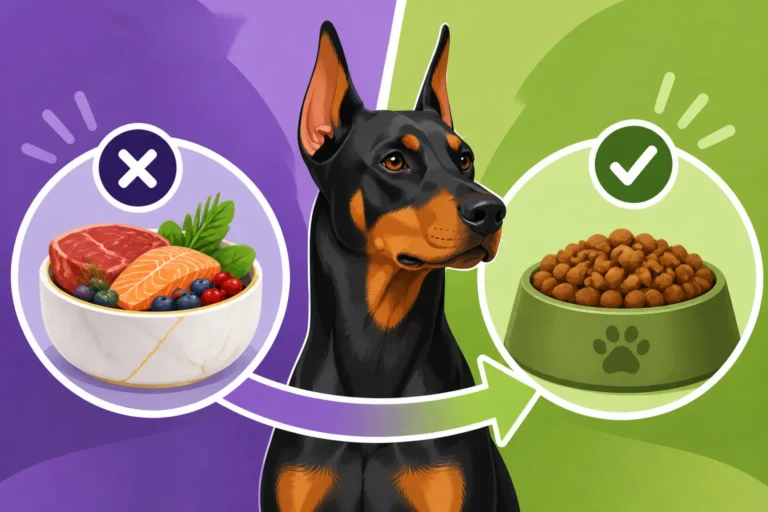
This is where the rubber meets the road. For Doberman puppies, a "large breed puppy formula" isn't just a marketing gimmick; it's a nutritional necessity. These specialized diets are formulated with a carefully controlled balance of calcium, phosphorus, and energy (calories) to promote slow and steady growth, not rapid growth. Standard puppy foods, designed for smaller breeds that mature faster and have different bone growth patterns, often contain higher levels of calories, fat, and calcium. While these might seem good, they can actually be detrimental to a Doberman puppy, pushing them to grow too quickly and increasing their risk of orthopedic diseases. Look for formulas specifically labeled "large breed puppy" or "giant breed puppy." Many reputable brands offer these, and you can find them easily on platforms like Chewy or Amazon, often with detailed nutritional breakdowns.
Key Nutrients for Doberman Puppy Development: Protein, Fat, Calcium, Phosphorus
Let's break down the core components your Doberman puppy needs:
- Protein: Essential for muscle development, healthy skin, and a strong immune system. Look for high-quality animal protein sources like chicken, beef, lamb, or fish as the first ingredients. A good large breed puppy food will typically have protein levels in the 26-30% range.
- Fat: A concentrated energy source vital for growth, brain development, and a shiny coat. However, too much fat leads to excessive calories, which can promote rapid growth. Large breed formulas aim for moderate fat levels, often in the 12-16% range.
- Calcium and Phosphorus: These minerals are critical for bone development, but their ratio and absolute amounts are paramount. Too much calcium, or an imbalanced calcium-to-phosphorus ratio, is a major culprit in developmental orthopedic diseases. Large breed puppy foods aim for a calcium level typically between 0.8% and 1.2% (dry matter basis) and a calcium-to-phosphorus ratio between 1.1:1 and 1.5:1. Always check these numbers on the guaranteed analysis. Do not add calcium supplements unless specifically directed by your vet, as this can throw off the delicate balance. This is especially true given concerns about Whether a Doberman Puppy Should Take Calcium.
- DHA: An Omega-3 fatty acid crucial for brain and eye development. Often found in fish oil.
- Glucosamine and Chondroitin: While not always included in puppy food, some large breed formulas might contain these, believed to support joint health. Their efficacy in preventing issues in puppies is debated, but they won't hurt if included in appropriate amounts.
Deciphering Dog Food Labels: A Practical Guide
Understanding a dog food label is like reading a secret code, but it’s essential for making informed decisions. Here’s what to focus on:
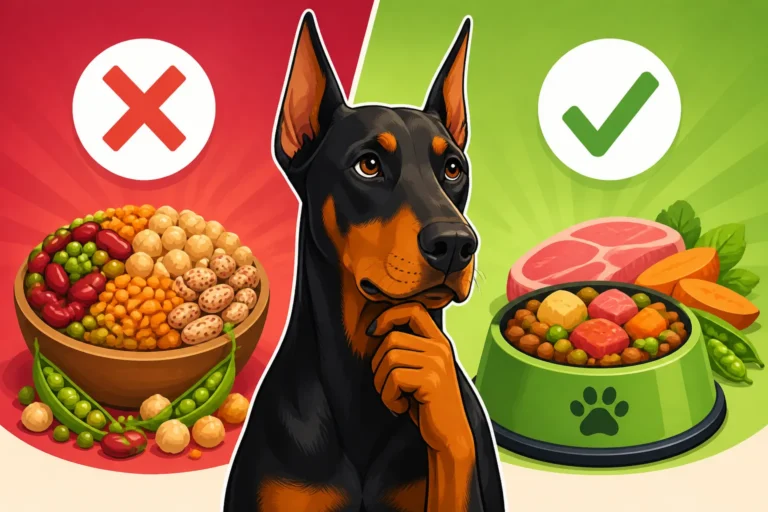
- Ingredients List: The first few ingredients tell you a lot. You want to see whole animal protein sources (e.g., "deboned chicken," "lamb meal") listed prominently. Avoid generic terms like "meat meal" or excessive fillers like corn, wheat, or soy high up in the list.
- Guaranteed Analysis: This section provides minimum percentages for crude protein and fat, and maximum percentages for fiber and moisture. For large breed puppies, it's also crucial to look for the calcium and phosphorus levels. If they aren't listed, contact the manufacturer or choose a different food.
- Nutritional Adequacy Statement: This is usually a small statement from the Association of American Feed Control Officials (AAFCO) that confirms the food is "formulated to meet the nutritional levels established by the AAFCO Dog Food Nutrient Profiles for growth/all life stages" or specifically "large breed puppies." This confirms the food meets recognized standards.
- Calorie Content (Metabolizable Energy – ME): Often listed in kilocalories per cup (kcal/cup). This helps you portion correctly and avoid overfeeding. Remember, large breed puppy foods should have a slightly lower caloric density than regular puppy foods.
Take your time to compare labels. If you're unsure, ask your veterinarian for recommendations. Many quality brands, some available from services like Ollie or at your local pet store, will clearly state their suitability for large breed puppies.
Feeding Schedule and Portion Control
Getting the right food is one thing; making sure your Doberman puppy gets the right amount at the right time is another. Consistency and careful monitoring are your best friends here to manage that fast growth curve.
Establishing a Consistent Feeding Routine
Puppies thrive on routine, and your Doberman is no exception. A predictable feeding schedule helps regulate their digestion, makes house-training easier, and teaches them patience. For young Doberman puppies (8-12 weeks), aim for three to four meals a day. As they get a bit older (3-6 months), you can gradually reduce this to three meals, and then to two meals a day as they approach adolescence, usually around 6-12 months. This schedule helps ensure they don't go too long without food, which can be particularly important for Dobermans who have a deep, narrow chest and are predisposed to bloat (gastric dilation-volvulus) later in life. Consistency also helps you monitor their appetite and spot any changes that might indicate illness.
Here's a general guideline for feeding frequency:
| Age of Doberman Puppy | Recommended Daily Meals | Typical Daily Calorie Range (Approx.) |
|---|---|---|
| 8-12 Weeks | 3-4 meals | 800-1200 kcal |
| 3-6 Months | 3 meals | 1200-1800 kcal |
| 6-12 Months | 2-3 meals | 1800-2500 kcal |
| 12+ Months | 2 meals | Refer to adult food guidelines |
Note: Calorie ranges are approximate and depend heavily on individual puppy metabolism, activity level, and specific food formulation. Always consult your food's packaging and your vet.
For more details on early feeding, check out How Often to Feed a Doberman Under Six Months.
Calculating Daily Rations and Adjusting for Activity
This is where many owners get it wrong. The feeding guidelines on the back of the dog food bag are just that – guidelines. They are a starting point, not an absolute rule. Each Doberman puppy is an individual, with varying metabolisms and activity levels. A super active puppy playing all day will need more calories than a more sedate one.
Start with the recommended amount for your puppy's age and target adult weight range (the expected weight of your Doberman as an adult, not their current weight). Divide that daily total into your chosen number of meals. Over the next few weeks, closely monitor your puppy's body condition (we'll get to that next). If they're gaining too much weight or looking too chunky, slightly reduce the amount. If they seem too lean, slightly increase it. The goal is steady, healthy growth, not rapid weight gain. Remember, puppies use a lot of energy, but overdoing it on food will put undue stress on their growing joints, potentially leading to issues that will cost you far more than dog food in the long run.
Free Feeding vs. Scheduled Meals: The Doberman Dilemma
For Doberman puppies, scheduled meals are overwhelmingly preferred over free feeding (leaving food out all day). There are several critical reasons for this:
- Portion Control: With scheduled meals, you know exactly how much your puppy is eating, making it easier to manage their growth rate. Free feeding often leads to overconsumption and rapid weight gain.
- House Training: A consistent feeding schedule leads to a consistent potty schedule, which is a huge benefit for house-training success.
- Bloat Prevention: While bloat is primarily a concern for adult Dobermans, instilling good habits early is smart. Eating large quantities of food rapidly, or exercising immediately after a large meal, are risk factors. Scheduled meals allow you to manage meal size and ensure adequate rest before and after eating. Splitting their daily ration into multiple smaller meals helps with this.
- Monitoring Health: If your puppy suddenly stops eating a scheduled meal, it’s a clear sign something might be wrong. With free feeding, it might take much longer to notice a change in appetite.
So, ditch the free-feeding bowl. Your Doberman puppy will quickly learn to appreciate their meal times and the routine you establish.
Monitoring Growth and Body Condition
You're giving them the right food and the right amount, but how do you know if it's all working as it should? Monitoring your Doberman puppy's growth is essential to ensure they're developing healthily and not encountering problems associated with their fast growth.
Weight and Height Milestones for Doberman Puppies
While every Doberman puppy develops at its own pace, there are general milestones you can look for. It's helpful to weigh your puppy weekly for the first few months, then bi-weekly, and then monthly, keeping a record. Don't compare your Doberman strictly to others on the internet; focus on a steady, consistent upward trend for your puppy.
General Doberman Puppy Weight Averages (Approximate):
| Age | Male Doberman (lbs) | Female Doberman (lbs) |
|---|---|---|
| 8 Weeks | 15-20 | 12-18 |
| 3 Months | 25-35 | 20-30 |
| 4 Months | 35-45 | 30-40 |
| 6 Months | 50-65 | 45-55 |
| 9 Months | 65-80 | 55-70 |
| 12 Months | 75-90+ | 60-75+ |
| Adult (18-24 mos) | 80-100+ | 60-85+ |
These are general averages. Your vet is the best resource for individual growth assessment. Some Dobermans, especially European lines, might be at the higher end or exceed these ranges.
Remember, the goal isn't to hit the maximum weight for their age. Instead, it's about seeing consistent, steady progress. Your vet will also be tracking these metrics during your regular check-ups. If you have concerns about Whether a Doberman Puppy Is Growing on Schedule, your vet can offer personalized advice.
The "Rib Test": How to Assess Body Condition Score
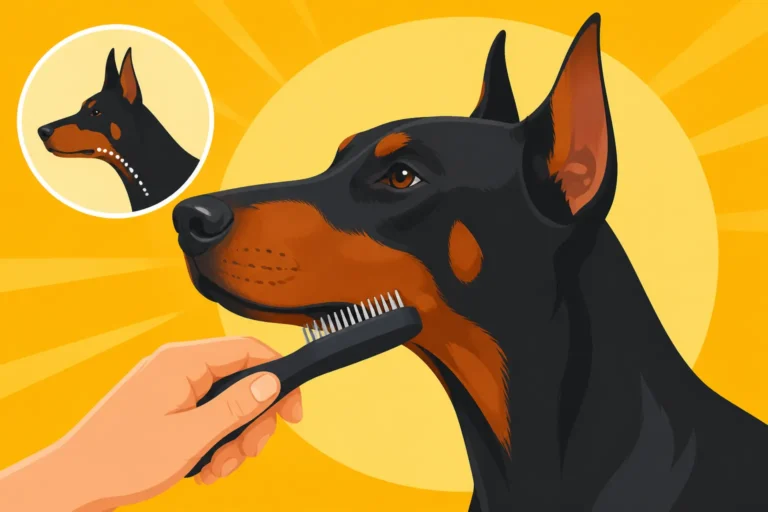
The Body Condition Score (BCS) is a far more reliable indicator of your Doberman puppy's health than a number on a scale alone. You want your Doberman puppy to be lean, almost lanky, during its growth phase. You should be able to:
- Feel the ribs easily when you lightly run your hands along their side, but not see them prominently poking out (unless they've just exhaled deeply or are stretching).
- See a distinct waist when looking down at them from above, behind the ribs.
- Observe a tucked-up abdomen when looking at them from the side, a clear upward slope from the bottom of the rib cage to the groin.
If you can't feel their ribs without applying significant pressure, or if they lack a defined waist, they are likely overweight. If their ribs are clearly visible even when standing relaxed, and they look too bony, they might be underweight. It's better for a Doberman puppy to be a touch on the lean side during growth than overweight. Overweight puppies put more stress on their still-developing joints. This isn't about cosmetic appearance; it's about long-term joint health. For more on what your Doberman's ideal body shape should be, refer to Reading Ribs and Hip Points on a Doberman.
Keeping a Growth Journal: A Valuable Tool
This might sound like a bit much, but trust me, a simple growth journal can be incredibly insightful. Jot down their weekly weight, a quick note on their BCS (e.g., "ribs easily felt, good waist"), and any observations about their appetite or energy levels. You can even take a monthly side photo to visually track their changes. This journal provides concrete data to discuss with your vet at appointments and helps you identify any deviations from healthy growth patterns. It's also a wonderful keepsake to look back on as your Doberman matures into a magnificent adult, eventually reaching The Age a Doberman Reaches Full Height and When a Doberman Fills Out After Growing Tall.
Supplements: When and If Needed
The world of pet supplements is vast and often confusing, with many products promising miraculous benefits. For a rapidly growing Doberman puppy, adding supplements often does more harm than good, especially if they are already on a high-quality, balanced large breed puppy food.
Calcium and Phosphorus Balance: A Critical Consideration
As discussed earlier, the precise balance of calcium and phosphorus is absolutely critical for healthy bone development in large breed puppies. Most commercial large breed puppy foods are meticulously formulated to provide these minerals in the correct ratios and amounts. Adding external calcium supplements, such as calcium tablets or dairy products, can easily disrupt this delicate balance. Too much calcium can lead to skeletal abnormalities, including conditions like OCD, by interfering with the proper mineralization of cartilage.
Unless your veterinarian has diagnosed a specific deficiency and explicitly prescribed a calcium supplement at a precise dosage, do not add extra calcium to your Doberman puppy's diet. It’s far more likely to create problems than to solve them. Trust the formulation of your chosen large breed puppy food.
Joint Support Supplements: Are They Necessary for Growing Dobermans?
Joint supplements like glucosamine and chondroitin are widely used for adult dogs with existing joint issues or as a preventative measure for older dogs. However, their role in growing Doberman puppies is less clear-cut and often debated among veterinary professionals.
Many large breed puppy foods will include these ingredients, and in that context, they are generally considered safe. However, adding additional, concentrated joint supplements on top of an already balanced diet is typically unnecessary for a healthy puppy and may even be counterproductive if the overall diet becomes imbalanced. The most effective "joint support" for a growing Doberman is maintaining a lean body condition, feeding an appropriate large breed puppy food, and avoiding excessive high-impact exercise. Focus on strengthening muscles around the joints through controlled, moderate activity rather than relying on supplements to magically protect them. If your puppy shows signs of lameness or discomfort, a vet visit is paramount to diagnose the underlying issue, not to simply start a supplement regimen. This proactive approach helps in Protecting a Growing Doberman's Joints.
The Role of Omega Fatty Acids
Omega-3 and Omega-6 fatty acids are essential for overall health, including skin and coat quality, immune function, and brain development. Many high-quality large breed puppy foods already contain adequate levels of these. Omega-3s, particularly EPA and DHA (found in fish oil), are beneficial for their anti-inflammatory properties and support of cognitive development.
If your puppy food does not list fish oil or flaxseed as an ingredient, or if your vet suggests it, a quality fish oil supplement can be a beneficial addition. Unlike calcium, it's harder to overdo Omega-3s to a detrimental level (though excessive amounts can cause loose stools). Always opt for a reputable, purified fish oil product to avoid heavy metal contamination, and follow the dosage guidelines for puppies based on their weight. Brands like Nordic Naturals or Carlson Labs are often recommended, and products can be found on Amazon.
Common Feeding Mistakes to Avoid
Even with the best intentions, it's easy to fall into common traps when feeding a Doberman puppy, especially given their appealing nature and rapid growth. Being aware of these mistakes can save you a lot of heartache (and vet bills) later on.
Overfeeding: The Biggest Foe of Growing Joints
Hands down, this is the most common and damaging mistake owners make with large breed puppies. We all want our puppies to be big and strong, and it's easy to assume that more food equals more growth. However, as we’ve discussed, too many calories, especially in the first few months, force bones to grow too quickly, leading to weak cartilage and joint deformities.
An overweight Doberman puppy isn't a healthy Doberman puppy. It puts undue strain on immature joints, increases the likelihood of orthopedic diseases, and can set them up for obesity and related health problems in adulthood. Resist the urge to "fatten up" your puppy. Keep them lean, even a little lanky. It might feel counterintuitive when you see a starving look in their eyes, but a lean, healthy puppy is far more likely to mature into a sound, athletic adult. Always remember the "rib test" and adjust food amounts accordingly.
Underfeeding: Stunting Growth and Development
While overfeeding is the more prevalent issue, underfeeding can also be detrimental. A Doberman puppy needs adequate calories and nutrients to support their rapid development. Chronic underfeeding can lead to stunted growth, poor muscle development, a weakened immune system, and overall failure to thrive.
Signs of underfeeding include visible ribs, spine, and hip bones with no fat covering, low energy levels, dull coat, and poor weight gain despite appropriate caloric intake for their current weight. If you're consistently feeding the recommended amount of a large breed puppy food and your Doberman still looks too thin or isn't gaining weight steadily, it's crucial to consult your veterinarian. There might be an underlying health issue preventing nutrient absorption, or your puppy simply has a higher metabolic rate than average. Never attempt to compensate by giving them human food or an unbalanced diet.
Treats and Table Scraps: Limiting Unbalanced Additions
We all love to spoil our Doberman puppies with treats, and those big, soulful eyes are hard to resist! However, treats and table scraps can quickly add unwanted calories and disrupt the carefully balanced nutrition of their main diet.
- Treats: Choose small, low-calorie training treats. Think pea-sized bits of kibble, freeze-dried liver, or small pieces of carrot or green bean. Always factor treats into your puppy's daily caloric intake. If you're giving a lot of treats for training, slightly reduce their meal portions. Avoid treats high in fat or sugar. You can find excellent options on Amazon or at local pet stores.
- Table Scraps: Generally, it's best to avoid feeding table scraps entirely. Human food, even seemingly innocuous items, can be too rich, fatty, or even toxic for dogs. Many human foods are also high in sodium or spices that can upset a puppy's delicate digestive system. Teaching your Doberman puppy from day one that human food is not for them will save you headaches (and potential trips to the emergency vet) in the long run.
Remember, a balanced large breed puppy food provides all the nutrients your Doberman needs. Anything extra should be minimal, healthy, and accounted for. This mindful approach ensures your puppy gets what it needs without overdoing it, a crucial part of The Doberman Spending That Starts at Three.
Transitioning from Puppy to Adult Food
The puppy stage doesn't last forever, and eventually, your Doberman will be ready to transition to an adult formula. Knowing when and how to make this switch is just as important as the initial feeding choices.
Timing the Switch: When Your Doberman Puppy Becomes an Adolescent
Unlike smaller breeds that might transition to adult food around 9-12 months, Dobermans, as large breed dogs, have a longer growth period. Most Dobermans are ready to transition to a high-quality adult large breed formula between 12 and 18 months of age. Some very large males might even benefit from staying on large breed puppy food a little longer, up to 18-24 months, if they are still growing significantly and maintaining a lean body condition.
The key indicators it's time to switch are:
- Reaching near-adult height: While they may continue to fill out, they won't be growing much taller.
- Slowing growth rate: The explosive growth has tapered off significantly.
- Maintaining a healthy, lean body condition: They are no longer growing so rapidly that they need the higher caloric density of puppy food.
Switching too early can mean they miss out on crucial nutrients needed for the final stages of bone and muscle development. Switching too late, however, can contribute to unnecessary weight gain and continued rapid growth if they are already mature. Your veterinarian can provide the best guidance based on your individual Doberman’s growth trajectory. This is also the point where you'd be looking at The Age a Doberman Leaves Puppy Food Behind.
The Gradual Transition Method: Preventing Upset Stomachs
Never switch your Doberman puppy's food abruptly. A sudden change can cause digestive upset, including vomiting, diarrhea, and loss of appetite. The key is a slow, gradual transition over 7-10 days.
Here’s a typical transition schedule:
- Days 1-2: 75% old food, 25% new food
- Days 3-4: 50% old food, 50% new food
- Days 5-6: 25% old food, 75% new food
- Days 7-10: 100% new food
During this period, monitor your Doberman closely for any signs of digestive distress. If they experience soft stools or an upset stomach, slow down the transition and keep them on the current mix for an extra day or two before progressing. If issues persist, consult your vet. This gradual approach allows their digestive system to adapt to the new ingredients and nutrient profile.
Choosing the Right Adult Formula for Ongoing Health
Once your Doberman is ready for adult food, the principles remain similar: choose a high-quality formula, ideally one designed for large breeds. Large breed adult formulas continue to focus on joint health and appropriate calorie density to prevent obesity, which is a significant concern for Dobermans as they age.
Look for:
- High-quality protein sources: Still the primary ingredient.
- Moderate fat levels: To maintain a lean body condition.
- Balanced vitamins and minerals: Ensuring all their adult nutritional needs are met.
- Ingredients that support joint health: Some adult formulas will include glucosamine and chondroitin.
Consider their activity level when choosing an adult food. An active Doberman involved in sports like agility or protection work might need a formula with slightly higher protein and fat than a more sedate companion Doberman. Platforms like Chewy and Ollie offer a wide selection of adult large breed foods with detailed nutritional information, allowing you to compare options effectively. Remember, once they're adults, their calorie needs will still depend on their activity level; you might need to calculate Daily Calories for an Adult Doberman to keep them in peak condition.
Disclaimer
This article is for general informational purposes only and does not constitute professional advice. Laws, prices and regulations vary by location and change over time. Consult a qualified professional for guidance on your specific situation.